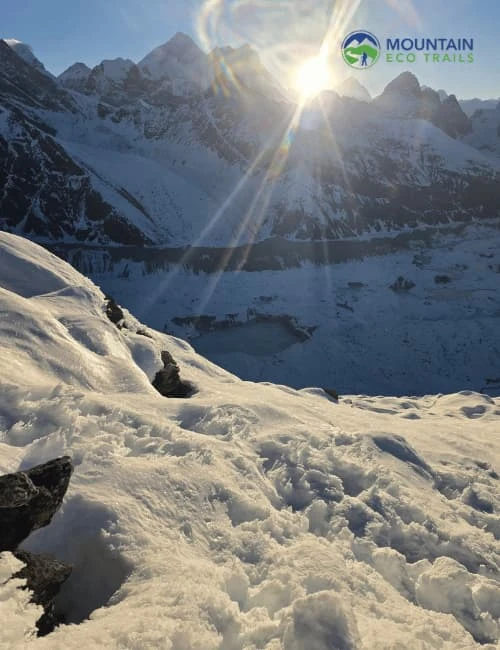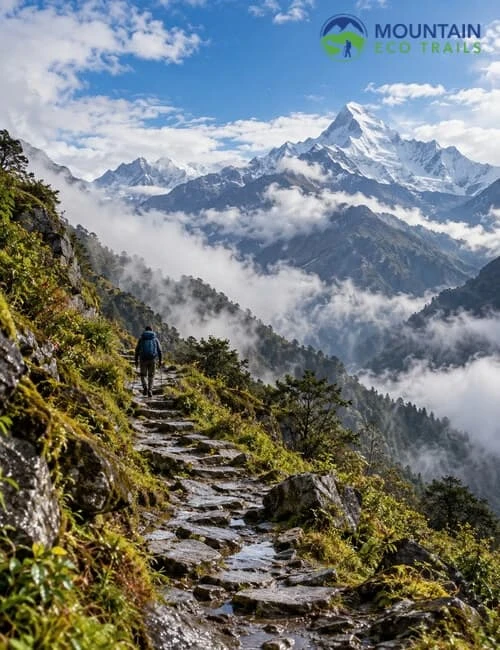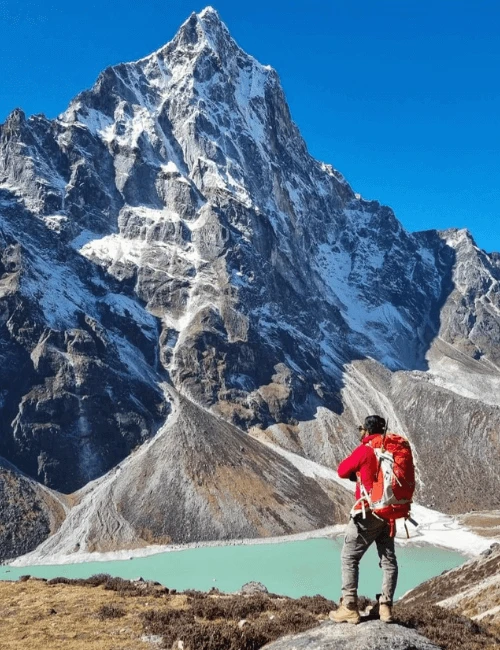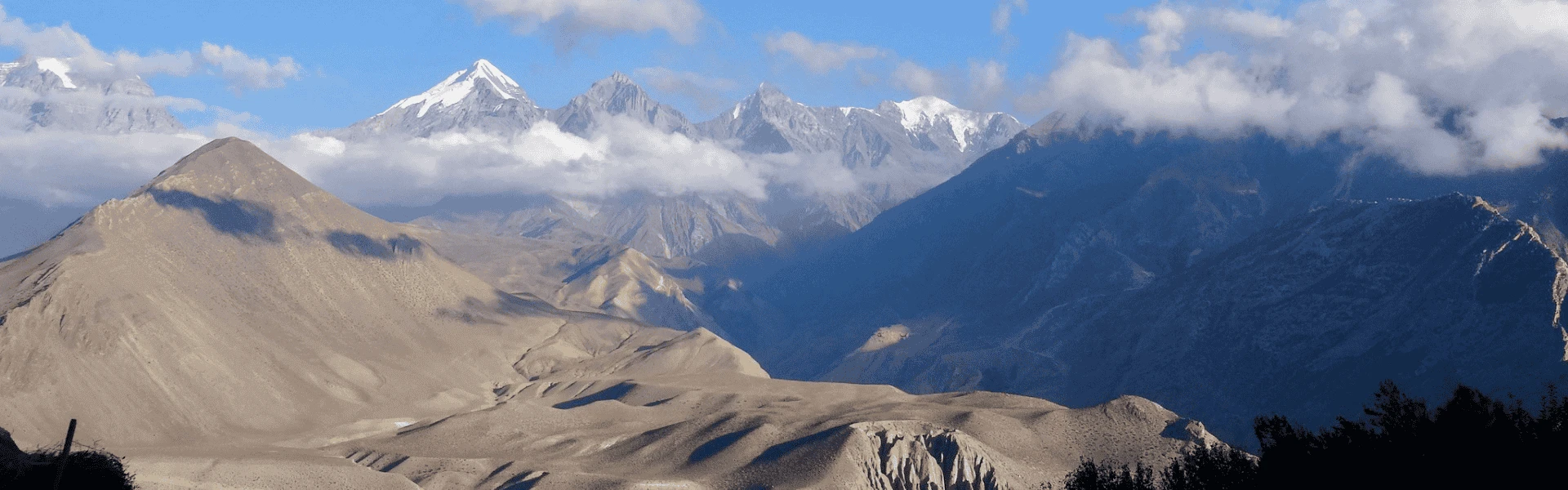
Remote treks in Nepal offer solitude, wilderness, and cultural depth that popular routes no longer provide. These treks pass through isolated regions with minimal tourism, traditional villages, and untouched landscapes. Remote Treks in Nepal are trekking routes located far from mainstream trails, offering fewer crowds, limited infrastructure, higher cultural authenticity, and deeper wilderness experiences. These treks often require special permits, experienced guides, and longer itineraries, making them ideal for seasoned trekkers seeking solitude and adventure.
Best Remote Treks in Nepal
The Ultimate Off-the-Beaten Himalayan Adventures
Remote Treks in Nepal are the purest form of Himalayan exploration. Remote Treks in Nepal take you far beyond busy trails into serene valleys, secluded villages, and unspoiled mountain landscapes. These journeys reward trekkers who seek solitude, authenticity, and a deeper connection with nature and culture. The remote treks are best suited for experienced trekkers seeking authentic Himalayan exploration.
At Mountain Eco Trails, we specialise in carefully planned remote treks in Nepal, designed for travellers who value experience over crowds and meaning over mass tourism.
Why Choose Remote Treks in Nepal Instead of Popular Routes?
Remote treks offer solitude, wilderness, and cultural depth that popular routes can no longer provide.
Popular trails like Everest or Annapurna are stunning. Yet, they are busy. In contrast, less crowded treks in Nepal allow you to walk for hours without meeting another group. The mountains feel personal again.
Remote routes pass through traditional villages. Life there remains unchanged. You share simple meals. You hear local stories. These moments define off-the-beaten treks in Nepal.
Moreover, remote treks feel adventurous. Trails are wilder. Passes are higher. Each day feels earned. For many trekkers, this is the real Himalaya.
Want solitude without sacrificing safety? Talk to Mountain Eco Trails for expert-guided remote trekking routes.
Best Remote Trekking Regions in Nepal
The best remote trekking regions lie in restricted areas, far western Nepal, and hidden eastern Himalayan zones. Nepal’s geography creates natural isolation. Some regions remain untouched due to distance, terrain, and regulations.
Restricted Area Trekking Regions
A restricted area trek in Nepal requires special permits and a licensed guide. These regions protect culture and nature.
Key areas include:
- Upper Dolpo Trek
- Kanchenjunga Circuit Trek
- Manaslu Circuit Trek
- Tsum Valley Trek
- Nar Phu Valley Trek
- Upper Mustang Trek
These routes offer dramatic landscapes and a deep Tibetan-influenced culture.
Far West Nepal Remote Treks
Far western Nepal is one of the least explored parts of Nepal. Trails here feel raw and powerful.
Highlights include:
- Api Himal Trek Conservation Area
- Saipal Himal region
- These treks define true wilderness.
Eastern Nepal Hidden Routes
Eastern Nepal blends biodiversity with solitude.
Popular hidden routes:
- Milke Danda ridge
- Lumba Sumba Pass
- Remote Kanchenjunga border trails
These are among the best remote treks in Nepal for repeat visitors.
How Difficult Are Remote Treks in Nepal?
Remote treks are challenging and best suited for experienced trekkers. The remote treks are difficult in several ways. Trails are more rugged, involve high passes, lack facilities, and longer trekking days makes the remote treks challenging.
- The difficulty comes from several factors. Altitude plays a major role. Many passes exceed 4,500 meters. Some climb beyond 5,000 meters.
- Trails are rough. The weather changes quickly. Facilities are basic. Days are long. However, the reward is unmatched.
Physical and Mental Demands
- You need strong fitness. Endurance matters. Mental resilience matters even more. Isolation can feel intense. Yet, it also feels liberating.
- Remote treks are not technical climbs. Still, preparation is essential. With proper planning, difficulty becomes manageable.
Our guides at Mountain Eco Trails have years of experience leading high-altitude and remote Himalayan routes safely.
Permits & Regulations for Remote Treks in Nepal
Most remote treks require special permits and mandatory guides. Without permit cards and guides, no trekkers are allowed to enter the particular remote treks like Manaslu Circuit Trek, Kanchenjunga Circuit Trek, Nar Phu Valley Trek, etc.
A restricted area trek in Nepal cannot be done independently. The government enforces this to protect fragile regions.
Common Permit Types
- Restricted Area Permits
- Conservation Area Permits
- National Park Entry Permits
- Permit rules vary by region and duration.
Why Guides Are Mandatory for the remote treks in Nepal?
- Guides ensure safety. They are first aid trained.
- They manage logistics and pre-book the transportation, arrange meals, and book the accommodation for you.
- They handle permits in several checkpoints.
- They communicate with locals and provide you with information regarding local life.
- In emergencies, the guide knows how to call for the rescue.
Let Mountain Eco Trails handle permits and compliance, so you focus only on the journey. Also, you can check our Required Permits for trekking in Nepal.
Best Time for Remote Treks in Nepal
Spring and autumn are the best seasons for remote treks. Just like other popular treks such as the Annapurna Base Camp Trek, the EBC Trek, etc, spring and autumn offer the best visibility and weather conditions.
Spring (March to May)
Spring offers stable weather. Rhododendrons bloom. Passes open. Visibility remains good.
Autumn (September to November)
Autumn brings dry trails and crystal-clear views. It is the most reliable season for remote treks in Nepal.
Off-Season Trekking
Some remote treks work in the monsoon or winter. These require expert planning. Risks increase. Rewards also increase for skilled trekkers. Short treks like the Poon Hill Trek or the Langtang Valley Trek can be done in winter. Other than that, it is risky to do any treks during the off-season.
Are Remote Treks in Nepal Safe?
Yes, remote treks are safe with proper planning and experienced guides. Safety depends on preparation. Altitude sickness is the main risk. The weather is another factor. Before starting any remote treks in Nepal, weather forecasting, itinerary, and hiring an experienced guide are key factors. Also, the physical and mental preparation play an important role in your safety.
Key Safety Measures
- Gradual acclimatisation and a proper trekking plan.
- Emergency evacuation planning in case of emergencies.
- Regular communication with your trekking guide and team member
- Flexible itineraries with proper acclimatisation
- Local expertise matters. Our teams understand terrain behaviour and seasonal risks. Mountain Eco Trails prioritises safety, realistic pacing, and ethical trekking practices.
Who Are Remote Treks in Nepal Best For?
Remote treks suit experienced trekkers seeking solitude and authenticity.
- Ideal Travelers
- Seasoned hikers
- Adventure-focused travelers
- Cultural explorers
- Photographers
Not Ideal For
- First-time trekkers
- Luxury travelers
- Tight schedules
Remote trekking is about depth, not speed.
Practical Tips for Planning Remote Treks in Nepal
Preparation defines success on remote treks. Whether it's remote treks or the regular easy treks, planning is required. It can be planning an itinerary, planning a trekking destination, packing a list, and more.
Packing Tips
- Layered clothing and Warm Jackets
- Reliable boots, Trekking Poles, and a backpack
- Power banks and solar chargers
- Medical kit & Personal Medication
Planning Tips
- Add buffer days
- Keep daily distances realistic
- Confirm insurance coverage
- Choose a local operator like Mountain Eco Trails that understands the region. This makes all the difference.
Check our Common Trekking Gear for Nepal for the packing list.
Remote Treks vs Classic Treks in Nepal: Which Is Right for You?
Remote treks focus on wilderness and culture. Classic treks focus on comfort and accessibility.
Aspect | Remote Treks | Classic Treks |
Crowds | Very low | High |
Cost | Higher | Moderate |
Comfort | Basic | Better |
Experience | Raw & authentic | Social & scenic |
Permits | Complex | Simple |
Both have value. The choice depends on your goals.
FAQs
What is the most remote trek in Nepal?
Upper Dolpo and far western Nepal routes are among the most remote treks. These areas see very few trekkers each year and require special permits.
Do remote treks in Nepal require camping?
Some remote treks require full camping. Other remote treks like Nar Phu Valley Trek, Tsho Rolpa Trek, etc, use basic teahouses. The route determines accommodation style.
How long do remote treks in Nepal usually last?
Most remote treks last between 12 and 25 days, depending on region, access, and acclimatisation needs.
Can beginners do remote treks in Nepal?
Remote treks are not recommended for beginners. Prior high-altitude trekking experience is important.
Are remote treks worth the extra cost?
Yes. The solitude, cultural depth, and untouched landscapes make remote treks deeply rewarding.
Final Thoughts – Is a Remote Trek in Nepal Worth It?
Yes, if you value authenticity, silence, and true adventure. Remote Treks in Nepal are not easy. They demand effort and preparation. Yet, they give something rare. They give space. They give perspective. They give the Himalaya in its purest form.
At Mountain Eco Trails, we believe remote trekking should be safe, ethical, and meaningful. If you are ready to step beyond the crowds, the mountains are waiting.
Contact Mountain Eco Trails today via email or WhatsApp us at +9779849790153 and start planning your unforgettable remote Himalayan journey.

Anil Lamsal
Call us on WhatsApp+977 9849790153OrChat with us