

• DestinationNepal
  • Duration10 Days
  • Difficulty Level Moderate
  • Max. Altitude5520
  • Starts/EndsSyabrubeshi/Syabrubeshi
  • Trip StyleTrekking & Peak climbing
  • Group SizeMin 1 Pax.
  • Best SeasonSpring & Autumn
Highlights
  • Langtang Valley Trek & Yala Peak Summit within 10 Days of the Trip. 
  • Beginner-friendly Trekking Peak climbing in Nepal that reaches 5520 meters. 
  • Know about the Tibetan Lifestyle and the Tamang culture 
  • Panoramic views of the mountains such as Sisipangma, Dorje Lakpa, Langtang Lirung, etc. 
  • Non-technical peak climbing in Nepal below 6000 meters 
  • Yala Peak climbing does not require any special climbing permit. 
  • Best for first-time climbers and active trekkers 

Yala Peak Climbing is a guided trekking-peak expedition in Nepal’s Langtang region. The climb leads you to the 5,520 m summit of Yala Peak. This 10-day adventure is ideal for beginners looking for their first Himalayan climb.

The Yala Peak Climbing is not a technical expedition and is of moderate difficulty, offering an authentic mountaineering experience. The peak lies near the Tibet border and rewards climbers with panoramic Himalayan views.

Trekkers hike through Langtang Valley’s lush forests and villages, acclimatise at Kyanjin Gompa (3,870 m), then ascend to Yala Peak’s base camp (4,800 m) before the summit push. Yala Peak Climbing packages typically include all logistics (permits, guide, gear, etc.), making it a convenient and thrilling introduction to high-altitude climbing.

From the summit, expect breathtaking vistas of the Langtang Himalayas, including giants like Langtang Lirung and even Shishapangma (8,013 m) across the border in Tibet. The journey to get there is just as rewarding. Yala Peak Climbing combines a cultural trek through Tamang villages and monasteries with the thrill of a Himalayan ascent.

Why Yala Peak Climb Is Perfect for First-Time Climbers

Yala Peak is often recommended as the perfect first Himalayan summit for several reasons.

  • Yala Peak Climb is a relatively accessible altitude well below many of Nepal’s 6,000 m peaks.
  • The climb is also non-technical – classified as a trekking peak of easy to moderate difficulty.
  • Yala Peak climbing for beginners has a very high success rate (often above 90% on guided trips).
  • The entire Yala Peak expedition is typically 10 days, fitting into a two-week holiday, compared to longer expeditions for bigger peaks.

All these factors make Yala Peak Climbing an ideal choice for beginners. Trekkers can learn basic mountaineering. In short, Yala Peak Climbing is beginner-friendly & doable, but requires excellent physical fitness. Mountain Eco Trails has crafted a 10-Day Yala Peak Climbing package that suits first-time climbers.

Choose Mountain Eco Trails for the Yala Peak Climbing in Langtang

Choosing the best Local Trekking Agency for this Peak Climbing in Nepal is mandatory. Mountain Eco Trails specialises in arranging the Yala Peak Climbing with experienced and expert guides. Here is why you should choose us for this Trek:

  • Expert and Government-licensed Climbing Guides.
  • 90% success rate with 70% repeated clients.
  • Benefits & complementary for a smooth trekking experience.
  • Safety Focus & Responsible Tourism
  • Hass-free last minute booking & trip arrangement.
  • Transparent pricing with no hidden cost.
  • Special Discount for a group of trekkers of more than 5 Pax. 

10 Day Yala Peak Climbing Itinerary Facts

Below is a typical 10-day Yala Peak Climbing itinerary from Kathmandu and back. It includes the Langtang Valley Trek, acclimatisation hikes, and the summit climb. Each day’s route, altitude, and approximate duration are outlined:

Day

Route

Altitude

Duration

1

Drive to Syabrubesi

1,460 m

7 hours

2

Trek to Lama Hotel

2,470 m

6–7 hrs

3

Trek to Langtang Village

3,430 m

6–7 hrs

4

Trek to Kyanjin Gompa

3,870 m

4–5 hrs

5

Acclimatisation: Hike to Kyanjin Ri

4,773 m

5–6 hrs

6

Trek to Yala Peak Base Camp

4,800 m

~5 hrs

7

Summit Yala Peak and descend to Langtang Village

5,520 m

8–10 hrs

8

Trek to Rimche

2,450 m

7–8 hrs

9

Trek to Syabrubesi

1,460 m

5–6 hrs

10

Drive from Syabrubesi back to Kathmandu

1,350 m

6–7 hrs

(Note: This itinerary can be customised or extended – some climbers add a rest day or combine Yala Peak with other treks. Feel free to contact Mounain Eco Trails if you need a customised itinerary or to extend the trip.

Yala Peak Climbing Cost for 2026,2027

Planning for the Yala Peak Climbing package cost is important. A full package usually includes permits, guide/porters, transportation, meals, lodging, and group climbing gear. Typical cost per person is around USD $999–$1,300, depending on group size and services. Below is a cost breakdown of key components for Yala Peak Climbing:

Cost Item

Estimated Price (USD)

Langtang National Park Permit

$30 per person

TIMS Card (Trekkers’ Info System)

$20 per person

Licensed Guide & Sherpa (10 days)

$400 (guide fee)

Porter(s) to carry gear (optional)

$200 (shared among group)

Transport Kathmandu–Syabrubesi (round trip)

$10-20 per person

Teahouse Lodging & Meals on Trek

$300 per person

Climbing gear rental (crampons, ice axe, harness, etc.)

$100

Total Yala Peak Package (approx.)

$999-1,299 per person

Mountain Eco Trails offers an all-inclusive Yala Peak Climbing package with no hidden fees, covering the necessary permits, guide/porter services, accommodation, meals, and safety equipment. We offer this 10-Day Yala Peak climbing cost starting from USD 999 per person. It covers all the logistical arrangements required for the climb. 

For the latest pricing or custom itineraries, feel free to Book Yala Peak Climbing with Mountain Eco Trails or contact us via WhatsApp at +9779849790153 for a detailed quote.
Itinerary

Your Yala Peak Climbing begins with a scenic drive from Kathmandu to Syabrubesi. The road winds through terraced hills and river valleys, passing traditional villages and farmland. You’ll reach Syabrubesi (about 1,460 m), the gateway to the Langtang Valley trek, by late afternoon.

  • Max Altitude:1460 meters
  • Accommodation:Teahouse
  • Time:7 hours
  • Meals:Lunch and Dinner

The trek officially begins as you leave Syabrubesi and follow the Langtang Khola. Early on, you’ll cross suspension bridges over Langtang rivers, then continue on a forested trail shaded by oak, bamboo, and rhododendron trees. After 6–7 hours of hiking, you arrive at Lama Hotel for an overnight stay.

  • Max Altitude:2470 meters
  • Accommodation:Teahouse
  • Time:6-7 Hours
  • Meals:Breakfast, Lunch, Dinner

Today’s trek continues with a gradual climb through thick rhododendron and pine forest. Along the way, the trees begin to thin, and you’ll cross open yak pastures and meadows, catching your first glimpses of snow-clad peaks like Langtang Lirung (7,227 m) peeking through the valley. After roughly 6–7 hours of trekking, you reach Langtang Village for an overnight stay.

  • Max Altitude:3430 meters
  • Accommodation:Teahouse
  • Time:6-7 Hours
  • Meals:Breakfast, Lunch, Dinner

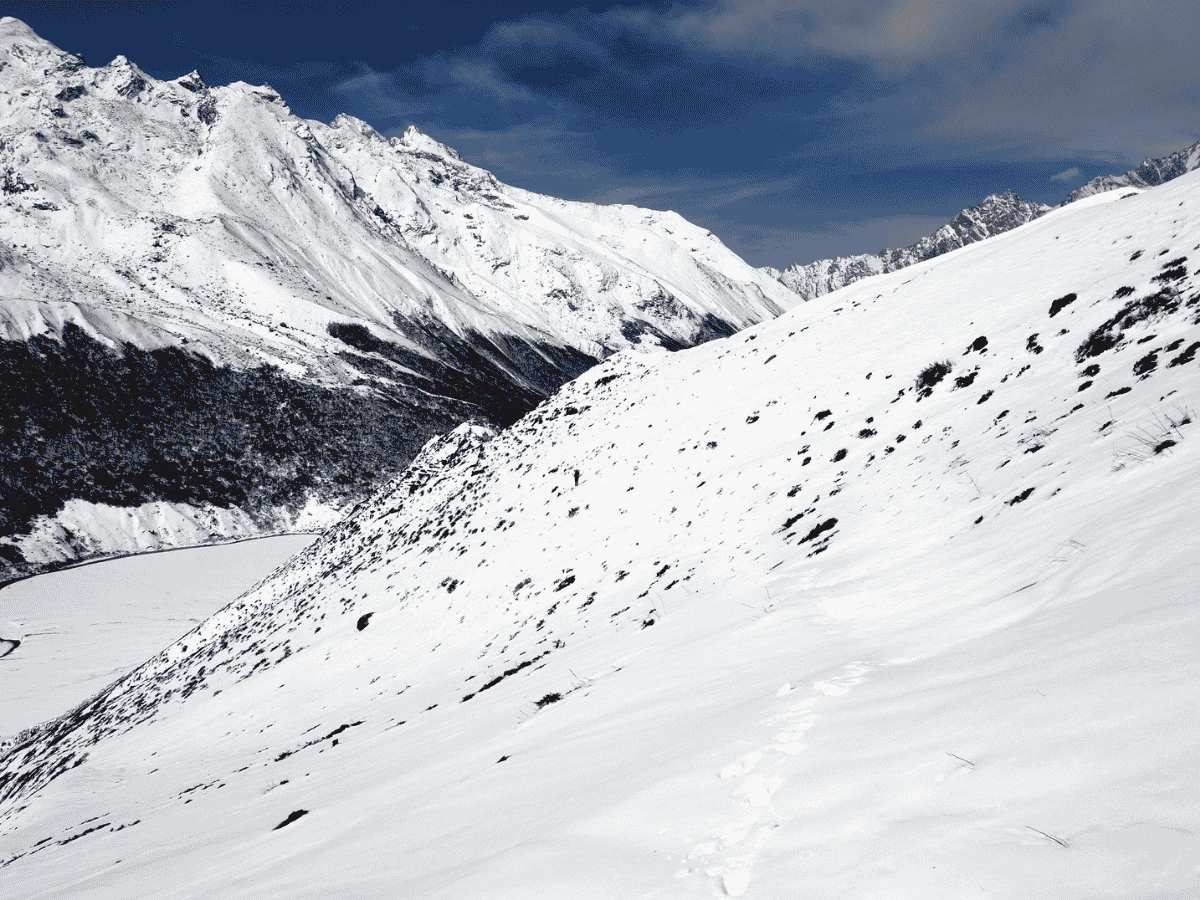
Leaving Langtang, you embark on a shorter, gentler trek toward Kyanjin Gompa. The trail winds up the valley floor with only a moderate elevation gain of ~440 m, which helps with acclimatisation. As you walk, you’ll pass many walls and chortens that reflect the region’s Tibetan Buddhist heritage.

After 4–5 hours, you arrive at Kyanjin Gompa (3,870 m), a picturesque village named after its ancient monastery. Overnight stay at Kyanjin Gompa.

  • Max Altitude:3870 meters
  • Accommodation:Teahouse
  • Time:4-5 Hours
  • Meals:Breakfast, Lunch, Dinner

To prepare for the upcoming climb, you spend Day 5 acclimatising at Kyanjin. A popular option is a morning hike up to Kyanjin Ri, a prominent hill (4,773 m) overlooking the valley. The ascent is steep and challenging, but the effort is rewarding. In about 3 hours, you reach the summit of Kyanjin Ri, which provides a breathtaking 360° panorama of the Langtang Himalayas.

This acclimatisation hike is vital for reducing altitude sickness risk, and it doubles as one of the most scenic highlights of the trek. Overnight, enjoy a hearty meal in the teahouse and an early sleep, as the climb to Yala Peak base camp begins tomorrow.

  • Max Altitude:4773 meters
  • Accommodation:Teahouse
  • Time:5-6 Hours
  • Meals:Breakfast, Lunch, Dinner

After breakfast in Kyanjin, you bid farewell to the comforts of teahouses and head towards Yala Peak Base Camp. The route branches off the main Langtang Valley, leading you through yak grazing grounds and rocky moraines toward the high alpine terrain of Yala Kharka.

It’s a steady 4–5 hour ascent to roughly 4,800 m, where the base camp is situated on an open meadow amid sparse vegetation. By early afternoon, you reach Yala Base Camp. After setting up camp, take time to rest and double-check your climbing gear.

  • Max Altitude:4800 meters
  • Accommodation:Teahouse
  • Time:5-6 Hours
  • Meals:Breakfast, Lunch, Dinner

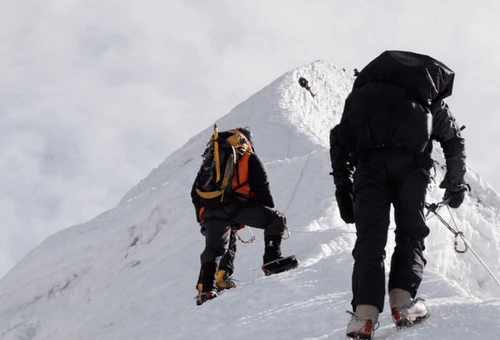
Summit day begins long before sunrise. Waking around 2:00–3:00 AM, you gear up with headlamps, crampons, and an ice axe for the final ascent. Though considered a non-technical climb, you will be roped up for safety on the glacier sections and may use fixed lines in steeper parts as needed.

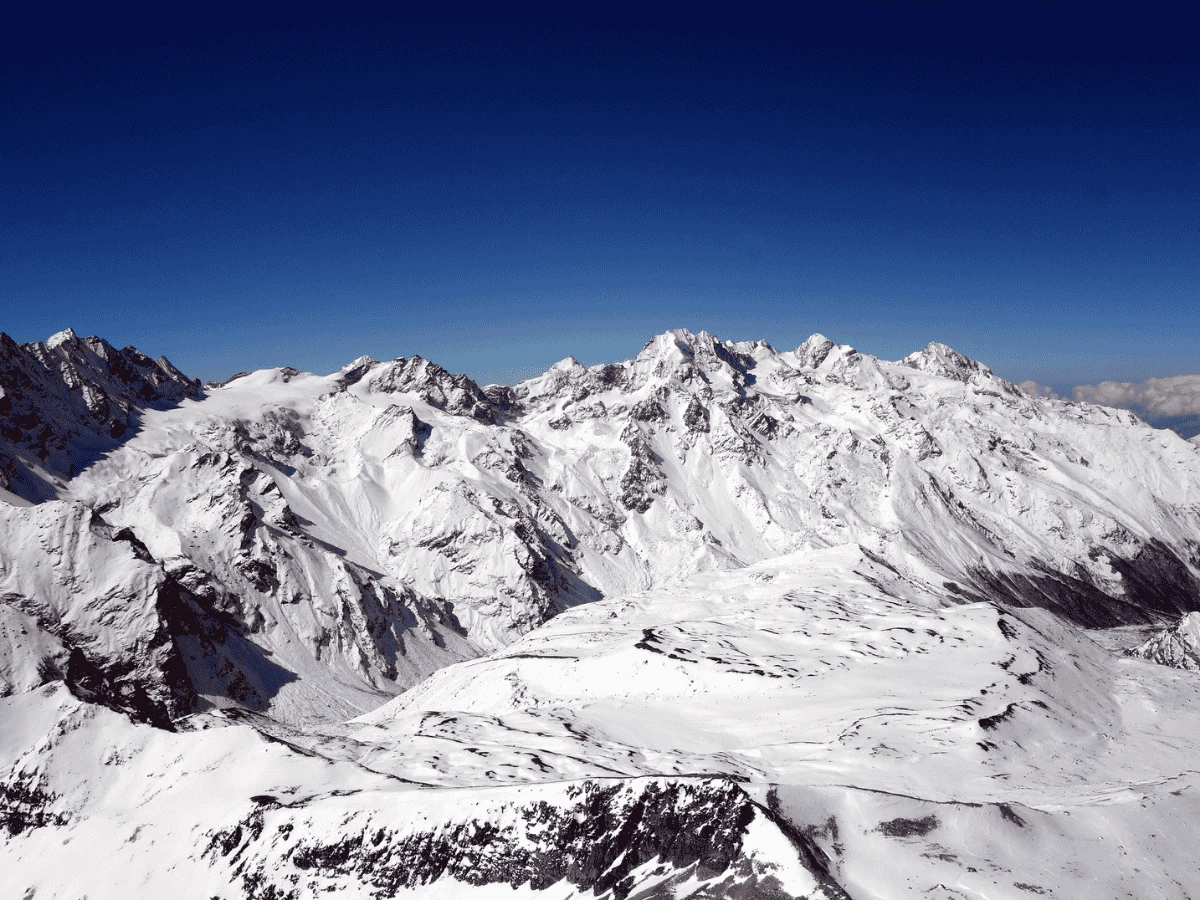
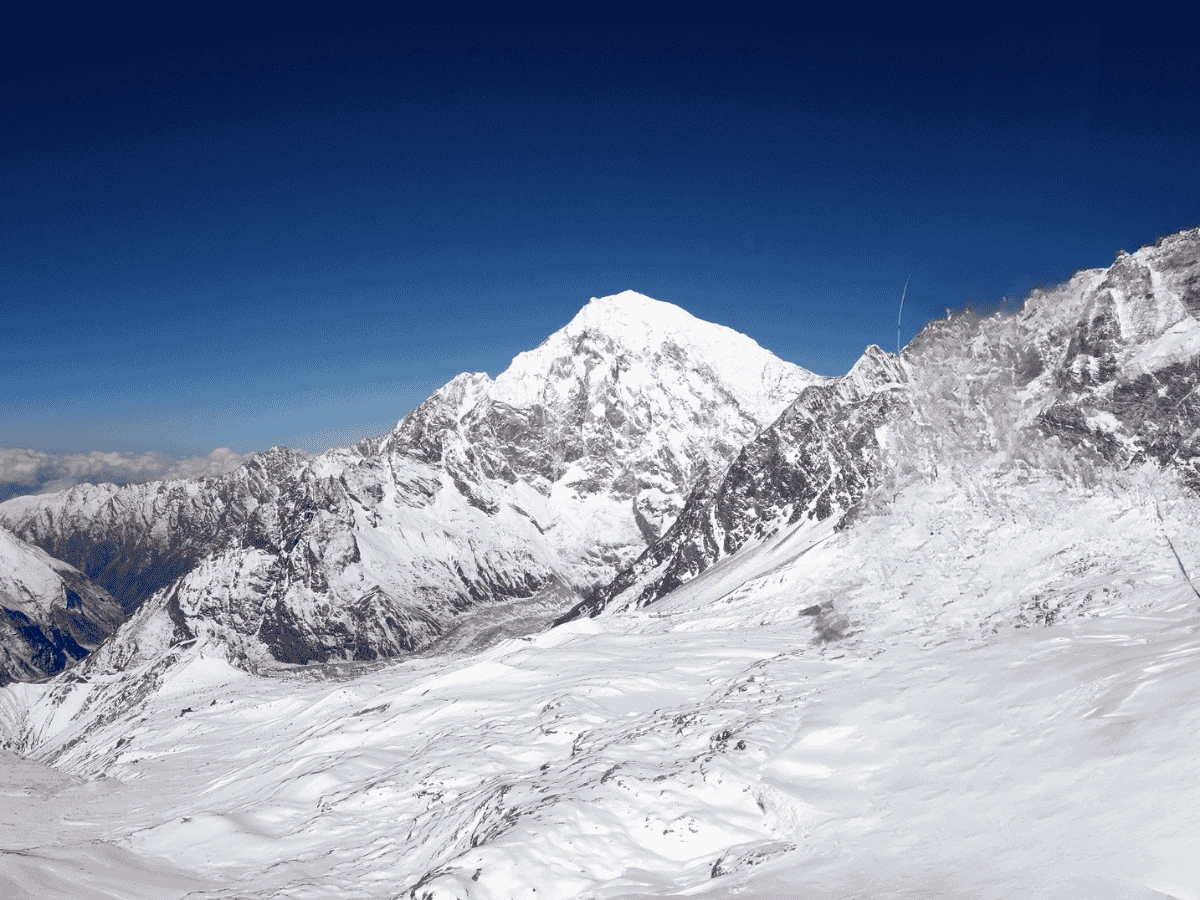
After several hours of ascent, you reach the summit of Yala Peak (5,520 m) in the early morning. Standing on this Himalayan summit is an exhilarating experience. On a clear day, you’re rewarded with stunning 360° views of the Himalayas like Shishapangma (8,013 m), Langtang Lirung (7,227 m), Dorje Lakpa, Ganchenpo, Manaslu and Ganesh Himal ranges

After the summit celebrations, you retrace your steps carefully down the mountain. You then continue descending from Base Camp to Langtang Village via Kyanjin Gompa. 

  • Max Altitude:5520 meters
  • Accommodation:Teahouse
  • Time:8-10 hours
  • Meals:Breakfast, Lunch, Dinner

After the big summit day, you’ll appreciate the easier oxygen levels as you continue trekking downhill. Leaving Langtang Village, you retrace your route down through Ghodatabela and into the dense forests of the lower valley. After about 7 hours of walking (including breaks), you arrive at Rimche for an Overnight stay.

  • Max Altitude:2450 meters
  • Accommodation:Teahouse
  • Time:7-8 Hours
  • Meals:Breakfast, Lunch, Dinner

Today you complete the Yala Peak Climbing with a final descent to Syabrubesi. The trail continues downhill all the way, following the river and crossing back over those familiar suspension bridges one last time. After 5–6 hours of hiking, the forest opens up, and you find yourself back at Syabrubesi (1,460 m), where the trek began.

  • Max Altitude:1460 meters
  • Accommodation:Teahouse
  • Time:5-6 hours
  • Meals:Breakfast, Lunch, Dinner

After breakfast, bid goodbye to the Langtang region and embark on the drive back to Kathmandu. Vehicles leave Syabrubesi in the morning for the 6–7 hour journey to the capital. By late afternoon, you arrive in the hustle and bustle of Kathmandu (approx. 1,350 m).

Transfer to your hotel and enjoy the comforts of the city. This concludes the Yala Peak climbing itinerary. Celebrate your accomplishment with a nice dinner in town – you deserve it! Safe travels and happy adventures ahead.Thank you for choosing Mountain Eco Trails for this Yala Peak Climbing

  • Max Altitude:1350 meters
  • Meals:Breakfast, Lunch, Dinner
  • Well-balanced itinerary designed for proper acclimatisation, scenic highlights, and a comfortable trekking pace
  • Fully flexible and customisable to suit your fitness level, interests, and schedule
  • Option to extend or shorten the trek based on available time
  • Adjustable daily walking hours, rest days, and difficulty level
  • Freedom to add side trips, cultural experiences, or scenic viewpoints
  • Can be tailored for photography, nature, culture, or spiritual focus
  • Contact us anytime to create a personalised trekking itinerary that fits your goals
Cost Includes
  • Kathmandu-Syabrubeshi-Kathmandu Public Bus Fare 
  • Langtang National Park Entry Permit 
  • Trekkers Information Management Permit Card 
  • Licensed Climbing Guide for 10 Days (2:1 ratio, assistant climbing guide if more than 2 pax)
  • Expenses of the guide, including his meals, accommodation, insurance, and Salary. 
  • Porter expenses for the climbing period, including his meals, salary, & insurance. 
  • Accommodation during the trek on a sharing basis. 
  • Meals during the trek: Breakfast, Lunch, Dinner 
  • Tent Camping expenses for the Base Camp. 
  • Rescue arrangement if needed 
  • First Aid Kit Carried by the guide 
  • Seasonal fruits every day after dinner
  • Complimentary duffel bag (if hire porter), trekking poles, SIM card, etc. 
  • Farewell Dinner at the end of the trip 
  • Government & Local Taxes 
Cost Excludes
  • Personal expenses during the trek, like a hot shower, wifi, extra meals, drinks, etc. 
  • Rescue evacuation cost 
  • Porter cost (if needed, USD 22 per day) 
  • Tips to guide and porter 
  • Extra Expenses if weather delays or early arrival from the trek 
  • Extra bank charges 3.5% if paid by the card 
Availability
  • Flexible departure dates for all trekking and tour packages
  • Customized schedules to match your travel plan
  • Private and group departures available
  • Seasonal advice for the best trekking conditions
  • Short-notice and last-minute departures possible
  • Share your preferred dates, and we’ll handle the rest
Select a Departure Month
Start DateEnd DatePriceStatus 
Start DateStarts: SundayFeb 08, 2026End DateEnds: TuesdayFeb 17, 2026PricePriceUS$999StatusStatusAvailable
Start DateStarts: SundayFeb 15, 2026End DateEnds: TuesdayFeb 24, 2026PricePriceUS$999StatusStatusAvailable
Start DateStarts: SundayFeb 22, 2026End DateEnds: TuesdayMar 03, 2026PricePriceUS$999StatusStatusAvailable
Good to Know

Best Time for Yala Peak Climbing

Choosing the best time for Yala Peak Climbing is crucial for a successful summit. The best seasons are spring (March–May) and autumn (September–November). During these months, weather conditions in Langtang are generally stable and dry, with clear skies that offer the best views from the summit.

In spring, temperatures are moderate, days are longer, and the trail is decorated with blooming rhododendrons.

Autumn (especially October and early November) brings crisp air, excellent visibility, and a festive atmosphere in Nepal (with Dashain/Tihar festivals) – it’s widely regarded as the best time to climb Yala Peak for predictable weather and scenery.

Plan your Yala Peak trip for spring or autumn. During these peak seasons, Mountain Eco Trails runs regular Yala Peak expeditions – contact us early to secure your spot in the ideal weather window.

How Difficult is the Yala Peak Climb from Kyanjin Gompa?

Despite Yala Peak’s height, the climb from Kyanjin Gompa is considered moderate in difficulty overall. In fact, Yala is rated a “Facile” (easy) trekking peak on alpine grading scales.

You do not need prior climbing experience to summit Yala Peak. It’s more like a high-altitude trek with some basic mountaineering.

The climbing route involves walking on a glacier and ascending a broad snow slope rather than vertical ice or rock. Climbers must adapt to the altitude and sometimes extreme weather conditions.

Most of the route is a steady climb over snow or scree. The final 30-40 meters to the summit are the steepest. Your guide will fix a rope or use an ice axe for safety. Even this section is short and manageable with support.

The main challenge of Yala Peak is the altitude and the long summit day. At 5,520 m, the air is thin – you’ll be breathing hard and moving slowly. Proper acclimatisation is key to avoiding altitude sickness.

(Feeling unsure about difficulty? Our guides at Mountain Eco Trails provide pre-climb training at base camp and will pace you properly. We have a >95% client success rate on Yala Peak!)

Gear List for Yala Peak Climbing in Langtang

Proper gear is essential for Yala Peak Climbing to stay warm, safe, and comfortable. Below is a gear list covering the important equipment and clothing you should have:

Climbing Equipment: Crampons, ice axe, climbing harness, helmet, and carabiners – these basic mountaineering items are required for glacier travel and the final ascent. (Ropes are usually provided by the guide. All technical gear can be rented in Kathmandu if you don’t own it.)

Trekking Gear: Layers, Down Jacket, Fleece Jacket, Trekking pants, Hiking Shorts, Neck warmer, Wollen Hat, Gloves, Trekking Poles, Day Backpack, Sleeping Bag, Trekking Boot, Wollen socks, etc.

Miscellaneous: High SPF sunscreen and SPF lip balm. Portable charger or spare camera batteries. Light snacks for quick calories on long hiking days. And of course, bring your important documents (passport, permits, travel insurance info), First Aid Kit, Toiletries, & Nepalese Currency.

Pro Tip: Mountain Eco Trails provides group climbing gear (ropes, ice screws, etc.) and a comprehensive briefing in Kathmandu to check you have all the necessary items.

Required Permits for the Yala Peak Climbing

Permits: Yala Peak climbing permits are straightforward. You do not need a special climbing permit for Yala Peak. However, two permits are mandatory for the region:

Langtang National Park Entry Permit: Costs approximately NPR 3,000 (USD $25–30) for foreign visitors.

TIMS Card: The Trekkers’ Information Management System card (about NPR 2,000) is required for all trekkers in Nepal.

Mountain Eco Trails will obtain these on your behalf before departure. We will also handle any local permissions or checkpoints.

Safety Measures during the Yala Peak Climbing

Safety Measures: Climbing at high altitude demands careful preparation. Here are key safety measures we enforce on our Yala Peak Climbing trips:

  • Experienced Guides: We strongly recommend climbing with a licensed guide.
  • Acclimatisation Plan: Our itinerary is designed for safe acclimatisation, including gradual ascent and a rest day at Kyanjin Gompa.
  • Proper Gear & Clothing: Having the right gear is critical for safety.
  • Weather Awareness: Mountain weather can be unpredictable. We schedule the summit attempt in a favourable weather window.
  • Health & Insurance: Before the trek, ensure you have travel insurance covering high-altitude trekking/climbing and helicopter evacuation.
  • Environmental Safety: We are an eco-conscious company – “Leave No Trace” principles are followed.

By following these safety measures, you’ll be set for a successful and enjoyable Yala Peak climb. Mountain Eco Trails takes care of the paperwork and has a rigorous safety protocol, so you’re in good hands from start to finish.

Meals and Accommodation during the 10 Day Yala Peak Climbing

Meals and Accommodation during the Yala Peak climbing are included in the package.

Meal Items along the climbing:

Breakfast: Oatmeal, Egg items, Porridge, Muesli, Pancakes, Potato dishes, Tibetan Breads, & hot drinks.

Lunch & Dinner: Nepali Daal Bhat, Burger, Pizza, Plain Rice, Vegetable curry, Fried rice, Spring Roll, Thukpa, Noodles, Macaroni, Pasta, and more.

Accommodation place to stay:

  • Basic Teahouses with twin beds sharing
  • Simple facilities, hot shower & Wifi with extra cost
  • Shared Bathroom & Toilets (in most of the teahouses)
  • Tent camping at the Yala Peak Base Camp

Your guide from Mountain Eco Trails will help you in arranging the meals and pre-book the accommodation for a smooth & hassle-free climbing experience.

How to Book The Yala Peak Climbing?

To book the Yala Peak Climbing in Nepal, you can simply contact us via email or WhatsApp us at +9779849790153. 

We can customise the trip according to your requirements and give you the pre-trip briefing online. Once you meet your requirements, you can give us confirmation by paying the 20% deposit of the total cost via bank transfer. The rest of the payment you can do once you arrive here.

Get more information regarding the Nepal travel

FAQs
  • Yes. Yala Peak is one of Nepal’s most beginner-friendly trekking peaks. It has a non-technical route and moderate height (5,520 m), so first-time climbers with good fitness can summit with the help of a guide. Many novices successfully climb Yala Peak as their first Himalayan mountain.

  • No. You do not need prior technical climbing experience to climb Yala Peak. Basic trekking experience and endurance are enough.

  • You must have a Langtang National Park permit and a TIMS card before starting the trek. No special peak climbing permit is needed for Yala Peak.

  • The standard trip is 10 days round-trip from Kathmandu. That includes 2 travel days, 6 days trekking (up and down), and 2 days for the summit push (base camp and summit day).

  • The best time is in spring (March–May) or autumn (Sept–Nov) when weather and trail conditions are optimal. These seasons offer stable weather, clear mountain views, and safer climbing. Monsoon summer is too rainy/slippery, and winter is extremely cold (with deep snow), so those are less ideal unless you’re very experienced.

  • Yes, a licensed climbing guide is required for the Yala Peak Climbing. Yala’s trail and glacier can be confusing, especially if covered in snow. A guide ensures you stay on route, helps with gear (rope, crampons), monitors your health, and acts fast in emergencies.

  • Yala Peak is considered one of the easier climbing peaks in Nepal. It’s less technical than popular peaks like Island Peak or Lobuche Peak Climbing.

  • You’ll need standard mountaineering gear: sturdy boots, crampons, an ice axe, a harness, a helmet, and warm layered clothing. A -15°C sleeping bag is important for cold nights. Trekking poles, a headlamp, sunglasses, and gloves are also essential. Don’t worry if you don’t own everything – you can rent or buy gear in Kathmandu. Our team also provides group equipment like ropes and tents.

  • Yes, altitude sickness on Yala Peak Climb can be a concern. You ascend from 1,500 m to over 5,500 m, so acclimatisation is crucial. Our 10 Day Yala Peak Climbing itinerary includes rest and acclimatisation days to mitigate this.

  • From Yala’s summit, you get 360° Himalayan views. You’ll see the entire Langtang range up close – including Langtang Lirung (7,227 m) and Dorje Lakpa (6,966 m) – and other peaks like Ganesh Himal to the west. Notably, you can glimpse Shishapangma (8,013 m) in Tibet, the closest 8000m peak.

SimilarTrips
You may also like
Did not find what you are looking for? No worries!

Let us help you plan your perfect holiday.