

ABC Trek from Pokhara - 5 Days

The ABC Trek from Pokhara offers a short, scenic, and efficient route to Annapurna Base Camp, ideal for trekkers with limited time. Starting from Pokhara cuts travel hassle, lowers costs, and allows a complete Himalayan experience in just 5–7 days. With diverse landscapes, stunning mountain views, and accessible logistics, it's one of Nepal’s best-value treks. Guided options from Pokhara ensure safety, comfort, and cultural insight throughout the journey.

  • DestinationNepal
  • Duration5 Days
  • Difficulty Level Moderate
  • Max. Altitude4130 meters
  • Starts/EndsPokhara/Pokhara
  • Trip StyleTrekking
  • Group SizeMin. 1 Pax.
  • Best SeasonSpring and Autumn
Highlights
  • Short and Best ABC Trek itinerary for those who have limited time to explore the Annapurna Base Camp. 
  • Perfect 5-Day ABC Trek from Pokhara for experienced trekkers. 
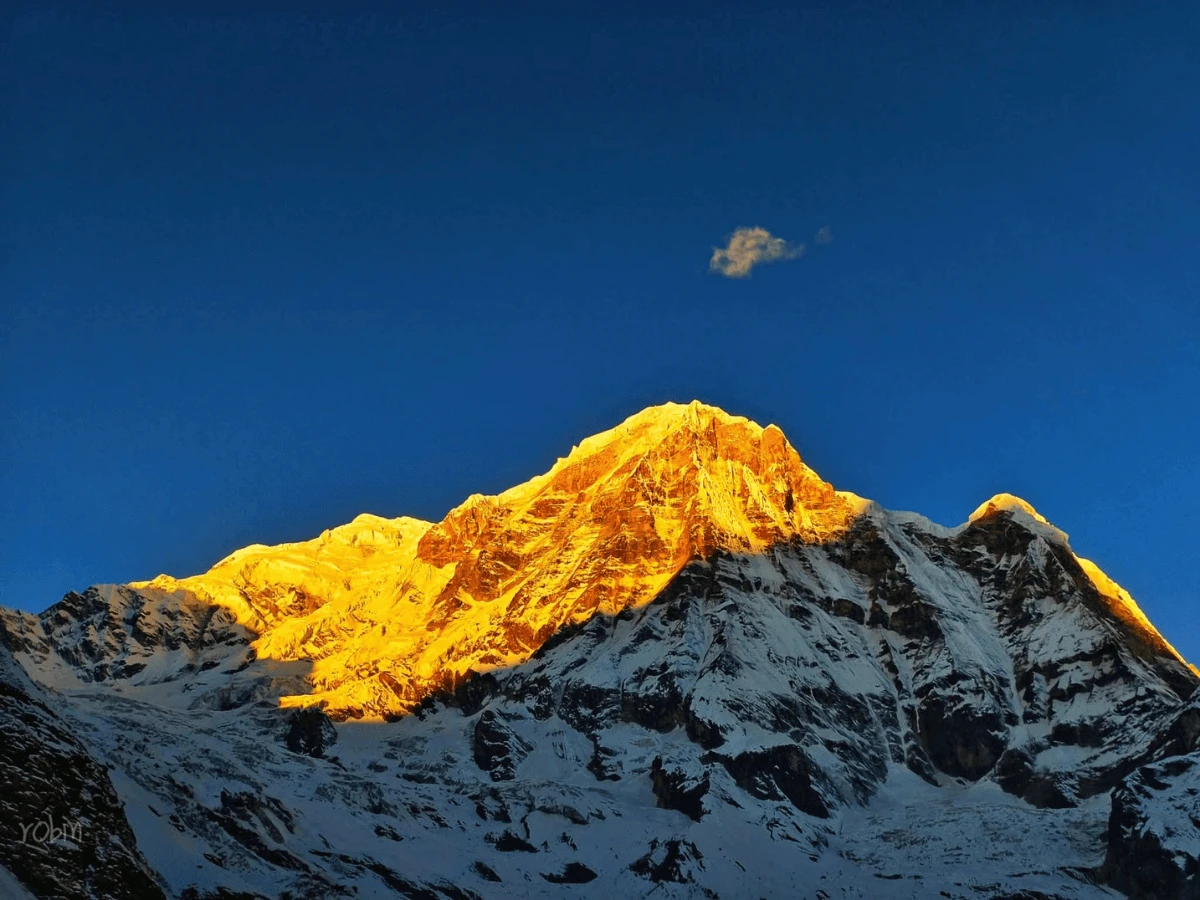
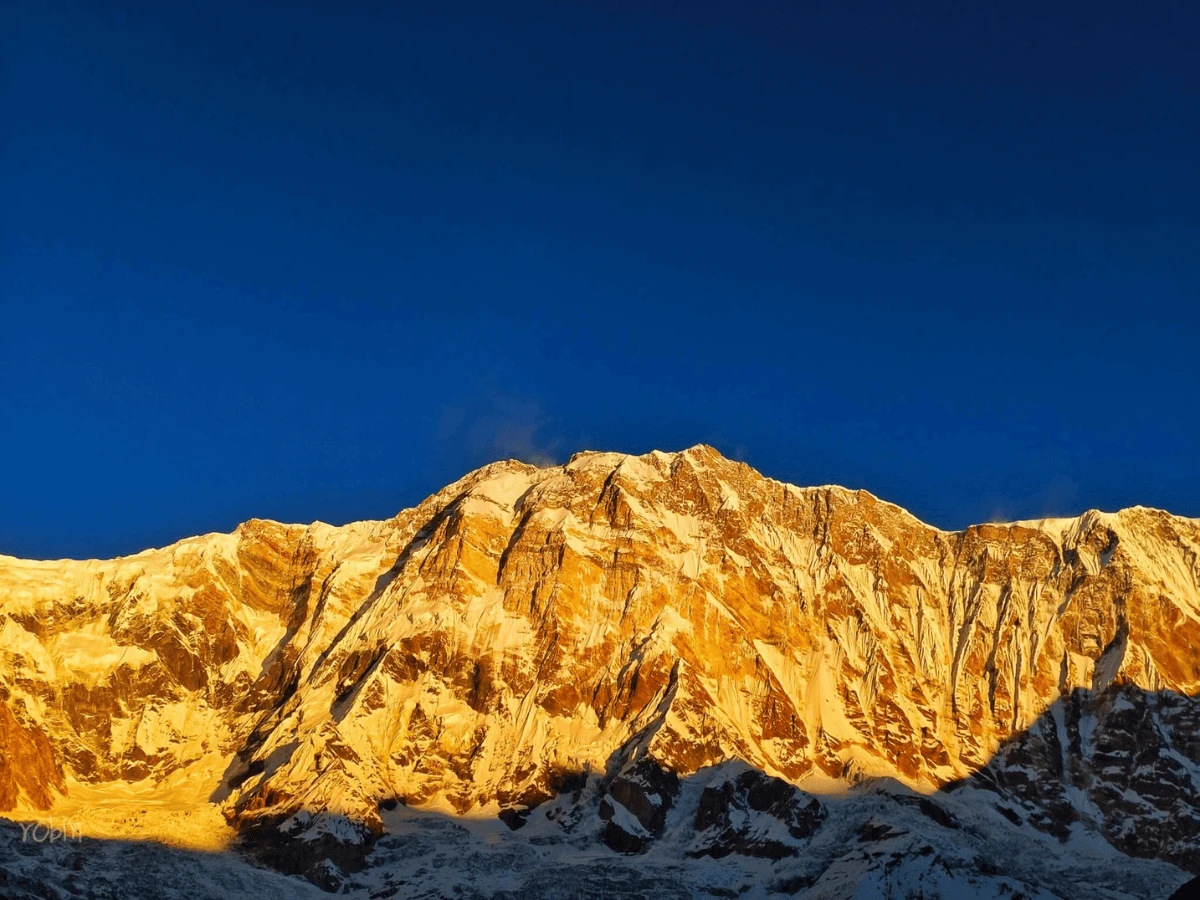
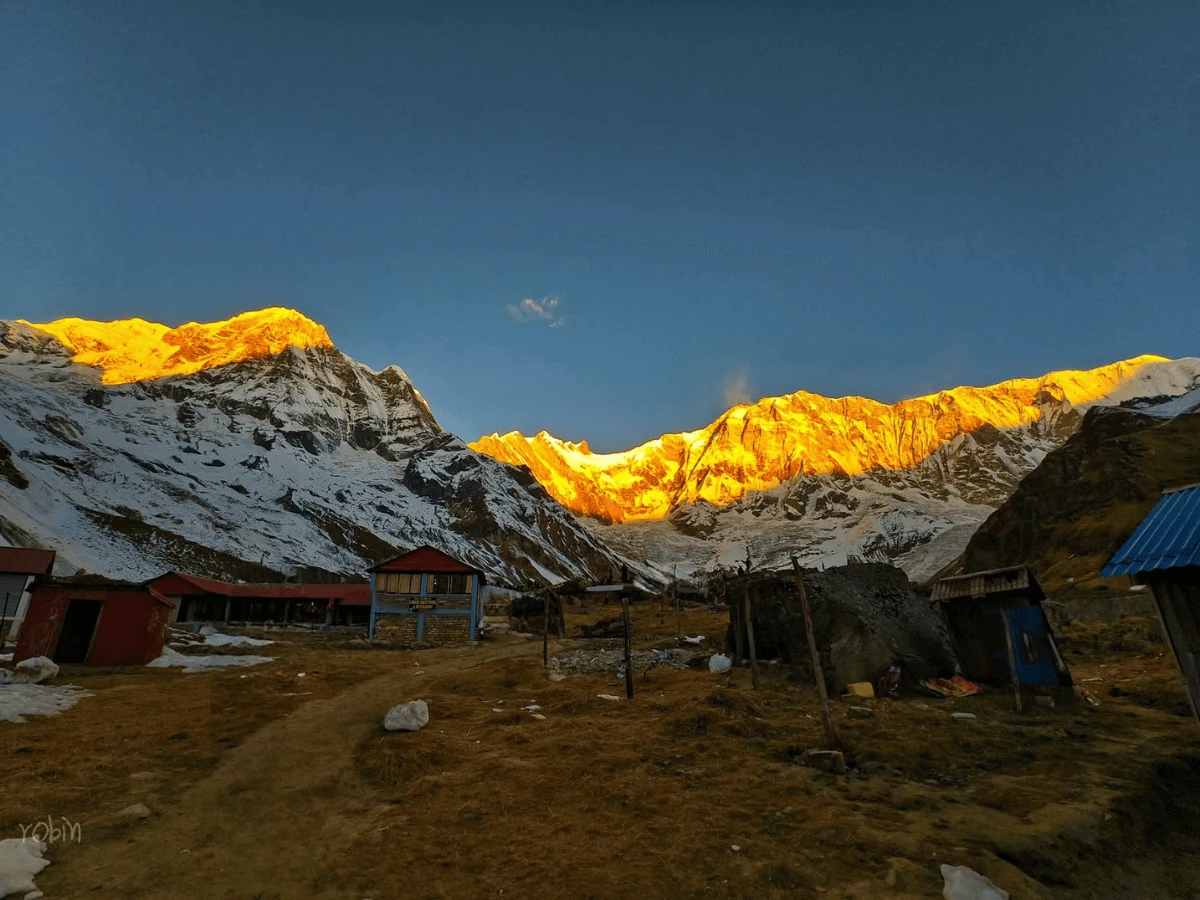
  • Morning Sunrise view above Annapurna Range, Macchapuchre, Gangapurna, Nilgiri, Hiunchuli, etc. 
  • Local experiences while staying inside the teahouse of ABC Trek. 
  • Thrilling Suspension bridges and an off-road drive venture. 
  • Achievement of reaching the base camp of Annapuna I in 5 Days. 

The ABC trek from Pokhara is a short yet spectacular trekking adventure in Nepal’s Annapurna region. Starting from Pokhara – Nepal’s lakeside city at the foot of the Himalayas – this trek leads you deep into the Annapurna Sanctuary, culminating at the base camp of Mount Annapurna I (4,130 m).

Despite just a 5-day trek from Pokhara to ABC, it offers the same stunning mountain views and rich cultural experiences. Trekkers will journey through lush rhododendron forests, charming Gurung and Magar villages, and ever-changing landscapes of Annapurna.

This ABC Trek Package Pokhara is ideal for travellers already in Pokhara who seek a 5 to 7-day adventure into the heart of the Himalayas. The trek is of moderate difficulty, suitable to beginners with good fitness, and is guided by experienced locals for a safe, memorable experience. In short, the ABC trek from Pokhara lets you achieve an iconic Himalayan trek in a shorter time frame, making it a top choice for 2026/2027 travellers with limited time.

Why do the ABC Trek from Pokhara?

Choosing to do the ABC trek starting from Pokhara comes with several advantages.

The route from Pokhara is shorter and more convenient, perfect for trekkers on a tight schedule or those looking for a short ABC trek from Pokhara without missing the highlights.

Second, Pokhara’s lower elevation at 850m provides an ideal jumping-off point, and many trekkers acclimate with short hikes around Pokhara before heading to higher altitudes.

Additionally, Pokhara to ABC trek itineraries often omit lengthy bus rides or domestic flights, reducing complexity and cost. By beginning in Pokhara, you also get to enjoy this relaxing city and recover by the beautiful Phewa Lake after the trek.

In summary, ABC Trek from Pokhara is popular because it is efficient, cost-effective, and still delivers the full Base Camp experience, panoramic mountain views, diverse landscapes, and cultural encounters – in a shorter timeframe.

Do you know, ABC Trek from Pokhara can be combined with Mardi Himal Trek from Pokhara. 

ABC Trek from Pokhara 5-Day Itinerary with Distance and Elevation

From Pokhara to ABC, it covers roughly 81 km in total distance, combining both driving and trekking. About 40–45 km of this is a road trip from Pokhara to the starting point, and the remaining trekking distance is approximately 37 km each way from the trail start to Annapurna Base Camp.

Trekkers typically hike a round-trip distance of 70–75 km on foot over the course of the trek. The elevation gain is significant: Pokhara sits at 820 m, while ABC is at 4,130 m – a net altitude gain of around 3,300 m, not including the additional ups and downs along the trail. To better illustrate the daily distance and altitude changes, see the sample 5-day itinerary profile below:

Day

Route (Pokhara → ABC Trek)

Distance (approx)

Elevation Gain/Loss

Day 1

Drive Pokhara to Siwai; Trek to Sinuwa (2,340 m)

8 km trek

+900 m gain

Day 2

Sinuwa to Deurali (3,230 m)

12 km

+890 m gain

Day 3

Deurali to Annapurna Base Camp (4,130 m) via MBC

10 km

+900 m gain

Day 4

ABC back down to Bamboo (2,310 m)

14 km

-1,800 m loss

Day 5

Bamboo to Jhinu (1,530 m); Drive to Pokhara

7 km trek

-1,500 m loss

Distances and altitude changes are approximate, based on a 5-day ABC trek itinerary (jeep to Siwai/Jhinu as starting point). The total trekking distance is around 51 km one-way (including Base Camp and return route variations), with cumulative elevation gain of +2,700 m over the ascent days.

Note: If you want to choose a relaxed version of this Trek, then you can choose the 10-Day Annapurna Base Camp Trek.

Annapurna Base Camp Trek Costs from Pokhara 2026,2027

Trekking to ABC from Pokhara involves several cost components. Below is a simple cost breakdown for the ABC trek from Pokhara as of 2026:

Expense

Approx. Cost (USD)

ACAP Permit – per person

$25 (NPR 3,000)

Trekking Guide – licensed; per day

$30 per day

Porter – per day (can carry 20–25 kg)

$20 per day

Teahouse Accommodation – per night, per person

$5 – $10

Meals on Trek (breakfast, lunch, dinner) – per day

$25 – $35

Transportation (Pokhara to trek start/end by road)

$20 – $40 (shared vehicle)
$100 (private jeep)

Miscellaneous (drinking water, snacks, hot showers, Wi-Fi, charging, tips)

~$5 – $15 per day

A typical all-inclusive Annapurna Base Camp package from Pokhara (5–7 days) may cost around $600–$900 per person, which covers permits, guide, porter, meals, lodging, and round-trip transport (cost varies by group size and services). Overall, compared to treks in other regions, the ABC trek from Pokhara costs quite reasonably, especially given the unforgettable experience it delivers.

Booking Process for ABC Trek from Pokhara

Are you planning to do this thrilling 5-Day ABC Trek from Pokhara and create memories of a lifetime? Contact us with Mountain Eco Trails today! Send us an inquiry or book now to secure your spot for the upcoming trekking season.

Our friendly team will help you with all preparations – from permits to gear checklists and any questions you have. We can also customise the itinerary to fit your schedule or interests. Book with confidence – with Mountain Eco Trails, you’re not just buying a trek package, you’re joining a family that looks out for you from the moment you arrive in Nepal. Feel free to contact us via email or WhatsApp us at +9779849790153.

Why Book this 5 Day ABC Trek with Mountain Eco Trails?

Choosing the right trekking company can make a huge difference in your experience. Mountain Eco Trails specialises in Annapurna and other Nepal treks, providing a balance of safety, professionalism, and local expertise. Here are a few reasons to trek with Mountain Eco Trails:

  • Experienced crew members and official team. 
  • Flexible and customised ABC Trek Itinerary with personalised service. 
  • Complimentary Services like Duffel Bag, Trekking Poles, SIM Card, and an hour trekker's massage 
  • First Aid Kit with basic medication. 
  • Hassle-free last-minute booking and trip arrangements. 
  • Competitive and Fair price that matches the services and has no hidden costs. 
  • Special Discount for a group of trekkers of more than 5 Pax. 

With Mountain Eco Trails, you trek with a trusted local company that prioritises your experience, safety, and the environment. We strive to turn your ABC journey into an incredible memory you’ll cherish for life.

Itinerary

Your Guide from Mountain Eco Trails will be at your hotel in a private vehicle to drive you to Jhinu Danda from Pokhara. You will get to see the first glimpse of Mt. Fishtail and Annapurna during the drive. A 2-3-hour drive will take you to Jhinu Danda, then trek upward through the terraced hills of Chommrong Village and to Sinuwa (2,340 m). This is a 4–5 hour trek through lush green hills, ending with an overnight in a teahouse at Sinuwa.

  • Max Altitude:2340 meters
  • Accommodation:Teahouse
  • Time:4-5 hours
  • Meals:Breakfast, Lunch, Dinner

Wake up early in the morning, around 6 and take your breakfast at Sinuwa. Today you will climb uphill through the Upper Sinuwa. Next, walk through the gentle trail of the forests until Bamboo and Dovan pass through dense rhododendron and bamboo forests. It’s a long ascent of about 10–12 km (6–7 hours), and you’ll notice the air getting cooler and thinner. By late afternoon, reach Deurali, a small settlement in the Modi Khola valley, and rest for the night.

  • Max Altitude:3220 meters
  • Accommodation:Teahouse
  • Time:6-7 Hours
  • Meals:Breakfast, Lunch, Dinner

On this day, you’ll climb past Machhapuchhre Base Camp (MBC, 3,700 m) and enter the alpine sanctuary. From Deurali, the valley opens up, and you will get views of Macchapuchre and other peaks. Arrive at Macchapuchre Base Camp in 3-4 hours and take lunch here. After a steady 2-3 hour hike, you arrive at ABC, surrounded by a 360° panorama of towering peaks – Annapurna I, Machhapuchhre (Fishtail), Hiunchuli, and others. Enjoy a stunning sunset on the Annapurna range and overnight at ABC’s teahouse.

  • Max Altitude:4130 meters
  • Accommodation:Teahouse
  • Time:6-7 Hours
  • Meals:Breakfast, Lunch, Dinner

Wake up to an unforgettable sunrise at Base Camp. The sunrise over the Annapurna I, Nilgiri, Gangapurna, Hiunchuli, Annapurna South, and many others are treat to watch. This is the main highlight of this ABC Trek from Pokhara.

Now, after stunning views of the sunrise above the peaks, take breakfast and get ready to retrace the same trail. You will trek down past MBC, Deurali, and Himalaya, losing elevation quickly. Many itineraries descend as far as Bamboo (around 2,310 m) or Sinuwa this day for the night, which is a 6–7 hour downhill trek. The dramatic landscapes seen on the way up now unfold in reverse, and your knees get a workout on the descent.

  • Max Altitude:2310 meters
  • Accommodation:Teahouse
  • Time:6-7 Hours
  • Meals:Breakfast, Lunch, Dinner

Enjoy the last breakfast of the Annapurna Sanctuary and begin the day with a downhill. The trail through the forest and via Sinuwa and Chommrong is about 4 hours, mostly downhill. At Jhinu, you can relax in the natural hot springs by the Modi Khola – a perfect reward for your legs! Afterwards, a jeep will pick you up near Jhinu (Siwai) for the drive back to Pokhara, reaching the city by late afternoon. Celebration dinner by Phewa Lake in Pokhara in the evening.

    The outlined itinerary has been thoughtfully crafted to offer a balanced and rewarding trekking experience, ensuring proper acclimatisation, scenic highlights, and a comfortable walking pace for most trekkers. However, we understand that every traveller has unique preferences, fitness levels, and schedules. To make your journey truly personalised, we offer complete flexibility in customising your itinerary. Adjustments can be made in the following areas:

    • Duration: Extend or shorten the trek based on your available time.
    • Pace & Difficulty: Modify daily distances and rest days to match your comfort and acclimatisation needs.
    • Route Options: Include side trips, cultural detours, or scenic viewpoints for a richer experience.
    • Accommodation: Choose from simple tea houses to more comfortable lodges where available.
    • Personal Interests: Tailor your trek to focus on photography, nature, culture, or spiritual exploration.

    Note: This 5-day itinerary is fast-paced and recommended for fit and experienced trekkers. Many hikers prefer a 6–7 day itinerary from Pokhara to allow more acclimatisation and shorter days.

    If you’d like to modify this plan or create a custom itinerary, please reach out to us. Our team will be delighted to design a journey that perfectly fits your expectations and travel goals.

    Cost Includes
    • Annapurna Conservation Area Project Permit Card 
    • Pokhara-Jhinu Danda-Pokhara Sharing Jeep cost 
    • Trekking Guide cost for the ABC Trek, 5 Days. 
    • Expenses of the guide, including his salary, meals, accommodation, and insurance. 
    • Meals during the Trek (Breakfast, Lunch, Dinner) 
    • Accommodation during the trek on a sharing basis 
    • Fresh fruits every day after dinner as a dessert.
    • Complimentary trekking poles, duffel bag (if porter), and SIM Card
    • First Aid Kit carried by the Guide 
    • Rescue Arrangements if needed. 
    • Government and Local Taxes. 
    Cost Excludes
    • Travel insurance and rescue operation, and medical costs. 
    • Personal expenses during the trek, like hot drinks, extra meals, snacks, wifi, hot shower, etc. 
    • Porter for the trek. ( USD 22 per day)
    • Tips for the guide and porter. 
    • Extra Days' expenses in the trek if the climate or weather changes. 
    • Additional Payment fee 3.75% if paid by the card. 
    Availability

    At Mountain Eco Trails, we understand that every traveler has unique schedules and preferences. That’s why we offer flexible departure dates for all our trekking and tour packages. Whether you’re a solo traveller, a couple, or a group, we can customize your trekking departure date to best fit your itinerary.

    • Customized Departures for Your Convenience
    • Tailor-made departure dates: You are not limited to fixed schedules; we arrange treks based on your preferred dates.
    • Private & group treks available: Join an existing group or plan a private trek at your convenience.
    • Seasonal recommendations: We can suggest the best departure dates based on weather, trekking conditions, and your availability.
    • Short-notice departures: Need a last-minute trek? We’ll do our best to accommodate your request.

    Feel free to contact us with your preferred dates, and we’ll craft the perfect trekking experience for you!

    Select a Departure Month
    Start DateEnd DatePriceStatus 
    Start DateStarts: SundayDec 14, 2025End DateEnds: ThursdayDec 18, 2025PricePriceUS$470StatusStatusAvailable
    Start DateStarts: SundayDec 21, 2025End DateEnds: ThursdayDec 25, 2025PricePriceUS$470StatusStatusAvailable
    Start DateStarts: SundayDec 28, 2025End DateEnds: ThursdayJan 01, 2026PricePriceUS$470StatusStatusAvailable
    Good to Know

    Best Time to Do the ABC Trek from Pokhara

    The best time for an Annapurna Base Camp trek from Pokhara is during Nepal’s spring and autumn trekking seasons.

    Autumn (October–November) is often considered ideal: the monsoon rains have cleared the air, resulting in crystal-clear skies and stable, mild weather. During October and early November, you’ll enjoy superb mountain views almost every day, and the temperatures are comfortable (warm days, crisp nights). This period also coincides with the festive season in Nepal, adding cultural vibrancy (e.g. Dashain and Tihar festivals).

    Spring (March–May) is the next best season. In spring, the weather warms up after winter, trails become snow-free at higher elevations, and rhododendron forests burst into bloom, painting the hillsides red and pink. Spring offers longer daylight hours and generally stable weather, although late spring can start getting cloudy or hazy in the afternoons.

    Can I get a Permit Card from Pokhara to do the ABC Trek?

    Yes. You can obtain the necessary trekking permits in Pokhara before starting the ABC trek. The main permit required is the Annapurna Conservation Area Permit (ACAP), which costs NPR 3,000 (about $25) per person for foreign nationals.

    In Pokhara, the ACAP permit is available at the Nepal Tourism Board (NTB) office located in Damside. Mountain Eco Trails will often arrange the permit for you in advance once you book the trip with us. . There is also an ACAP checkpoint at the trail entry (e.g. Birethanti/Nayapul) where your permit is checked and can be bought in a pinch – but buying on the trail may incur a fine or extra fee, so it’s wise to get it in Pokhara.

    Packing List for the ABC Trek from Pokhara

    Packing properly is crucial for a comfortable Pokhara to ABC trek. You’ll want to pack light yet include all essentials for both warm days and cold nights in the mountains. Here’s a breakdown of key items to bring:

    Clothing and Footwear

    • Thermal Tops and Bottoms
    • Quick Dry T-shirts (Full and Half Sleeve)
    • Fleece Jacket and Down Jacket
    • Trekking Pants and Hiking Shorts
    • Warm trousers while staying in the Teahouse
    • Undergarments and Socks
    • Wollen Hat and Gloves
    • Quality Hiking Shoes

    Trekking Gear:

    • Backpack of 60-70 Litres
    • Sleeping Bag of -10°C
    • Trekking poles and water bottle
    • Sunglasses and headlamps.

    Extra Gear:

    • Personal First Aid Kit
    • Toiletries
    • Extra Nepali Cash
    • Passports and Permits
    • Camera, Battery Charger, and Power Bank

    Overall, aim to pack around 10–12 kg per person (not including water) if you have a porter, or even less if carrying all yourself. Many items like sleeping bags or down jackets can be rented in Pokhara if you don’t own them. By packing smart – focusing on layered clothing, essential gear, and leaving non-essentials – you’ll be prepared for the ABC trek’s wide range of conditions from warm lowlands to snowy alpine heights.

    Hiring a Guide and Porter for the ABC Trek in Pokhara

    Hiring a guide (and/or porter) for the ABC trek is highly recommended – and as of recent regulations, essentially required – for trekkers in Nepal. The good news is that we have a licensed trekking guide and porter in Pokhara as well.

    Hiring through a reputable agency like Mountain Eco Trails ensures you get an experienced, English-speaking guide who is properly trained, insured, and registered. Having a guide greatly enhances your trek’s safety and enjoyment. A guide will handle all the logistics – obtaining permits, securing nightly teahouse accommodation, and navigating the trail. Essentially, our good guide lets you trek worry-free and focus on the experience.

    Porters are available for hire in Pokhara as well. A porter carries your heavy backpack/duffel, typically up to 20–25 kg, so that you only need to carry a light daypack. If your group has heavy gear or you want to trek without a big load, hiring a porter is a huge help. Many trekkers going as a pair will hire one porter for two people, splitting the cost and keeping the load reasonable. In 2025/2026, the typical rates are about $30 per day for a guide and $20 per day for a porter.

    Accommodation and Teahouses on the ABC Trek Route

    Accommodation on the ABC trek is in teahouses, which are small mountain lodges run by local families. The good news is that the ABC Trek route has a well-developed teahouse – you will find a place to eat and sleep in every major village. The teahouses on this route are generally basic but comfortable enough after a long day’s hike.

    A typical teahouse room is a simple twin-share room with two single beds with a mattress, pillow, and blanket. Walls are thin, and insulation is minimal. Bathrooms are often shared and basic; at lower elevations, some teahouses have Western flush toilets or squat toilets on each floor, but at higher elevations, expect simple squat toilets.

    Hot showers are a luxury – in the lower villages like Chhomrong or Jhinu, there may be gas or solar-heated showers available for a fee, but as you go higher, “hot shower” might mean a bucket of warm water.

    Accommodation on the ABC trek from Pokhara is in simple teahouses that provide basic shelter, a bed, and home-cooked meals. They may not be luxurious, but they offer a warm welcome and a window into local life. Every evening, you can rest and recover in a teahouse, enjoying the hospitality of Nepali hosts.

    Food and Water Facilities on the Annapurna Trek

    Along the trail, every teahouse offers a surprisingly extensive menu of meals and drinks for trekkers. The menu is fairly standardised across the Annapurna region, with a mix of Nepali traditional foods and international favourites.

    Breakfast: Breakfast offerings include porridge, muesli, pancakes, toast with eggs, chapati, and sometimes Tibetan bread with honey. You can start your day with tea or coffee, or hot ginger-lemon-honey

    Lunch and Dinner: Besides dal bhat, you can find noodle dishes (fried noodles, noodle soup, ramen soup), fried rice, momos (Nepalese dumplings), soups (vegetable, garlic soup – which is believed to help with acclimatization – tomato, etc.), and even things like pasta, chowmein, spring rolls, and pizza on some menus.

    Regarding water: Staying hydrated is extremely important at altitude, and you should be drinking 3–4 liters per day on the ABC trek. However, you need to be careful with water sources. Do not drink unfiltered water from taps or streams on the trek, as it can contain bacteria and cause serious illness. Here are your options for safe drinking water:

    In summary, food on the ABC trek is plentiful and designed for trekkers’ tastes, and while it may become a bit repetitive, it definitely keeps you nourished for the journey. Try the local items (dal bhat, momos, garlic soup) for a cultural experience. For water, be vigilant: always treat or buy boiled water.

    Altitude Sickness Prevention Tips for the ABC Trek

    Trekking to Annapurna Base Camp will take you above 4,000 meters, which is high enough to pose a risk of Acute Mountain Sickness (AMS) for some people. Altitude sickness can affect anyone, regardless of fitness or age, if you ascend too quickly. Here are important tips to prevent altitude sickness on the ABC trek:

    • Follow a sensible ABC Trek itinerary that allows your body to acclimatise.
    • Drink at least 3–4 litres of fluids per day at altitude. Dehydration can worsen AMS symptoms.
    • Your body needs energy to acclimatise. Eat plenty of calories, especially from carbs which are more easily metabolised at altitude.
    • Pay attention to how you feel. Early symptoms of AMS include headache, loss of appetite, nausea, dizziness, trouble sleeping, or fatigue.
    • Some trekkers use Diamox (acetazolamide) as a preventive measure. Diamox helps your body acclimatise faster by inducing a slight metabolic change.

    In terms of preparation, being in good physical shape helps reduce fatigue, which can sometimes overlap with AMS symptoms. However, fitness is not immunity – even very fit people can get AMS. Everyone should acclimatise properly.

    By following these guidelines – gradual ascent, hydration, nutrition, rest, and caution – most trekkers handle the altitude on the ABC trek well.

    Get more info regarding:

    FAQs
    • Starting from the trailhead near Pokhara (e.g. Nayapul or Siwai), the trekking distance to Annapurna Base Camp is roughly 37 km one-way, so about 70–75 km round-trip via the same route.

    • The ABC trek is considered moderate in difficulty. The trails are well-established, but you will be trekking 6–7 hours a day with significant altitude gain. The maximum elevation is 4,130 m at Base Camp, which requires acclimatisation. Generally, anyone with a reasonable fitness level and some hiking experience can do it.

    • As of 2023, Nepal has a regulation that requires foreign trekkers to hire a guide (or porter) for treks in national parks and conservation areas, which includes the Annapurna Base Camp trek. So, yes, you do need a guide or at least a porter for the ABC Trek from Pokhara. Beyond the rules, it’s highly recommended for your safety and convenience.

    • You need an Annapurna Conservation Area Permit (ACAP) to trek to Annapurna Base Camp. This permit costs NPR 3,000 (approximately $25) per person for foreigners. It is easily obtained in Pokhara (at the Nepal Tourism Board office) or in Kathmandu, and we can also arrange it for you.

      (Note: If the itinerary included the Ghorepani Poon Hill Trek, it’s the same permit covering the whole Annapurna Conservation Area, but the date needs to be extended.)

    • The best time for the ABC trek is autumn (Oct–Nov) and spring (Mar–May). In October and November, after the monsoon, the weather in Annapurna is generally dry and clear, offering outstanding views of the mountains almost every day. Temperatures are moderate (cold at Base Camp at night, but mild days in lower altitudes), and the trail conditions are ideal.

      Spring (March, April, May) is the next best season – the weather is a bit warmer; you get to see blooming rhododendron forests in March/April, and views are also quite good, especially in early spring. By late May, it starts to get hazier as pre-monsoon clouds build up, but it’s still a popular time.

    • The cost can vary widely depending on whether you go independently or with a tour package, and your personal spending. Broadly, an independent trekker hiring a guide/porter and paying for their own food and accommodation on the way might spend around $500–$700 for a 5-7 day trek.

    SimilarTrips
    You may also like
    Did not find what you are looking for? No worries!

    Let us help you plan your perfect holiday.