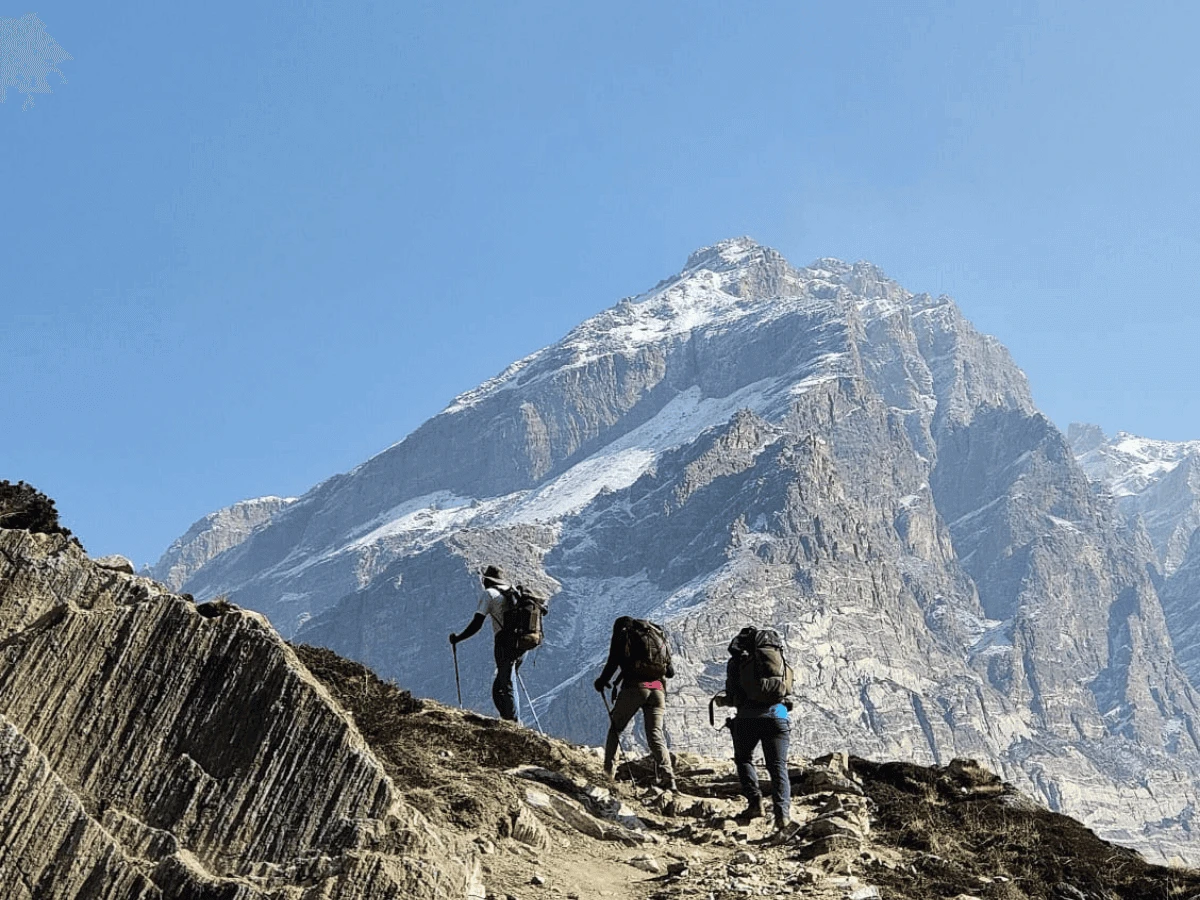
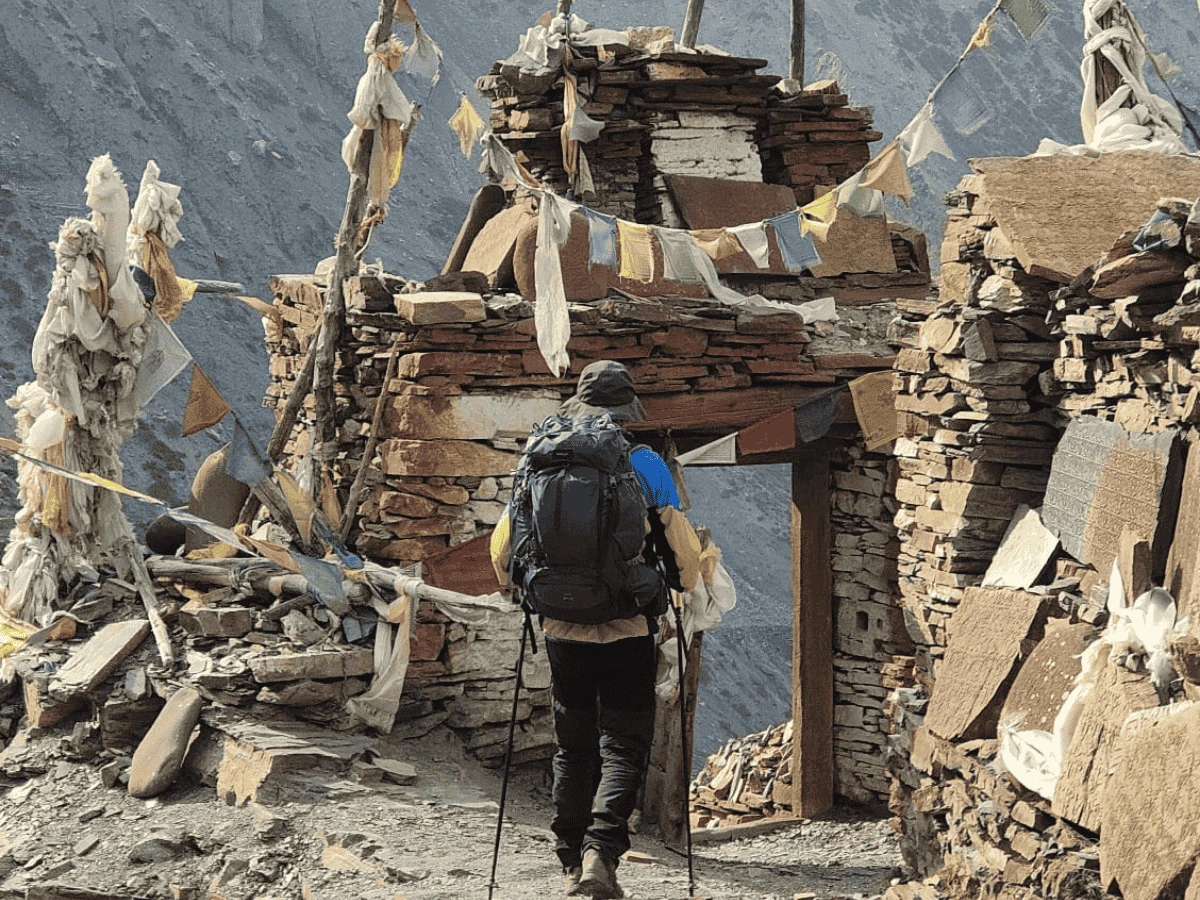


Nar Phu Valley Trek - 10 Days

tripadvisor rating1 Reviews
google rating20 Reviews

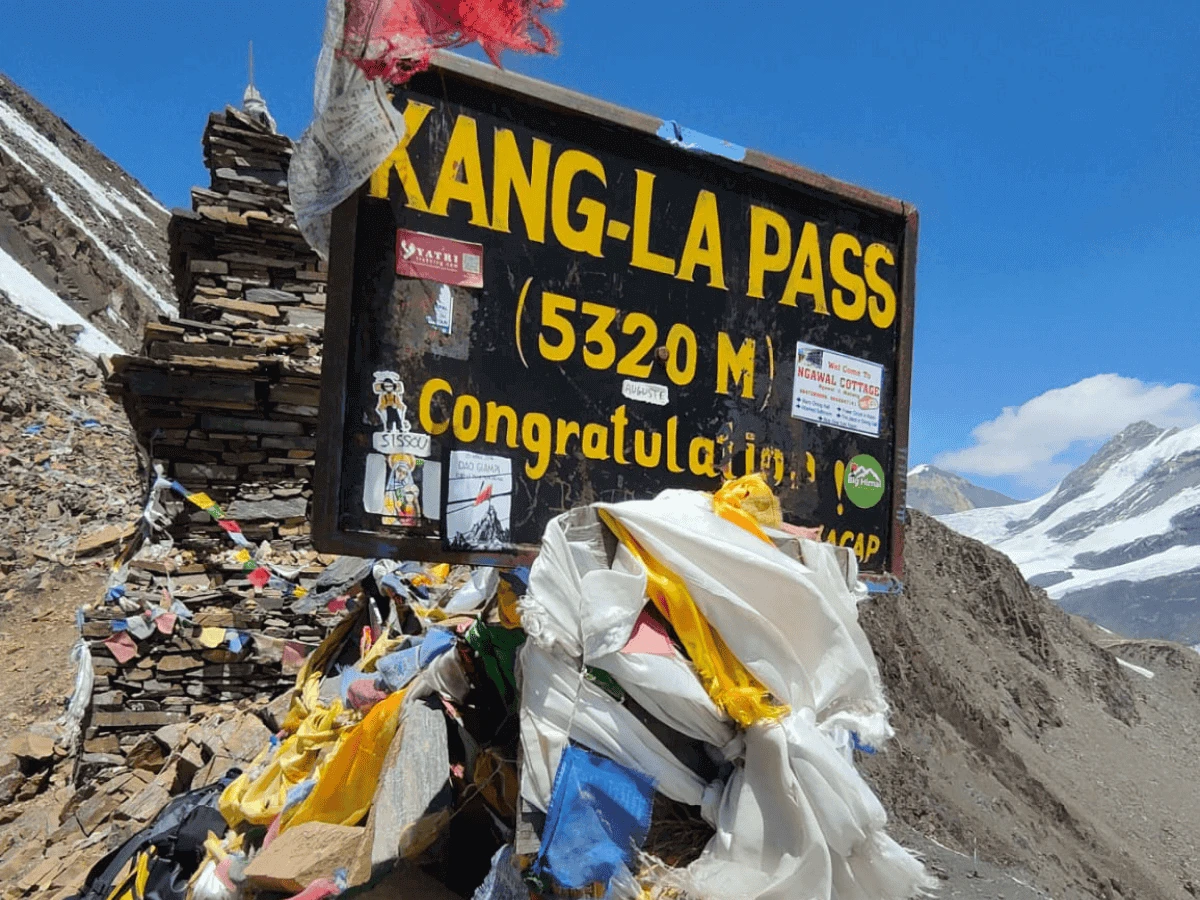
The Nar Phu Valley Trek is a high-altitude trekking route in Nepal's Annapurna region that leads into two of the country's last restricted valleys: Nar and Phu. Both villages sit in Manang district, close to the Tibetan border, and were only opened to foreign trekkers in the early 2003. The Nar Phu Valley Trek is graded moderate to strenuous in difficulty. It involves 5 to 9 hours of walking a day, several nights above 4,000 m, and a demanding crossing of Kang La Pass (5,320 m).

  • DestinationNepal
  • Duration10 Days
  • Difficulty Level Challenging
  • Max. Altitude5320 meters
  • Starts/EndsKoto/Chame
  • Trip Distance75-80 KM
  • Trip StyleTrekking
  • Group SizeMin 1 Pax.
  • Best SeasonSpring and Autumn

The Nar Phu Valley Trek is a restricted, remote trek through the hidden valley of the Annapurna Region. To trek to Nar Phu Valley, you will need a special restricted permit and a licensed trekking guide through a local trekking company in Nepal.

The Nar Phu Valley Trek was opened only in 2003 and remains one of the less crowded and more remote trekking areas of Nepal. It takes around 10 to 14 days to complete the Nar Phu Valley Trek.

The trek to Nar Phu Valley starts from Koto and reaches the high altitude of 5320 metres at Kang La Pass. It is a combination of two Tibetan villages, Nar and Phu.

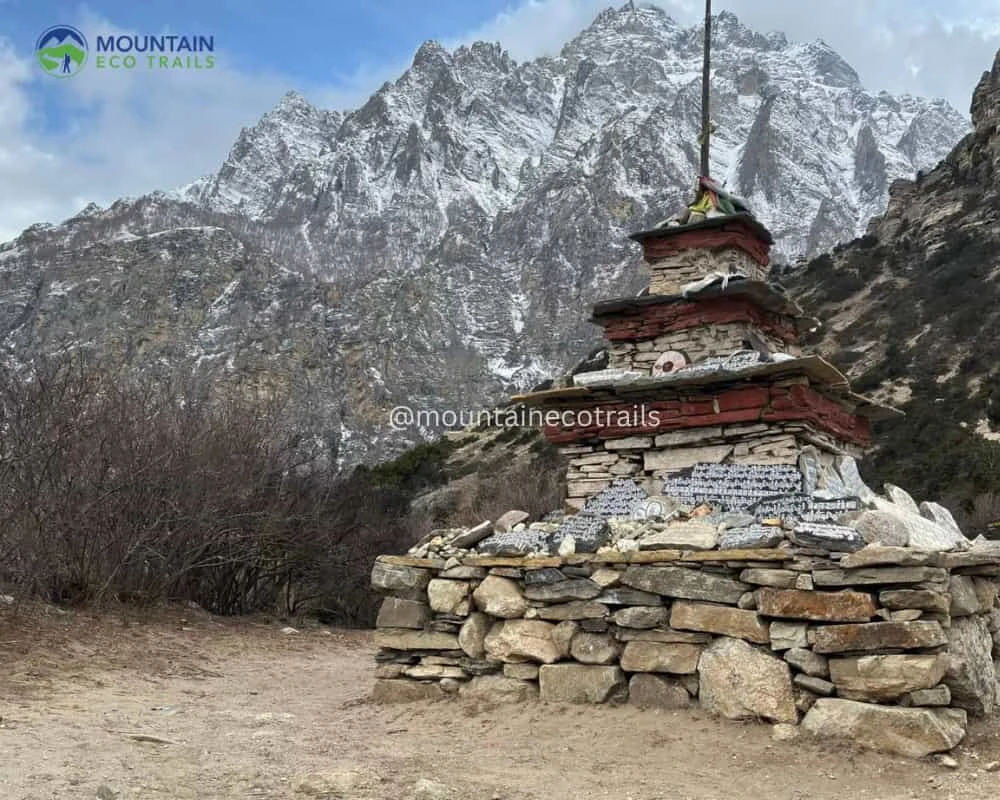
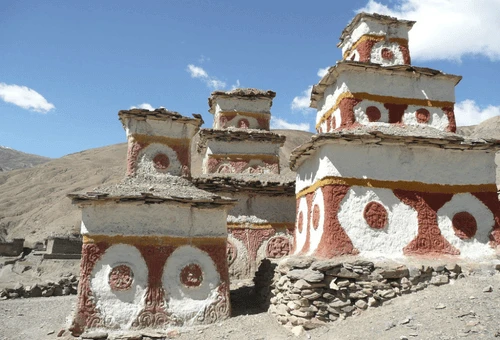
Nar Village is perched at 4110 metres (13484 ft), whereas Phu Village is located at 4080 metres (13386 ft). Both villages are strongly influenced by Tibetan culture, with traditional stone houses, Buddhism, and old monasteries.

Highlights of Nar Phu Valley Trek. What will you experience in Nar Phu Valley?

  • Walk through the Tibetan-influenced villages of Nar & Phu.
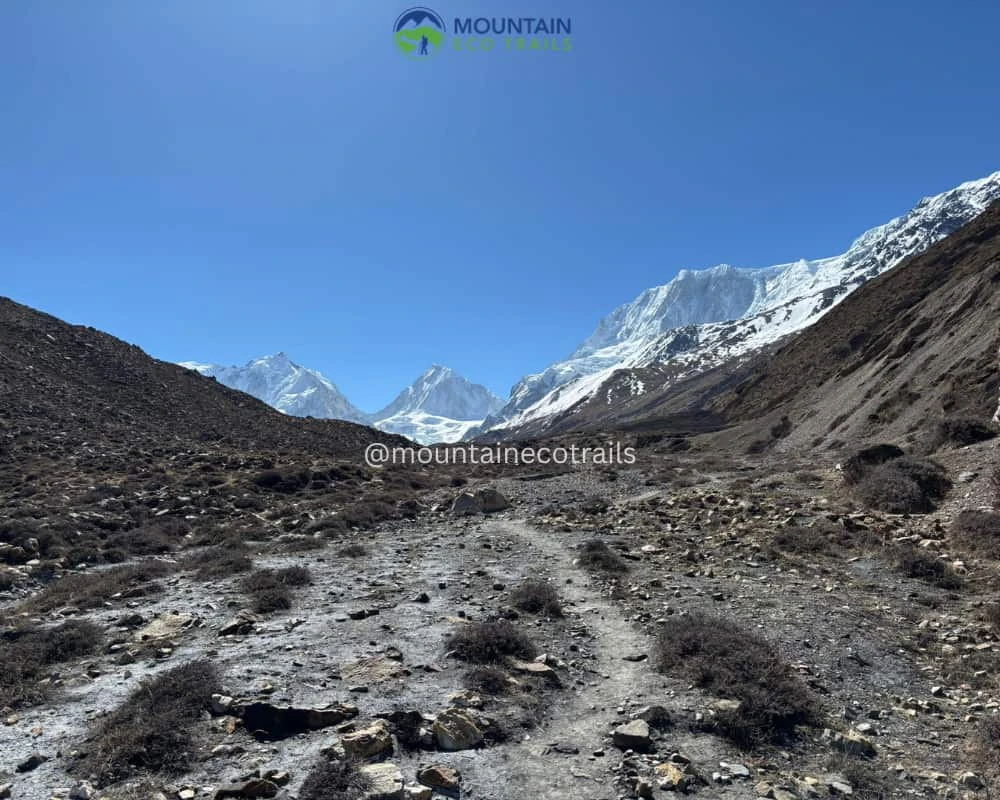
  • Trek through the hidden valley of Annapurna, witness the magical Annapurna Range, Manaslu, & Dhaulagiri.
  • Visit old monasteries, Gompa, & chorten to discover the Tibetan Buddhism & its significance.
  • Surreal views of diverse landscapes from a distance.
  • Cross one of the highest passes of Nepal, 5320 meters, for a sense of achievement.

Is the Nar Phu Valley Trek Right for You?

Not all trekkers can do the Nar Phu Valley Trek easily. Nar Phu Valley Trek is right for you if you are looking for a solitary trek, remote areas, and want cultural depth without the crowds of Nepal’s busiest trails. Our 10-Day Nar Phu Valley Trek is designed for those who are experienced at high altitude and can walk 6-7 hours in a day.

This 10-Day Nar Phu Valley Trek is not suitable for complete beginners. You will trek for several hours through the isolated villages with basic facilities.

Why Choose the Nar Phu Valley Trek?

The Nar Phu Valley Trek route leaves the Annapurna Circuit at Koto, from where the journey begins. Nar and Phu are inhabited villages with stone architecture, cultivated land and active Buddhist traditions—not decorative “lost villages.” As the trek goes on, you will start to feel more cultural depth. As you pass several monasteries and Gompas, witness the lifestyle of monks & locals. All the monasteries are decorated with prayer flags & smell of burning incense.

Nar Phu Trek becomes more thrilling once you begin to cross the Kang La Pass. You will cross a pass above 5000 meters within 5-6 days of trekking. This is an incredible achievement for any adventure lover.

Another reason to choose the Nar Phu is its dramatic landscapes, canyons, glaciers, & Yak Pastures.

Choosing Nar Phu Valley Trek as your next venture is always worth it. The trek allows you to get closer to the Tibetan Lifestyle, culture, and experience the authentic Himalayas.

Do you know, after completing the Nar Phu Trek at Ngawal, you can continue towards the Annapurna Circuit Trek if your itinerary is flexible?

Who can do the Nar Phu Trek in Nepal?

  • Seasoned trekkers who want to experience the less-crowded trek in Nepal.
  • Travellers looking to discover Tibetan Buddhism and the remote Himalayas of Nepal.
  • Even photographers can do this trek to capture the hidden valleys of Nepal.
  • Trekkers who have already explored the commercialised treks like ABC, EBC, or Annapurna Circuit & want to experience something untouched trails.

Explore the Isolated and Remote Himalayan Villages of Nar Phu

The trek to Nar Phu leads you through isolated settlements and alpine pastures. Starting from the Annapurna Circuit trailhead in Koto, you gradually leave behind the pine forests and typical Annapurna villages. The trail climbs across cascading waterfalls and river gorges into the high Trans-Himalayan zone.

  • Meta and Chyamje: After leaving Koto (2,600 m), you hike through terraced farms and small villages like Meta (3,560 m). 
  • Phu Gaon (Phu Village): Arriving at Phu (4,080 m), you enter the highest green valley. Phu has a small guesthouse cluster around a meadow, with stone cottages and a sacred gompa.
  • Nar Phedi to Nar Village: Leaving Phu, the trail drops steeply to Nar Phedi (3,490 m) and then climbs up to Nar Village (4,110 m). Nar is perched on a ridge with spectacular views down to the Marsyangdi River gorge and back toward Phu. 
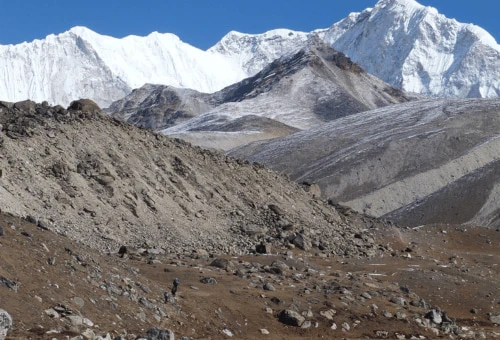
  • Trans-Himalayan Plateau: Beyond Nar, the landscape opens to a wide, high valley. The trail to Kang La Pass (5,320 m) crosses a cold, windswept plateau with yak herders’ tented camps. This is classic Trans-Himalayan terrain: yellow grasslands, sky-blue lakes, and stark, snow-clad peaks.

Nar Phu Trek Itinerary

The standard Nar Phu Valley Trek itinerary runs 10 days from Kathmandu and back, covering roughly 75–80 km of walking plus the drive to and from the trailhead. Two rest days are built in for acclimatisation: one full day in Phu, and a shorter, low-effort day at Nar Phedi before the Kang La crossing

Day

Route

Max Altitude

Walking Time

1

Drive Kathmandu → Koto

2,600 m

10–12 hrs (drive)

2

Trek Koto → Meta

3,560 m

7–8 hrs

3

Trek Meta → Phu Village

4,080 m

7–8 hrs

4

Acclimatization day in Phu

4,080 m (up to 4,600 m on side hikes)

5–6 hrs (optional)

5

Trek Phu → Nar Phedi

3,490 m

5–6 hrs

6

Trek Nar Phedi → Nar Village

4,110 m

4–5 hrs

7

Trek Nar → Kang La Pass → Ngawal

5,320 m

8–9 hrs

8

Trek Ngawal → Pisang

2,900 m

5–6 hrs

9

Trek Pisang → Chame, drive to Besisahar

730 m

7–8 hrs

10

Drive Besisahar → Kathmandu

850 m

7–8 hrs

Nar Phu Valley Trek cost 2026,2027

The Nar Phu Valley Trek cost starts from USD 950 for the single trekker, USD 799 for 2-3 Trekkers & USD 750 for more than 3 trekkers in a group. The total cost of a Nar Phu Valley Trek varies depending on factors like group size, season, and services. Mountain Eco Trails offers competitive all-inclusive packages (trekking permits, guides, lodges, meals, transportation, etc.) tailored to your needs.

Cost Component

Est. Cost in USD

Restricted Permit Cost for Nar Phu Trek

$ 75-100

Annapurna Conservation Area Permit

$ 25

Trekking Guide for Nar Phu Valley

$320-350

Meals & Accommodation

$350-400

Transportation

$80-100

Govt. Taxes and VAT (13%)

$100-120

Average Nar Phu Valley Trek Package cost

$699-950

Taking all factors together, a full-service 10-day Nar Phu trek with Mountain Eco Trails typically runs in the range of USD 699 in a group of more than 8 pax and USD 950 for a solo trekker. Whatever your budget, we tailor the itinerary; for example, our Short Nar Phu 10-day package is ideal for groups with limited time

Didn't find the service you are looking for? Do not hesitate to contact our local expert via email or WhatsApp us at +9779849790153. Our local expert will response you 24/7. 
Itinerary

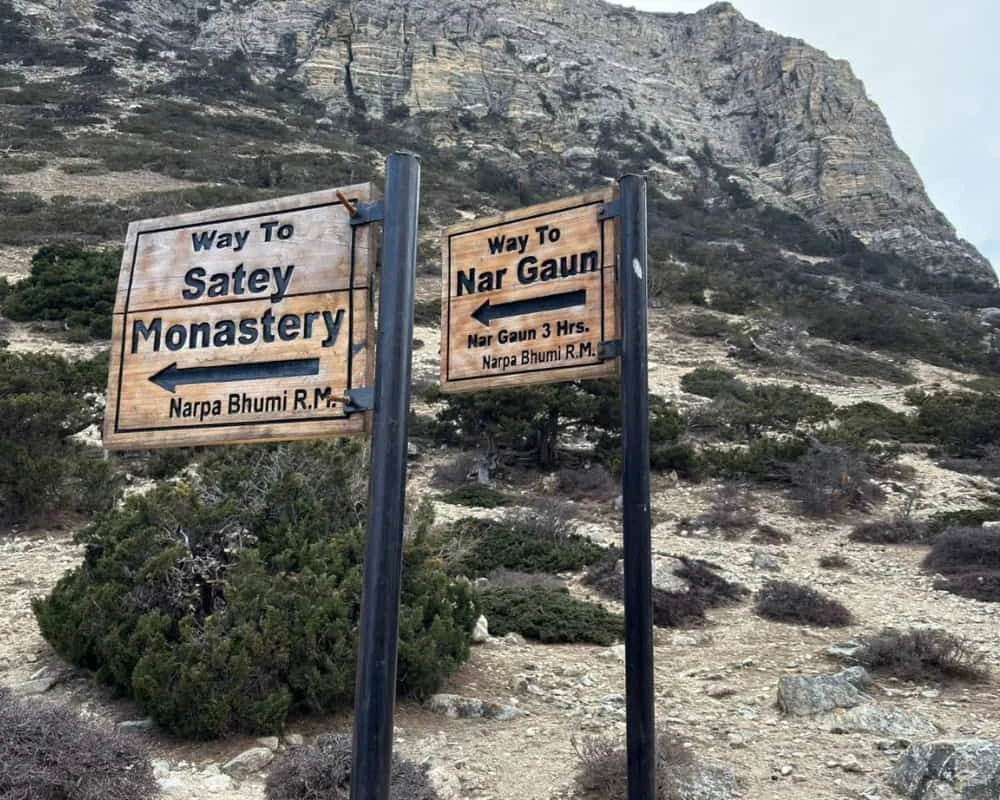
Our Guide from Mountain Eco Trails will pick you up from your hotel and take you to the bus station. It will start early from Kathmandu. Travel by local bus along the Prithvi Highway to Besisahar (176 km, 6 hrs). Switch to a 4WD jeep for the jeep road through Marsyangdi Valley (Chyamche, Dharapani) up to Koto. The road ends at Koto (2,600 m), a small village on the Annapurna Circuit. Tonight’s altitude (2,600 m) helps begin acclimatization.

  • Max Altitude:2600 meters
  • Accommodation:Teahouse
  • Time:10 Hours
  • Meals:Lunch and Dinner

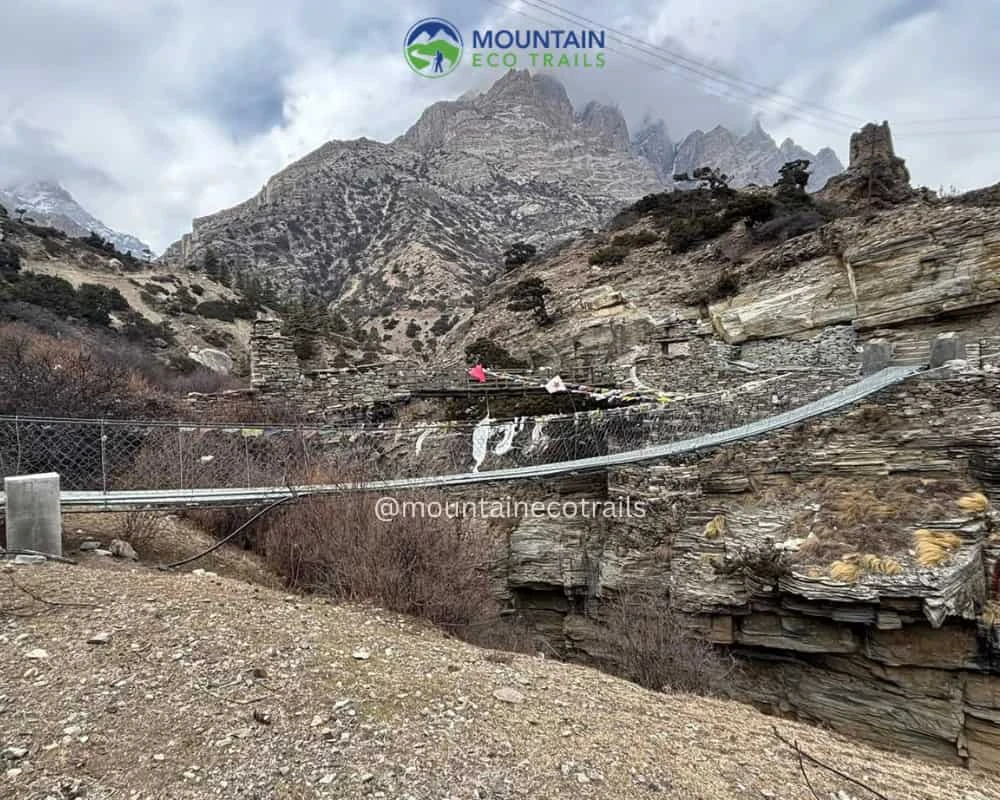
After breakfast, start trekking north. The trail first descends gently to cross the Marsyangdi River on a suspension bridge, then follows a cliff path upstream. You’ll pass by the villages of Timing and Syarkhyo, with Himalayan views on either side. There are several river crossings (bridges) and a hot spring along the way. The final climb to Meta (3,560 m) gains significant altitude, so go at a steady pace. Meta is a small high pasture settlement where you spend the night.

  • Max Altitude:3560 meters
  • Accommodation:Teahouse
  • Time:7-8 Hours
  • Meals:Breakfast, Lunch, Dinner

Today, the trail climbs steadily into the high valley. Enjoy spectacular views of Annapurna II and Lamjung Himal fading behind you as you ascend. After crossing a large suspension bridge, the path flattens briefly at Chayku (lunch spot). Then follow a cliff-hugging trail up through sparse rhododendron woods. The final approach to Phu Gaon (Village) passes a steep rocky slope. You enter the green Phu valley, reaching the rustic tea lodges of Phu (4,080 m). This is your first night above 4,000 m. Overnight in Phu village (basic lodges).

  • Max Altitude:4080 meters
  • Accommodation:Tea House
  • Time:7-8 Hours
  • Meals:Breakfast, Lunch, Dinner

Rest and acclimatize today. In Phu, you can simply walk around the village and visit the ancient gompa. For active trekkers, we recommend a half-day hike to the nearby Himlung Himal Base Camp or a glacier viewpoint (up to 4,600 m). Such an excursion helps acclimate. Alternatively, hike to the high pasture of Kyang (3,840 m) for distant views. Return to Phu lodge in the afternoon. Tip: drink plenty of tea or soup, and take it easy.


  • Max Altitude:4080 meters
  • Accommodation:Tea House
  • Time:5-6 Hours
  • Meals:Breakfast, Lunch, Dinner

Leave Phu and descend sharply to the riverside meadow at Nar Phedi (3,490 m). This section has stunning canyon scenery; the valley floor narrows with towering cliffs around you. Nar Phedi (literally “base of Nar”) is a cluster of tea houses by the river. Enjoy the comparatively warm afternoon as the altitude drops. Overnight at Nar Phedi, which is a good spot to acclimatize after crossing 3,500 m.

  • Max Altitude:3490 meters
  • Accommodation:Tea House
  • Time:5-6 Hours
  • Meals:Breakfast, Lunch, Dinner

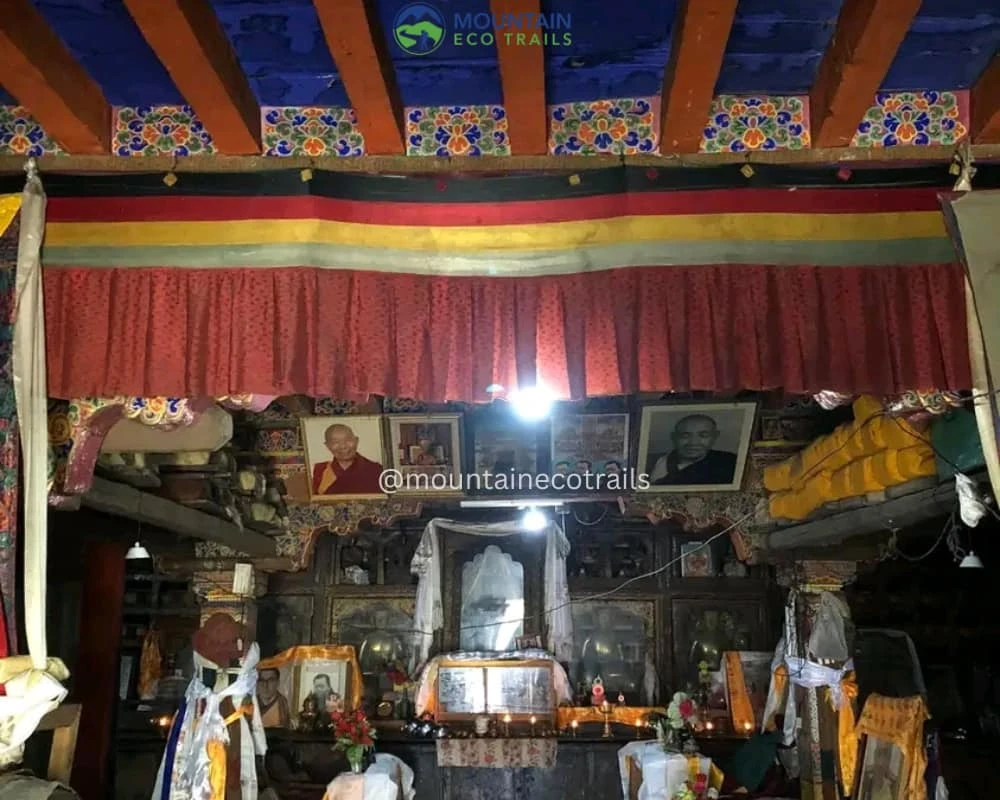
This is a short but steep day. The trail climbs out of the valley gorge, zigzagging up stone steps. Dramatic mountain views open up as you ascend. After a couple of hours, you reach Nar Village (4,110 m) on a ridge above the river. Nar is a tiny village with old stone houses, terraced fields, and a cliffside monastery. Spend the afternoon exploring Nar’s gompa and chortens, and taking in close-up views of Gangapurna and Pisang Peak. Overnight in a teahouse at Nar.

  • Max Altitude:4110 meters
  • Accommodation:Tea house
  • Time:4-5 Hours
  • Meals:Breakfast, Lunch, Dinner

Start very early (pre-dawn) for Kang La Pass. Today, you conquer the highest point of the trek: Kang La (5,240 m). The ascent is steep and rocky. You’ll pass Kicho Labtsa lake and walk along a white gravel field before the final push to the col. At the top (take care of snow, weather), enjoy 360° Himalayan panoramas. The descent to Ngawal (3,660 m) is long – first down scree slopes, then a high alpine meadow, and finally into the village of Ngawal. Ngawal (birthplace of Buddhist saint Lama Sonam), with its stone houses, is nestled amid temples. Overnight at Ngawal.

  • Max Altitude:5240 meters
  • Accommodation:Tea House
  • Time:8-9 Hours
  • Meals:Breakfast, Lunch, Dinner

Leave the high Trans-Himalayan zone and join the lower Annapurna Circuit trail. Trek north through beautiful fields of buckwheat and villages that you passed on the outward trek. A scenic descent leads to Upper Pisang (3,300 m), then on to Lower Pisang (2,900 m). Overnight in the village of Pisang, which has lodges and mountain views (here we leave the Nar Phu trails behind).

  • Max Altitude:2990 meters
  • Accommodation:Tea House
  • Time:5-6 Hours
  • Meals:Breakfast, Lunch, Dinner

Today, you hike on the Annapurna Circuit route. From Pisang, climb a bit and traverse across to Upper Gho (3,400 m) and Braga villages (3,500 m), before descending to Manang valley. The final stretch is downhill to Chame (2,710 m), the district headquarters. From Chame, take a jeep or local bus on the new road down the winding valley to Besisahar (730 m). This drive (~3–4 hrs) is scenic, following the Marsyangdi River. Overnight in Besisahar.

  • Max Altitude:730 meters
  • Accommodation:Tea House
  • Time:7-8 Hours
  • Meals:Breakfast, Lunch, Dinner

Take an early local bus from Besisahar to Kathmandu along the Prithvi Highway (the same road as the first day, but reversed). Arrive in Kathmandu by late afternoon or evening, concluding the trek. We hope you had a wonderful trekking experience with Mountain Eco Trails. Our guide will help you check in at your hotel in Kathmandu. Thank you for choosing Mountain Eco Trails as your traveling partner. 

  • Max Altitude:850 meters
  • Time:7-8 Hours
  • Meals:Breakfast

Got a question about this tour?

Or looking for customize trip, reach out to our travel experts.

Cost Includes
  • Transportation cost in a Public Bus and shared jeep from Kathmandu to Koto. 
  • Sharing transportation from Chame to Besisahar and a public bus to Kathmandu.
  • Professional and English-speaking Trekking Guide.
  • Trekking Guide Expenses include: Salary, Meals, Accommodation, transportation, and Insurance. 
  • Restricted Area Permit for Nar Phu.
  • Annapurna Conservation Area project permit 
  • Trekkers Information Management Systemn Permit. 
  • Meals during the trek include: Breakfast, Lunch, and Dinner. 
  • Accommodation during the trek on a sharing basis. 
  • Seasonal Fruits every day after dinner during the trek. 
  • Rescue Arrangement if needed. 
  • Farewell Dinner after completion of the trek as a complimentary
  • Government and local taxes. 
Cost Excludes
  • Travel insurance and visa fees.
  • Lunch and Dinner in Kathmandu and Pokhara.
  • Personal expenses like drinks, snacks, hot shower, Wi-Fi, etc.
  • Guide expenses. If needed, we can arrange at USD 22 per day. 
  • Tips to guide and porter.
  • Extra accommodation in Kathmandu due to early arrival from the trek. 
  • Any services that is not listed in cost inclusion. 
Availability
Select a Departure Month
Start DateEnd DatePriceStatus 
Start DateStarts: SundayAug 16, 2026End DateEnds: TuesdayAug 25, 2026PricePriceUS$950StatusStatusAvailable
Start DateStarts: SundayAug 23, 2026End DateEnds: TuesdaySep 01, 2026PricePriceUS$950StatusStatusAvailable
Start DateStarts: SundayAug 30, 2026End DateEnds: TuesdaySep 08, 2026PricePriceUS$950StatusStatusAvailable
Good to Know

Best Time for the Nar Phu Valley Trek

The months of March–May (Spring) and late September–November (Autumn) are generally the best time for the Nar Phu Valley Trek in Nepal. These months offer the best balance of pass conditions, visibility and operating lodges.

Autumn tends to offer the clearest mountain views and the most predictable trail conditions, but it's also peak season, so book early if you have specific dates in mind. Spring brings milder temperatures and rhododendron blooms lower down the valley, with slightly more changeable weather near the pass itself.

Nar Phu lies partly in a rain shadow, so summer trekking is possible, but access roads may still be disrupted by the monsoon. Winter brings intense cold, limited lodge services and a higher chance that snow will block Kang La.

How Difficult Is the Nar Phu Valley Trek?

The Nar Phu Valley Trek is moderate to strenuous because it combines rapid altitude gain, basic facilities, long walking days and the 5,320 m Kang La crossing. The 10-day itinerary is not designed for unprepared beginners. Trekkers should have strong hiking endurance, experience on uneven mountain trails and enough schedule flexibility to accept delays, descent or a failed pass crossing.

Note: A fit beginner can do Nar Phu Valley Trek without Kang La Pass, starting and ending the trek at Koto.

What makes Kang La challenging?

The pass day starts cold and early, gains roughly 1,210 m from Nar and makes a long descent to Ngawal. Snow may hide the path, hard surfaces can require crampons, and wind or poor visibility slows progress. Kang La is normally a trekking pass, but “non-technical” does not mean easy; heavy snow can cancel the crossing.

Preparation for the Nar Phu Trek

Preparation for the Nar Phu Valley Trek must be top level. You must be able to complete a six- to eight-hour hill walk with a daypack for several days. Experience above 3,500 m is valuable during the trek. However,

Recommended preparation includes:

  • Eight to twelve weeks of regular hill walking or stair-based endurance work.
  • Consecutive hiking days during the final phase of preparation for the Nar Phu Trek.
  • Strength and balance work for the legs and core.
  • Practice with your boots, daypack and poles.
  • Medical advice when health or altitude concerns apply.

Is the trek suitable for beginners?

No. This 10-Day Nar Phu Valley Trek is not suitable for absolute beginners. A very fit beginner could complete a longer, carefully paced Nar Phu itinerary, but the 10-day itinerary is not for them. It provides limited recovery from large early altitude gains. New trekkers usually make a better decision by choosing the extended route or gaining experience on a lower and more accessible trek first.

Nar Phu Permits and Guide Requirements

Foreign trekkers need a Nar Phu Restricted Area Permit and an Annapurna Conservation Area Permit. The Nar Phu–Annapurna route also appears on Nepal Tourism Board’s list requiring a licensed guide and agency-issued TIMS card.

Since March 2026, one foreign traveller may obtain a restricted-area permit through a registered agency, but independent trekking remains prohibited, and a licensed guide is still compulsory.

Permit information last checked: August 5, 2026. Rules and fees can change; Mountain Eco Trails should confirm them again before taking payment.

Document

Current published requirement

Who arranges it?

Nar Phu Restricted Area Permit

Sept–Nov: US$100 per person for the first week, then US$15 per extra day. Dec–Aug: US$75 for the first week, then US$15 per extra day

Through Immigration Department by Mountain Eco Trails

Annapurna Conservation Area Permit (ACAP)

NPR 3,000 for most foreign visitors; NPR 1,000 for SAARC nationals

Included and arranged by Mountain Eco Trails if confirmed in final package

TIMS card

Agency-issued TIMS applies to the Nar Phu–Annapurna Circuit route under current NTB guidance

Registered trekking agency like Mountain Eco Trails

Can one person book a private Nar Phu Trek?

Yes. Nepal’s Department of Immigration changed the restricted-area permit process in March 2026, removing the previous two-foreigner minimum. A single trekker can now book a private Nar Phu Valley Trek through a government-registered trekking company like Mountain Eco Trails.

Trail Conditions of the Nar and Phu Trek Route

The Nar Phu Valley Trek Route is rugged in occasional areas, but it tests your strength and endurance. You can expect stone steps, narrow cliff-side sections, and narrow ridges along the trail. Most of the trail is well-built stone staircases, but other than that, the route is packed with rugged terrain. Bridges over tributaries are used where available.  The trail to Kang La Pass is long and open to the weather.

The Pass contains a steep and rocky trail that requires strong determination. In the winter months, the pass routes may be snowbound or closed. Spring and autumn bring the most stable, dry trails. Avoid trekking in heavy monsoon (Jun–Aug) or deep winter (Dec–Feb) unless you’re prepared for deep mud or snow.

Accommodation, Meals and Drinking Water

Nar Phu teahouses usually provide twin beds, basic mattresses and limited insulation. Shared toilets, unheated rooms and restricted single-room availability are normal. Standards are simpler & basic than other commercial routes like Annapurna Circuit.

Typical meals include dal bhat, noodles, soups, potatoes, eggs, porridge and simple breads, depending on supplies. Menus are limited once you reach higher altitude. A full-board quote should specify meal and drink limits instead of using the vague phrase “all meals.”

Refill reusable bottles from sources recommended by the guide and use a reliable treatment method. In cold conditions, refill before water freezes or becomes difficult to access.

Electricity, Internet and Mobile Coverage

Charging may cost extra and can fail during power cuts or low solar output, so carry a power bank and keep batteries warm. Mobile signal and Wi-Fi become inconsistent after Koto. Tell contacts that several days without a message can be normal, and do not expect continuous connectivity.

Nar Phu Valley Trek Packing List

Pack around a layered system and the current forecast:

  • Passport copies, permits, insurance details and personal medication.
  • Broken-in trekking boots, poles, headlamp and 25–35-liter daypack.
  • Base layers, fleece, insulated jacket and waterproof outer layers.
  • Trekking pants, thermal leggings, warm hat, gloves and hiking socks.
  • Season-appropriate sleeping bag and waterproof pack liner.
  • Sunglasses, sunscreen, refillable bottles and water treatment.
  • Power bank, toiletries and Nepalese rupees for lodge extras.
  • Traction devices only when current Kang La conditions require them.

Check the details of the packing list and gear for the trek here.

Trekking Guide for Nar Phu Valley Trek 

All Nar Phu treks with us include an English-speaking, government-licensed guide. Our guides have years of experience in the Nar Phu region and are trained in first aid and altitude safety. They handle permits, navigation, and any issues on the trek. You may also hire porters (recommended) to carry your duffel bag, so you only need a daypack. Having an experienced guide is required by law in restricted areas and makes your trek much more enjoyable. Our team will brief you on local customs, assist with Tibetan greetings, and serve as translators so you can connect with villagers.

Altitude Sickness at Kang La Pas

Kang La (5320 m) is high enough to cause altitude sickness in susceptible individuals. Symptoms (headache, nausea, dizziness) can occur above 2,500 m. To ease AMS, ascend gradually and stay well-hydrated. Our itinerary builds in acclimatisation days (in Koto and Phu). Drink plenty of water and eat light, high-energy meals.

We advise carrying Diamox if you have a history of AMS. Listen to your body: if you feel severely unwell, descend to a lower altitude immediately. Our guides are trained to recognise AMS and can administer oxygen or arrange evacuation if needed. Note: having travel insurance with helicopter rescue is essential.

Booking Procedure for Nar Phu Valley Trek

Booking with Mountain Eco Trails is easy and secure. Once you decide to trek with us, simply contact our office or fill out the Contact us form to get started. We will need your passport details and travel dates to reserve permits. A deposit (commonly 20–30% of trip cost) confirms your booking; the balance is paid in Kathmandu or Besisahar.

We accept bank transfers, credit cards, or cash (USD/NPR). We provide a detailed pre-departure briefing on what to expect and how to prepare. In peak season (spring/autumn), early booking is recommended as permits and teahouse rooms can fill up. Once booked, relax – we handle all logistics (permits, vehicles, accommodations, meals, guide/porter, and emergency support). For Further information, feel free to contact us via email or WhatsApp at +9779849790153.

Get more info regarding:

FAQs
  • Absolutely – if you seek adventure in pristine high Himalaya, Nar Phu is unforgettable. Trekkers often report that Nar Phu was their favorite trek, thanks to its solitude and beauty. You’ll walk rarely-used trails, witness unspoiled Tibetan culture, and feel far from the hustle of tourist routes. The trek is a unique blend of natural splendor and cultural depth – a “once-in-a-lifetime adventure,” as one guide noted. The sense of accomplishment after Kang La, and the memories of quiet villages at dawn make it more than worth the effort.

  • Teahouses provide simple twin rooms, basic bedding and practical meals. Shared toilets, limited heating, paid charging and unreliable connectivity are normal. Services vary by season and supply.

  • Nar Phu is considered moderately difficult to strenuous. The trail is long and steep at times, and the altitude is high – you cross Kang La Pass at 5320 m. You need good endurance and should be accustomed to trekking 6–8 hours a day. Prior high-altitude trekking experience is very helpful.

  • The Nar Phu Valley Trek cost ranges from USD 699 to USD 950 for the 10 Day itinerary, depending on group size. This package price includes all permits, lodging, meals, a guide and porter, domestic transport (KTM–trailhead–KTM), and support services. It depends on group size, the level of accommodation chosen, and the season. We quote exact pricing once we know your group size and preferences.

  • Yes, a solo traveller can book the Nar Phu Valley trek through a registered trekking agency and licensed trekking guide. However, solo booking is not independent trekking. A licensed guide remains compulsory, and the agency must arrange the permit, itinerary and required operational support.

  • Many people experience at least mild altitude symptoms when ascending above 3,000 m. Nar Phu involves several nights above 4,000 m and a pass at 5,240 m, so there is some risk. Symptoms include headache, fatigue, nausea, and dizziness. Preventive steps: go slow, drink lots of water, and sleep low/ hike high. Our itinerary is designed for acclimatization (e.g., rest days in Koto and Phu). We can provide Diamox if needed. If a client shows severe symptoms, we will send them immediately. Also, be aware that travel insurance covering helicopter evacuation is strongly required.

  • You will need: (1) Nar Phu Restricted Area Permit – about USD 100 per person for the first week (Sept–Nov rate) plus ~$15 per extra day; (2) Annapurna Conservation Area Permit (ACAP) – USD 30; and (3) TIMS Card – USD 20. Our agency obtains these after booking. Important: Permits are not sold at the entrance; your guide will carry them. These permit fees are in addition to your package cost and must be paid in Kathmandu or Besisahar before starting.

  • A standard package includes permits, a licensed guide, teahouse accommodation, all meals during the trek, and ground transport between Kathmandu and the trailhead. Personal expenses, tips, travel insurance, and porter service are usually extra.

  • The highest point is Kang La Pass at 5,320 m, reached on day 7 of the standard itinerary. It's the physical and scenic highlight of the trip.

  • The standard Nar Phu Valley trek itinerary ranges from 9 to 12 days, depending on how you combine it. Our popular option is a 10-day trek covering roughly 75–80 km of hiking plus the drives. 

  • Pack warm layers and quality hiking gear. Essentials include a down jacket, fleece, thermal underwear, waterproof shell, hiking pants, sturdy boots, wool socks, gloves, warm hat, sunglasses, and sunscreen. A good sleeping bag (−10 °C rating) is a must. Also carry a daypack, water bottles or hydration bladder, headlamp, basic first-aid, personal medications, and toiletries. We also advise trekking poles and gaiters. For advice, see our [Packing List] Mountain Eco Trails guide on common trekking gear. We provide a comprehensive packing list upon booking.

  • Yes, an authorized guide is mandatory for Nar Phu. It is a restricted area near Tibet, and foreign visitors must be part of an organized group. Solo/independent trekking is not allowed. Our licensed guides will handle all permits and regulations for you. Traveling with a Mountain Eco Trails guide not only fulfills legal requirements but also enriches your experience through local knowledge and safety

  • Yes — the route rejoins the Annapurna Circuit near Ngawal, so continuing on to Manang, Thorong La, and Muktinath is a natural extension rather than a separate trip.

  • The optimal seasons are Autumn (September–November) and Spring (March–May). During these months, the weather is generally clear with mild days. Autumn has dry trails and excellent visibility of the peaks; spring brings warmer afternoons and blooming rhododendrons. Winter (Dec–Feb) is very cold, and heavy snow can block Kang La. Monsoon summer (June–Aug) brings rain, landslides on roads, and wet trails – though some adventurous trekkers go in June/July, it’s not recommended for safety.

SimilarTrips
You may also like
Did not find what you are looking for? No worries!

Let us help you plan your perfect holiday.