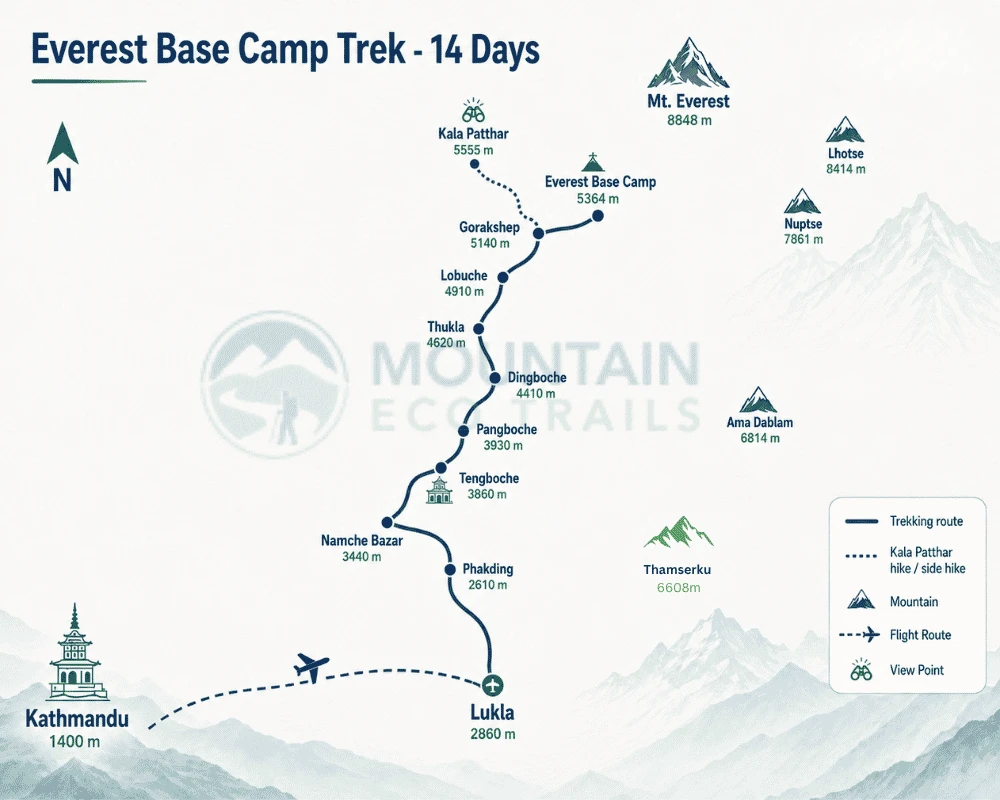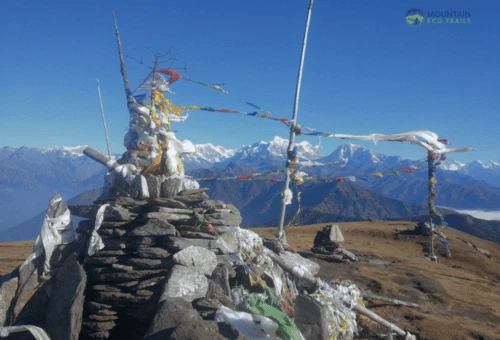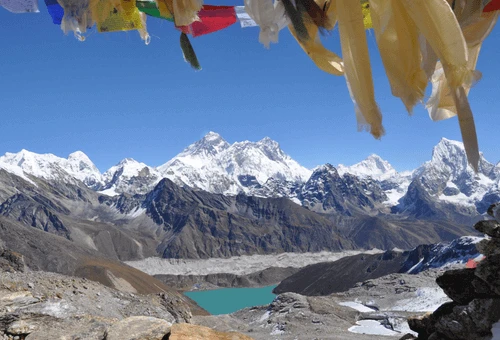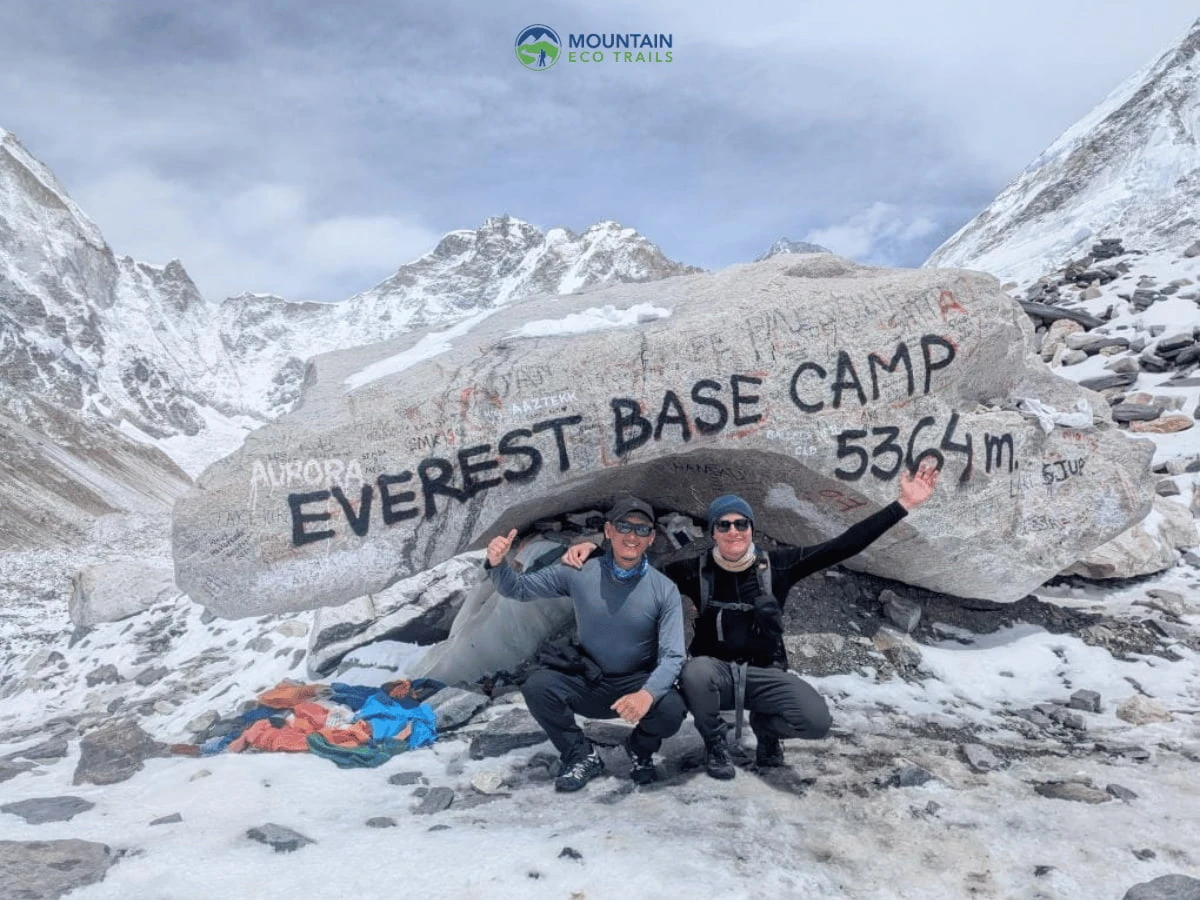
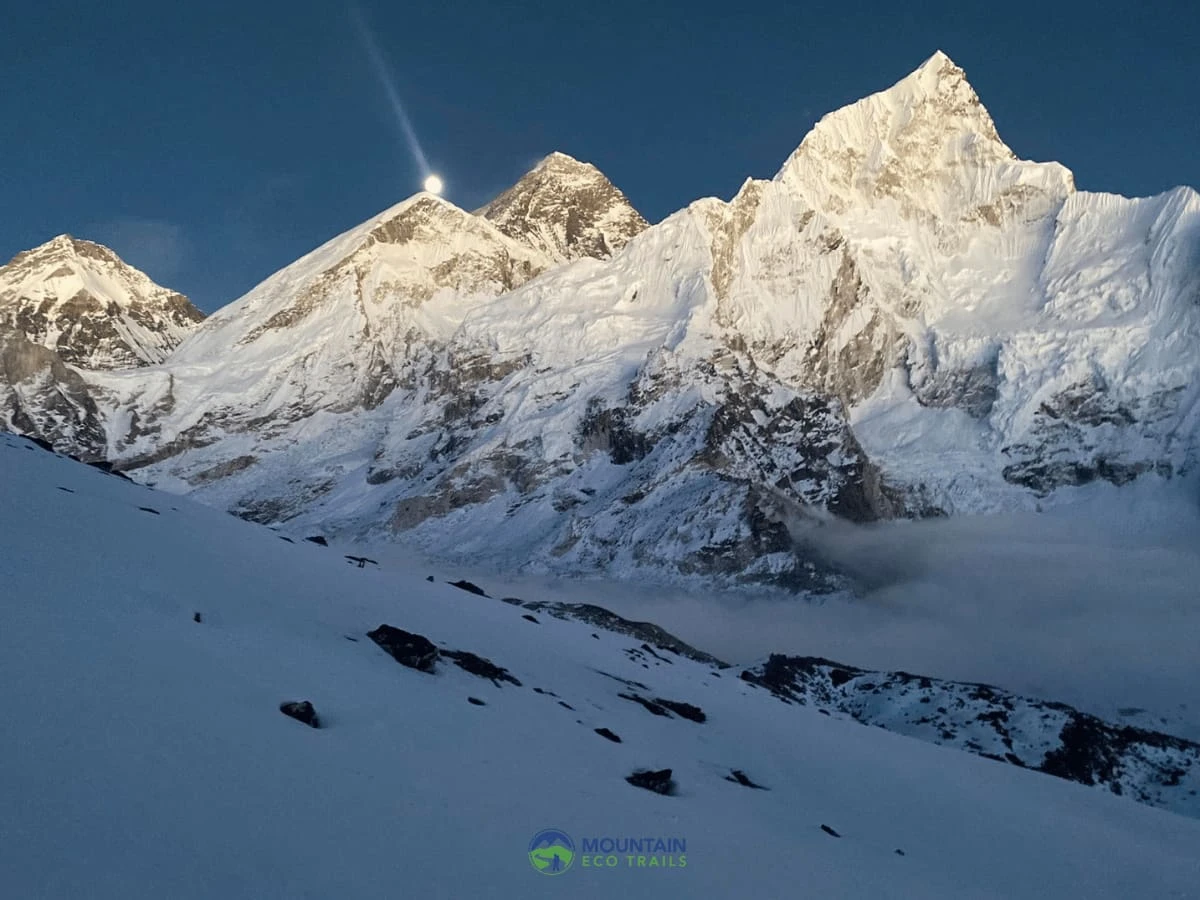
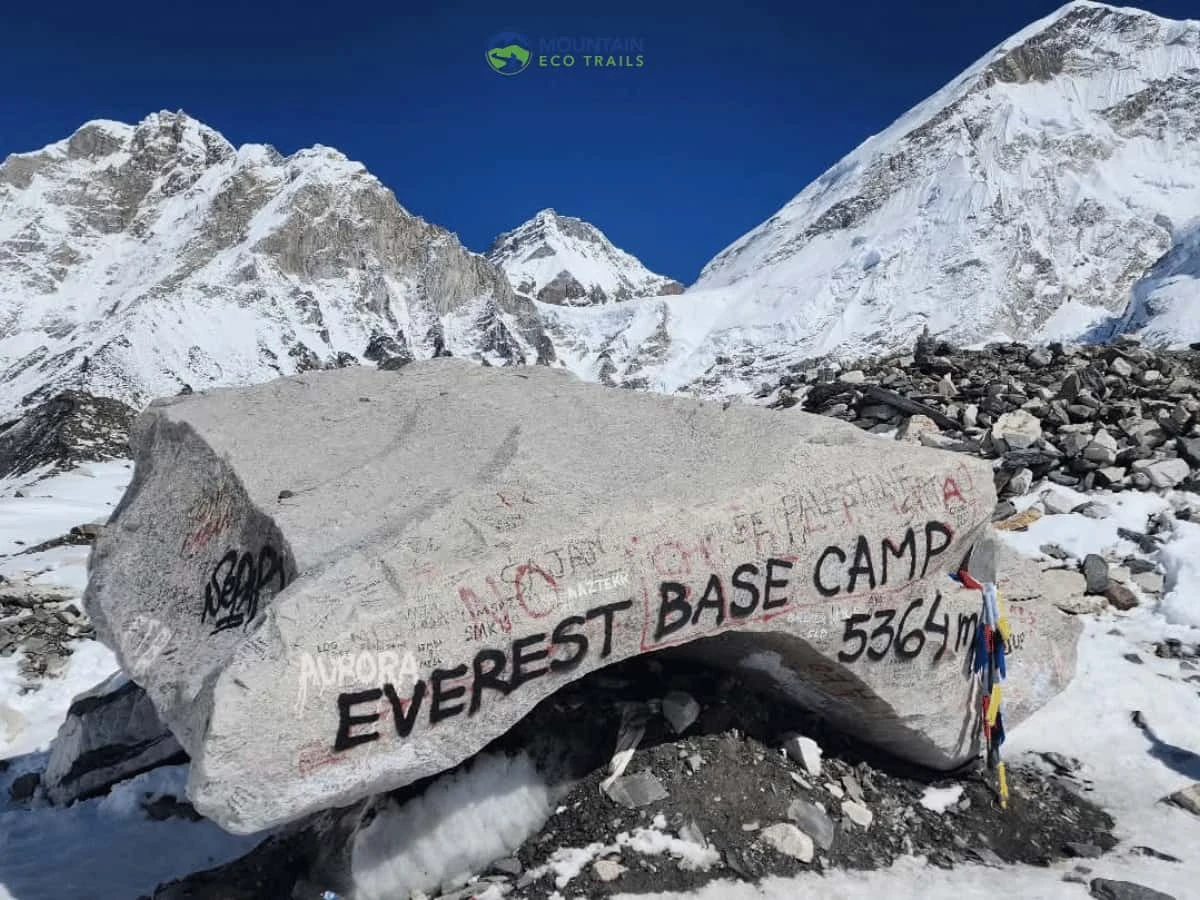


The 14-day Everest Base Camp Trek is a classic Nepal itinerary that allows proper acclimatisation while reaching Everest Base Camp at 5,364 meters. The route includes Lukla, Namche Bazaar, Tengboche, Dingboche, and Gorakshep, followed by a hike to Kala Patthar for sunrise views of Mount Everest.
It is a non-technical, moderate-difficulty adventure that takes trekkers from the Himalayan gateway of Lukla (2,860 m), through the cultural heart of Namche Bazaar, past the spiritual landmark of Tengboche Monastery, all the way to Everest Base Camp (5,364 m) and the panoramic sunrise viewpoint of Kala Patthar (5,545 m).
The 14-day Itinerary is specifically designed to include two essential acclimatisation rest days — one at Namche Bazaar (3,440 m) and one at Dingboche (4,360 m) — making it safer and more achievable than compressed itineraries. The total round-trip trekking distance is approximately 130 km, with daily walks averaging 10–15 km over 4–8 hours.
Highlights of the Classic 14-Day Everest Base Camp Trek
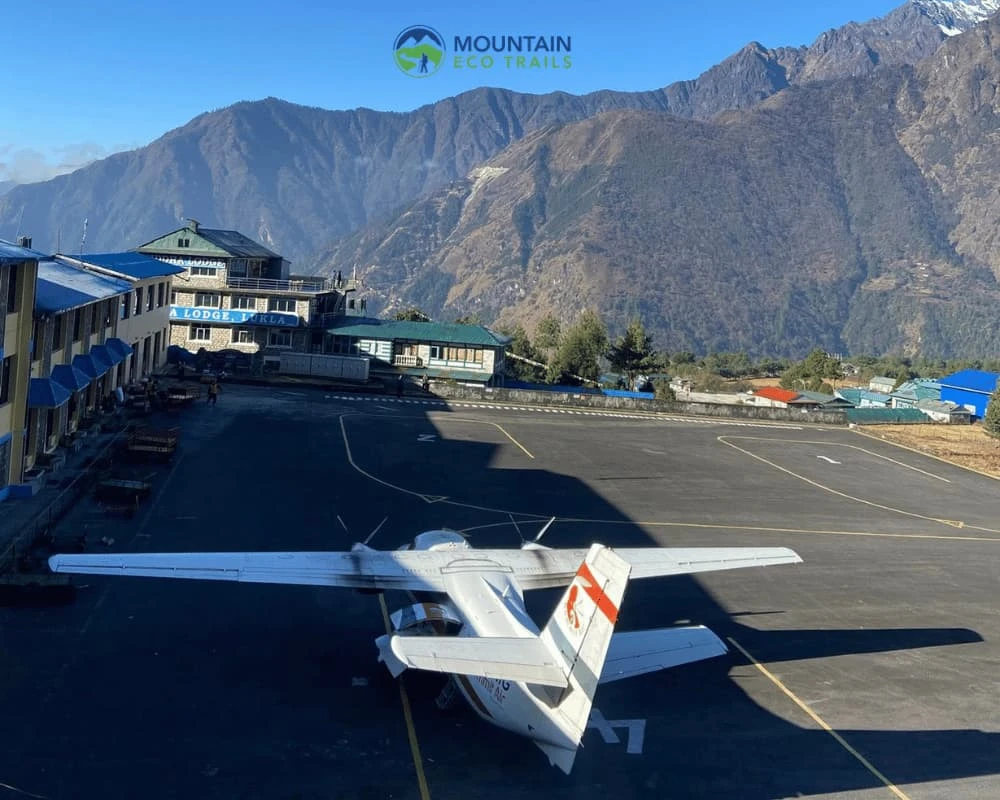
- Fly to Tenzing–Hillary Airport in Lukla, subject to weather and operational changes.
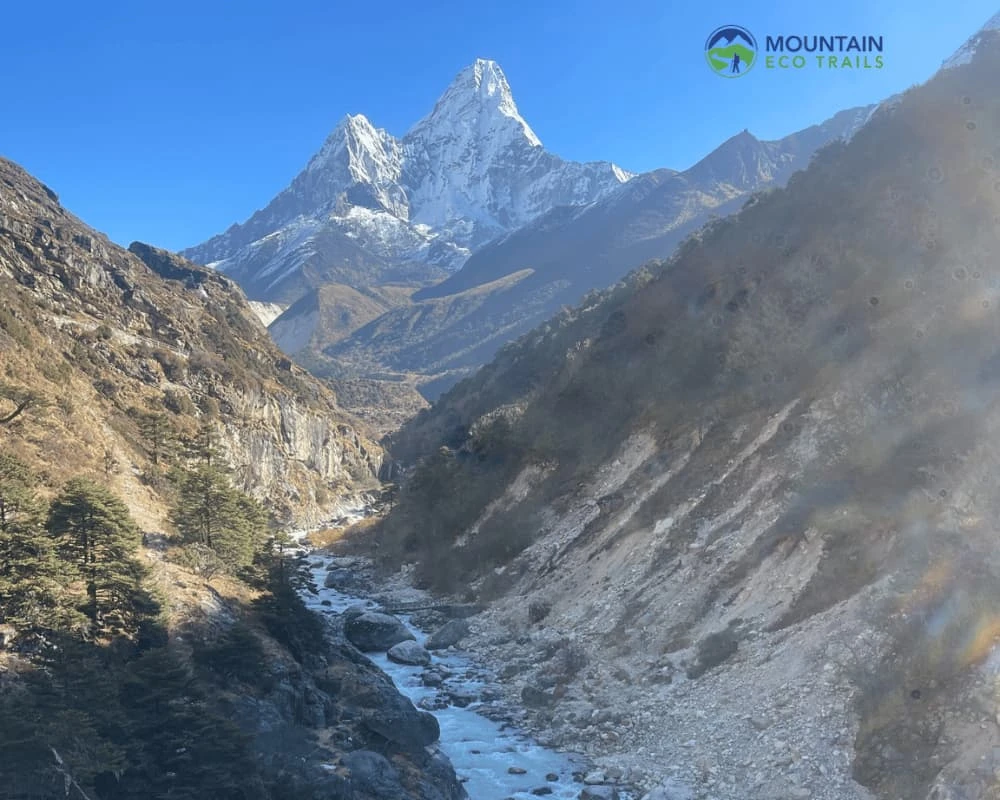
- Follow the Dudh Koshi valley through Phakding, Monjo, and the entrance to Sagarmatha National Park.
- Cross high suspension bridges before the long climb into Namche Bazaar.
- Use a full day in Namche for acclimatisation and a possible hike toward Khumjung or the Everest View area.
- Visit Tengboche Monastery while moving through the cultural landscape of the Khumbu.
- Spend two nights in Dingboche before entering the colder, higher section of the route.
- Walk past the memorial area above Thukla on the way to Lobuche.
- Reach Everest Base Camp beside the Khumbu Glacier at 5,364 m (17,598 ft).
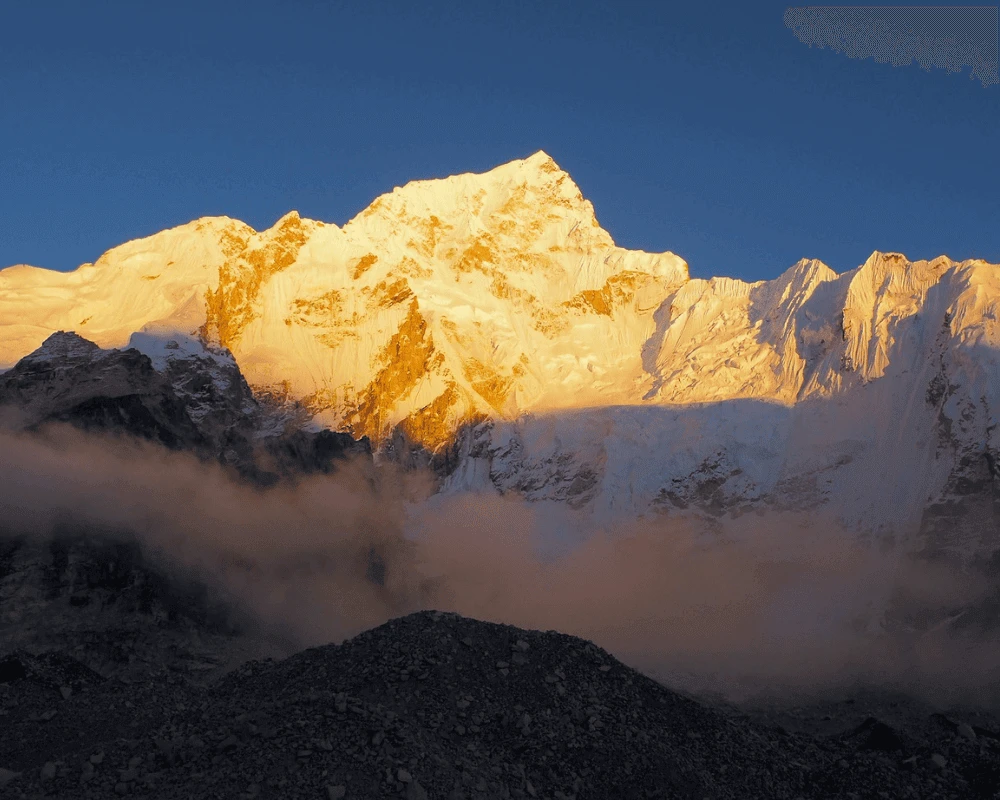
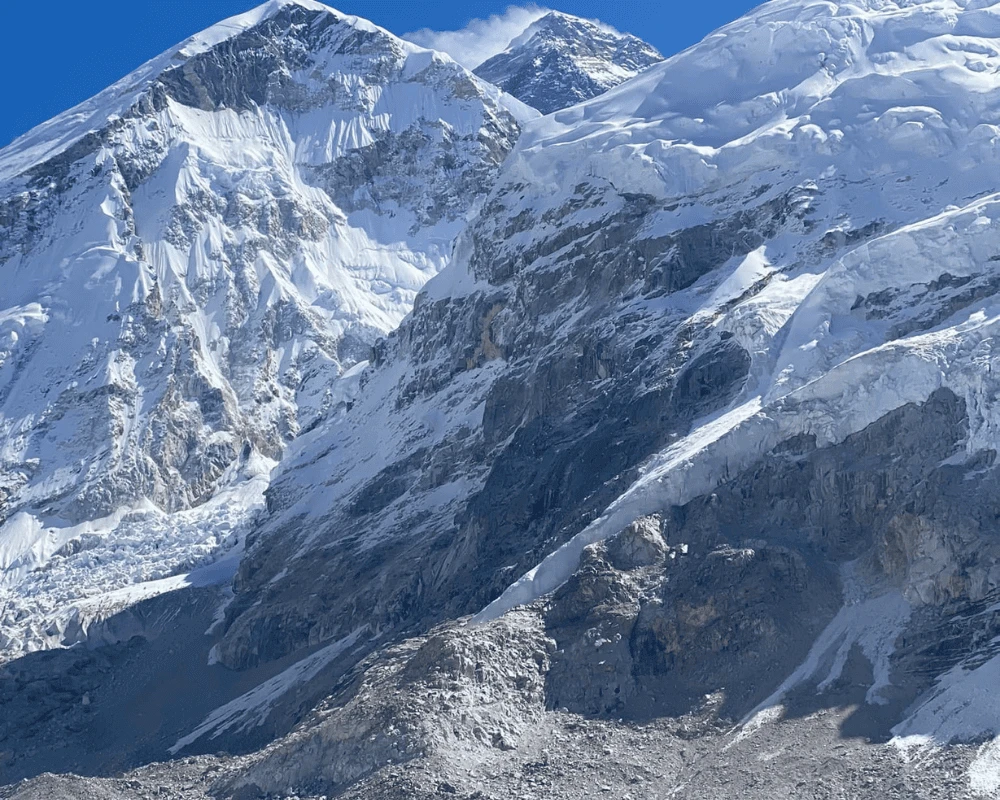
- Climb Kala Patthar for a high viewpoint over Everest, Nuptse, Pumori, and the surrounding terrain when conditions allow.
- Walk the complete return route through Pheriche and Namche to Lukla.
What a Normal Trekking Day Looks Like during Everest Base Camp Trek
A typical day begins with packing the duffel and daypack before breakfast. If a porter is carrying the duffel, it needs to be ready before the porter team leaves. Items required during the walk—water, waterproof layers, warm clothing, sun protection, snacks, medication, documents, and a camera—stay in the daypack.
The trek generally starts after breakfast. The guide sets a pace that can be maintained without repeated rushing and long recovery stops. In the Khumbu, a short distance can take longer than expected because of altitude, stone steps, bridge traffic, pack animals, rest breaks, or rough ground.
Morning walking
The first part of the day is often cooler and may offer clearer views, but this varies. The guide chooses rest points according to the group and route rather than stopping at a fixed number of minutes. Trekkers should keep warm layers and a waterproof shell accessible because conditions can change without time to open the main duffel.
Pack animals use many parts of the trail. When yaks, cattle, or mule trains approach, travellers should move to the inside of the path, away from exposed edges, and follow the guide's instructions. Headphones can make it harder to hear animals, porters, or warnings.
Lunch and afternoon
Lunch is usually ordered at a teahouse along the route. Food is prepared after ordering, so the stop may take longer than a quick packed lunch. This is part of the day's schedule, especially for a group with different meal choices.
Afternoon walking continues to the overnight village. The guide or trekking staff coordinates the rooms, but exact room location and facilities depend on the lodge. At busy times, the group may be divided among nearby rooms or use an alternative property of a similar available standard.
At the lodge
After arrival, trekkers change out of damp layers, organise equipment, drink, eat, and rest. The guide explains the next day, confirms the wake-up and breakfast times, and checks how participants are recovering.
Report headache, nausea, dizziness, unusual fatigue, loss of appetite, poor coordination, or breathlessness at rest. Do not hide mild symptoms until morning.
Charging, showers, Wi-Fi, and boiled water may require payment. Keeping small Nepali-rupee notes makes these transactions easier. Electronics and water bottles should be managed before the dining room closes or the lodge limits power for the night.
Sleep and early starts
Bedrooms are usually unheated. A sleeping bag, dry sleep clothing, warm socks, and an organised bedside setup make cold nights easier. A headlamp, water, medication, and toilet paper should remain within reach.
Base Camp and Kala Patthar days may begin earlier and last longer than ordinary stages. The guide may change the start time because of weather, temperature, trail traffic, or the group's condition. A trekking day is therefore a working plan, not a fixed timetable.
Who Should Choose This 14-Day EBC Package?
This package is designed for travellers who want a supported version of the traditional Everest Base Camp route. It may be a good match if you:
- Are visiting Nepal for the first time and want the main arrangements handled.
- Can train for several months and walk on hills for consecutive days.
- Prefer two planned acclimatisation stops.
- Want to walk back from the upper Khumbu instead of returning by helicopter.
- Are comfortable with simple mountain accommodation above Namche Bazaar.
- Want meals, lodges, permits, flights, and guide support package.
- Understand that weather and altitude can change the itinerary.
- Can leave extra time after the trek in case the Lukla flight is delayed.
Everest Base Camp 14 Days Trek Itinerary and Altitude Profile
Day | Route | Altitude | Duration |
Day 1 | Arrive Kathmandu | 1,400 m | — |
Day 2 | Kathmandu → Lukla → Phakding | 2,610 m | 3–4 hrs |
Day 3 | Phakding → Namche Bazaar | 3,440 m | 5–6 hrs |
Day 4 | Acclimatisation — Namche Bazaar | 3,440 m | Optional hike |
Day 5 | Namche Bazaar → Tengboche | 3,860 m | 5–6 hrs |
Day 6 | Tengboche → Dingboche | 4,360 m | 5–6 hrs |
Day 7 | Acclimatisation — Dingboche | 4,360 m | Optional hike |
Day 8 | Dingboche → Lobuche | 4,940 m | 5–6 hrs |
Day 9 | Lobuche → Gorak Shep → Everest Base Camp | 5,364 m | 7–8 hrs |
Day 10 | Gorak Shep → Kala Patthar → Pheriche | 5,545 m ↓ 4,240 m | 7–8 hrs |
Day 11 | Pheriche → Namche Bazaar | 3,440 m | 6–7 hrs |
Day 12 | Namche Bazaar → Lukla | 2,860 m | 6–7 hrs |
Day 13 | Lukla → Kathmandu | 1,400 m | 35 min flight |
Day 14 | Departure from Kathmandu | 1,400 m | — |
Not sure whether the traditional 14-day package matches your schedule?Email us or WhatsApp us at +9779849790153 with your available dates and previous hiking experience. We will explain the package without asking you to book first.
14-Day Everest Base Camp Trek Cost, 2026, 2027
The Everest Base Camp Trek cost starts from USD 1699 for a single trekker. The cost of the 14-day Everest Base Camp trek can vary widely depending on the level of service, inclusions, and itinerary. As of now, Mountain Eco Trail offers a typical 14-day Everest Base Camp Trek package for around USD 1399 to USD 1699 per person. This usually includes your round-trip flight to Lukla, permits, accommodations, guide services, and meals on the trek.
Cost Component | Estimated Cost |
Kathmandu–Lukla-Kathmandu Flight | $510 |
Required Permits for EBC | $50 |
Everest Base Camp Trekking Guide | $30-35/day |
| Accommodation in Kathmandu 2 nights | $ 50-60/ night |
Accommodation cost during the trek | $10 – $15night |
Meals (Breakfast, lunch, dinner) | $35– $40/day |
| Administrative Cost & Taxes | $100-150 |
| Everest Base Camp Trek Package Cost | Starts from USD 1699 |
The solo trekkers' cost for the Everest Base Camp Trek is USD 1699, whereas 2-3 trekkers' cost is USD 1599, 4-7 trekkers cost USD 1499, and a group of more than 8 trekkers costs USD 1399 per person.
How much extra money should you carry during the Everest Base Camp Trek?
There is no reliable single figure because spending depends on drinks, showers, charging, Wi-Fi, snacks, gear, tipping, and porter use. Prices generally increase with altitude because supplies must be carried farther, but exact lodge charges can change.
Before departure, Mountain Eco Trails provides a dated personal-expense guide covering:
- Water treatment or boiled water.
- Charging and internet.
- Hot showers.
- Snacks and extra drinks.
- Optional room upgrades where available.
- Porter service.
- Tips.
- Emergency or delay reserve.
Request the current 2026/2027 price, porter option, departure type, and Lukla flight plan before comparing quotes. Ask a local EBC trek specialist on WhatsApp at +9779849790153