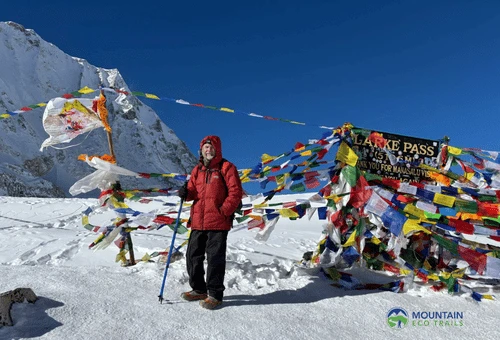
Best Time for Manaslu Base Camp Trek
Choosing the best time for the Manaslu Base Camp Trek will significantly impact your experience. Generally, spring and autumn are the prime trekking seasons in Nepal, especially for high-altitude treks, while monsoon and deep winter are less ideal.
Spring (March to May)
- Spring is one of the best times to trek in Manaslu.
- The weather gradually warms after winter.
- The temperatures at lower elevations are mild and still quite cold at night at higher altitudes.
- The rhododendron forests along the trail burst into bloom, adding color to the trek.
- Views of Manaslu and surrounding peaks are generally clear in the mornings, with some clouds building in afternoons especially late in spring.
Autumn (September to November)
- Autumn is the peak trekking season in Nepal and the most recommended time for Manaslu.
- The crystal-clear skies and fantastic visibility.
- From mid-September through November, days are typically sunny with comfortable temperatures and nights are cold.
- Autumn offers the most stable weather – very little rain.
- This season also coincides with festive times in Nepal, and you might witness local celebrations in villages.
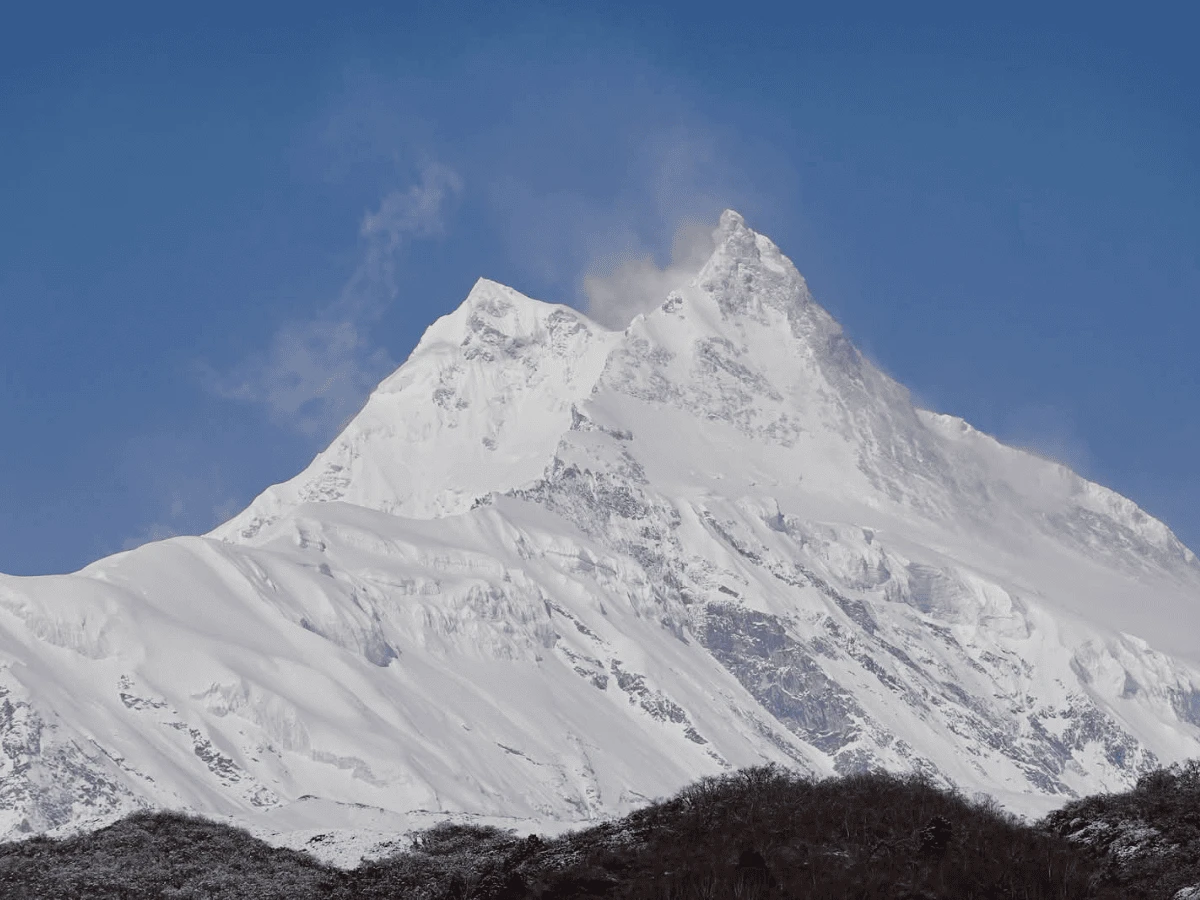
For most trekkers, October and November or April and early May offer the best balance of weather, views, and trail conditions for the Manaslu Base Camp Trek. With the right timing, you’ll enjoy Manaslu’s grandeur under clear blue skies and make the most of this adventure.
Permits Required for Manaslu Base Camp Trek
Trekking to Manaslu Base Camp involves a restricted region, so securing the proper permits is critical. Nepal imposes strict rules here to protect culture and environment, and to ensure safety (an EEAT approach – Experience, Expertise, Authoritativeness, Trustworthiness – is applied by authorities). The permits required are:
Manaslu Restricted Area Permit (RAP): A special permit is mandatory for the Manaslu region. The cost varies by season – approximately USD $100 for the first 7 days (Sept–Nov), then $15 per additional day, and about $75 for the first 7 days (Dec–Aug), then $10 each extra day.
Manaslu Conservation Area Permit (MCAP): A permit for entering the Manaslu Conservation Area, issued by the Nepalese authorities (Nepal Trust for Nature Conservation). Cost: NPR 3,000 (around USD $25). This is a one-time fee for the entire trek.
Mountain Eco Trails handle all permit arrangements as part of their packages, ensuring all paperwork is in order. This guarantees a hassle-free experience when you reach checkpoints and adds a layer of safety in this remote area.
Places to Stay during the Manaslu Base Camp Trek
Accommodation on the Manaslu Base Camp Trek is provided by local teahouses (lodges) in villages along the route. While this region is remote, each day’s stage typically ends at a settlement with at least a couple of basic lodges:
Small roadside villages with simple guest houses. Expect basic private rooms (usually twin beds) with shared bathrooms. Rooms are still basic wood-panelled, and blankets are provided (though a sleeping bag is recommended).
Expect shared toilets in squat style. Showers are available in some places – usually a bucket of hot water for a small fee, or a gas-heated shower at lower elevations.
Overall, while the accommodations are not luxurious, they are warm and hospitable. Mountain Eco Trails works closely with local teahouses to ensure you have a safe and clean place to rest each night.
Meal Availability on the Manaslu Base Camp Trek
Staying energised is key on any trek. Thankfully, meal availability on the Manaslu Base Camp Trek is decent despite the region’s remoteness. Teahouses along the route all offer food, typically from a fixed menu that’s surprisingly extensive (a tradition on Nepal’s trekking routes):
Breakfasts: Common options include porridge, muesli, or Tsampa (roasted barley flour porridge) for a hearty start. You can usually get eggs (omelet, boiled or fried), Tibetan bread or chapati with jam/peanut butter, and pancakes. And of course, plenty of tea (milk tea, black tea, ginger tea) or coffee.
Lunch and Dinner: You’ll often eat lunch en route at a small village and dinner where you stop for the night. The staple is Dal Bhat – a platter of rice, lentil soup, and vegetable curry – famed for refills and providing excellent energy. Other menu items include noodle soups (like Thukpa), fried rice, momos (dumplings), chow mein, pasta, and sometimes spring rolls or pizza (the latter more likely in Namrung or Samagaon, where supplies are better). In Samagaon, you might even find a bakery or cafe serving pastry and espresso for trekkers.
Packing List for Manaslu Base Camp Trek
Packing the right gear is essential for comfort and safety on the Manaslu Base Camp Trek. The weather can range from hot in lower valleys to frigid near base camp, so layering is key. Here’s a comprehensive packing list:
Clothing:
- Trekking Shirts and Pants: 3–4 quick-dry t-shirts
- Insulating Layers and Base Layers
- Down Jacket & warm trousers
- Headwear: Wollen Hat and Sunhat
- Footwear: Sturdy trekking boots and Wollen Socks
Trekking Gear:
- Backpack and Sleeping Bag
- Trekking Poles and Head Lamps
- Sunglasses and water bottles.
- First Aid Kit & Skin Care Items
Miscellaneous Essentials:
- Documents: Passports and Permits
- Camera/Phone, battery charger, and power bank.
- Toiletries
- Earplugs and Eye Mask
- A typical porter carry limit is 15 kg per trekker, so aim to stay around or under this weight
Trekking Guide for Manaslu Base Camp Trek
Hiring a trekking guide for the Manaslu Base Camp Trek is not just a recommendation – it’s mandatory. Beyond the legal requirement, a guide greatly enhances your trekking experience:
- You must have a licensed trekking guide and be in a group of at least two trekkers (not counting guide/porters). Agencies like Mountain Eco Trails arrange all permits under a guide’s responsibility.
- A guide who knows the Manaslu route will keep you on track. They also communicate with locals to get the latest trail conditions.
- In high altitudes, a guide is your first line of support for any issues. All Mountain Eco Trails guides are trained in acute mountain sickness (AMS) protocols, first aid, and emergency procedures.
- From handling permit checkpoints to securing teahouse rooms, a guide makes the trek smoother.
- Your guide can introduce you to locals, perhaps arrange a visit to a monastery
- Mountain Eco Trails prides itself on employing guides from local communities, which means your trip also supports the region’s economy directly.
When choosing a trek organiser, look for experienced guides who have done the Manaslu Base Camp or Circuit multiple times. All Mountain Eco Trails guides for Manaslu treks are seasoned professionals with deep knowledge of the area’s trails, weather patterns, and emergency routes. They carry essential safety gear like maps, a first aid kit, and a communication device.
Booking Process and Payment Method
To book the Manaslu Base Camp Trek, you can simply contact us via email or WhatsApp us at +9779849790153.
We can customise the trip according to your requirements and give you the pre-trip briefing online. Once you meet your requirements, you can give us confirmation by paying the 20% deposit of the total cost via bank transfer. The rest of the payment you can do once you arrive here.
More Information for this Manaslu Base Camp Trek: