
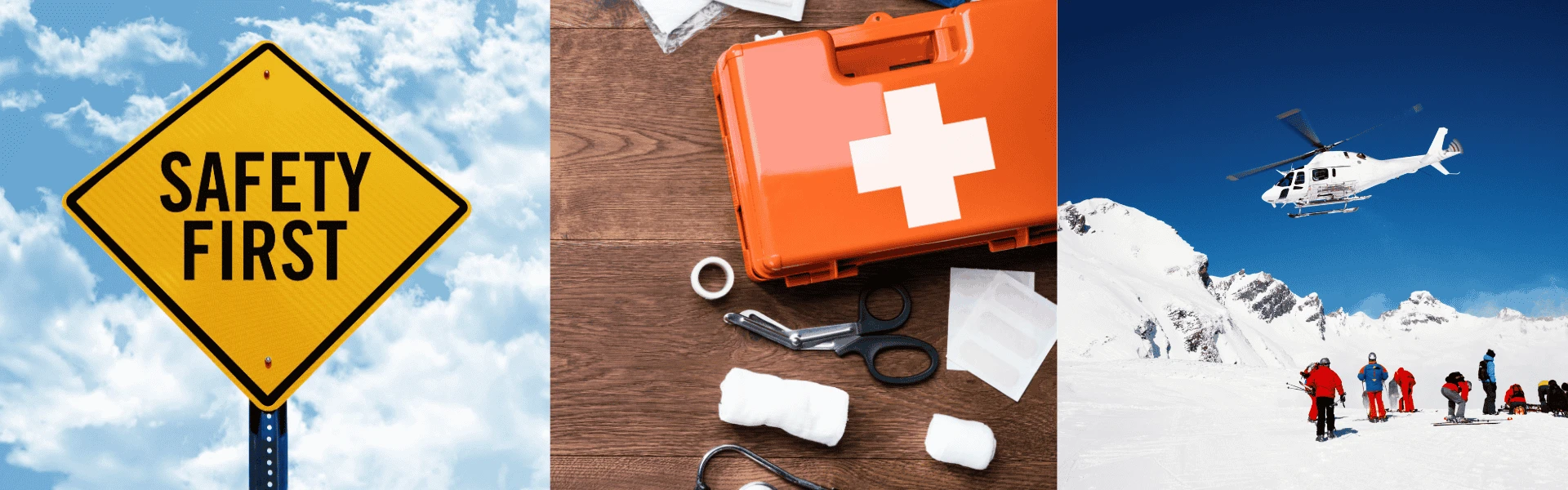
How Mountain Eco Trails Ensures Safe Trekking, Peak Climbing, Hiking & Tours in Nepal
Adventure in Nepal is breathtaking — but in the Himalayas, safety is not optional. At Mountain Eco Trails, every trekking holiday, peak climbing expedition, cultural tour, and day hike is executed with a clear safety-first philosophy. From the moment you land in Kathmandu to the final farewell, our structured risk management system protects your journey.
This guide explains the professional safety measures we implement across trekking, climbing, hiking, and touring programs in Nepal.
1. Government Registration & Legal Compliance
Mountain Eco Trails operates in full compliance with Nepal’s tourism regulations. We are registered under:
- Nepal Tourism Board
- Department of Tourism
- Trekking Agencies' Association of Nepal
This ensures:
- Legal permit handling (TIMS, National Park, Restricted Area permits)
- Government-approved climbing logistics
- Certified guide requirements
- Compliance with local rescue protocols
Legal operation is the foundation of professional risk management.
2. Certified & Experienced Mountain Guides
Our team includes:
- Government-licensed trekking guides
- High-altitude trained climbing guides
- Wilderness First Aid certified staff
- Local area experts with 5–20+ years of experience
Each guide is trained in:
- Acute Mountain Sickness (AMS) recognition
- Emergency evacuation coordination
- Rope safety & glacier travel (for peak climbing)
- CPR and first aid response
- Crisis communication
We maintain strict guide-to-client ratios to ensure personal monitoring throughout the journey.
3. Pre-Trip Preparation & Client Briefing
Before any trek or climb begins, we conduct a comprehensive safety briefing covering:
Altitude awareness and acclimatization schedule
- Hydration and nutrition strategies
- Weather conditions & seasonal risks
- Equipment checklist verification
- Emergency contact system
- Responsible trekking practices
For high-altitude treks like Everest Base Camp or Annapurna Circuit, we provide altitude adaptation planning in advance.
We also encourage travel insurance that covers:
- Helicopter evacuation
- High-altitude rescue (above 8,000m)
- Trip interruption coverage
4. Altitude Safety & Acclimatization Protocol
Altitude is the most significant risk factor in Himalayan trekking.
Our altitude protocol includes:
✔ Gradual ascent (no rapid gain above 500m sleeping altitude per day above 3,000m)
✔ Built-in acclimatization days
✔ Daily health monitoring
✔ Pulse oximeter checks (on high-altitude trips)
✔ Immediate descent if symptoms worsen
On routes like Langtang Valley and Manaslu Circuit, we strictly follow internationally recommended altitude guidelines.
5. Emergency Response & Evacuation Planning
Safety is not about avoiding risks alone — it’s about being prepared.
We maintain:
- 24/7 Kathmandu emergency coordination support
- Direct contact with helicopter rescue providers
- Pre-established evacuation procedures
- Satellite communication (where needed)
- Local health post coordination
In case of serious altitude sickness, injury, or illness:
- Immediate assessment by guide
- Descent initiation
- Communication with insurance provider
- Helicopter evacuation if required
Nepal has a strong rescue infrastructure coordinated through the Nepal Civil Aviation Authority.
6. Peak Climbing & Technical Safety
For trekking peaks like Mera Peak Climbing or Island Peak Climbing, we implement:
- Pre-climb technical training sessions
- Fixed rope installation (where required)
- High-quality climbing gear inspection
- Summit weather window assessment
- Backup oxygen (on selected expeditions)
- Climbing Sherpa support
We never prioritize summit success over client safety. If weather or health conditions are unsafe, we turn back.
7. Weather Monitoring & Seasonal Risk Management
The Himalayas are weather-sensitive.
We monitor:
- Daily mountain forecasts
- Wind speed & snowfall risk
- Avalanche-prone areas (winter)
- Monsoon trail conditions
- Flight weather at Lukla
During monsoon or winter treks, itineraries are adjusted for safety margins.
8. Equipment & Logistics Safety
All logistics are safety-oriented:
- Inspected vehicles for tours & transfers
- Reliable domestic airlines for mountain flights
- Clean, verified teahouses
- Hygienic food recommendations
- Boiled or purified drinking water
For peak climbing:
Certified ropes & harnesses
- Helmet & crampon checks
- Tented camps secured against wind
9. Responsible & Ethical Trekking
Safety also means environmental responsibility.
We follow:
- Leave No Trace principles
- Waste management practices
- Local porter welfare standards
- Fair wages & proper gear for staff
Healthy staff and protected trails reduce long-term risk exposure.
10. Health & Hygiene Standards
Post-pandemic travel requires higher awareness.
We encourage:
- Hand sanitation during meals
- Clean dining facilities
- Proper food handling practices
- Adequate rest days
- Personal medical kits
Guides carry a comprehensive first aid kit on all trips.
11. Safe Day Hikes & Cultural Tours
Even short hikes demand attention.
For day hikes around:
Shivapuri National Park
Champadevi Hill
We ensure:
- Weather check before departure
- Proper pace management
- Emergency vehicle standby (where accessible)
- Safe transport arrangements
City tours are conducted with licensed drivers and insured vehicles.
12. Risk Management Framework
At Mountain Eco Trails, safety is not reactive — it’s systematic.
Our framework includes:
- Risk identification
- Preventive planning
- Real-time monitoring
- Rapid response
- Post-trip evaluation
Every trip is reviewed to improve operational safety continuously.
Why Safety Defines Our Reputation
Adventure in Nepal is life-changing. But your safety, trust, and confidence are our highest priority.
With experienced mountain professionals, strict altitude protocols, legal compliance, emergency readiness, and ethical tourism practices — Mountain Eco Trails executes trekking, tours, peak climbing, and hiking programs with international-level safety standards.
Your journey into the Himalayas should inspire you — not worry you.
And that is exactly how we operate.