

Gokyo Valley Trek - 10 Days

Embark on a 10-day trekking adventure through the pristine Gokyo Valley in the heart of the Everest Region. Reaching a peak altitude of 5,357 m at Gokyo Ri and marvelling at the panoramic views of Mount Everest, Lhotse, Cho Oyu and other Himalayan giants. Enjoy a less-crowded journey away from the standard EBC route—through rhododendron forests, tranquil Sherpa villages, and the shimmering high-altitude glacial lakes of Gokyo. With expert guides and flexible itineraries from Mountain Eco Trails Pvt Ltd, this trek blends cultural insight, natural spectacle, and adventure for trekkers who are fit, motivated and ready for a Himalayan highlight.

  • DestinationNepal
  • Duration10 Days
  • Difficulty Level Moderate
  • Max. Altitude5357 meters
  • Starts/EndsLukla/Lukla
  • Trip StyleTrekking
  • Group SizeMin 1 Pax.
  • Best SeasonSpring and Autumn
Highlights
  • Embark on the less crowded trail of Gokyo Valley or Gokyo Lakes.
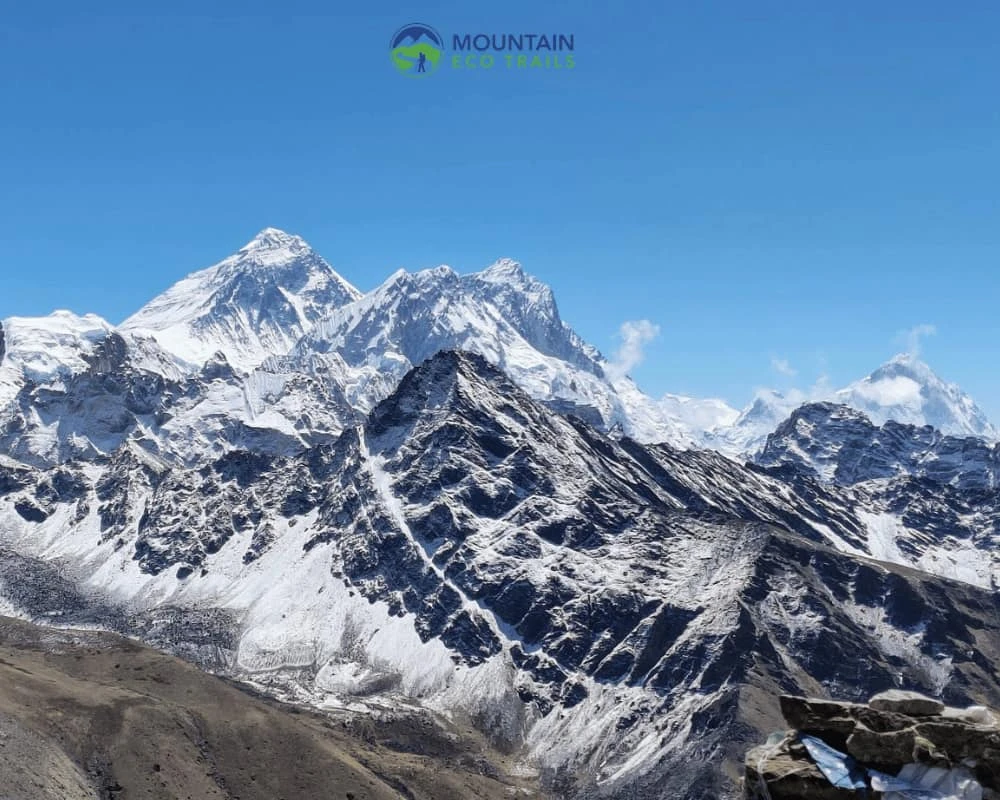
  • Awe-inspiring views of Mt. Everest, Lhotse, Nuptse, and other mountain peaks from Gokyo Ri.
  • Highest altitude freshwater lake system in the world-Gokyo Lakes.
  • Explore the Khumbu region and engage with the local Sherpa community.

The Gokyo Valley Trek is a remarkable trip in the Everest Region that leads you to the stunning Gokyo Lakes, the world’s highest freshwater lake system. This off-the-beaten-path journey offers a more serene alternative to the classic Everest Base Camp 14 Days. Trekkers travel through Sagarmatha National Park, lush rhododendron forests, roaring rivers, and culturally rich Sherpa villages.

The trail reaches Gokyo Ri (5,357 m), a vantage point providing breathtaking panoramic views of Mount Everest, Lhotse, Cho Oyu,Makalu, and other Himalayan giants. Along the way, you’ll experience the warm hospitality of the Sherpa people and stay in cosy teahouses in small settlements like Namche Bazaar, Dole, and Machhermo.

The journey typically begins with a thrilling flight to Lukla, then winds up the Dudh Koshi River valley to the bustling Namche Bazaar. From Namche, the trail continues through the villages like Dole and Machermo to reach the Gokyo Valley.

It’s a moderately strenuous trek suitable for trekkers with good fitness and some high-altitude trekking experience. Proper acclimatisation and preparation are crucial, as you’ll be hiking to elevations above 5,300 m in approximately two weeks. In summary, the Gokyo Valley Trek promises adventure, natural beauty, and cultural insights on a route less travelled, truly living up to its reputation as one of the finest Everest region treks.

Do you know, you can do the Everest Gokyo Valley Trek in 15 Days, combining the trek with Everest Base Camp.

How Long is the Gokyo Valley Trek in the Everest?

The length of the Gokyo Valley Trek can vary depending on the exact route and acclimatisation needs, but it typically takes around 10–12 days of actual trekking from Lukla back to Lukla. Our itinerary below outlines a 10-day Gokyo Valley trek. Standard Gokyo trek packages often span 11–14 days to allow for additional acclimatisation; often trekkers spend one extra day in Gokyo Valley.

In terms of distance, you will be walking roughly 100 km in total throughout the trek. The route entails steady ascents up the Dudh Koshi valley, with a major elevation gain from Lukla (2,840 m) to Gokyo Ri (5,357 m).

Magnificent Views of Mount Everest from the Gokyo Ri Hike

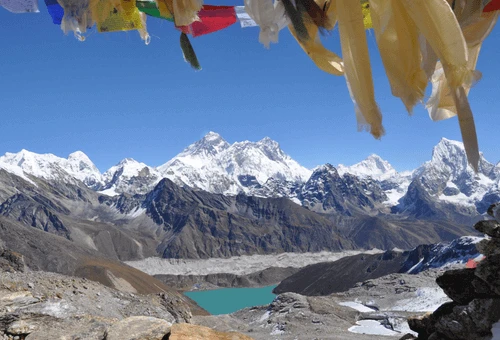
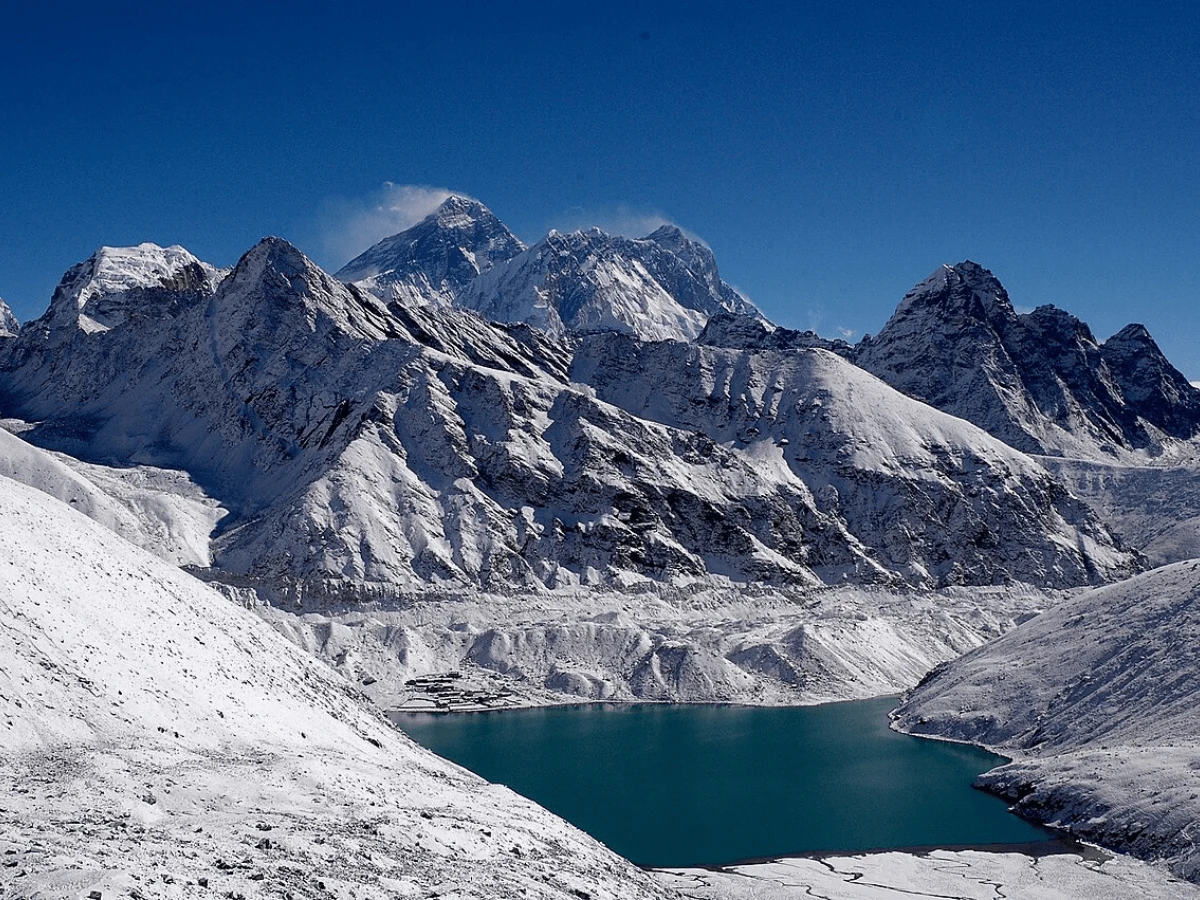
The main highlight of this 10-Day Gokyo Valley Trek is a Hike to Gokyo Ri to witness the views of 8000-meter mountains, including Mount Everest. Gokyo Ri is a rocky peak just above Gokyo village that delivers magnificent views of Mount Everest and other neighbouring peaks.

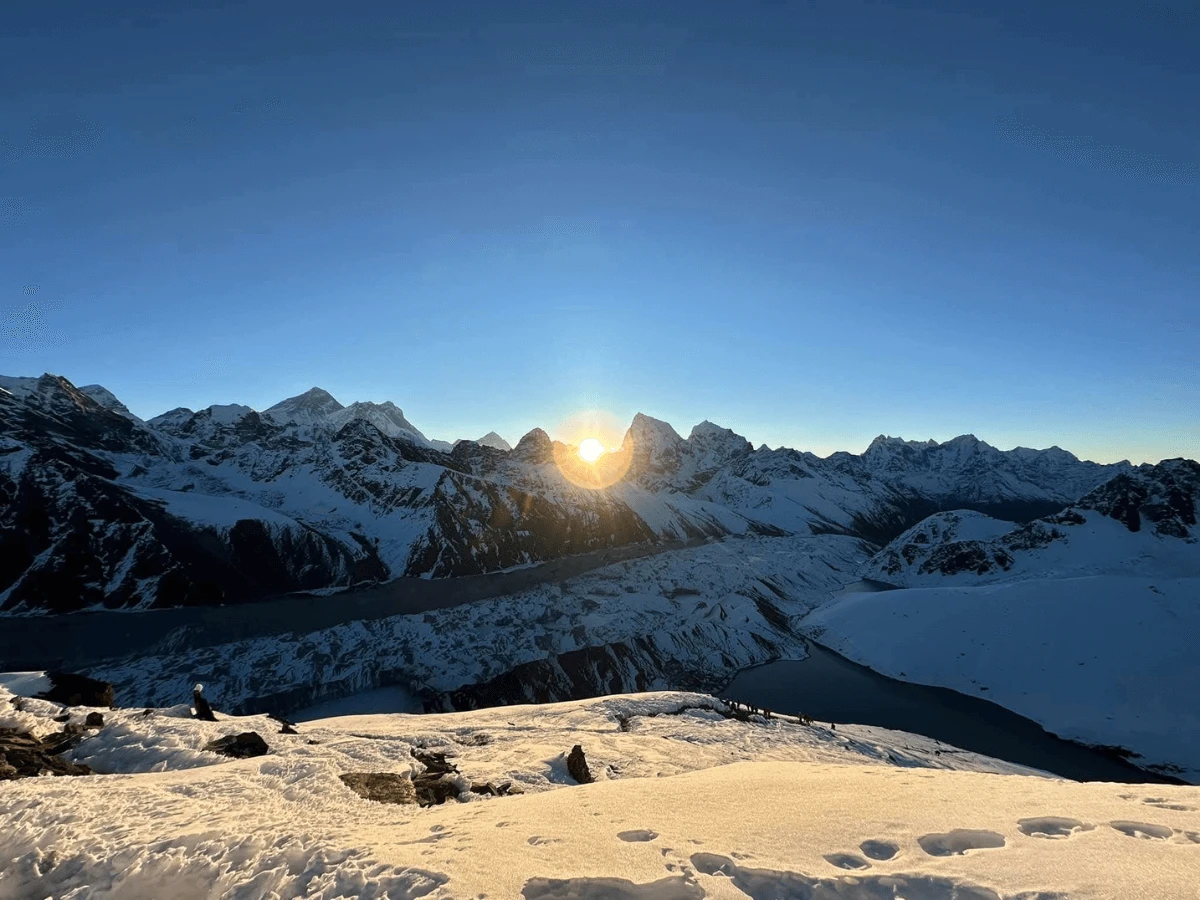
Starting early before dawn, reaching the summit in time for sunrise provides a truly magical scene: the first rays of the sun paint the tips of Everest, Lhotse, Makalu, and Cho Oyu in gold. Trekkers often describe the 360-degree panorama from Gokyo Ri as one of the best in the Himalayas. It offers one of the most breathtaking panoramic views of the entire Everest range.

10-Day Gokyo Valley Trek cost 2026,2027

The cost of the Gokyo Valley (Gokyo Ri) Trek can vary widely depending on the level of service, group size, and whether you trek independently or with an organised package. Generally speaking, a guided Gokyo Valley Trek package of about 10–14 days will range from approximately USD 1,200 up to $2,500 per person. This typically includes the major expenses like internal flights (Kathmandu–Lukla round trip), trekking permits, guide, accommodations in teahouses, and meals during the trek. The lower end of the range might be a basic package with tea-house accommodation and minimal extras, while the higher end could involve more comfortable lodge options or all-inclusive services.

Join Mountain Eco Trails for the 10-Day Gokyo Valley Trek

Trek with Mountain Eco Trails for a professionally organised and eco-conscious adventure in the Himalayas. Mountain Eco Trails is a leading local trekking company in Nepal known for its commitment to sustainable travel and excellent client service. Choosing to do your Gokyo Valley Trek with Mountain Eco Trails means you’ll benefit from experienced Sherpa guides, well-planned itineraries, and personalised attention every step of the way. Here are the benefits of choosing Mountain Eco Trails for the Gokyo Lake Trek in Nepal: 

  • Complimentary Airport pick-up and drop-off. (if needed)
  • An experienced trekking guide who knows the trail like a home.
  • Hassle-free last-minute booking and trek arrangements.
  • Trekking Poles, Duffel Bag, and SIM card if needed.
  • First Aid Kid carried by the trekking Guide.
  • Regular communication with the trekking leader during the trek.
  • A complimentary farewell dinner before departing from Nepal.
  • Complimentary Trekker's Massage after the trek

If you are still confused about any of the services, feel free to contact us via email or WhatsApp at +9779849790153. 

Itinerary

Your 10-Day Gokyo Valley Trek begins with an early morning flight from Kathmandu to Lukla. The scenic 35-minute flight lands at Lukla’s famous mountain airstrip. The trail from Lukla (2,840 m) gently descends through lush green hillsides and Sherpa villages.

You’ll trek along the Dudh Koshi River, crossing several suspension bridges festooned with prayer flags. After passing small settlements like Chheplung and Thado Koshi, you reach Phakding, a riverside village. This first day is relatively short. In Phakding, you can rest at a teahouse overlooking the river. Overnight stay at Phakding.

  • Max Altitude:2610 meters
  • Accommodation:Tea House
  • Time:4-5 Hours
  • Meals:Breakfast, Lunch, Dinner

After breakfast in Phakding, you continue north along the Dudh Koshi Valley. The trail winds through pine and rhododendron forests, and you’ll crisscross the river multiple times on high suspension bridges. At Monjo, you enter Sagarmatha National Park, where your permits are checked. The route then follows the river to the foot of the day’s big ascent.

After lunch beside the river, you begin a long uphill climb. As you trek up the forested switchbacks, keep an eye out for glimpses of Everest on your left – there’s a famous viewpoint about halfway up where, weather permitting, you get your first distant view of Mount Everest.

The final push brings you to Namche Bazaar (3,440 m), the colourful hub of the Khumbu region. Namche is built on terraced hillsides, bustling with shops, gear outfitters, bakeries, and lodges. Overnight stay at Namche.

  • Max Altitude:3440 meters
  • Accommodation:Teahouse
  • Time:6-7 Hours
  • Meals:Breakfast, Lunch, Dinner

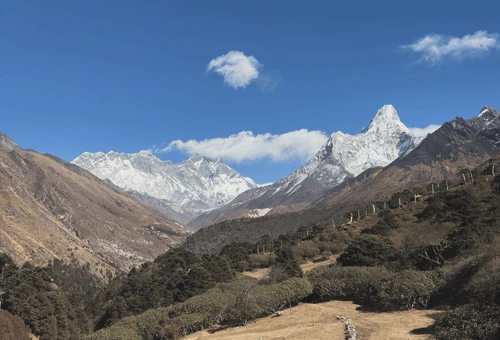
To aid acclimatization, you spend a full day in Namche Bazaar. Rather than complete rest, it’s recommended to take an acclimatization hike to higher elevation and return to Namche to sleep. A popular option is a hike up to the Everest View Hotel (3,880 m) in Syangboche. From the hotel’s terrace, you can marvel at a panorama of Everest, Lhotse, Nuptse, Ama Dablam, Thamserku and other peaks – a stunning reward for the climb.

You can also visit Khumjung village (3,780 m) and its monastery. These side hikes not only provide great views but also push your body to nearly 3,900 m, stimulating acclimatisation. After the hike, return to Namche for lunch.

The rest of the day can be spent exploring Namche’s sights: check out the Sherpa Culture Museum or the Everest Photo Gallery. Namche has internet cafes, souvenir shops, and markets.

  • Max Altitude:3440 meters
  • Accommodation:Tea House
  • Time:4-5 Hours
  • Meals:Breakfast, Lunch, Dinner

Leaving the buzz of Namche, you embark on a quieter trail towards the Gokyo Valley. The path climbs steeply out of Namche to a high ridge, from which you get one last splendid view of Everest and Ama Dablam behind you. The trail continues to the Dudh Koshi at Phortse Tenga through rhododendron forests. After crossing a bridge and having lunch by the river, you face a steady uphill afternoon.

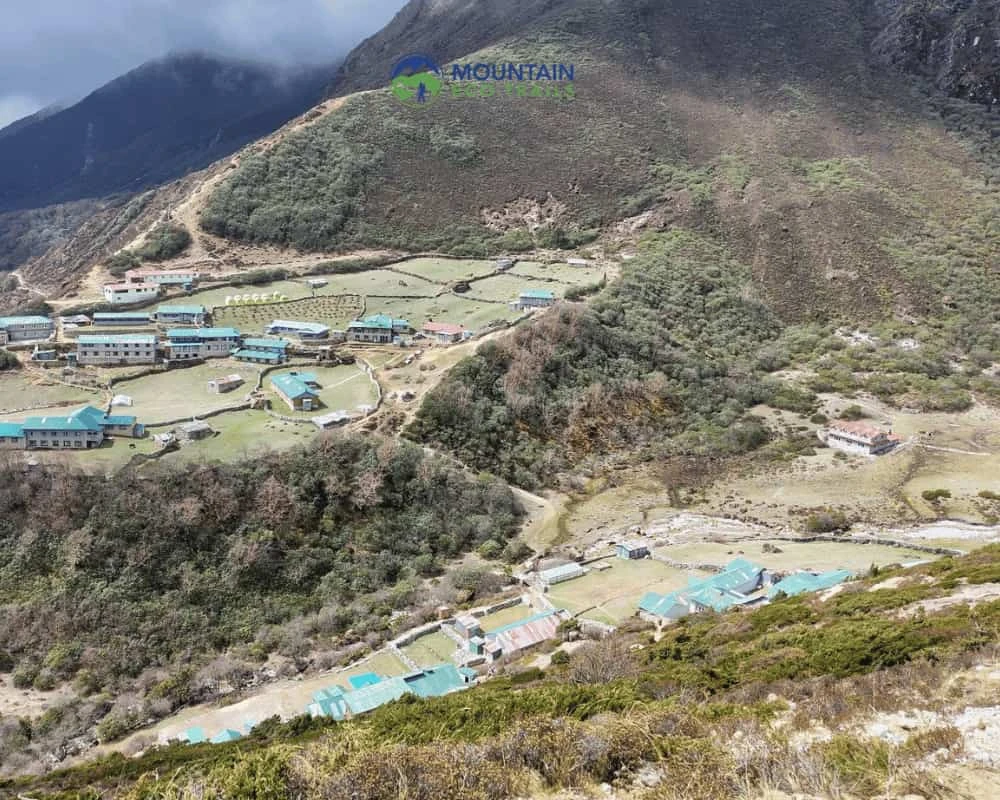
You’ll likely spot yak pastures along the hillsides. By late afternoon, you reach Dole (4,200 m), a small settlement of lodges and stone huts set on an open hillside. Overnight stay at Dole Village. 

  • Max Altitude:4200 meters
  • Accommodation:Tea House
  • Time:6-7 Hours
  • Meals:Breakfast, Lunch, Dinner

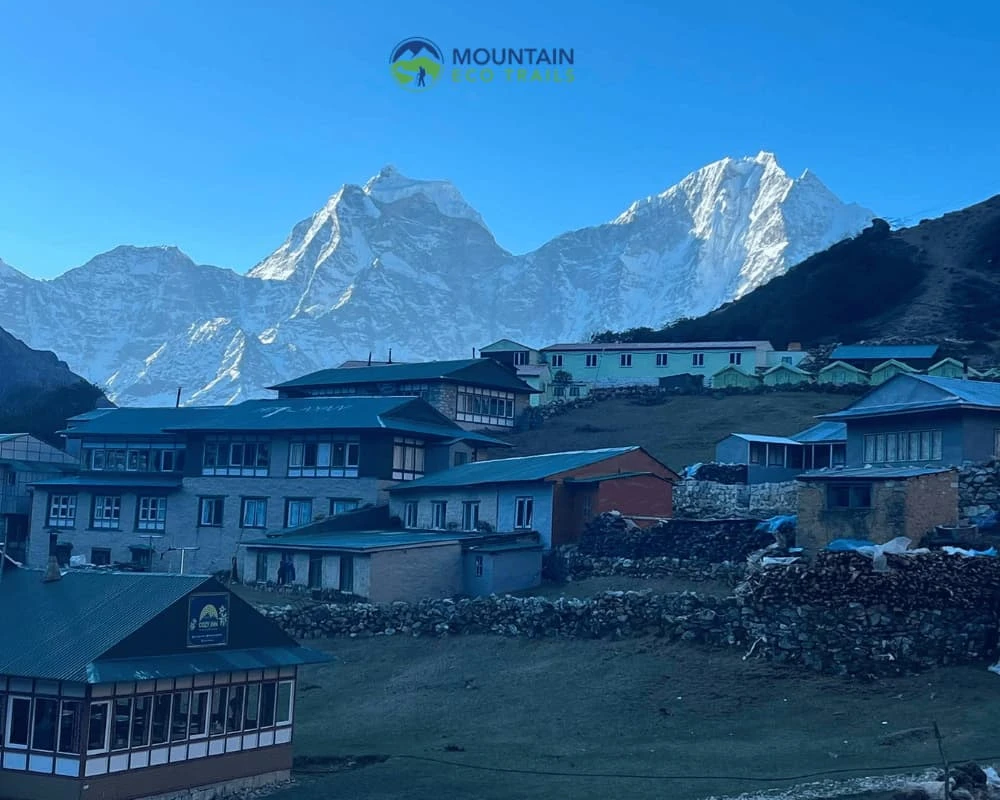
Departing Dole, the trail ascends gradually along the side of the valley. You hike through high alpine terrain with dwarf rhododendrons and mosses. The Dudh Koshi River can be seen far below, a thin ribbon in the valley. As you climb, look back for increasingly jaw-dropping views of Kangtega and Thamserku peaks.

After Luza Village, a bit more uphill trekking brings you to Machhermo (4,470 m) by early afternoon. Machhermo is a scenic cluster of stone houses in a broad valley, backed by cliffs. Since you’ll arrive relatively early, you have time to rest and acclimatise. Take it easy, enjoy the afternoon sun if the weather is clear, and perhaps climb a ridge behind the village for acclimatisation and views. Overnight stay at Macchermo.

  • Max Altitude:4470 meters
  • Accommodation:Tea House
  • Time:3-4 Hours
  • Meals:Breakfast, Lunch, Dinner

After breakfast, you set out from Machhermo on the final approach to Gokyo. A short climb leads to a ridge with excellent views of the valley ahead. The trail ascends past Pangka (4,480 m) before a steeper section as you climb the side of the Ngozumpa Glacier’s moraine. 

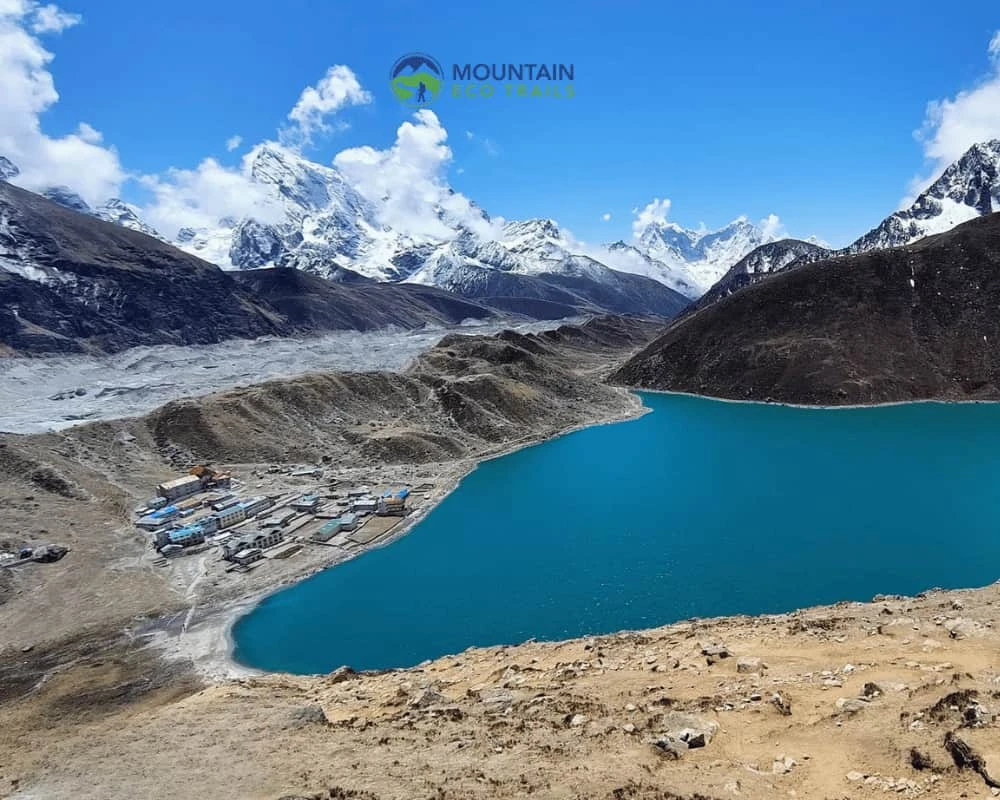
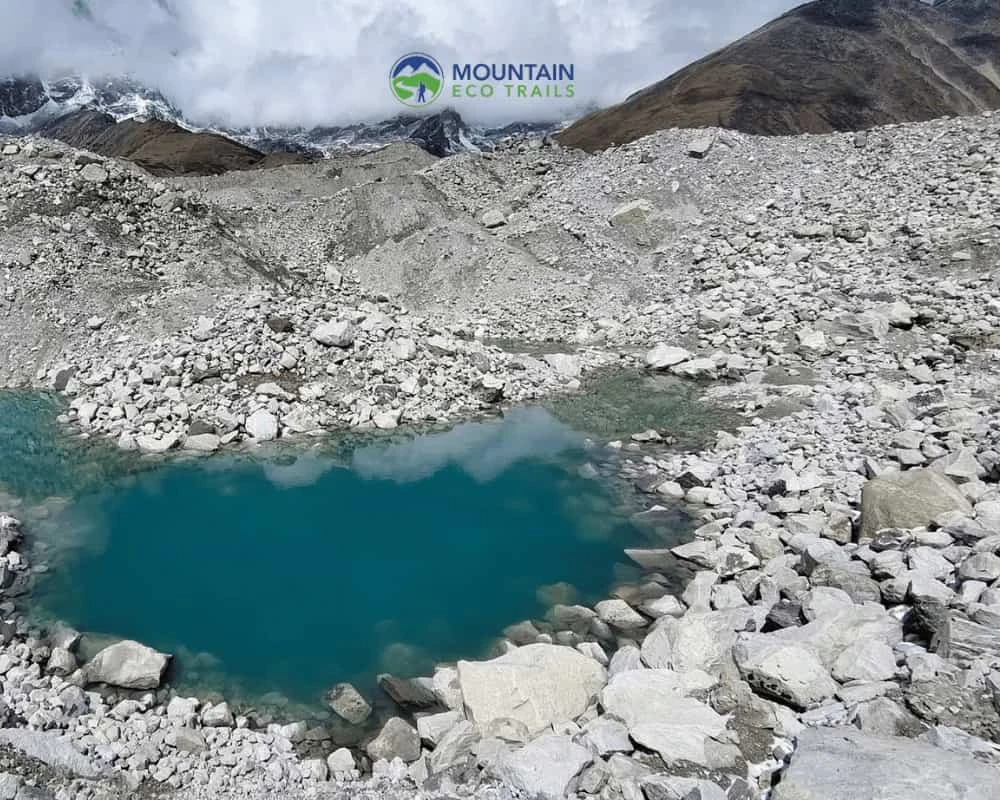
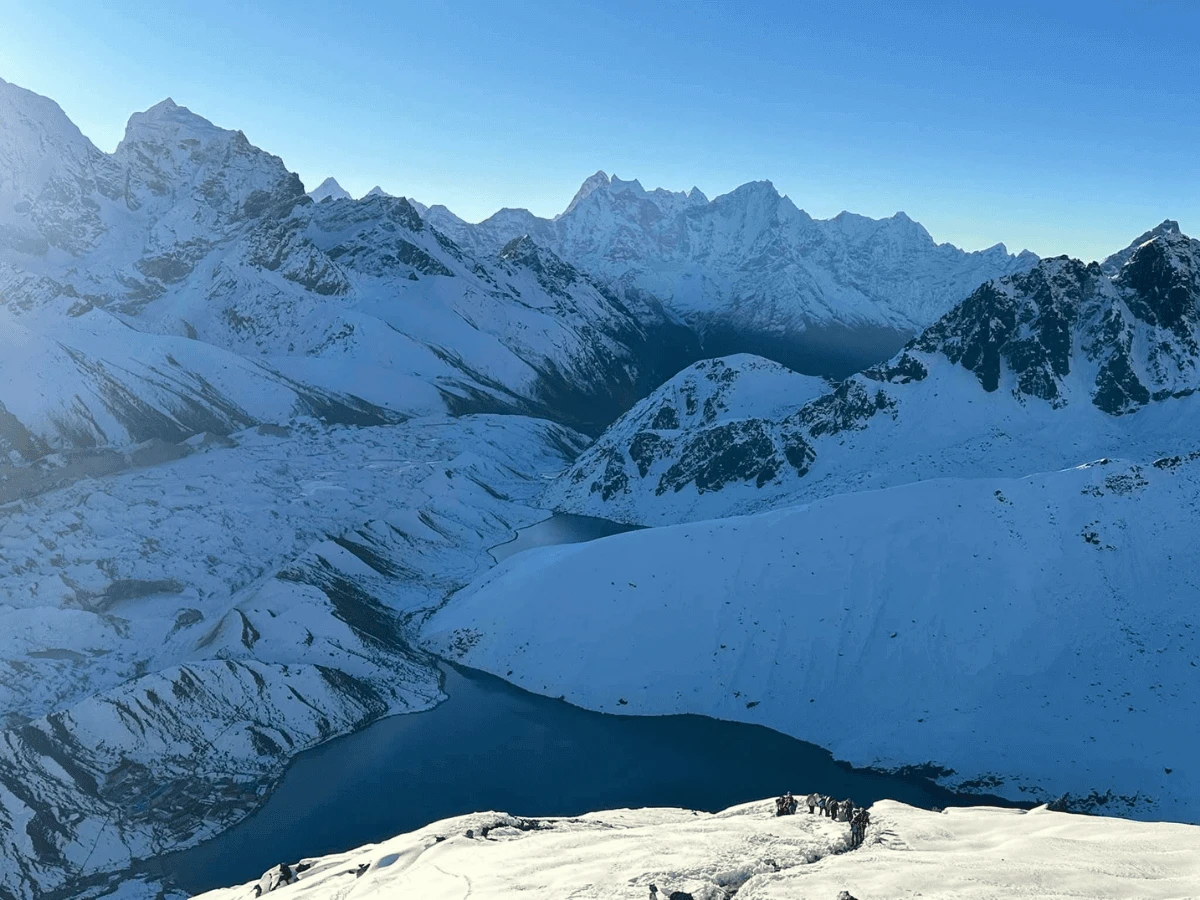
Soon, you crest the moraine and encounter the first of the Gokyo Lakes: Longpongo (Fourth Lake), Taboche Tsho (Second Lake), larger and equally mesmerising. Finally, a short walk leads to the crown jewel—Dudh Pokhari (Gokyo Lake), the third and largest lake, on whose eastern shore sits Gokyo village (4,790 m).

Congratulations, you have reached Gokyo! The tiny settlement of lodges feels almost surreal with its incredible surroundings. After lunch at your lodge, you have the afternoon free. You can stroll around the Gokyo Valley or Gokyo Lake to enjoy the day. Overnight stay at Gokyo Valley.

  • Max Altitude:4790 meters
  • Accommodation:Tea House
  • Time:5-6 Hours
  • Meals:Breakfast, Lunch, Dinner

Today is challenging yet immensely rewarding. Wake up early around 3-4 am, and you’ll start the ascent of Gokyo Ri. It’s a tough 2-3 hour push to the summit. Reaching the summit of Gokyo Ri in time for sunrise is an unforgettable moment. The panorama from the top is truly awe-inspiring, you’re surrounded by Himalayan giants: Everest, Nuptse, Lhotse, Nuptse, and Makalu.

After the hike, descend to the lodge, reward yourself with a late breakfast or hot tea. Once rested, it’s time to say goodbye to Gokyo and begin the return journey. You retrace your steps down the Gokyo Valley. The trail goes relatively quickly downhill – in a few hours, you’re back through Machhermo, Luza and then to Dole Village for an Overnight Stay. 

  • Max Altitude:4200 meters
  • Accommodation:Tea House
  • Time:8-9 Hours
  • Meals:Breakfast, Lunch, Dinner

Today, you continue descending. Departing Dole, you head down the valley, passing through the hamlet of Phortse Tenga by the river and then tackling a hill up to Mong La. The trail undulates a bit, there’s some uphill to Mong La and perhaps a detour through the Khumbila foothills, but it’s far easier than before. With thinner air behind you, you’ll likely feel more energetic. Along the way, enjoy the last quiet moments in the Gokyo side of the valley.

Back in Namche, you can enjoy creature comforts again: maybe a hot shower, bakery treats, or even internet to communicate with loved ones and share your Gokyo Ri success. This is effectively the end of the wilderness part of your trek. Overnight stay at Namche. 

  • Max Altitude:3440 meters
  • Accommodation:Tea House
  • Time:6-7 Hours
  • Meals:Breakfast, Lunch, Dinner

It’s the last day on the trail! After breakfast in Namche, you begin a long descent. The route drops sharply out of Namche, taking the same path you climbed on Day 2. You’ll cross the high suspension bridges again, bidding farewell to the Dudh Koshi’s deep gorge. Passing Jorsalle and Monjo, you officially exit Sagarmatha National Park.

The final stretch from Phakding up to Lukla is a last uphill push. It can feel surprisingly tough at the end of a long day. By late afternoon, you climb the final steps into Lukla, where it all began.

Congratulations, you have completed the Gokyo Valley Trek! This evening, celebrate with your trekking crew. Many trekkers gather in Lukla’s tea houses and bars for impromptu parties – you might share a drink, enjoy music, or even dance with Sherpa staff in celebration. Overnight in Lukla.

  • Max Altitude:2860 meters
  • Accommodation:Tea House
  • Time:7-8 Hours
  • Meals:Breakfast, Lunch, Dinner

After breakfast as Lukla, you’ll have an early morning flight out of Lukla back to Kathmandu. Bid goodbye to the Khumbu mountains as your small plane takes off from Lukla’s short runway – it’s a thrilling ascent into the sky. During the 30-minute flight, you get a final aerial view of the hills and perhaps even distant Everest if sitting on the right side.

Upon landing in Kathmandu, you’ll be whisked from the crisp mountain air back to the warm, oxygen-rich Kathmandu Valley. It’s the end of the trek. Take the rest of the day to relax, enjoy a hot shower and maybe a massage, and celebrate your successful Gokyo Valley Trek. You’ve seen some of the most spectacular scenery in the Himalayas on this 10-day adventure. Namaste!

  • Max Altitude:1350 meters
  • Time:45 Minutes
  • Meals:Breakfast,

The Outlined itinerary has been thoughtfully crafted to offer a balanced and rewarding trekking experience, ensuring proper acclimatisation, scenic highlights, and a comfortable walking pace for most trekkers. However, we understand that every traveller has unique preferences, fitness levels, and schedules. To make your journey truly personalised, we offer complete flexibility in customising your itinerary. Adjustments can be made in the following areas:

  • Duration: Extend or shorten the trek based on your available time.
  • Pace & Difficulty: Modify daily distances and rest days to match your comfort and acclimatisation needs.
  • Route Options: Include side trips, cultural detours, or scenic viewpoints for a richer experience.
  • Accommodation: Choose from simple tea houses to more comfortable lodges where available.
  • Personal Interests: Tailor your trek to focus on photography, nature, culture, or spiritual exploration.

If you’d like to modify this plan or create a custom itinerary, please reach out to us. Our team will be delighted to design a journey that perfectly fits your expectations and travel goals.

Cost Includes
  • International airport picks up and drops in a private vehicle.
  • Domestic airport picks up and drops in a private vehicle.
  • Sagarmatha National Park Entry permit fee.
  • Khumbu region municipality entry permit fee.
  • Kathmandu-Lukla-Kathmandu domestic flight fare.
  • Professional and English-speaking trekking Guide. 
  • Guide expenses that include flight fare, meals, accommodations, and insurance during the trek.
  • Meals during the trek (Breakfast, Lunch, Dinner) (Tea/Coffee during breakfast only) 
  • Accommodation during the trek on a sharing basis. 
  • Seasonal Fruits after dinner every day during the trek. 
  • Rescue Arrangement if needed after your insurance claim, the evacuation bills. 
  • All government and local taxes.
Cost Excludes
  • Personal expenses during the trek.
  • Personal trekking gear.
  • Drinks and beverages like alcohol, cold drinks, etc.
  • Porter cost (if needed, $22 per day)
  • Travel insurance and emergency evacuation via Helicopter.
  • Extra days in mountain in case of bad weather, flight cancellation, or any other situation which is not in our hand. 
Availability

At Mountain Eco Trails, we understand that every traveller has unique schedules and preferences. That’s why we offer flexible departure dates for all our trekking and tour packages. Whether you’re a solo traveler, a couple, or a group, we can customise your trekking departure date to best fit your itinerary.

  • Customised Departures for Your Convenience
  • Tailor-made departure dates: You are not limited to fixed schedules; we arrange treks based on your preferred dates.
  • Private & group treks available: Join an existing group or plan a private trek at your convenience.
  • Seasonal recommendations: We can suggest the best departure dates based on weather, trekking conditions, and your availability.
  • Short-notice departures: Need a last-minute trek? We’ll do our best to accommodate your request.

Feel free to contact us with your preferred dates, and we’ll craft the perfect trekking experience for you!

Select a Departure Month
Start DateEnd DatePriceStatus 
Start DateStarts: SundayJan 11, 2026End DateEnds: TuesdayJan 20, 2026PricePriceUS$1299StatusStatusAvailable
Start DateStarts: SundayJan 18, 2026End DateEnds: TuesdayJan 27, 2026PricePriceUS$1299StatusStatusAvailable
Start DateStarts: SundayJan 25, 2026End DateEnds: TuesdayFeb 03, 2026PricePriceUS$1299StatusStatusAvailable
Good to Know

Eco Tourism

Eco-tourism is a cornerstone of trekking in the Gokyo Valley. The region lies within Sagarmatha National Park, a fragile alpine ecosystem that is home to rare wildlife and flora. Trekkers are encouraged to travel responsibly to minimise their impact on the environment. This includes simple practices like carrying out all non-biodegradable trash, refilling water bottles (using purification tablets or filters) instead of buying many plastic bottles, and staying on established trails to avoid trampling vegetation.

Travel Insurance

Travel insurance is highly recommended for the Gokyo Valley Trek. Trekking in the Everest region involves high altitudes and remote areas, where medical facilities are limited. In the event of Acute Mountain Sickness (AMS) or any injury, an emergency evacuation by helicopter might be necessary to get you to a hospital in Kathmandu. Such evacuations are very expensive. A good travel insurance policy will cover high-altitude trekking up to 5,500 m and include coverage for emergency helicopter rescue and medical treatment.

Best Time of the Year to Visit Gokyo Valley

The best time to trek to Gokyo Valley is during Nepal’s two main trekking seasons: Autumn (September to November) and Spring (March to May). During these periods, the weather in the Everest region tends to be stable, with clear skies and moderate temperatures, perfect for mountain views and comfortable hiking.

Autumn (Sept–Nov): This is generally considered the prime trekking season in Nepal. The monsoon rains have just cleared the air, resulting in crystal-clear visibility. Days are typically sunny with daytime temperatures in the higher elevations ranging from 5°C to 15°C, and nights are cold. October, in particular, offers spectacular views of the snow-capped peaks against blue skies.

Spring (Mar–May): The spring season is the second-best time to visit or trek in Nepal. After the winter, temperatures start to warm up. Early March can still be quite cold and occasionally snowy at higher altitudes, but April and May bring mild days and blooming rhododendrons. Views are still excellent. By late May, it becomes quite warm in the lower sections, and the risk of rain showers increases as the monsoon nears.

How Difficult is the 10-Day Gokyo Valley Trek?

The Gokyo Valley Trek is rated moderate to moderately challenging in difficulty. The trail is a combination of high altitude, steep ascents, and the trek’s duration can be demanding. Altitude is the most challenging part of this trek. You start at 2,840 m in Lukla and go up to 5,357 m at Gokyo Ri. 

Trekkers need to acclimatise properly to avoid altitude sickness. Likewise, expect to walk 5–7 hours on most days, with a couple of shorter days and one very long day if you do Gokyo Ri and descend far (as in our Day 7). 

In summary, if you are reasonably fit, can walk 6–7 hours a day with a daypack, and have done some multi-day hikes before, you should find the Gokyo Valley Trek manageable and immensely rewarding. Prior high-altitude experience is a plus, but not a must if you take acclimatisation seriously.

Is the Everest and Gokyo Trek Permit Card the Same?

Yes, the permits required for the Everest Base Camp trek and the Gokyo Valley trek are essentially the same permits, since both treks take place in the Sagarmatha (Everest) region. Trekkers heading to Gokyo will need to obtain the following permits, identical to those for EBC trekkers:

  • Sagarmatha National Park Entry Permit: Sagarmatha National Park encompasses the entire Everest region, including Gokyo. This permit is mandatory for anyone trekking beyond Monjo.
  • Khumbu Pasang Lhamu Rural Municipality Entry Permit: Often simply called the “local permit” for the Everest region, this replaced the older TIMS card in this area. It costs NPR 3,000 (USD 25) per person. This permit is usually obtained in Lukla or Monjo at a checkpoint. It’s required for all trekkers in Khumbu (both EBC and Gokyo routes).

Accommodation During the 10-Day Gokyo Valley Trek

Accommodation on the Gokyo Valley Trek is in teahouses, which are family-run guesthouses along the trekking route. Most teahouse rooms are twin-sharing, with two single beds (wooden frames) and foam mattresses. Bedding is usually provided, but at higher elevations, the blankets may not be very thick – it’s essential to have a good sleeping bag (rated to at least -10°C or lower) for warmth at night. About the bathroom and toilet, you might find rooms with attached bathrooms (if you pay a premium), but the standard is shared bathrooms.

Meals During the Gokyo Valley Trek

Meals on the Gokyo Valley Trek are also provided by the tea houses, offering a menu of hearty, carb-rich foods to refuel trekkers. Don’t expect gourmet cuisine, but the food is generally tasty and filling. For breakfast, you will get porridge, Tibetan Breads, muesli, potato items, Toast, Egg Items, Pancakes, Chapati, Corn Flakes, etc., with Hot drinks. Likewise, for dinner and Lunch, Traditional Nepali Daal Bhat, Pizza, Burger, Spring Roll, Noodle Items, Macaroni, Pasta, Thenduk, Sherpa Stew, Thukpa, Chow Mein, Mo Mo, etc. There is are wide range of meals, you can choose one main course during each meal. 

Trekking Gear to Pack for the 10-Day Gokyo Valley Trek

Packing the right trekking gear for the Gokyo Ri Trek can make the difference between an enjoyable adventure and a difficult one. Here’s a checklist of essential gear and clothing, considering the range of conditions you’ll encounter:

Trekking Boots: A sturdy, well-broken-in pair of waterproof trekking boots with good ankle support is a must. The trails are rocky, and you’ll need support on uneven terrain. Make sure they’re comfortable for full-day hikes and have decent tread for grip.

Clothing Layers: The key is layering for a wide range of temperatures.

  • Base Layers: Moisture-wicking thermal tops and bottoms for the cold nights and for higher elevations.
  • Trekking Shirts: 2–3 quick-dry T-shirts or long-sleeve shirts. 
  • Fleece or Insulating Layer: 
  • Down Jacket: A heavy down jacket is essential for cold evenings and for the Gokyo Ri pre-dawn hike.
  • Trekking Pants: 2 pairs of quick-drying trekking pants.
  • Waterproof Jacket & Pants: A breathable rain jacket and rain pants. 
  • Underwear and Sports Bra

Head and Hand Gear:

  • Warm Hat: A wool or fleece beanie that covers your ears. 
  • Sun Hat/Cap: For strong sun at altitude.
  • Buff or Scarf: A neck gaiter (Buff) is extremely useful to protect your face from dust or cold wind.
  • Gloves: Two layers ideally – a lightweight inner glove and a waterproof/windproof outer glove or mitten

Footwear and Socks:

  • Besides your main boots, bring camp shoes or sandals.
  • Trekking Socks: 4-5 pairs of good wool or synthetic blend socks for hiking. 
  • Some people use liner socks under their main socks to prevent blisters.

Trekking Gear:

  • Sleeping Gear
  • Backpack of at least 50-60L
  • Duffel Bag (if you hire a porter)
  • Trekking Poles
  • Sunglasses
  • Headlamp
  • Water Bottles/CamelBak
  • Water Purification
  • First Aid and Medications.
  • Toiletries

Miscellaneous:

  • Camera/Phone and Chargers
  • Earplugs and Eye Mask
  • Maps/Guidebook
  • Snacks
  • Money
  • Trekking permits/documents
  • Rain cover/Plastic bags

Altitude Sickness While Trekking to Gokyo Valley

Altitude sickness is a critical concern when trekking to Gokyo Ri, as you’ll be ascending to heights over 5,300 m. It’s caused by the body not getting enough oxygen at high altitude. Common symptoms of AMS include headache, nausea, loss of appetite, trouble sleeping, dizziness, and fatigue. Nearly everyone will feel some shortness of breath and increased heart rate at altitude, which is normal. But if you experience worsening headaches, vomiting, or difficulty walking straight, these could be serious signs.

On the Gokyo trek, altitude sickness can potentially hit after you go above 3,000 m. That’s why we schedule an acclimatisation day in Namche and keep the daily ascent moderate. Here are important points and tips regarding altitude on this trek:

  • Go Slow and Steady: It’s vital not to ascend too quickly.
  • Always communicate with your guide about how you’re feeling; if needed, take an extra day to acclimatise.
  • Hydration and Diet: Drink plenty of fluids – at least 3-4 litres per day.
  • Medication: Some trekkers use Diamox (acetazolamide) as a preventive measure. Diamox helps your body acclimate faster by encouraging deeper breathing. If you plan to use it, consult a doctor beforehand.

Check out High Altitude Sickness and Prevention for more information regarding the AMS

Booking Procedure

Booking a trek like Gokyo Valley can be done either through the website package, choosing your departure day, or contacting us directly to customise your date. In short, booking a Gokyo trek is straightforward: choose a date, confirm with us, do the paperwork, and pack your bags.

Mountain Eco Trails handles the heavy lifting of logistics, leaving you free to enjoy the hike. Just be sure to communicate any special requirements (dietary needs, etc.) during booking so they can accommodate. Planning (especially for peak Oct/Nov or Apr seasons) is wise to secure Lukla flights and good guides. Once booked, you can count down the days to your Gokyo adventure with confidence that the details are taken care of. Furthermore, you can contact us directly on WhatsApp if you need to customise your trip at +9779849790153. 

FAQs
  • Gokyo Valley Trek starts from Lukla airport.

  • It takes around 10-15 days to finish Gokyo Valley Trek.

  • You don’t need to be a super athlete or experienced mountaineer, but a reasonable level of fitness is important. It’s recommended to do some training before the trek: jogging, cycling, swimming, or hiking on weekends to build stamina. Focus on cardio and leg strength.

  • Gokyo Ri stands at about 5,357 meters (17,575 ft) above sea level. Yes, Mount Everest is visible from the summit of Gokyo Ri on clear days. Gokyo Ri offers one of the most panoramic views in the Everest region – you can see Everest peeking behind other peaks, as well as Lhotse, Makalu, Cho Oyu, and many smaller mountains.

  • The difficulty of the two treks is comparable, both being strenuous due to high altitude. The Gokyo Valley Trek is slightly shorter in duration than the standard EBC trek. The climb up Gokyo Ri is challenging, like the Kala Patthar climb. Also, sleeping at Gokyo (4,790 m) is at a higher elevation than Gorak Shep (EBC’s last stop, 5,164 m), which some find tougher. Overall, both treks are rated moderate to challenging.

  • Absolutely – as discussed earlier, it’s a popular option to combine both into one extended trek. Commonly known as the Gokyo Lakes and Everest Base Camp Trek, this itinerary usually takes around 14–16 days. You’d trek up to Gokyo first, enjoy the lakes and Gokyo Ri, then cross Cho La Pass (5,420 m) into the Everest Base Camp side, and continue to EBC and Kala Patthar, finally looping back down via Namche to Lukla. This route is sometimes called the Everest Circuit.

  • You need two permits: the Sagarmatha National Park Entry Permit and the Khumbu Pasang Lhamu Rural Municipality Permit. The Sagarmatha National Park permit (NPR 3,000) can be obtained in Kathmandu (Nepal Tourism Board office) or at Monjo at the park entrance. The Khumbu rural permit (NPR 3000) is usually obtained at Lukla or Monjo.

SimilarTrips
You may also like
Did not find what you are looking for? No worries!

Let us help you plan your perfect holiday.