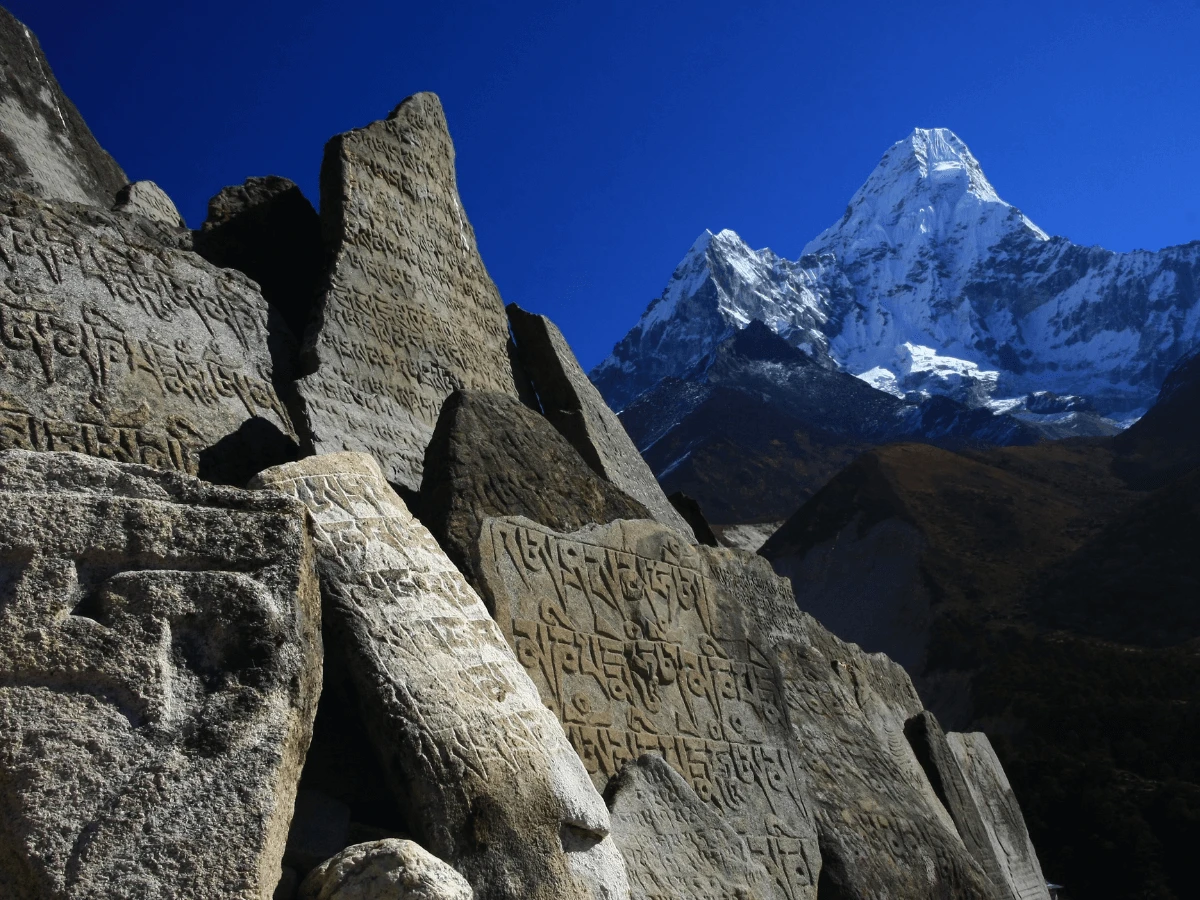


Ama Dablam Base Camp Trek

tripadvisor rating1 Reviews
google rating20 Reviews

The Ama Dablam Base Camp Trek offers a scenic journey through Sherpa villages, ancient monasteries, and rhododendron valleys before leading you to the foot of one of Nepal’s most iconic peaks. This moderate adventure delivers close-up views of Ama Dablam, Everest, and Lhotse while keeping the route less crowded than classic EBC trails. Ideal for trekkers seeking culture, mountain panoramas, and a rewarding Himalayan experience in under 10 days. Join Mountain Eco Trails for a safe, guided, and well-paced trek.

  • DestinationNepal
  • Duration8 Days
  • Difficulty Level Moderate
  • Max. Altitude4600 meters
  • Starts/EndsLukla/Lukla
  • Trip Distance80 KM
  • Trip StyleTrekking
  • Group SizeMin 1 Pax.
  • Best SeasonSpring and Autumn

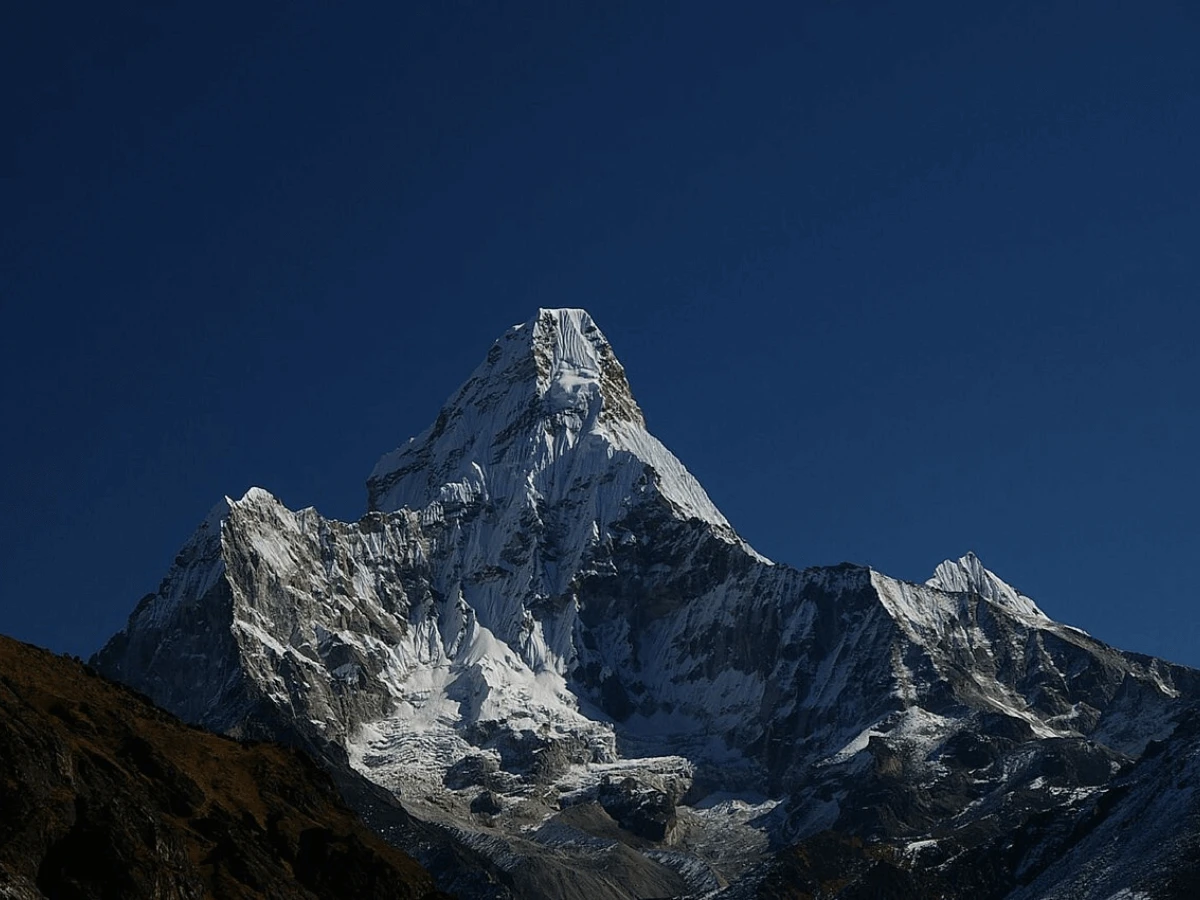
The Ama Dablam Base Camp Trek is an 8-day trek that takes you to Nepal's Everest (Khumbu) region, which leads to the base camp of Ama Dablam — a 6,812-metre peak widely regarded as one of the world's most beautiful mountains.

The Ama Dablam Base Camp Trek is an 8-Day trip in the Everest Region that follows the trail from Lukla through Namche Bazaar to Pangboche, then makes a day hike toward the foot of Ama Dablam at approximately 4,600 m (15,092 ft).

You will trek through the trail of the Everest Base Camp Trek to Pangboche, then continue towards the Ama Dablam Base Camp. The trek is suitable for those who are seeking Sherpa villages, big-mountain scenery and a shorter Khumbu journey, with a serious high-altitude day.

During the trek, explore Namche Town, Tengboche Monastery, and visit the mighty Ama Dablam Base Camp within 8 Days. Ama Dablam Trek is an option for those trekkers who do not want to reach Everest Base Camp but want to explore the Khumbu Region.

The Ama Dablam Trek is moderate in Difficulty in this 8-Day Itinerary. The distance of the Ama Dablam Base Camp Trek is 80 KM round trip. The best time to do this 8-Day Ama Dablam Trek is spring and autumn, with some exceptions in the winter season as well.

Highlights of the Ama Dablam Base Camp Trek

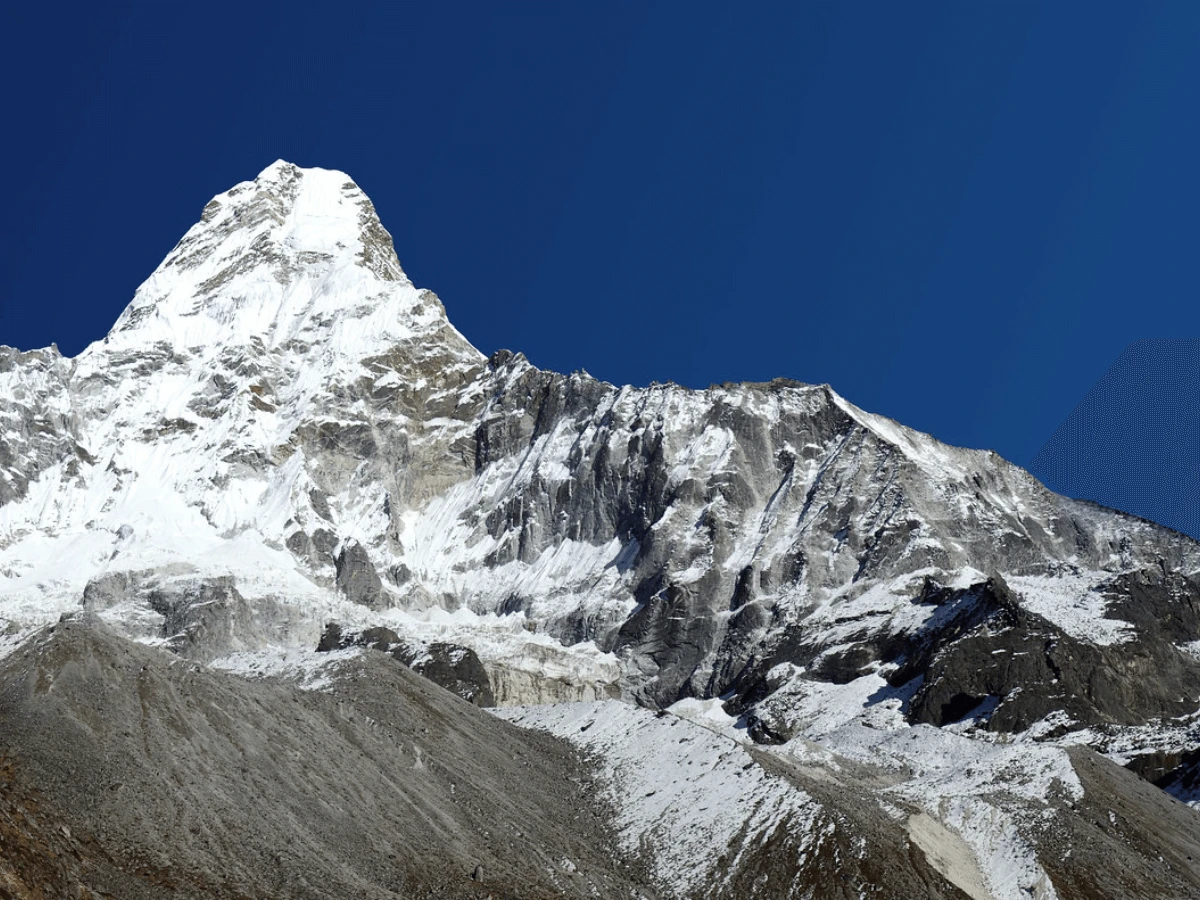
  • Admire the beauty of Mount Ama Dablam from the closest viewpoint, Base Camp at 4600 meters.
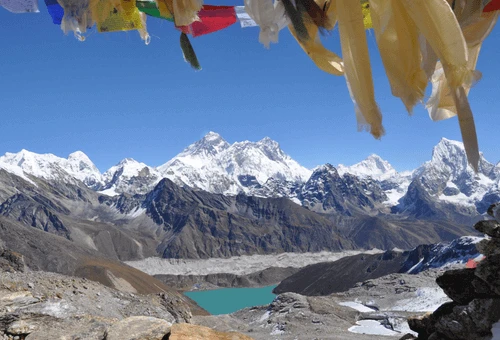
  • Witness other high peaks such as Lhotse (27889ft/8498m), Everest (29035ft/8848m), Makalu (27838ft/8485m), and several others.
  • Get an experience of the Khumbu Region without trekking to Everest Base Camp.
  • Less-crowded Trek from Pangboche to Ama Dablam Base Camp.

Ready to explore your options? Email us with your dates and group size, or contact us on WhatsApp at +9779849790153.

Is this a good alternative to the Everest Base Camp trek?

Yes, the Ama Dablam Trek can be a good alternative to the Everest Base Camp Trek if you do not want to reach high altitude. Both treks start at Lukla and follow the same trail as the EBC to Pangboche via Namche Bazaar. From Pangboche, this trip visits Ama Dablam Base Camp and then returns, instead of continuing towards Gorak Shep.

Who Can do this Ama Dablam Base Camp Trek?

Trekkers who have around 8 Days and want to stroll around the Everest Region without committing to EBC. The route also gives you time to visit the Namche and Tengboche area. Moreover, the Ama Dablam Base Camp Trek can be done by all types of trekkers, from beginners to experienced trekkers, and even families can do this trek.

Trekkers who can comfortably walk around 5-6 hours a day. The trail is uneven, with several ascents and descents. Trekkers who are strong hikers and can handle altitudes above 4000 meters can do this trek.

If you prefer more time to acclimatise, ask about a longer variation before booking rather than hoping to change a tight schedule on the trail.

Ama Dablam Base Camp Trek Map and Route

Ama Dablam Route in one line: Lukla → Phakding → Namche Bazaar → Tengboche area → Pangboche → Ama Dablam Base Camp → Pangboche → Monjo → Lukla.

The first day of trekking descends from Lukla to the Dudh Koshi Valley, reaching Phakding. The trek then continues towards Namche Bazaar, the acclimatisation point. After 2 days in Namche, you will ascend to Pangboche via Tengboche. From Pangboche, you will hike to Ama Dablam Base Camp and then return to Lukla, retracing the same route.

The Pangboche to Ama Dablam Base Camp Hike

You will trek from Namche to Pangboche to stay overnight in this village. The next morning, the day begins with a hike from Pangboche to Ama Dablam Base Camp. The distance from Pangboche to Ama Dablam Base Camp is 7- 10 km round trip.

You will discuss with your guide the previous night regarding the hike and the starting time. Discuss four practical matters with your guide the night before: the expected turnaround time, what food and treated water to carry, the weather forecast, and what the group will do if someone feels unwell. Do not assume a shop, reliable toilet or drinking-water point is available close to base camp. Plan around what your guide has checked for that departure.

The altitude figures on this page are approximate. Different map pins and climbing-camp positions may show different elevations; the itinerary's roughly 4,600 m marks the planned high destination, not a promise that everyone must stand on a single exact spot. Leave climbing ropes, tents and equipment undisturbed, and give working teams space. Your return to Pangboche is part of the achievement.

8-Day Ama Dablam Base Camp Trek Itinerary and Elevation

The itinerary below represents our standard 8-day programme. Every departure can be customised — additional acclimatisation days, alternative route segments, or an extension to Everest Base Camp can all be arranged on request.

Day

Route

Max Altitude

Duration

Day 1

Kathmandu → Lukla → Phakding

2,610 m

4–5 hrs

Day 2

Phakding → Namche Bazaar

3,446 m

5–6 hrs

Day 3

Acclimatisation at Namche Bazaar

3,446 m

3–4 hrs

Day 4

Namche → Tengboche → Pangboche

3,930 m

4–5 hrs

Day 5

Pangboche → Ama Dablam BC → Pangboche

4,600 m

7–8 hrs

Day 6

Pangboche → Monjo

2,835 m

7–8 hrs

Day 7

Monjo → Lukla

2,840 m

5–6 hrs

Day 8

Lukla → Kathmandu (flight)

1,350 m

35 min

Ama Dablam Trek 8-Day Cost for 2027,2028

The total Ama Dablam Trek 8 Day cost ranges from USD 1200 to USD 2,000 or more per person for a standard trek lasting between 8 to 12 days. This range in cost is influenced by several factors, including the specific trekking agency chosen, the level of service provided, the size of the trekking group, and whether the package includes flights and other amenities.

Cost Component

Estimated Cost

Kathmandu–Lukla Flight (Round Trip)

$508-520

Trekking Permits for Ama Dablam

$50

Trekking Guide for Ama Dablam Trek

$30-35/day

Accommodation during the trek

$10 – $30/night

Meals (Breakfast, Lunch, Dinner)

$30 – $40/day

Taxes and VAT$80-120
Ama Dablam Base Camp Trek Package Cost Ranges $1050 to $1199

Mountain Eco Trails offers this trek at a fair price with no hidden costs and matches the price with the service provided. 

How Difficult Is the Ama Dablam Base Camp Trek?

The Ama Dablam Base Camp Trek is graded as moderate in difficulty level. The hike from Pangboche to Ama Dablam Base Camp and back can be long and challenging due to high altitude.

The highest altitude is 4600 meters at Ama Dablam Base Camp. Trekkers will gain 670 m in elevation from Pangboche 3930 meters.

The hike to Ama Dablam is quite challenging and steep. Hence, the hike can be difficult at high altitude. Fit beginners and experienced hikers can find this hike moderate.

Your cardiovascular fitness, balance on descents and willingness to walk at a steady pace all matter. Prepare with regular hill walks, stair climbs and consecutive walking days carrying the daypack you expect to use.

The two-night acclimatisation in Namche and one night at Pangboche can help in adapting to the high altitude.

Tell your guide promptly about headache, nausea, dizziness or unusual breathlessness. Do not continue up to sleep higher while experiencing altitude-illness symptoms; worsening symptoms call for descent and medical assessment. Discuss any medicines and pre-existing conditions with a qualified clinician before travel.

You do NOT need to be an experienced mountaineer. You DO need to:

  • Be able to walk 5–8 hours per day on uneven terrain
  • Have no serious cardiovascular or respiratory conditions
  • Prepare with at least 6–8 weeks of cardiovascular and leg-strength training before departure

If you

Itinerary

Your adventure begins with an early morning transfer to the domestic terminal at Kathmandu's Tribhuvan International Airport for a scenic 35-minute flight to Lukla. Upon arrival at the Tenzing-Hillary Airport in Lukla, you'll meet our trekking crew and commence your trek with a gentle downhill walk following the Dudh Koshi River towards Phakding.3 The trail passes through the Cheplung settlement, offering the first glimpses of the Khumbu region's charm and the breathtaking vista of Mount Khumbila. You'll continue along the river, crossing a suspension bridge, before arriving at the peaceful village of Phakding for your overnight stay in a comfortable tea house.

Note: In Peak season, the flight often operates from the Ramecchap Airport, which is a 4-5 hour drive away from Kathmandu.

  • Max Altitude:2650 meters
  • Accommodation:Tea House
  • Time:5-6 Hours
  • Meals:Lunch and Dinner

The real adventure begins today with a bit challenging day. After breakfast, the trail will follow downhill to the suspension bridge and ascend for 3 hours on the stone steep pathway. The beautiful village of Monjo arrives and permit check-in will be done here. Then the trek continues from here with beautiful views of mountains, and crossing the Dudh Koshi River numerous times. Jharsale is the last village before reaching Namche Bazaar. Overnight stay at Namche.

  • Max Altitude:3440 Meters
  • Accommodation:Tea House
  • Time:5-6 Hours
  • Meals:Breakfast, Lunch, Dinner

Today is dedicated to acclimatization in Namche Bazaar, allowing your body to adjust to the altitude. We recommend an optional hike to the Everest View Hotel, located a kilometer higher than Namche, offering breathtaking panoramic views of Mount Everest, Lhotse, and Ama Dablam. You can also explore the vibrant markets of Namche Bazaar, visit the Sherpa Culture Museum to learn about the local heritage, or simply relax and soak in the atmosphere of this unique mountain town.

  • Max Altitude:3440 meters
  • Accommodation:Tea House
  • Time:3-4 Hours
  • Meals:Breakfast, Lunch, Dinner

Today’s trail winds through alpine forests of fir and rhododendron, leading to the spiritually significant village of Tengboche. En route, enjoy jaw-dropping views of Ama Dablam, Everest, and Lhotse. After a steep descent to the Dudh Koshi and crossing another suspension bridge, the path climbs to Tengboche Monastery (3,867m)—the largest in the Khumbu. Here, you can witness monks performing morning rituals against a stunning Himalayan backdrop. After a brief stop, the trail continues through rhododendron groves and sparse juniper landscapes to reach Pangboche, one of the oldest Sherpa villages. This high-altitude hamlet offers rare insights into mountain life, with an ancient monastery and close views of Ama Dablam.

  • Max Altitude:3930 meters
  • Accommodation:Tea house
  • Time:4-5 Hours
  • Meals:Breakfast, Lunch, Dinner

On Day 5 of your Ama Dablam Base Camp Trek, you’ll set off from Pangboche (3,930m) for a scenic ascent to the majestic Ama Dablam Base Camp (4,600m). The trail begins with a gentle climb through yak pastures and crosses the Imja Khola River, gradually transforming into a steeper, rocky path surrounded by towering Himalayan giants like Ama Dablam, Everest, and Lhotse. This short but rewarding hike offers awe-inspiring views and a peaceful escape from the busier Everest trails.

Reaching the base camp—nestled below the icy cliffs and ridgelines of Ama Dablam—is often the emotional high point of the trek. After spending time taking photos and soaking in the panoramic alpine scenery, you’ll retrace your steps back to Pangboche. The round-trip takes around 7–8 hours, making it one of the most memorable and scenic days of the entire Ama Dablam Base Camp trek itinerary.

  • Max Altitude:4600 Meters
  • Accommodation:Tea House
  • Time:7-8 Hours
  • Meals:Breakfast, Lunch, Dinner

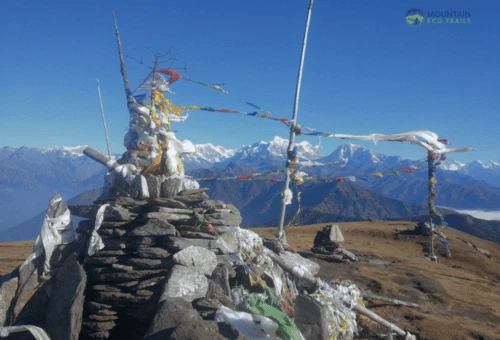
After a tranquil morning at the base camp, begin the long descent back toward lower altitudes. Retrace your steps through Pangboche and Tengboche, absorbing familiar landscapes from a new perspective. The downhill trek offers easier breathing and more chances to appreciate the valley’s lush greenery. Depending on your pace and energy, you can either stop at Namche Bazaar or continue further down to Monjo, reducing the distance for the final day. The route is scenic, spiritual, and filled with fresh energy as you walk past prayer wheels, mani stones, and fluttering flags.

  • Max Altitude:2835 meters
  • Accommodation:Tea House
  • Time:7-8 Hours
  • Meals:Breakfast, Lunch, Dinner

Your final trekking day takes you back through the forested Dudh Koshi Valley. Cross familiar bridges, pass through vibrant villages, and reflect on the journey as you gradually descend to Lukla. The trail is easier now, with every step bringing a sense of achievement. Upon arrival in Lukla, celebrate with your trekking team—perhaps with a warm cup of tea or a local beer. Tomorrow, you’ll fly back to the capital, but tonight is for rest, reflection, and reveling in the adventure just completed.

  • Max Altitude:2840 meters
  • Accommodation:Tea House
  • Time:5-6 Hours
  • Meals:Breakfast, Lunch, Dinner

With a heart full of memories and a camera full of photos, board your morning flight back to Kathmandu. The 35-minute flight offers a final chance to gaze at the snow-capped giants from above. Upon landing, you’ll be transferred to your hotel, where you can enjoy the comforts of civilization—hot showers, diverse cuisine, and maybe even a well-earned massage. This marks the end of your Ama Dablam Base Camp Trek, an offbeat, majestic journey in the shadows of Nepal’s most iconic mountains.

  • Max Altitude:1350 meters
  • Time:35 Minutes
  • Meals:Breakfast,

The outlined itinerary has been carefully designed to provide a well-balanced trekking experience, incorporating key highlights, acclimatization considerations, and a comfortable pace for most trekkers. However, we understand that each individual or group may have unique interests, time constraints, fitness levels, and travel goals.

To accommodate these varying needs, we offer full flexibility in customizing the itinerary. Modifications can be made in the following areas:

Duration: The number of trekking days can be extended or shortened depending on your available timeframe.

Pace & Difficulty: We can adjust daily walking distances and rest days to better suit your fitness level or acclimatization needs.

Route Alteration: Alternative trails or side trips (such as cultural villages, scenic viewpoints, or lesser-known paths) can be added or replaced based on your preferences.

Accommodation Style: We offer options ranging from basic tea houses to more comfortable lodges where available.

Interests & Focus: Whether you’re more inclined toward photography, nature, cultural experiences, or spiritual exploration, the itinerary can be fine-tuned accordingly.

If you have any special requests or would like to discuss a personalized trekking plan, please feel free to contact us. Our team will be happy to assist in designing a journey that best aligns with your expectations.

Got a question about this tour?

Or looking for customize trip, reach out to our travel experts.

Cost Includes
  • Pick up and drop off at the Domestic airport
  • Domestic flight tickets including airport taxes (Kathmandu-Lukla-Kathmandu)
  • 7-night accommodation in tea houses on a twin-sharing basis.
  • Meals include 8 breakfasts, 7 Lunches, and 7 Dinners 
  • Government-licensed and well-experienced trekking guide.
  • Expenses of the guide include meals, accommodation, salary, insurance, flights, and transportation.
  • Sagarmatha National Park Entry Fee
  • Khumbu Region Municipality Permit Fee
  • Duffel Bag and Trekking Poles as a complimentary. 
  • Seasonal fruits every day after dinner. 
  • Basic First Aid is carried by the guide. 
  • Farewell dinner after the trek.
  • All government and local taxes.
Cost Excludes
  • Travel insurance, visa fees, and emergency evacuations with medical bills.
  • Personal expenses during the trek like snacks, hot drinks (other than breakfast), Wi-Fi, Hot shower, Battery Charges, etc.
  • Extra night at Kathmandu in case of early arrival or late departure. Moreover, extra nights and meals in the mountains in case of bad weather or flight delays or any other situation that is not in our favor.
  • Porter expenses. (If needed, it costs $22 per day)
  • Tips to guide.
  • Things that are not mentioned in the cost include
Availability
Select a Departure Month
Start DateEnd DatePriceStatus 
Start DateStarts: SundayOct 18, 2026End DateEnds: SundayOct 25, 2026PricePriceUS$1199StatusStatusAvailable
Start DateStarts: SundayOct 25, 2026End DateEnds: SundayNov 01, 2026PricePriceUS$1199StatusStatusAvailable
Good to Know

Flights, Transfers and the Time You Need in Nepal

Our 8-Day Ama Dablam Base Camp Trek is from Kathmandu to Kathmandu without any extra arrival and departure days. The Lukla flights from Kathmandu are subject to change due to air traffic and even weather delays. Depending on the season and airline arrangements, your flight may operate from Kathmandu or from Manthali in Ramechhap, which involves a road transfer from Kathmandu.

We suggest leaving an extra day before and after the trek. Having extra days helps you stay flexible and stress-free in missing out your departure flights or trekking days. A flexible plan is more useful than a guaranteed-return promise.

Best Time for the Ama Dablam Trek

Spring and autumn are the best times to do the Ama Dablam Trek in Nepal.

Spring brings longer daylight and, at lower elevations, changing vegetation.

Autumn often offers clear views and the best conditions to trek after the summer monsoon.

Neither season guarantees unobstructed views, dry footing or a punctual Lukla flight. Clouds can conceal the upper mountain on a day that feels pleasant in the village.

If you are choosing between months, think about your priorities rather than a universal “best” date. The trail activity, daylight, cold mornings, the flexibility of your international tickets and whether you hope to observe a climbing-season atmosphere from an appropriate distance. Winter brings colder conditions and shorter days; the monsoon brings a different mix of wet trails and flight uncertainty. Ask for a month-specific assessment before reserving a fixed schedule.

Teahouses and Meals during the Ama Dablam Base Camp Trek

During the Ama Dablam Base Camp Trek, you will stay overnight in a teahouse on a twin-share basis. Rooms are generally simple, and the standard of bathrooms, showers, heating and charging varies by village and lodge.

Click here for more details regarding the Teahouse Accommodation in the Everest Region. 

Regarding the meals, menus commonly include dal bhat, noodles, soup, potatoes, eggs and other available dishes. Choose one main course during the meal from the menu. Carry a refillable bottle and use a reliable treatment method or water prepared by the lodge according to your guide's advice. Do not rely on untreated streams.

Clieck here for more details regarding the Meals during the Trek in the Everest Region. 

Your Guide, Porter Choice and Trek Support

Mountain Eco Trails is a Kathmandu-based local trekking company arranging this 8-Day Ama Dablam Base Camp Trek itinerary. During the trek, your guide helps coordinate lodges, permit checks, pacing and decisions when the plan needs to change. For safety, our guide carries the basic first-aid kit.

A porter is optional in this itinerary, but if you have large baggage or can’t carry it at high altitude, we can arrange a porter upon request. You still carry essential layers, water and personal items during each walk.

Emergency support begins with communication, assessment and an appropriate plan to descend or seek care; helicopter availability and insurance approval cannot be guaranteed by a package description.

How to Enquire and Book the Ama Dablam Base Camp Trek in Nepal

Send us your preferred month, number of travellers and whether you want a porter or more acclimatisation time. Tell us if your international flights are already booked. We can then respond with a dated itinerary, the applicable Lukla flight and transfer plan, an itemised quote and the terms for that offer.

Want a trip proposal for your dates? Email us or message us on WhatsApp.

What permit do I need for the 8-Day Ama Dablam Base Camp Trek?

You will need the Sagarmatha National Park Entry Permit, which costs approximately NPR 3,000 (around USD 25) for foreign nationals, and the Khumbu Pasang Lhamu Rural Municipality Entry Permit, which also costs around NPR 3,000 (approximately USD 25) per person. These permits can typically be obtained in Kathmandu at the Nepal Tourism Board or en route in places like Monjo or Lukla.

Get more info:

FAQs
  • Spring (mid-March to May) and Autumn (late Sept to November) are ideal for clear views and stable weather. Monsoon (June–July) is usually wet and is not recommended. Winter (Dec–Feb) is cold but feasible.

  • The altitude of Ama Dablam Base Camp us 4600 meters above sea level. To reach the Ama Dablam Base Camp, you have to Hike from Pangboche. 

  • It would be a bonus if you have past trekking experience. The experience can help you in high altitudes, your strength, and endurance.

  • Yes, many trekkers do. You can extend the itinerary by 2–4 days to continue to Everest Base Camp via Dingboche and Gorak Shep. We can arrange a combined 16-18-day trek to cover both.

  • Although local tap water is along the trail, we do not recommend drinking it. You can buy mineral water bottles from teahouses or use a purification tablet. We also recommend bring your bottle and fill in teahouses rather than buying plastic bottles.

  • Even though it takes time to get rid of altitude sickness immediately, you can reduce it by drinking a lot of water, acclimatizing properly, slow walking, and taking medicine like Diamox.

  • Trekkers should have a good level of physical fitness, including cardiovascular endurance and some strength, as the trek involves several days of hiking for 4-8 hours per day over varied terrain.

  • During October (autumn), daytime temperatures at lower elevations range from 5°C to 15°C (41°F to 59°F), while nighttime temperatures can drop to -5°C to -10°C (23°F to 14°F).9 In April (spring), daytime temperatures at lower elevations range from 8°C to 17°C (46°F to 63°F), while nighttime temperatures can range from 0°C to -10°C (32°F to 14°F).9 Temperatures will decrease as you gain altitude.

Clients Reviews
  • Best Trekking Agency for Everest Region Trek

    "I chose Mountain Eco Trails after comparing several operators, and I am very glad I did. The inclusion of all permits, meals, and even trekking poles in the price meant there were no surprises. The acclimatisation day at Namche made all the difference — I arrived at base camp feeling strong."

    T
    Takesi W.Japan,March 2026
    logo
SimilarTrips
You may also like
Did not find what you are looking for? No worries!

Let us help you plan your perfect holiday.