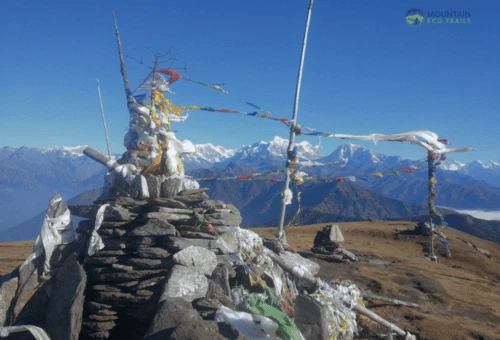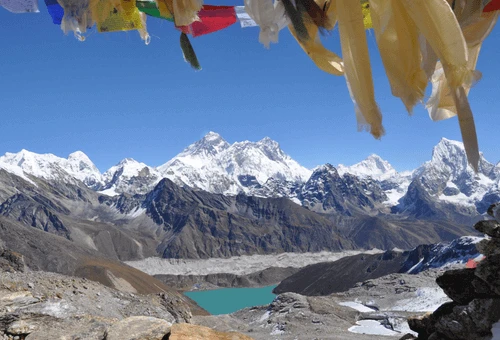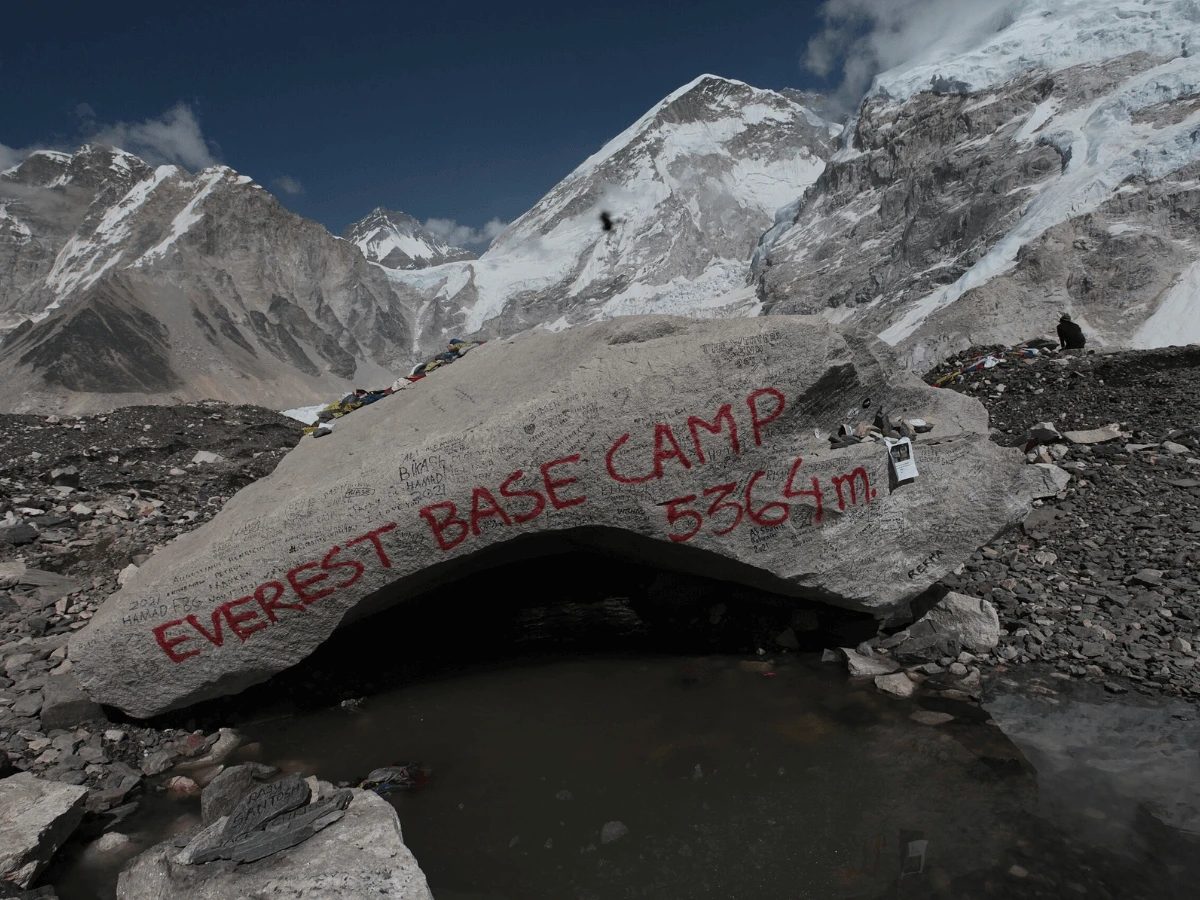
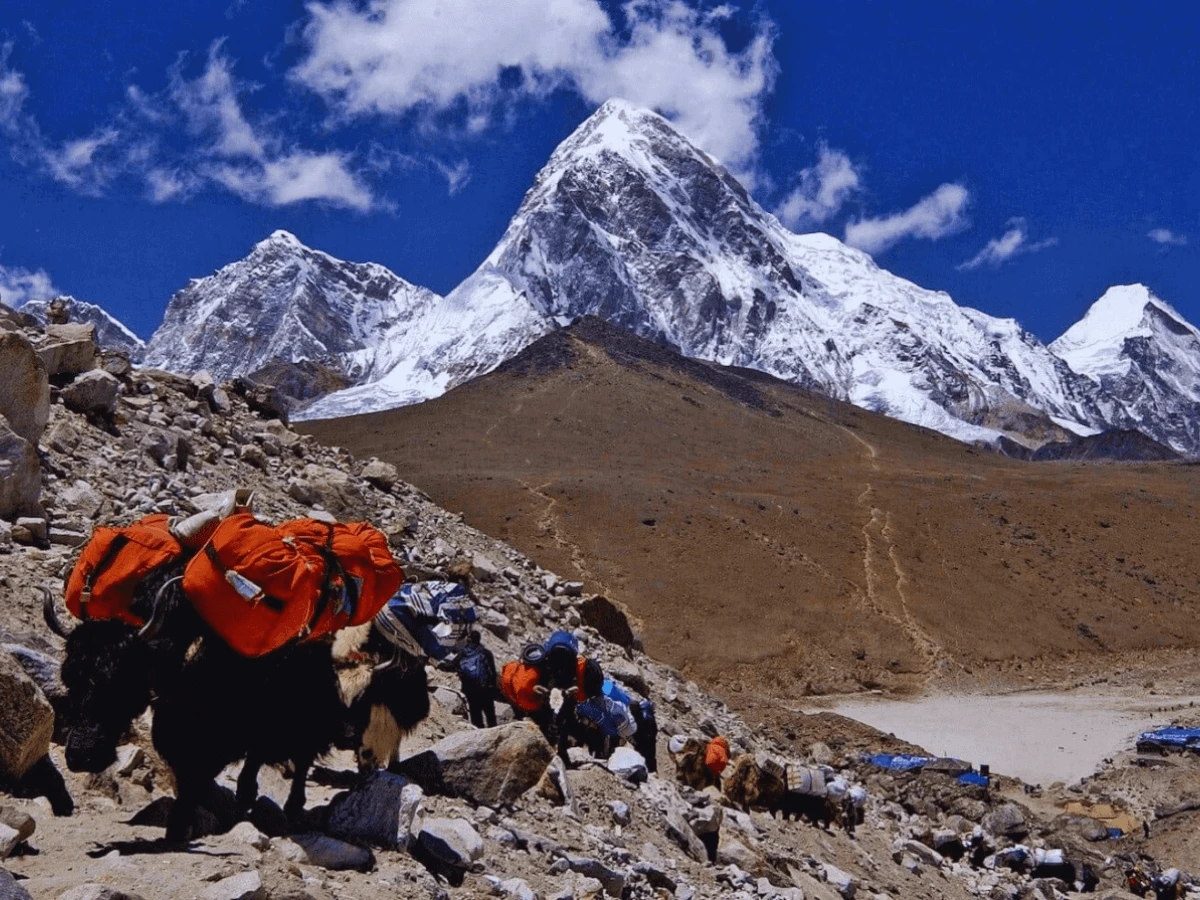
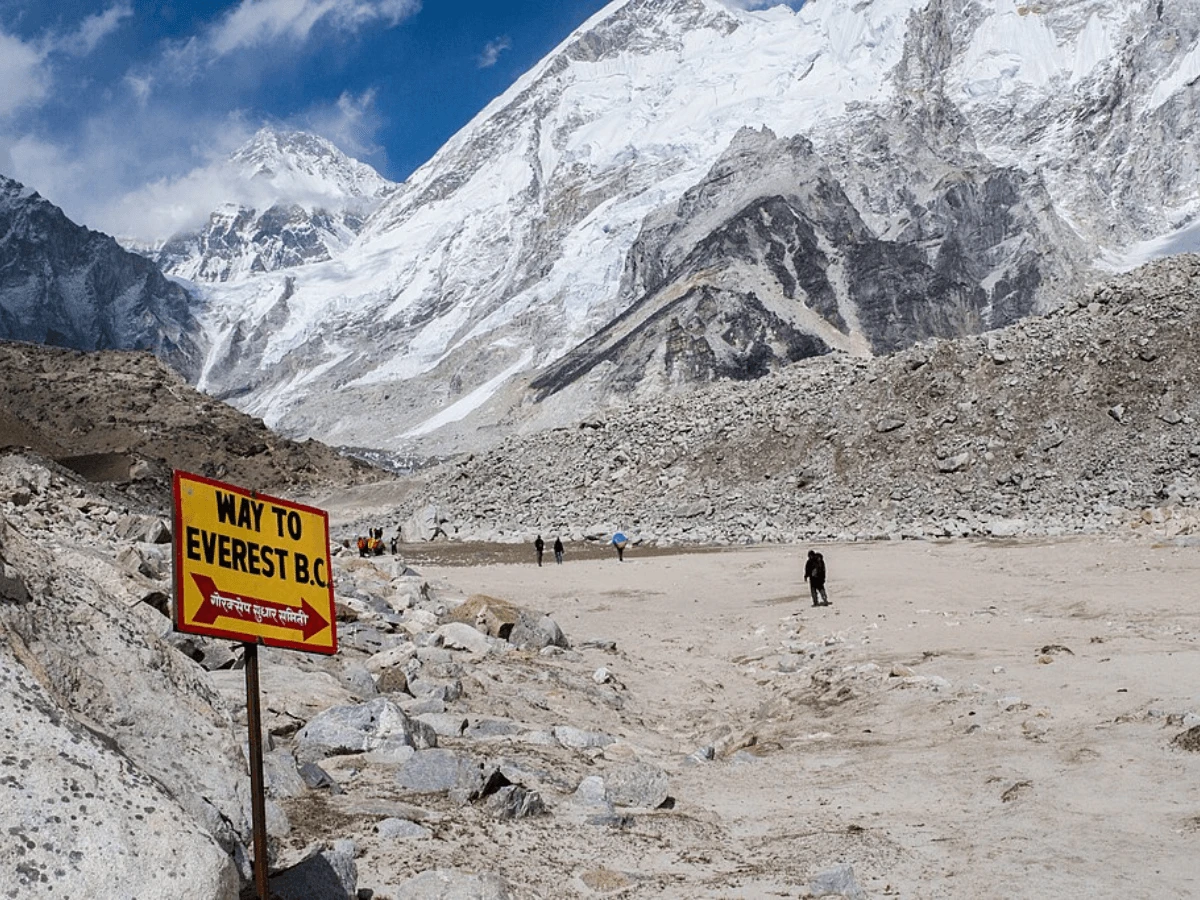


The Short Everest Base Camp Trek completes the classic Lukla–Everest Base Camp–Kala Patthar route in 10 days. This short 10-day EBC Trek removes the acclimatisation days of Namche and Dingboche, which can be challenging high-altitude trek. You will cover the same route but in fewer days and with longer walking hours on consecutive days.
Everest Base Camp short trek 10-day itinerary is best suited to experienced trekkers who already understand how their bodies respond above 4,000 metres without any acclimatisation. This means the 10 Day Short Everest Base Camp Trek is challenging in terms of difficulty level. The 10-Day EBC Trek doesn’t have an acclimatisation day.
If this will be your first journey above 4,000 metres, our 14-day Everest Base Camp Trek is an ideal option. Also, you can do the Everest Base Camp Heli Trek, keeping acclimatisation days while ascending and shortening the descending part by returning by helicopter.
Mountain Eco Trails reviews your previous altitude experience, recent trekking background and available dates before confirming the 10-day route. Our purpose is not to fit every traveller into the fastest itinerary; it is to help you choose the shortest itinerary that still makes sense for you.
Unsure whether this route matches your experience?
Email [email protected] or message us on WhatsApp at +977 9849790153 for a no-obligation itinerary assessment.
Can You Complete Everest Base Camp in 10 Days?
Yes, an experienced & pre-acclimatised trekker can complete Everest Base Camp in 10 days. Although the 10 days might save you extra days, physically and mentally it can be challenging. Also, the weather or any delays can hamper your journey if you are on a tight 10-day itinerary. Hence, we suggest having 1-2 buffer days on your 10 Day EBC Trek itinerary.
How this itinerary is shortened
Often the standard EBC Trek itineraries spend an extra night in Namche Bazaar at 3,440 metres and another in Dingboche at approximately 4,410 metres. Those stops allow trekkers to hike higher during the day and return to the same sleeping altitude.
This short EBC trek continues onward instead:
Day 2: Phakding to Namche Bazaar
Day 3: Namche Bazaar to Tengboche instead of an acclimatisation day
Day 4: Tengboche to Dingboche
Day 5: Dingboche to Lobuche instead of an acclimatisation day
Day 6: Lobuche to Gorak Shep and Everest Base Camp
Likewise, the descent is also long from Pheriche to Namche and Namche to Lukla.
What will you still experience during the 10 Day Everest Base Camp Trek? Major Highlights
The 10-day itinerary retains the defining experiences of the classic EBC trail:
- the mountain flight to Lukla;
- suspension bridges above the Dudh Koshi River;
- Namche Bazaar and the trading history of the Khumbu;
- Tengboche Monastery beneath Ama Dablam;
- the high-altitude settlements of Dingboche, Lobuche and Gorak Shep;
- the glacial moraine leading to Everest Base Camp at 5,364 metres;
- the Khumbu Glacier and views toward the Khumbu Icefall;
- the early-morning hike to Kala Patthar for the clearest close-range view of Mount Everest;
- a complete trek back to Lukla rather than a helicopter return.
Who can do this fast and short Everest Base Camp Trek in 10 Days?
The 10-day Everest Base Camp trek is most suitable for fit, experienced trekkers who have recently spent time at altitude, can recover during consecutive long days and are comfortable turning around if their guide considers the ascent unsafe.
Recommended experience
You can do this short EBC Trek if you have:
- completed previous multi-day treks with consecutive six- to eight-hour walking days;
- slept above 3,500–4,000 metres without serious altitude symptoms;
- recently trekked or climbed at altitude, or will arrive pre-acclimatised from another suitable route;
- experience managing cold, basic accommodation and reduced appetite at altitude;
- enough travel flexibility to add buffer days
- travel insurance that covers trekking and emergency evacuation to at least 5,545 metres.
Though previous altitude experience can be beneficial, it doesnot guarantees the altitude sickness.
Fitness Required to do the Everest Base Camp Trek in 10 Days
Trekkers should be ready for nine walking days, steep stone steps, long ascents, rocky moraine and two days of approximately 8-9 hours. Training should develop aerobic endurance, leg strength, balance and recovery, not merely speed.
For at least eight weeks before departure, you must perform these activities:
- long hikes on consecutive days;
- hill or stair sessions with a daypack;
- steady aerobic training such as running, cycling or swimming;
- squats, lunges, step-ups and core work;
- practice in the boots and pack you will use in Nepal.
- Do not train to race the itinerary. The useful skill on this trek is maintaining a slow, repeatable pace for several hours.
Short EBC Trek Itinerary, Altitude Profile and Daily Elevation Gain
The defining challenge of the 10-day route is the sequence of sleeping-altitude gains. The table below separates each day’s high point from the place where you sleep, preventing the common mistake of listing Pheriche as the maximum altitude on Kala Patthar day.
Day | Route | Start | Highest Altitude | Altitude Gain/Loss |
1 | Lukla–Phakding | 2,860 m | 2,860 m | –250 m |
2 | Phakding–Namche | 2,610 m | 3,440 m | +830 m |
3 | Namche–Tengboche | 3,440 m | 3,860 m | +420 m |
4 | Tengboche–Dingboche | 3,860 m | 4,410 m | +550 m |
5 | Dingboche–Lobuche | 4,410 m | 4,910 m | +500 m |
6 | Lobuche–EBC–Gorak Shep | 4,910 m | 5,364 m | +254 m |
7 | Kala Patthar–Pheriche | 5,164 m | 5,545 m | –924 m |
8 | Pheriche–Namche | 4,240 m | Rolling trail | –800 m |
9 | Namche–Lukla | 3,440 m | 3,440 m | –580 m |
10 | Fly to Kathmandu | 2,860 m | — | — |
Cost of Short Everest Base Camp Trek 10 Days for 2026,2027
The short Everest Base Camp Trek 10 days starts at USD 1299 per person for a single trekker. Likewise, the cost is reduced significantly if you are in a private group. The cost will be USD 1099 per person if you are in a group of more than 8 Pax. The cost includes the flight, meals, accommodation, guide, and all the required logistic arrangements for the trek.
Cost Breakdown Table
Cost Component | Estimated Cost (USD) |
Guide & Porter | $300-350 |
Flights (Kathmandu–Lukla-Kathmandu) | $500-508 |
Accommodation | $100-150 |
Meals (Breakfast, Lunch, Dinner) | $250–$350 |
Permits | $50 |
Administration & Taxes | $100–$150 |
| Short EBC Trek 10 Days Starting Price | $ 1099-1299 |
Mountain Eco Trails offers this Short Everest Base Camp Trek 10 days, starting from USD 1299 per person.
Alternative Everest Trek Options
If this trek feels too fast, consider:
- Standard Everest Base Camp Trek (14 days) – gradual and safer
- Everest Base Camp Heli Trek– return by helicopter
- Everest Gokyo Trek– less crowded scenic route
- Luxury Everest Trek– premium lodges and comfort