

EBC Trek 12 Days, Guided Package

The EBC Trek 12 Days is a short, high-altitude Himalayan adventure from Lukla to EBC (5,364m). This 12-day itinerary includes acclimatisation in Namche and Dingboche, Kala Patthar sunrise views, and daily walking hours between 5–7 hours. The trek covers iconic villages like Tengboche, Gorakshep, and Lobuche while following proper AMS safety and permit requirements.

  • DestinationNepal
  • Duration12 Days
  • Difficulty Level Moderate
  • Max. Altitude5545 meters
  • Starts/EndsKathmandu/Kathmandu
  • Trip StyleTrekking
  • Group SizeMin. 1 Pax.
  • Best SeasonSpring and Autumn
Highlights
  • Iconic EBC Trek in just 12 Days, which is suitable for every trekker. 
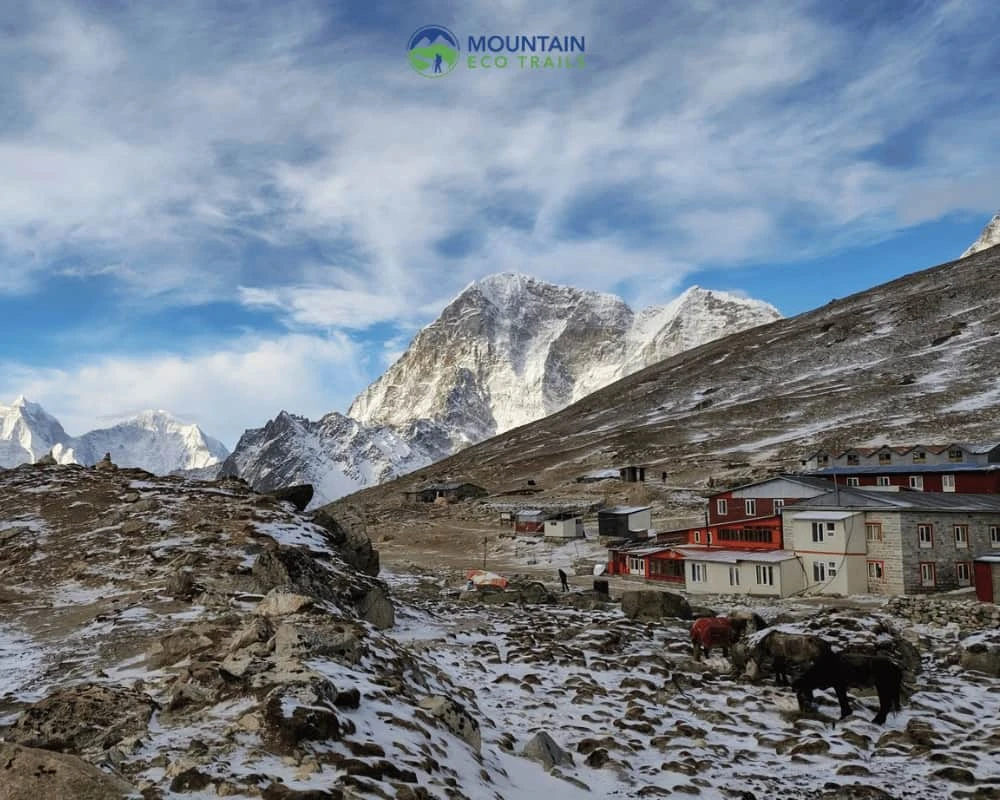
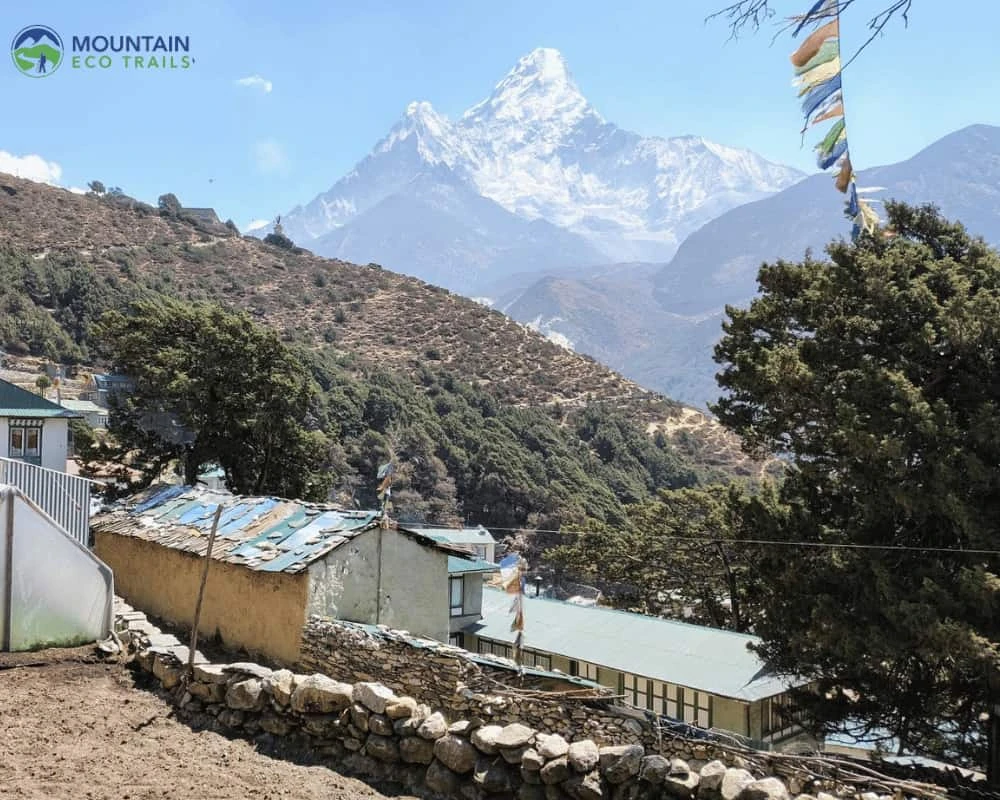
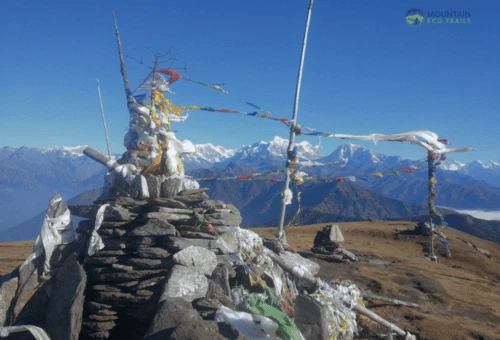
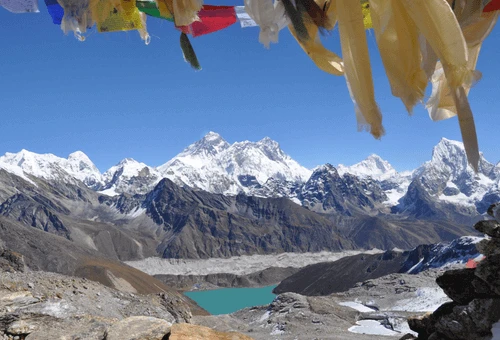
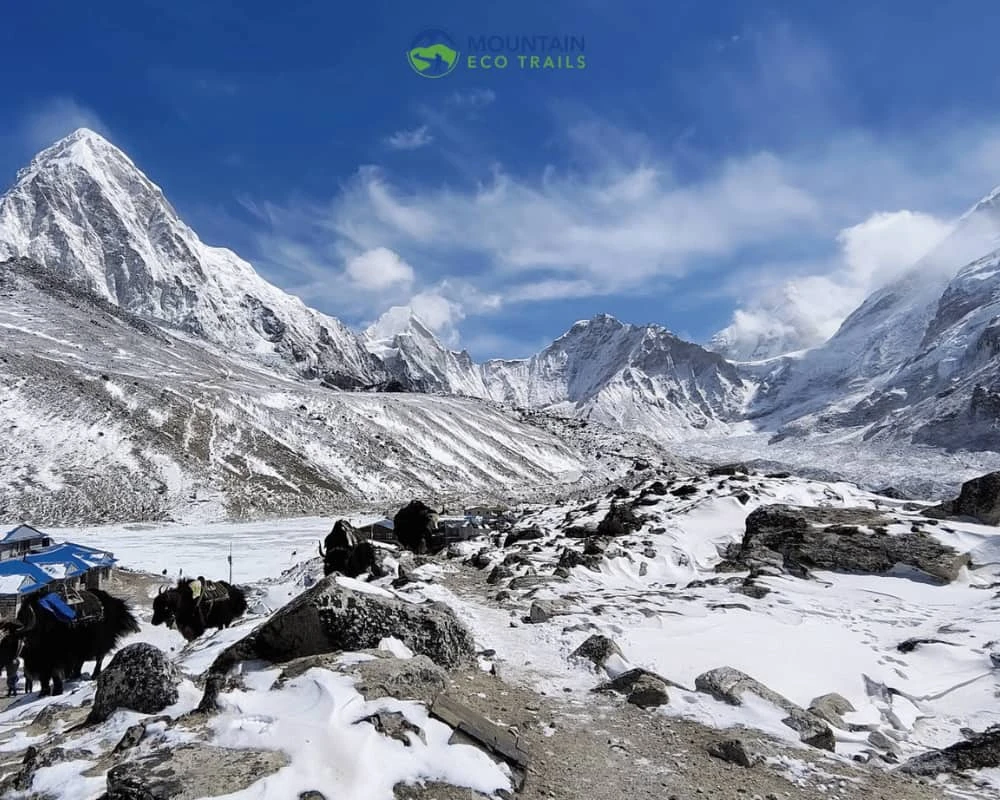
  • Gigantic peaks like Mount Everest, Lhotse, Nuptse, Ama Dablam, and Makalu from Kala Patthar. 
  • Explore villages such as Namche, Tengboche, Dingboche, and Gorakshep. 
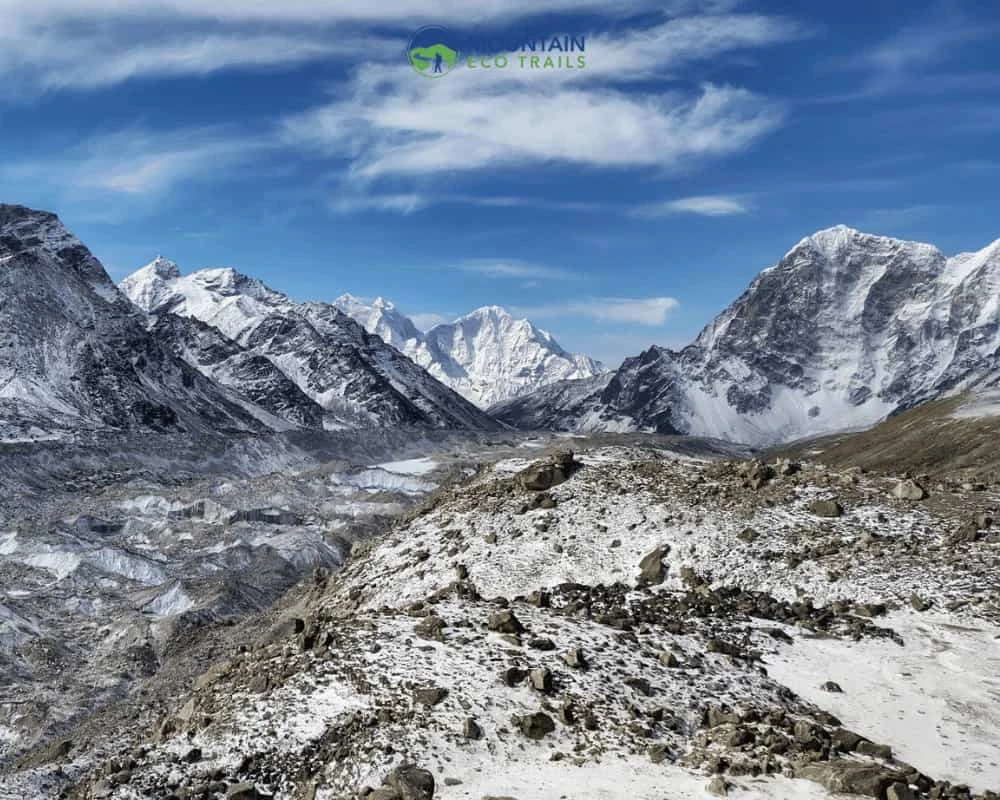
  • Lifetime Adventure walking through the Khumbu Glacier and Moraine. 
  • Visit Tengboche Monastery inside the Sagarmatha National Park. 

The EBC Trek 12 Days is a carefully crafted adventure that takes you from Kathmandu to the base of the world’s highest peak just Sunder two weeks. This guided EBC trek offers an immersive journey through Sherpa villages, high Himalayan valleys, and iconic viewpoints like Kala Patthar for the sunrise over Everest.

Designed for adventure seekers, the 12-day itinerary offers challenging hiking days with proper acclimatisation in places like Namche Bazaar and Dingboche. You’ll trek with an expert local guide, ensuring safety, cultural insight, and a hassle-free experience as you tackle roughly 130 km round-trip on foot.

By choosing our all-inclusive EBC Trek 12-day package, you get your permits, meals, lodging, and logistics handled – so you can focus on the trail and the stunning scenery. From the thrill of the Lukla flight to stepping onto Everest Base Camp at 5,364 m, this journey offers a lifetime’s worth of adventure in a premium, worry-free package.

(Tip: If you’re craving an even bigger Everest adventure, consider doing the Everest Three High Pass Trek for additional high passes and panoramas, or a Gokyo Valley trek variation for a quieter route.)

EBC Trek 12 Days Itinerary and Route

The classic Everest Base Camp route for 12 days follows a there-and-back trail through the Khumbu region, with a gradual ascent to allow acclimatisation and a faster descent. Below is a breakdown of the EBC Trek 12 Days itinerary with key distances, altitudes, and trek hours each day:

Day

Destination

Altitude

Trek Distance

Trekking Hours

1

Fly Kathmandu to Lukla (2,840 m), trek to Phakding

2,610 m at Phakding

6 km

3–4 hours

2

Trek Phakding to Namche Bazaar

3,440 m

7–8 km

5–6 hours

3

Acclimatisation day in Namche Bazaar (hike to Everest View Hotel at 3,880 m)

3,440 m (Namche)

3 km (side hike)

2–3 hours (side hike)

4

Trek Namche to Tengboche (via Khumjung)

3,860 m

9 km

5–6 hours

5

Trek Tengboche to Dingboche

4,410 m

9 km

5–6 hours

6

Acclimatisation day in Dingboche (option: hike Nagarjun Hill 5,100 m)

4,410 m

4 km (side hike)

3–4 hours (side hike)

7

Trek Dingboche to Lobuche

4,910 m

8 km

5–6 hours

8

Trek Lobuche to Gorak Shep (5,170 m), visit Everest Base Camp (5,364 m), return to Gorak Shep

5,364 m (EBC) / 5,170 m (Gorak Shep)

12 km (round trip)

7–8 hours

9

Early hike to Kala Patthar (5,545 m) for sunrise, then trek down to Pheriche

5,545 m / 4,270 m

10 km

6–7 hours

10

Trek Pheriche to Namche Bazaar

3,440 m

14 km

6–8 hours

11

Trek from Namche Bazaar to Lukla

2,840 m

18 km

6–7 hours

12

Morning flight from Lukla back to Kathmandu (1,400 m)

35 min flight

This EBC Trek 12 Days itinerary starts with a scenic flight from Kathmandu to Lukla, a small airstrip nestled at 2,840 m. From Lukla, you trek through lush Dudh Koshi river valleys to Phakding and onward to Namche Bazaar, the colourful Sherpa hub of the Khumbu.

After a crucial Namche acclimatisation day, you might hike to Syangboche or the Everest View Hotel for your first glimpse of Everest. The trail continues through Tengboche, then Pangboche and Dingboche in the alpine Khumbu. Another rest day at Dingboche helps your body adjust to the thin air at 4,400 m. The ascent resumes to Lobuche and Gorak Shep, the last outpost before base camp.

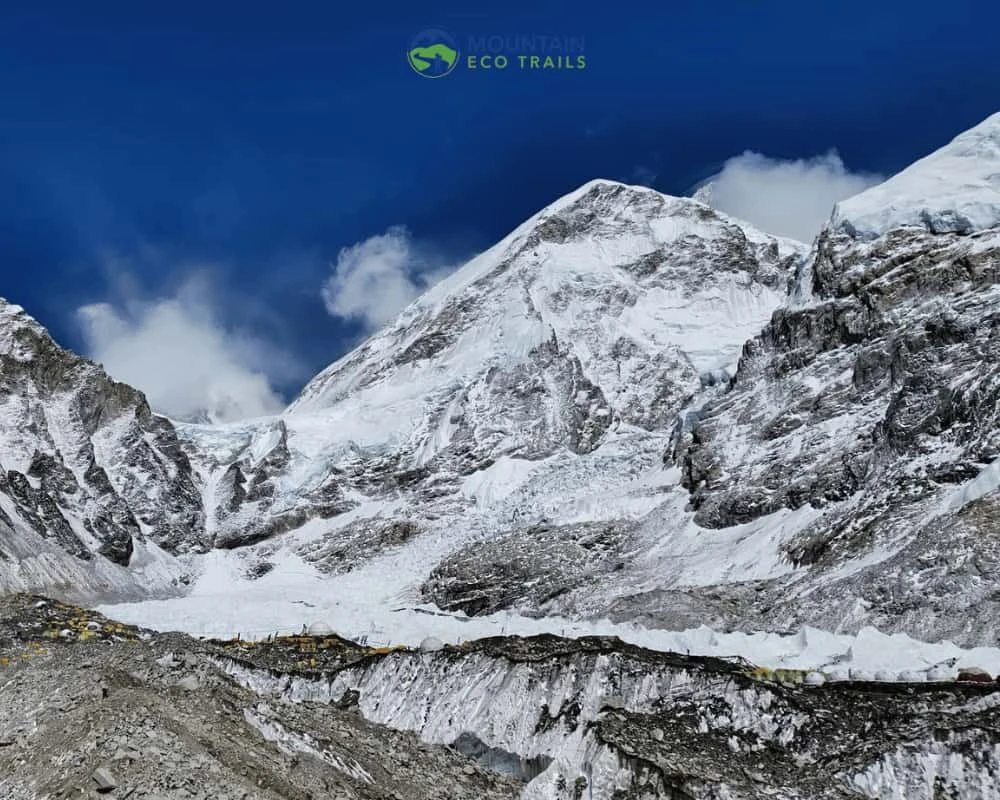
Finally, you will be at Everest Base Camp (5,364 m), standing among prayer flags and the Khumbu Icefall where Everest expeditions begin. The next morning, hiking up Kala Patthar (5,545 m) rewards you with a panoramic sunrise view of Mount Everest and surrounding giants – an absolute highlight, since you cannot actually see Everest’s summit from base camp itself.

After savouring the view from Kala Patthar, you’ll descend at a quicker pace via Pheriche and retrace steps to Namche and Lukla.

EBC 12-Day Trek vs. Trek with Helicopter Return

Trekkers aiming for Everest Base Camp have a couple of options to complete the journey. The standard 12-day EBC trek is a round-trip on foot, meaning you trek up to base camp and then back to Lukla along the same trail. An increasingly popular alternative is the Everest Base Camp trek with helicopter return, where you follow the trail up to EBC (typically in about 8–9 days) and then fly out by helicopter rather than walk back down. Each approach has its pros and cons:

Trekking Both Ways (12-Day EBC Trek)

This classic approach offers the full experience of the Everest trek. You get to revisit villages on the return, and it’s more budget-friendly. Walking down is much faster, and it allows gradual re-entry to thicker air, which can feel good after the summit. The main drawback is time – you spend additional days hiking back the same way, which some find repetitive.

Helicopter Return Trek

In this option, you trek from Lukla to EBC, but instead of retracing your steps fully, you board a helicopter from Gorakshep for a dramatic flight back to Lukla or Kathmandu. This saves 2–3 days of walking, letting you complete the trek in a shorter time. It’s a thrilling way to end the journey – soaring above the Himalayas, and ideal if you’re short on time or want to avoid the impact on your knees during the long descent. However, helicopter flights are expensive (typically USD $800–$1200 per person depending on group size and destination), and they are still weather-dependent.

Many trekkers choose the heli return for the unique experience and time savings. Our company offers both options: a standard 12-day EBC Trek and an Everest Base Camp Heli Trek for those who prefer a shorter adventure. Whichever you choose, we ensure proper acclimatisation on the way up.

EBC Trek 12 Days All-Inclusive Guided Cost 2026, 2027

Planning for the Everest Base Camp Trek cost is an important part of your trek preparation. An all-inclusive 12-day EBC package in 2026 generally ranges from USD $1,200 to $1,600 per person, covering permits, round-trip flights, accommodation, guide/porter services, and meals. Prices can vary based on the level of comfort (standard tea houses vs. luxury lodges), whether you’re in a private or group trek, and any added services like a helicopter return or gear rentals. Below is a simple cost breakdown for a typical EBC 12-day trek package:

Cost Component

Approx. Cost (USD)

Notes

Sagarmatha National Park Permit

$30

(NPR 3,000) Per person

Khumbu Rural Municipality Entrance

$20

(NPR 3,000) Per person

Round-trip Lukla Flights

$430 – $450

Per person (Kathmandu–Lukla–Kathmandu)

Licensed Guide (12 days)

$30–$40 per day

$360-420 total; required by new rule

Porter (optional, 12 days)

$22-$25 per day

$270 total; usually shared between two trekkers

Teahouse Lodging (11 nights)

$5–$15 per night

Included in packages (basic room on a sharing basis)

Meals on Trek (Breakfast, Lunch, Dinner)

$30-40 per day

$360-420 for 12 days; included in packages

Subtotal (core trek)

$14,00 – $1,700

Typical package price per person (2026, 2027)

Extras: Drinking water, snacks, hot showers, charging, tips

$100+ (varies)

Personal expenses (not in package)

Total Package Cost: For 2026, 2027, most 12-day EBC trek guided packages cost around $1,400 ± per person, which aligns with the breakdown above. This price usually includes the permits, domestic flights, guide, accommodation, and three meals a day as listed (along with agency logistics, taxes, and service fees).

Note: If you plan to trek independently, be aware that as of 2023, Nepal requires all foreign trekkers to hire a licensed guide for treks in national parks, including the Everest region.

Best Guided EBC Trek 12 Days Operator – Why Trek With Mountain Eco Trails?

Choosing the best Everest Base Camp trek operator can make a huge difference in your experience. As a locally owned, experienced trekking company, we pride ourselves on offering a premium but trustworthy EBC trek package that addresses all your concerns – safety, cost transparency, logistics, and reliability. Here’s why we stand out:

  • Our guides are licensed Sherpa professionals from the Everest region with extensive high-altitude experience and wilderness first-aid training.
  • All-Inclusive, No Hidden Costs, and Transparent pricing.
  • Flexible EBC Trek Itinerary designed with proper acclimatisation.
  • Complimentary services like a duffel bag, trekking poles, and a farewell dinner.
  • Last-minute hassle-free trip booking and arrangements.
  • Special Discount if you are in a group of more than 5 pax.
  • An hour of trekker’s massage after the end of the trek as a complimentary.

Ready to embark on this epic 12-day EBC Trek? We are here to ensure you have a safe, enjoyable, and truly life-changing journey to the top of the world. Get in touch with us to plan your EBC trek for 2026 or 2027 – whether you want a private trek or a small group experience (and even a helicopter return!), we’ll make it happen. Email us or WhatsApp us at +9779849790153.
Itinerary

The EBC Trek 12 Days starts with a flight to Lukla, either from Kathmandu or Ramechhap. Savour the thrill as the plane navigates between mountains and lands on Lukla’s narrow runway. After meeting your trekking crew, you’ll start hiking! The trail leads downhill from Lukla through pine forests and small villages. In about 3–4 hours of easy trekking, you reach Phakding, a village by the Dudh Koshi River. Overnight in a cozy teahouse at Phakding (walking distance 6 km).

During peak trekking season, air traffic can be a problem, so the flights are operated from Ramechaap. From Kathmandu, it takes around 4 hours to drive to Ramechaap. We have to leave Kathmandu early in the morning, around 2 am, so that we can catch an early flight to Lukla.

  • Max Altitude:2610 meters
  • Accommodation:Teahouse
  • Time:5-6 hours
  • Meals:Lunch and Dinner

Crossing high suspension bridges (including the famous Hillary Bridge) over the Dudh Koshi, you enter Sagarmatha National Park at Monjo. The trail winds upward through forests of rhododendron and magnolia. As you climb the steep ascent towards Namche Bazaar, keep an eye out for your first glimpse of Everest in the distance! By late afternoon, you’ll arrive at Namche, the bustling Sherpa town known as the “Gateway to Everest.” Overnight stay at Namche 

  • Max Altitude:3440 meters
  • Accommodation:Teahouse
  • Time:5-6 Hours
  • Meals:Breakfast, Lunch, Dinner

To aid acclimatisation, you’ll spend an extra day in Namche Bazaar. This town is perched on terraced hillsides and offers plenty to explore. In the morning, take an acclimatisation hike to Everest View Hotel (3,880 m) or Syangboche Airstrip, where on a clear day you can marvel at close-up views of Everest, Lhotse, and the beautiful Ama Dablam.

You might also visit the Sherpa Culture Museum or nearby Khumjung village (home of a famous monastery with a purported yeti scalp!). In the afternoon, enjoy Namche’s cafes, bakeries, and shops. (Optional hike 2–3 hours, then rest)

  • Max Altitude:3440 meters
  • Accommodation:Teahouse
  • Time:5-6 hours
  • Meals:Breakfast, Lunch, Dinner

The trail from Namche to Tengboche is somehow easy but beautiful too. You will descend to Dudhkoshi Valley and start to ascend to Tengboche. As you gain altitude, some of the highest mountains are waiting for at a distance. After crossing the Imja River, you will arrive at Tengboche. Also, if we arrive earlier than expected, then we will visit Tengboche Monastery too. Overnight stay at Tengboche.

  • Max Altitude:3860 meters
  • Accommodation:Teahouse
  • Time:5-6 Hours
  • Meals:Breakfast, Lunch, Dinner

The morning sun on Tengboche Monastery is a photographer’s delight. After breakfast, trek down through forests to Debuche and cross another suspension bridge. Gradually ascend through scattered villages (Pangboche, Somare) as the terrain becomes more alpine and open. You are now above the treeline – shrubs and yak pastures dominate the landscape.

Arrive at Dingboche, a charming high-altitude settlement with fields enclosed by stone walls. You’ll notice the air getting thinner, so pace yourself and stay hydrated. (5–6 hours, 12 km) Overnight stay at Dingboche.

  • Max Altitude:4410 Meters
  • Accommodation:Teahouse
  • Time:6-7 Hours
  • Meals:Breakfast, Lunch, Dinner

This is the 2nd acclimatisation phase of this EBC Trek, which is very important before we gain more elevation. We have the option to hike the Nagarujun Hill or Ridge to enjoy the mesmerising views of Ama Dablam. Otherwise, we can just roam around Dingboche and let ourselves acclimatise to the altitude. Overnight stay at Dingboche.

  • Max Altitude:4410 meters
  • Accommodation:Teahouse
  • Time:5-6 Hours
  • Meals:Breakfast, Lunch, Dinner

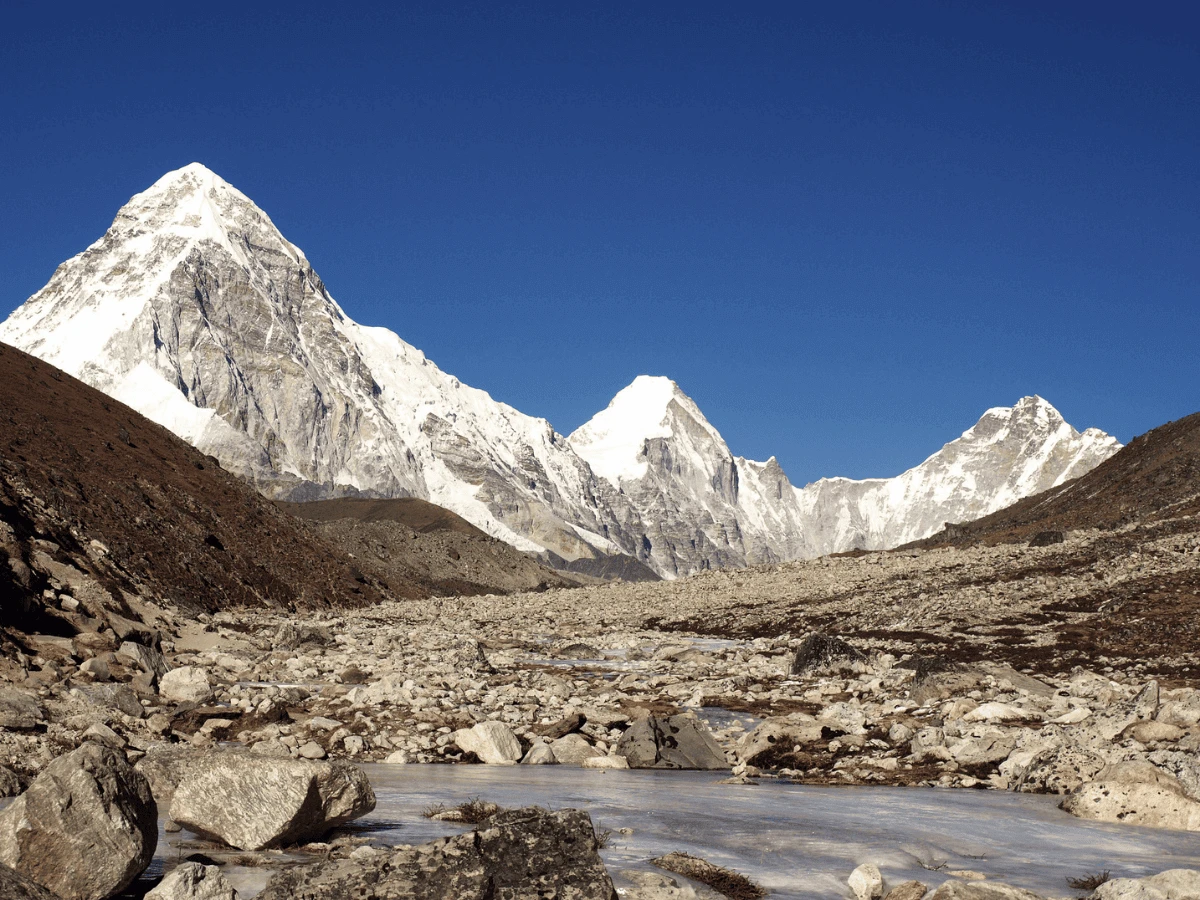
You will begin the day heading north, walking for an hour to reach Mani-Prayer stupa. Then, we will descend to the pheriche. Similarly, from Pheriche, the trail continues near Dugla, where we come across a small river of the Khumbu Glacier. On the way, you can see the views of the wall of Nuptse, Kangma tse, and north-Pokalde. Overnight stay at Lobuche.

  • Max Altitude:4910 meters
  • Accommodation:Teahouse
  • Time:5-6 Hours
  • Meals:Breakfast, Lunch, Dinner

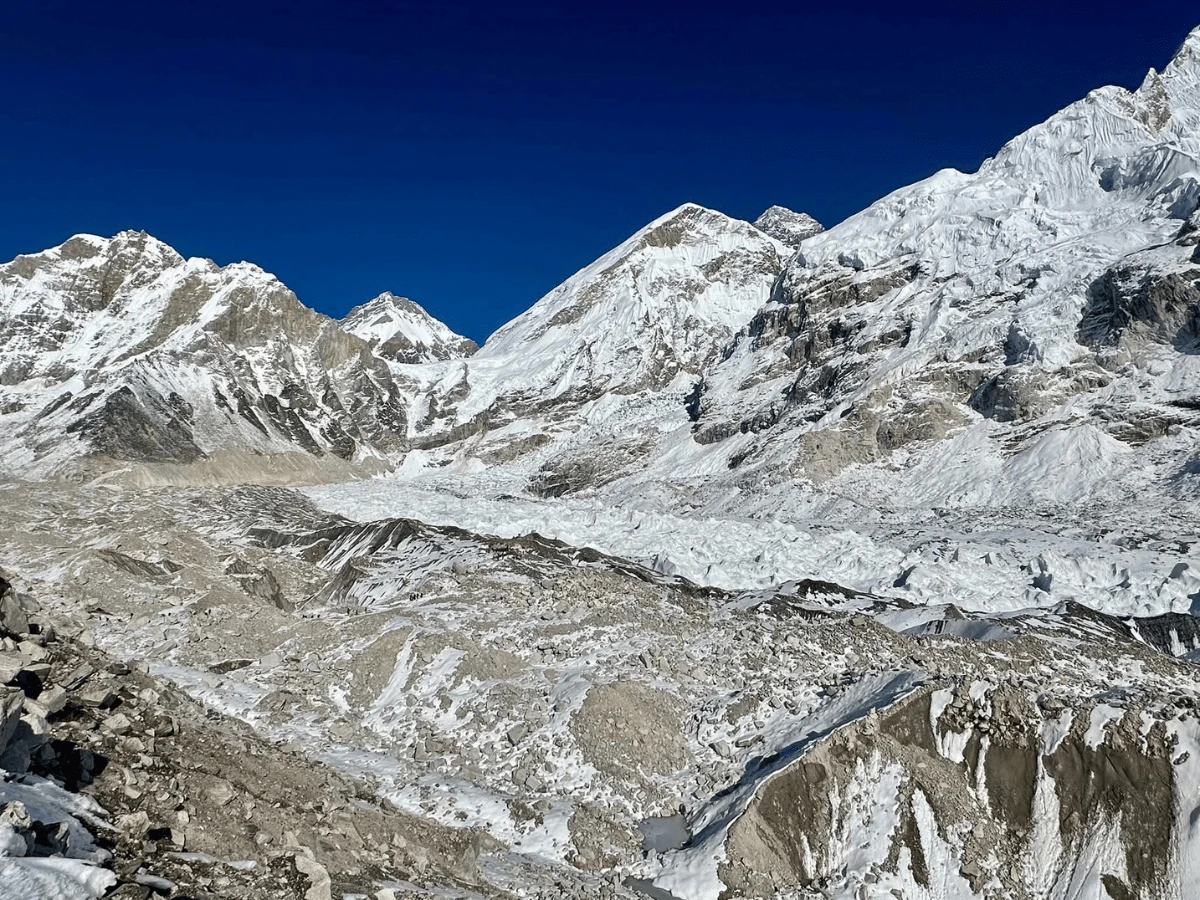
Big day ahead! A few hours of trekking over glacial moraines lead you to Gorak Shep, the last outpost of lodges. After a short rest and early lunch, you’ll set out for Everest Base Camp. The route follows the Khumbu Glacier, with portions of the trail on rocky paths and ice. As you push to Base Camp (about 2–3 hours from Gorak Shep), anticipation builds. Finally, you arrive at Everest Base Camp, amid the colourful prayer flags and tents (in climbing season) on the glacier.

Congratulations – you are standing at the base of the tallest mountain on Earth! Take time to capture the moment and absorb the surreal surroundings: the Khumbu Icefall cascading above and towering peaks all around. Afterward, return to Gorak Shep for the night. (6–8 hours total trekking, 15 km round-trip)

  • Max Altitude:5364 meters
  • Accommodation:Teahouse
  • Time:5-6 Hours
  • Meals:Breakfast, Lunch, Dinner

Before dawn, gear up for a hike to Kala Patthar, the highest point of the trek. The ascent is steep and cold, but the effort is hugely rewarded. Reaching the summit of Kala Patthar at sunrise, you’ll witness an unforgettable 360° view: the first light of day illuminating Everest, Nuptse, Pumori, and Ama Dablam in a golden glow. This is the best viewpoint of Mt. Everest’s summit.

After celebrating with photos, you’ll descend back to Gorak Shep for breakfast. Then it’s time to say farewell to the heights and retrace your steps down. You’ll trek down past Lobuche and Dughla, and continue to Pheriche, a valley town with an altitude of about 4,371 m. Breathing becomes easier as you lose elevation. (7–8 hours trekking, mostly downhill)

  • Max Altitude:4371 meters
  • Accommodation:Teahouse
  • Time:7-8 Hours
  • Meals:Breakfast, Lunch, Dinner

Enjoy the easier breathing air at Pheriche in the morning. The trail then heads mostly downhill, passing back through Pangboche and Tengboche. Take a last look at Tengboche Monastery, then descend to Phunki Tenga and on to Namche Bazaar. It’s a long day, but the dramatically decreasing altitude and familiar sights energise you. By late afternoon, you arrive again in Namche Bazaar, where a hot shower and bakery treats await! (6–7 hours trekking)

  • Max Altitude:3440 meters
  • Accommodation:Teahouse
  • Time:7-8 Hours
  • Meals:Breakfast, Lunch, Dinner

It’s the final day of trekking. You’ll tackle the steep downhill from Namche to the river, crossing the high suspension bridges one last time. Then retrace the route through Jorsalle, Monjo, and Phakding. The trail has a few short uphill sections, but eventually, you’ll climb back up to Lukla. By evening, celebrate the completion of your trek with your guides and porters.

  • Max Altitude:2860 Meters
  • Accommodation:Teahouse
  • Time:6-7 Hours
  • Meals:Breakfast, Lunch, Dinner

Weather permitting, you’ll board an early morning flight from Lukla to Kathmandu. Bid goodbye to the Khumbu mountains as you take off from Lukla’s tiny runway. A quick 30-minute flight brings you back to bustling Kathmandu. Once in Kathmandu, our private car will be waiting for you to transfer you to your hotel.

You can relax at your hotel or explore more of the city, filled with pride at completing the Everest Base Camp Trek. Later on in the evening, we will have a farewell dinner and hear the story of your adventure to Everest.

  • Meals:Breakfast

he outlined itinerary has been thoughtfully crafted to offer a balanced and rewarding trekking experience, ensuring proper acclimatisation, scenic highlights, and a comfortable walking pace for most trekkers. However, we understand that every traveller has unique preferences, fitness levels, and schedules. To make your journey truly personalised, we offer complete flexibility in customising your itinerary. Adjustments can be made in the following areas:

  • Duration: Extend or shorten the trek based on your available time.
  • Pace & Difficulty: Modify daily distances and rest days to match your comfort and acclimatisation needs.
  • Route Options: Include side trips, cultural detours, or scenic viewpoints for a richer experience.
  • Accommodation: Choose from simple tea houses to more comfortable lodges where available.
  • Personal Interests: Tailor your trek to focus on photography, nature, culture, or spiritual exploration.

If you’d like to modify this plan or create a custom itinerary, please reach out to us. Our team will be delighted to design a journey that perfectly fits your expectations and travel goals.

Cost Includes
  • Kathmandu-Lukla-Kathmandu Domestic Airfare 
  • Pick up and drop off at the Domestic Airport in a private vehicle 
  • Ramechhap to Kathmandu to Ramechhap Transportation 
  • Sagarmatha National Park Entry Permit Card 
  • Khumbu Region Municipality Entry Permit 
  • Experienced English-speaking trekking Guide for 12 Days 
  • Expenses of the trekking guide, including his salary, meals, accommodation, and insurance. 
  • Meals during the trek: Breakfast (Tea/coffee), Lunch, and Dinner. 
  • Accommodation during the trek on a sharing basis 
  • Seasonal fruits during the trek as a dessert after dinner. 
  • First Aid Kit carried by the guide with Oxy-meters 
  • Duffel Bag, Trekking Poles, and SIM Card as a complimentary 
  • Farewell dinner after the end of the trek with the team official
  • Government and Local Taxes. 
Cost Excludes
  • Personal expenses during the trek, like hot water, extra drinks, extra meals, Wi-Fi, hot showers, etc. 
  • Extra days in the mountains in case of weather delays or flight cancellations. 
  • Meals and extra accommodation in Kathmandu. 
  • Travel insurance and evacuation costs. 
  • Porter cost USD 22 per day. 
  • Tips to Guide and Porter. 

Note: If you return earlier from the trek due to sickness or any personal problem, the amount you paid for the flight, hotel, mountain room, food, guide, etc., is nonrefundable.

Availability

At Mountain Eco Trails, we understand that every traveler has unique schedules and preferences. That’s why we offer flexible departure dates for all our trekking and tour packages. Whether you’re a solo traveller, a couple, or a group, we can customize your trekking departure date to best fit your itinerary.

  • Customized Departures for Your Convenience
  • Tailor-made departure dates: You are not limited to fixed schedules; we arrange treks based on your preferred dates.
  • Private & group treks available: Join an existing group or plan a private trek at your convenience.
  • Seasonal recommendations: We can suggest the best departure dates based on weather, trekking conditions, and your availability.
  • Short-notice departures: Need a last-minute trek? We’ll do our best to accommodate your request.

Feel free to contact us with your preferred dates, and we’ll craft the perfect trekking experience for you!

Select a Departure Month
Start DateEnd DatePriceStatus 
Start DateStarts: SundayDec 07, 2025End DateEnds: ThursdayDec 18, 2025PricePriceUS$1399StatusStatusAvailable
Start DateStarts: SundayDec 14, 2025End DateEnds: ThursdayDec 25, 2025PricePriceUS$1399StatusStatusAvailable
Start DateStarts: SundayDec 21, 2025End DateEnds: ThursdayJan 01, 2026PricePriceUS$1399StatusStatusAvailable
Start DateStarts: SundayDec 28, 2025End DateEnds: ThursdayJan 08, 2026PricePriceUS$1399StatusStatusAvailable
Good to Know

Emergency Evacuation during EBC Trek

While serious medical issues are rare on the EBC Trek, it’s crucial to be prepared for emergencies. High altitude and mountain terrain mean that if something does go wrong – for example, severe Acute Mountain Sickness (AMS), high-altitude pulmonary oedema (HAPE), a bad fall, or other illness – evacuation by helicopter is often the only quick way out.

Here’s what trekkers need to know about emergency evacuation in the Everest region:

Helicopter Rescue: Helicopters are on standby in the Everest region for trekkers and climbers. If a trekker experiences severe AMS symptoms or an injury that cannot be managed on the trail, the guide will coordinate a helicopter evacuation.

Costs & Insurance: Helicopter evacuations are expensive (often USD $3,000–$5,000). That’s why having comprehensive travel insurance that covers high-altitude helicopter rescue up to 6,000 m is mandatory.

On-Trek Medical Support: Our guides carry a first aid kit and are trained in basic first aid and altitude sickness response.

Rest assured, the vast majority of our trekkers complete the EBC trek safely without needing emergency help. But we are fully prepared for the worst-case scenario. Our team’s swift action and the availability of helicopters and clinics mean you are in good hands even in the unlikely event of an emergency on the mountain.

How to Prepare for the EBC Trek 12 Days

Proper preparation is key to making your 12-day Everest Base Camp trek enjoyable and successful, especially if you’re a beginner trekker. Physical preparation and gear preparation should start weeks or months in advance:

  • Training & Fitness: Train your body and engage in activities like jogging, cycling, swimming, or stair-climbing 3–4 times a week can help. If possible, do some day hikes or weekend treks in your area, carrying a daypack to simulate trek conditions.
  • Acclimatisation Strategy: Understand the basics of acclimatisation. We deliberately do not rush the ascent – remember, reaching base camp in fewer than 7–8 days from Lukla is dangerous.
  • Gear Preparation is crucial. Pack your necessary gear like layers, hiking boots, warm jackets, etc.
  • Mental Preparation is key. Go in with a positive attitude and flexibility.
  • Schedule a check-up with your doctor before the trip, especially if you have any pre-existing conditions. Discuss the trek and get their advice.

By following a training plan and gearing up properly, you’ll arrive in Nepal confident and ready. Many beginners have completed the EBC trek – the key is preparation and listening to your guide’s advice on the trail.

Best Time to do the Guided EBC Trek 12 Days

Nepal’s Himalayas have four distinct seasons, and choosing the best time for the EBC Trek is important for a safe and enjoyable journey. The trek can be done year-round, but conditions vary greatly by season. Here’s a comparison of EBC trek seasons:

Season

Months

Weather & Trail Conditions

Spring (Pre-monsoon)

March to May

Peak season. Mild to warm days (15–20°C at lower altitudes, cooler up high) and cold nights (down to -5°C at EBC). Generally stable weather with clear mornings and some afternoon clouds. Hillsides bloom with rhododendrons in March/April. Trails are busy with trekkers and climbing expeditions. Excellent views, especially in April.

Summer (Monsoon)

June to August

Off-season (monsoon). Warmest temps, but daily rain and cloudy skies are common. Lukla flights are often affected by weather delays. Trails below 3,500 m can be muddy and leech-infested. Fewer crowds, but views are obscured by clouds. However, the valleys are lush green. Not ideal for EBC due to the risk of heavy rain and landslides.

Autumn (Post-monsoon)

September to November

Peak season. Perhaps the best time overall. Crisp, clear skies, especially from late September through November, provide stunning mountain vistas. Days are cool (10–15°C) and nights are cold (-10°C at EBC in Nov). After the summer rains, the air is clean, and visibility is excellent. October is the busiest month on the trail (tea houses can be full). November is colder but quieter.

Winter

December to Feb

Cold but doable. Very cold nights (as low as -15 to -20°C at EBC in Dec/Jan) and short days. Daytime temperatures can be 5–10°C in sunlight at lower altitudes, well below freezing up high. Snow is possible at any time (especially Dec/Jan), potentially blocking the trail at high points. The trek is much quieter, and views can be crystal clear, but you must be prepared for extreme cold and some logistical challenges.

Most trekkers pick spring or autumn for the Everest trek – and for good reason. In spring, you have the benefit of longer daylight hours and a chance to see base camp in expedition mode (April-May) with climbing teams preparing for Everest summit attempts.

In autumn, the weather is generally the most stable; September starts with the tail end of monsoon (some showers possible), but by October, the conditions are near perfect. The trails in autumn have a festive feel with many national holidays (like Nepal’s Dashain and Tihar) and a truly international mix of trekkers.

What to Pack for a 12-Day Everest Trek

Having the right gear is vital for comfort and safety on the Everest Base Camp trek. Below is a packing list overview. Keep in mind that if you hire a porter then porters will carry up to 10–15 kg per trekker (usually one porter for two people, carrying 18 kg total), and you’ll carry a daypack with essentials (3–5 kg). Pack light but pack smart – layering is the key to dealing with temperature variations.

Clothing:

  • Trekking Boots: Sturdy, waterproof trekking boots (mid-ankle) that are well broken-in.
  • Trekking Socks: 4–5 pairs of moisture-wicking socks.
  • Base Layers: 2 sets of thermal tops and bottoms.
  • Trekking Shirts: 4–5 quick-dry t-shirts (synthetic or merino).
  • Fleece Jacket: A medium-weight fleece.
  • Down Jacket: A heavy, warm down jacket (rated to at least -10°C comfort).
  • Trekking Pants: 2 pairs of quick-dry trekking pants.
  • Waterproof Shell (Jacket & Pants): A good quality waterproof and windproof jacket.
  • Insulating Hat & Buff: Warm beanie or wool hat that covers your ears.
  • Sun Hat & Sunglasses: A wide-brimmed hat or cap for sun, and UV-protection sunglasses.
  • Gloves: Lightweight inner gloves plus a pair of waterproof insulated gloves.
  • Underwear: Enough changes of quick-dry underwear.
  • Footwear Extras: Camp shoes or sandals (optional).

Backpacks:

  • Daypack (25–35L): You’ll carry a daypack with essentials
  • Duffel Bag: We provide a sturdy duffel for the porter to carry, or you can bring your own (around 70–80L).

Trek Accessories:

  • Trekking Poles: Highly recommended, especially for the steep descents and to take pressure off knees.
  • Sleeping Bag: Although teahouses provide basic blankets, you absolutely need a good sleeping bag rated to at least -10°C comfort.
  • Headlamp: A head-torch with extra batteries.
  • Water Bottles / Hydration Bladder: Carry capacity for at least 2–3 litres.
  • Water Purification: Water purification tablets (iodine or chlorine) or drops, or a UV purifier.
  • Snacks: Some high-energy snacks like protein bars, trail mix, or chocolate can be nice to have on long days.
  • Sunscreen & Lip Balm: High SPF (50+) sunscreen and SPF lip balm. UV radiation is intense at high elevations.
  • Personal First Aid Kit: Though our guide carries a group first aid kit, bring personal medications.
  • Toiletries and Hygiene items.
  • Miscellaneous: Camera, binoculars, a book or Kindle for evenings, playing cards for downtime in the teahouse, earplugs, and a waterproof poncho or backpack rain cover.

(For a complete checklist, see our detailed common trekking gear for Nepal on our site, or ask us for a printable list.)

Typical Food in Everest during the EBC Trek

One of the joys of the Everest Base Camp trek is the hearty food that fuels your journey. Teahouse menus are surprisingly extensive given the remote location – you’ll find a mix of Nepali, Tibetan, and even some Western dishes available. Keep in mind that as you gain altitude, prices increase with each meter because all ingredients have to be flown to Lukla or carried by porters/yaks up the trail. Here’s what to expect in terms of food and costs:

Breakfast Items: Common breakfast items include porridge, toast with eggs, pancakes, muesli, Chapati, Cereals, Cornflakes, Tibetan Bread, and hot drinks.

Lunch and Dinner: Daal Bhaat, Noodles, Plain Rice, Pizza, Burger, Macaroni, Spaghetti, Momo, Spring Rolls, Vegetable Soups, Chow Mein, Vegetable Curry, etc.

EBC Trek Difficulty during 12 Days trek – Can Beginners Do It?

The 12-day Everest Base Camp trek is often rated moderate to challenging in difficulty. However, the combination of high altitude, length, and elevation gain makes it a challenging journey, especially for beginners. Here’s what to expect in terms of difficulty and how even first-time trekkers can successfully reach EBC:

Expect to walk for 5-7 hours a day, covering 10-12 km. In total, the distance from Lukla to EBC and back is around 130 km (80 miles) round-trip. The terrain is a mix of well-defined paths, rocky steps, suspension bridge crossings, and some steep uphill sections.

Altitude is a Challenge on this EBC Trek. Most reasonably fit beginners can absolutely do the EBC trek. Many first-time high-altitude trekkers do EBC successfully with training and guided support. It’s important not to underestimate it – you will be tired, and there may be moments of doubt – but it’s achievable.

You don’t need prior trekking experience, but it helps to have done some long hikes. If you have a general put training session, you should manage fine. Being in good cardiovascular shape and having decent leg endurance are important.

Mental Difficulty may arise during the trek. Keeping your goal in mind and supporting each other in the group really helps. Our guides excel at motivating you on the tough days, as well as ensuring you rest when needed.

For beginners specifically: Yes, 12 days is enough time to do the trek safely, because it includes acclimatisation days. Many people tackle EBC as their first big trek. The itinerary is designed for that, and our guides are used to helping novice trekkers through the journey.

Common Altitude Symptoms During the EBC Trek

Most trekkers to EBC will feel the effects of altitude to some degree – it’s a normal part of the experience when trekking above 3,000 m. Acute Mountain Sickness (AMS), the mild form of altitude sickness, can hit as low as around 2,800–3,000 m, which is why our itinerary builds in acclimatisation days. It’s important to recognise the symptoms and respond appropriately. Common altitude symptoms include:

  • Headache: Often the first sign. A persistent headache (not relieved by hydration or mild painkillers) can indicate AMS.
  • Nausea or Loss of Appetite: You might not feel like eating (which is why we push garlic soup or ginger tea to help).
  • Fatigue and Weakness: Feeling unusually tired or struggling to keep up, even after rest.
  • Dizziness or Lightheadedness: Especially when you stand up quickly.
  • Shortness of Breath: It’s normal to breathe harder at altitude, but if you feel you can’t catch your breath even at rest, that’s a concern.
  • Sleep Disturbances: Many people have trouble sleeping at high altitude – e.g. insomnia, or very vivid dreams and frequent waking. Some also experience periodic breathing (pauses in breathing) at night, which can be startling but is common and usually benign.

It’s perfectly normal to get some mild symptoms of altitude sickness on the way to EBC – in fact, around 75% of people trekking up to Namche Bazaar (3,440 m) will experience at least a mild headache or breathlessness. The key is to keep symptoms from becoming moderate or severe. Our itinerary’s gradual ascent helps with this.

If you do experience symptoms, inform your guide. For a mild headache or slight nausea, the typical response is to rest, hydrate, and avoid further ascent until you feel better. Many trekkers use Diamox (acetazolamide) as a preventive or remedy for AMS; talk to your doctor about this before the trek. It’s not a cure but it can alleviate symptoms by helping you breathe faster.

Booking Process Steps

We believe booking your Everest Base Camp 12-day adventure should be simple and hassle-free. We handle all the heavy lifting in Nepal; you just need to take a few quick steps to get the ball rolling:

Reach out via our website or email with your preferred trekking dates (and any questions). We’ll respond promptly to confirm availability and advise on the best start dates based on season and Lukla flight schedules. Moreover, you can also WhatsApp us at +9779849790153 for better and convenient communication.

Once you’re ready to book, a small deposit (usually 10% of the trek cost) is required to secure your spot. We’ll provide easy payment options (bank transfer, online payment, etc.). This deposit allows us to reserve your Lukla flights and permits in advance. You’ll receive a formal confirmation invoice.

(Still have questions before booking? Feel free to contact our friendly team anytime. We’re here to help and usually reply within 24 hours.)

FAQs
  • Yes, 12 days is enough time to complete the Everest Base Camp trek comfortably, as long as the itinerary is well-planned. The classic route from Lukla to EBC and back is typically done in 12 days (8 days up, 4 days down), which includes two crucial acclimatization days (usually at Namche and Dingboche). This standard 12-day schedule has been used by thousands of trekkers and is considered safe and sufficient for acclimatisation.

  • The cost for a 12-day Everest Base Camp trek varies depending on the operator and what’s included, but for 2026, a standard guided package is around USD $1,400–$1,600 per person. This typically includes your permits, flights to/from Lukla, accommodation in tea houses, a professional guide, and meals during the trek.

  • Yes – it’s strongly recommended to have a guide, and in fact, as of 2023, it’s required by Nepali regulations for treks in the Everest region. Trekking with a guide enhances your safety and experience.

  • Yes, acclimatisation days are built into the 12-day EBC trek – they’re a must for safety. On our itinerary (and any reputable 12-day plan), you have two acclimatisation days:

    Namche Bazaar (Day 3): After trekking to Namche (3,440 m), you spend an extra night there. During the day, we usually hike up to about 3,800 m – perhaps to the Everest View Hotel (3,880 m) or Khumjung village – and then back down to Namche to sleep.

    Dingboche (Day 6): At 4,410 m, Dingboche is the second scheduled acclimatisation stop. Here, too, we’ll do a day hike, often up Nagarjun Hill (~5,100 m) overlooking Dingboche, and return to sleep low.

  • Teahouses in the Everest region are essentially simple lodges run by local families. By the time you reach Dingboche and Lobuche, you’re in high altitude, and the accommodations become quite basic.

    Dingboche teahouses are basic but comfortable; Lobuche teahouses are very basic shelters. Neither will have luxury amenities, but they provide a bed and meals, which is all you really need at that point. Think of it as part of the authentic Himalayan adventure. Our team will do their best to get you the best available rooms.

  • The 12-day Everest Base Camp trek is moderately difficult, edging towards strenuous due to the altitude. The path includes steep ascents, as well as long descents. The high altitude is the biggest challenge: at 5,364 m (17,598 ft) the oxygen level is about half of sea level, so your body gets fatigued faster. We mitigate this with rest days and pacing.

  • On a 12-day Everest Base Camp trek, you cover about 8 to 15 kilometres per day on trekking days, depending on the section. In total, the round-trip distance is roughly 130 km (65 km each way). We’ve outlined the day-by-day distances in the itinerary above:

    Shorter days: Lukla to Phakding (6–7 km), Namche to Tengboche (9 km), Dingboche to Lobuche (8–9 km). These take about 4–6 hours of trekking.

    Longer days: Phakding to Namche is around 8 km but steep. Gorak Shep – EBC – back to Gorak Shep is roughly 12 km round-trip. The descent days from Pheriche to Namche (~14 km) and Namche to Lukla (16 km) are the longest in distance, often 6–8 hours of hiking each.

    The average moving distance if you exclude rest days, is about 10–11 km per day. However, due to altitude, you walk these distances more slowly than you would at home.

  • Everest Base Camp (EBC) and Kala Patthar are two distinct highlights of the trek, offering different experiences:

    At Everest Base Camp (5,364 m): You are standing at the foot of the world’s highest mountain, on the Khumbu Glacier. The atmosphere is more about the experience than the views. You’ll see the famous Khumbu Icefall up close – the jumble of ice seracs that climbers must navigate to begin an Everest ascent. Surrounding you are towering walls of Nuptse, Khumbutse, and Pumori. However, you cannot actually see the summit of Everest from base camp, because it’s obscured by the bulk of Nuptse right in front of you.

    At Kala Patthar (5,545 m): This is a viewpoint hill above Gorak Shep. Climbing Kala Patthar is usually done early morning for sunrise. From the top, you get a spectacular panoramic view of Everest and its neighbouring peaks. The views are arguably the best of the entire trek – you can see Everest, Lhotse, Nuptse, Pumori, Ama Dablam, and many more peaks all at once.

SimilarTrips
You may also like
Did not find what you are looking for? No worries!

Let us help you plan your perfect holiday.