Everest Region Trekking: Find the Right Route Before You Book
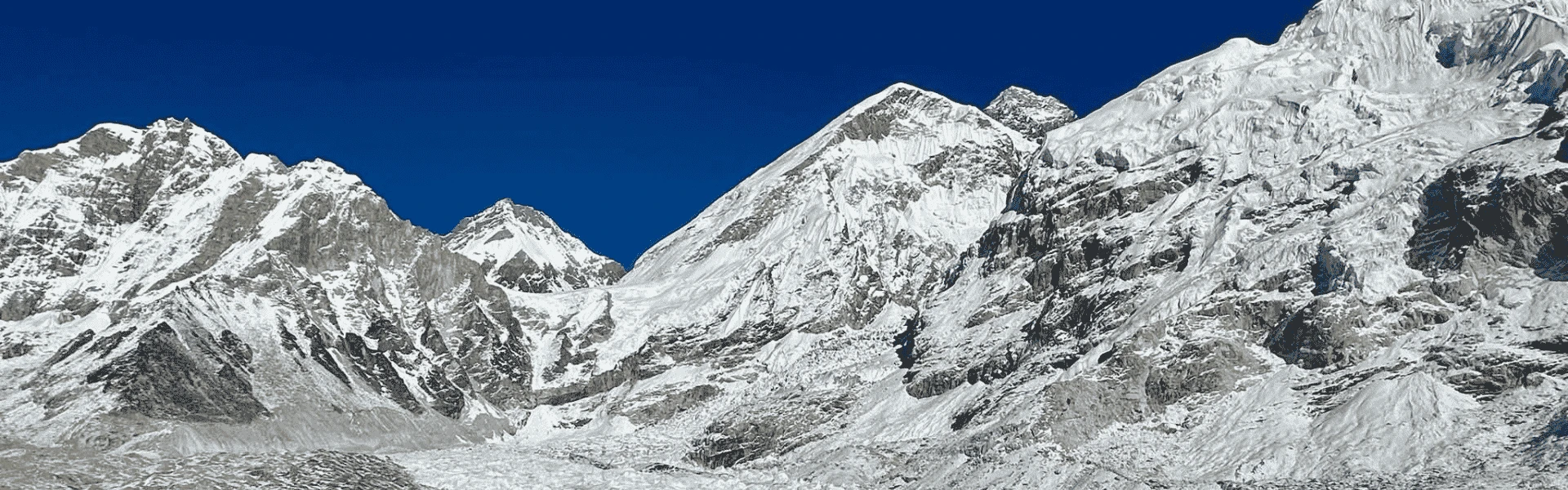
Everest Region Trekking is not just one trail. It is a collection of Himalayan journeys through Nepal’s Khumbu region, including Everest Base Camp, Gokyo Valley, Three Passes, Ama Dablam Base Camp, Pikey Peak, Renjo La Pass, Everest Panorama, and luxury or heli-return Everest trekking options.
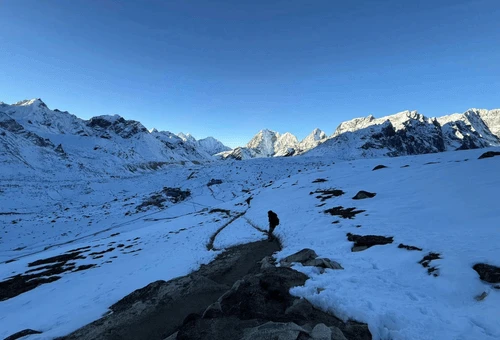
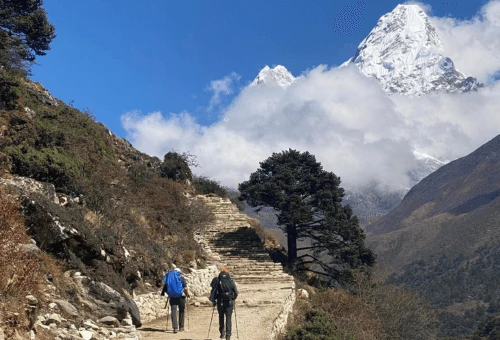
Most Everest region treks follow ancient Sherpa trade routes, cross suspension bridges over the Dudh Koshi River, pass through Namche Bazaar, and enter the high mountain landscapes of Sagarmatha National Park. Along the way, trekkers experience Buddhist monasteries, yak pastures, glacial valleys, stone villages, prayer wheels, mani walls, and some of the most famous Himalayan views on earth.
But the best Everest trek is not always the most famous one.
Everest Base Camp is perfect for classic bucket-list trekkers. Gokyo Valley is better for blue lakes, wider viewpoints, and fewer crowds. Three Passes is for experienced trekkers who want the most complete Everest circuit. Pikey Peak and Everest Panorama are better suited to beginners, families, and travellers with limited time. Ama Dablam Base Camp is ideal for trekkers who want a shorter Everest-region trail with strong mountain drama.
Mountain Eco Trails helps you choose the right Everest Region trekking package based on your time, fitness, altitude experience, comfort level, travel season, and trekking style.
What Is the Best Everest Region Trek?
The best Everest Region Trek depends on your goal. Everest Base Camp Trek is best for the classic Himalayan experience. Gokyo Valley Trek is best for lakes, Gokyo Ri, and quieter trails. Everest Three High Passes Trek is best for experienced trekkers seeking a harder adventure. Everest Panorama, Everest View, and Pikey Peak are better for beginners, families, and short holidays.
If you want fame, choose Everest Base Camp.
If you want scenery with fewer crowds, choose Gokyo Valley.
If you want challenge, choose Three Passes.
If you want comfort, choose Everest Luxury Trek.
If you want a short Everest experience, choose Everest View, Pikey Peak, or Ama Dablam Base Camp.
Everest Region Trekking Packages: Route Comparison
Everest Trek | Best For | Duration | Trek Style | Difficulty | Crowd Level |
Everest Base Camp Trek 14 Days | Classic EBC journey with safer acclimatisation | 14 Days | Teahouse trek | Moderate–Hard | High |
EBC Trek 12 Days | Fit trekkers with limited time | 12 Days | Guided teahouse trek | Moderate–Hard | High |
Short Everest Base Camp Trek | Fast-paced EBC route | 10 Days | Short EBC trek | Hard | High |
Everest Base Camp Heli Trek | EBC with helicopter return | 9 Days | Trek + heli return | Moderate–Hard | Medium |
Luxury Everest Trek | Comfort-focused Everest travelers | 13 Days | Premium lodge trek | Moderate | Medium |
Gokyo Valley Trek | Lakes, Gokyo Ri, quieter views | 10 Days | Scenic Everest trek | Moderate–Hard | Medium |
Everest Gokyo Valley Trek | EBC + Gokyo combination | 15 Days | Extended scenic trek | Hard | Medium |
Everest Three High Passes Trek | Experienced trekkers | 16 Days | High pass circuit | Hard | Low–Medium |
Renjo La Pass Trek | Scenic pass and Gokyo views | 12 Days | High pass trek | Moderate–Hard | Medium |
Ama Dablam Base Camp Trek | Short Everest alternative | 8 Days | Base camp side route | Moderate | Medium |
Everest Panorama Trek | Beginners and short holidays | 7 Days | Lower Everest trek | Easy–Moderate | Medium |
Pikey Peak Trek | Lower-altitude Everest views | 7 Days | Cultural viewpoint trek | Moderate | Low–Medium |
Kala Patthar Hike | Everest viewpoint experience | 14 Days | High-altitude hike | Moderate–Hard | High |
Jiri to Everest Base Camp Trek | Classic old route to Everest | 20 Days | Long traditional route | Hard | Low–Medium |
Our Everest Region Trekking Packages
Gokyo Valley Trek – 10 Days
From US$ 1,450
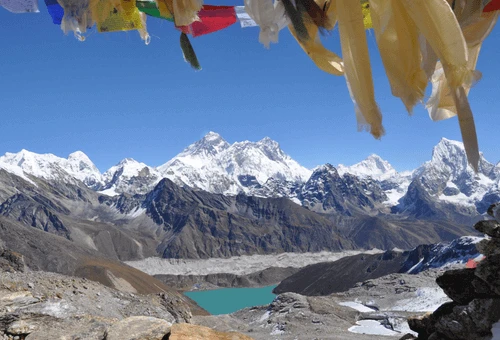
The Gokyo Valley Trek is one of the most beautiful alternatives to the standard Everest Base Camp route. Instead of walking only toward EBC, this trail leads into the Gokyo Valley, where turquoise lakes, wide glaciers, and the summit of Gokyo Ri create one of the grandest viewpoints in the Everest region.
This trek is ideal for travellers who want Everest views without following the busiest trail every day. It gives you Sherpa culture, Namche Bazaar, high-altitude lakes, and a quieter feeling than the classic EBC route.
Best for: Scenic trekkers, photographers, repeat Nepal visitors, and those who want a quieter Everest route.
Pikey Peak Trek – 7 Days
From US$ 799
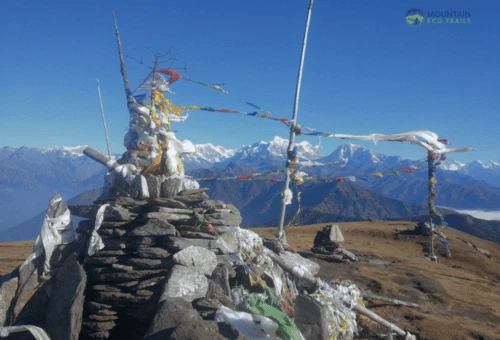
The Pikey Peak Trek is a lower-altitude Everest-view trek that gives you a wide panorama of the eastern Himalayas without the commitment of walking to Everest Base Camp. It is one of the best short Everest region treks for travellers who want mountain views, local villages, Buddhist monasteries, and fewer crowds.
Pikey Peak is especially suitable for trekkers who want a cultural trail with big Himalayan views but do not want to go too high or spend two weeks in the Khumbu.
Best for: Beginners, short holidays, cultural trekkers, photographers, and travellers avoiding very high altitude.
Renjo La Pass Trek – 12 Days
From US$ 1,549
The Renjo La Pass Trek is a scenic high-pass adventure in the Everest region. It connects the Gokyo side of the Khumbu with dramatic views of Everest, Lhotse, Makalu, Cho Oyu, and the surrounding Himalayan giants.
This route is less crowded than the main Everest Base Camp trail and gives trekkers a stronger feeling of space, height, and wilderness. It is a good choice for trekkers who want a challenge but do not want the full intensity of all Three Passes.
Best for: Fit trekkers, Gokyo lovers, pass-crossing experience, and scenic Everest photography.
Everest Panorama Trek – 7 Days
From US$ 1,150
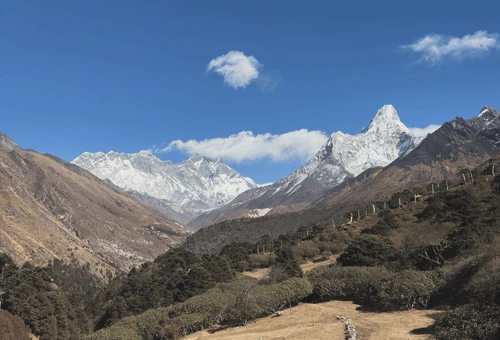
The Everest Panorama Trek is a short and rewarding Everest region trek for travelers who want Sherpa culture, Namche Bazaar, Tengboche Monastery, and Himalayan views without going all the way to Everest Base Camp.
This trek is one of the best choices for beginners, families, older travellers, and people with limited time. You still experience the Everest atmosphere, but the route stays lower than EBC and is easier to manage with a shorter holiday.
Best for: First-time trekkers, families, short trips, and travellers who want Everest views without extreme altitude.
Kala Patthar Hike – 14 Days
From US$ 1,399
Kala Patthar is one of the most famous viewpoints in the Everest region. While Everest Base Camp gives you the emotional reward of reaching the foot of Everest, Kala Patthar gives you a clearer mountain view. From the summit area, trekkers see Everest, Nuptse, Lhotse, Pumori, and the surrounding high Himalayan wall.
This trek is best for travelers who want the strongest visual reward in the classic Everest route.
Best for: Photographers, classic EBC trekkers, sunrise viewpoint lovers, and high-altitude hikers.
Everest Three High Passes Trek – 16 Days
From US$ 1,699
The Everest Three High Passes Trek is the most complete trekking adventure in the Everest region. It crosses Kongma La, Cho La, and Renjo La while linking Everest Base Camp, Kala Patthar, Gokyo Lakes, and remote valleys into one powerful circuit.
This trek is not for casual beginners. It requires strong fitness, previous trekking experience, cold-weather preparation, and a flexible mindset. The reward is huge: fewer crowds, high passes, glaciers, hidden valleys, and the deepest version of the Everest trekking experience.
Best for: Experienced trekkers, high-pass lovers, endurance travelers, and repeat Nepal visitors.
Jiri to Everest Base Camp Trek – 20 Days
From US$ 1,999
The Jiri to Everest Base Camp Trek follows the older approach route used before Lukla flights became the common gateway to Everest. It begins lower, passes through beautiful villages and hill landscapes, and gradually builds toward the Khumbu.
This route gives you a slower, deeper, and more traditional journey to Everest. It is longer than the standard EBC trek, but it rewards trekkers with better acclimatisation, more cultural variety, and a less rushed connection to the landscape.
Best for: Slow travellers, classic-route lovers, cultural trekkers, and those who want to avoid a flight-only Everest experience.
Ama Dablam Base Camp Trek – 8 Days
From US$ 1,199
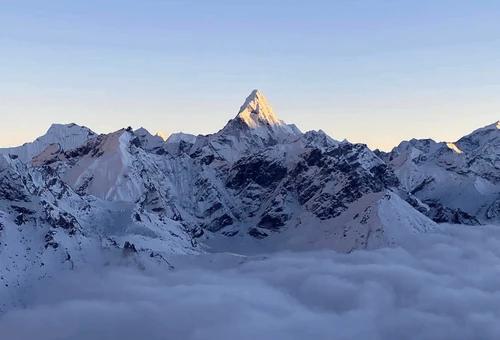
Ama Dablam Base Camp Trek is one of the most underrated short treks in the Everest region. Ama Dablam is often called one of the most beautiful mountains in Nepal because of its sharp, elegant shape rising above the Khumbu Valley.
The route usually follows the main Everest trail toward Namche and Tengboche before moving toward Ama Dablam Base Camp. It gives trekkers Sherpa culture, monastery visits, mountain views, and a real base camp feeling in fewer days than the EBC trek.
Best for: Short-time trekkers, photographers, Everest-region lovers, and travellers who want something different from the standard EBC trail.
EBC Trek 12 Days – Guided Package
From US$ 1,399
The 12-day Everest Base Camp Trek is a shorter guided option for fit trekkers who want to reach EBC within limited time. It follows the classic Khumbu route through Lukla, Phakding, Namche Bazaar, Tengboche, Dingboche, Lobuche, Gorak Shep, and Everest Base Camp.
This itinerary is best for travelers who already have good fitness and can handle longer trekking days. Because the route reaches high altitude, pacing and guide support are very important.
Best for: Fit trekkers, limited holidays, guided EBC seekers, and travellers comfortable with a compact itinerary.
Everest Base Camp Trek – 14 Days
From US$ 1,699
The 14-day Everest Base Camp Trek is the classic and most balanced version of the EBC journey. It gives trekkers more space for acclimatisation, better pacing, and a more complete experience of the Khumbu region.
The route follows the famous trail from Lukla to Namche Bazaar, Tengboche, Dingboche, Lobuche, Gorak Shep, Everest Base Camp, and Kala Patthar. Along the way, trekkers experience Sherpa villages, Buddhist monasteries, suspension bridges, yak trails, glacier landscapes, and close views of Everest, Lhotse, Nuptse, Ama Dablam, and Pumori.
Best for: First-time Everest trekkers with good fitness, bucket-list travelers, photographers, and classic Himalayan adventurers.
Everest Gokyo Valley Trek – 15 Days
From US$ 1,699
The Everest Gokyo Valley Trek combines the classic Everest experience with the quieter beauty of the Gokyo Lakes. It is a stronger alternative for trekkers who want more than the standard EBC route.
This trek can include Everest Base Camp, Kala Patthar, Cho La Pass, Gokyo Lakes, and Gokyo Ri, depending on the final itinerary. It is more challenging than the basic EBC trek but offers richer scenery and a better sense of crossing through different Himalayan zones.
Best for: Scenic trekkers, experienced hikers, photographers, and travelers who want EBC plus Gokyo.
Short Everest Base Camp Trek – 10 Days
From US$ 1,299
The Short Everest Base Camp Trek is designed for fit travellers with limited time. It follows the main EBC trail but compresses the experience into fewer days, making it more physically demanding than the standard 14-day itinerary.
This trek is not recommended for everyone. If you are new to altitude or prefer slower pacing, the 14-day itinerary is a safer and more comfortable choice. But for strong trekkers with limited holiday time, the 10-day EBC trek can be a powerful Himalayan adventure.
Best for: Fit trekkers, time-limited travellers, and people with previous multi-day hiking experience.
Everest Base Camp Heli Trek – Heli Return
From US$ 2,799
The Everest Base Camp Heli Trek combines the classic walk to Everest Base Camp with a helicopter return from the high Khumbu. This saves several days on the descent and adds a spectacular aerial view of the Everest region.
This package is ideal for travellers who want the achievement of trekking to EBC but prefer a shorter return journey. It is also useful for people with limited time who still want a complete Everest experience.
Best for: Time-conscious travellers, comfort-focused trekkers, photographers, and those who want a dramatic helicopter return.
Luxury Everest Trek – 13 Days
From US$ 5,099
The Luxury Everest Trek is designed for travellers who want to explore the Everest region with better comfort wherever available. The trek may include upgraded lodges, smoother logistics, personalised service, and carefully managed pacing.
Luxury in the Everest region does not mean city-style comfort at every stop. The higher you go, the more basic the facilities become. But compared with a standard teahouse trek, this package offers a more comfortable and supported way to experience the Khumbu.
Best for: Luxury travellers, couples, comfort-focused trekkers, older active travellers, and private groups.
Which Everest Trek Is Best for You?
Choosing the right Everest trek should depend on your body, your time, your comfort level, and your reason for going. Do not choose a route only because it is famous. Choose the trail that matches your style.
Traveler Type | Best Everest Trek | Why |
First-time trekker | Everest Panorama Trek or Pikey Peak Trek | Lower altitude, shorter route, easier pacing |
Classic bucket-list traveler | Everest Base Camp Trek 14 Days | Best balance of experience and acclimatisation |
Fit traveler with limited time | EBC Trek 12 Days or Short EBC Trek | Compact route with guided support |
Photographer | Gokyo Valley, Kala Patthar, Pikey Peak | Strong viewpoints and wider landscapes |
Experienced adventurer | Everest Three High Passes Trek | Hardest and most complete Everest circuit |
Less-crowded route seeker | Gokyo Valley or Renjo La Pass Trek | Quieter than the standard EBC trail |
Comfort-focused traveler | Luxury Everest Trek | Better service and lodge comfort where available |
Time-saving traveler | EBC Heli Trek | Trek up, fly back |
Cultural route lover | Jiri to Everest Base Camp Trek | Longer approach through villages and old trails |
Short Everest alternative seeker | Ama Dablam Base Camp Trek | Big mountain beauty in fewer days |
Everest Region Trekking Cost 2026/2027
Everest Region Trekking cost depends on route length, guide and porter support, meals, accommodation standard, domestic flights, permits, group size, helicopter service, and comfort level.
Everest Trekking Package | Duration | Starting Price |
Pikey Peak Trek | 7 Days | From US$ 799 |
Everest Panorama Trek | 7 Days | From US$ 1,150 |
Ama Dablam Base Camp Trek | 8 Days | From US$ 1,199 |
Short Everest Base Camp Trek | 10 Days | From US$ 1,299 |
Kala Patthar Hike | 14 Days | From US$ 1,399 |
EBC Trek 12 Days | 12 Days | From US$ 1,399 |
Gokyo Valley Trek | 10 Days | From US$ 1,450 |
Renjo La Pass Trek | 12 Days | From US$ 1,549 |
Everest Base Camp Trek | 14 Days | From US$ 1,699 |
Everest Gokyo Valley Trek | 15 Days | From US$ 1,699 |
Everest Three High Passes Trek | 16 Days | From US$ 1,699 |
Jiri to Everest Base Camp Trek | 20 Days | From US$ 1,999 |
Everest Base Camp Heli Trek | 9 Days | From US$ 2,799 |
Luxury Everest Trek | 13 Days | From US$ 5,099 |
What Usually Affects Everest Trek Cost?
Everest trekking costs can increase or decrease depending on:
- Kathmandu to Lukla flight or road-and-flight logistics
- Ramechhap Airport Transfer During Peak Seasons
- Guide and porter arrangement
- Private trek vs group trek
- Meals and hot drinks inclusion
- Accommodation standard
- Helicopter return or emergency backup
- Extra acclimatisation days
- Trekking permits
- Travel insurance and rescue coverage
- Single room or private room requests
- Seasonal demand in spring and autumn
A cheaper trek is not always better in the Everest region. At high altitude, good pacing, reliable guide support, proper logistics, and realistic acclimatisation matter more than saving a small amount.
Best Time for Everest Region Trekking
The best time for Everest Region Trekking is spring and autumn. These months usually offer the clearest mountain views, more stable weather, and better trekking conditions.
Season | Months | Everest Trekking Experience |
Spring | March to May | Warmer days, rhododendron in lower areas, climbing-season atmosphere near Everest |
Autumn | September to November | Clear skies, sharp mountain views, stable weather, busiest trekking season |
Winter | December to February | Cold but quieter; good for lower treks like Pikey Peak and Everest Panorama |
Monsoon | June to August | Rain, clouds, flight delays, slippery trails; not ideal for most Everest treks |
Best Season by Trek Type
Trek Type | Best Season |
Everest Base Camp Trek | Spring and autumn |
Gokyo Valley Trek | Spring and autumn |
Three High Passes Trek | Spring and autumn |
Pikey Peak Trek | Spring, autumn, and winter |
Everest Panorama Trek | Spring, autumn, and winter |
Ama Dablam Base Camp Trek | Spring and autumn |
Luxury Everest Trek | Spring and autumn |
Heli Return Everest Trek | Spring and autumn, depending on weather |
Everest Region Trekking Difficulty
Everest Region Trekking ranges from moderate short treks to hard high-pass adventures. The trail itself is usually not technical, but altitude, cold weather, long walking days, steep climbs, and changing conditions make the region physically demanding.
Trek | Difficulty | Why |
Everest Panorama Trek | Easy–Moderate | Lower altitude and shorter route |
Pikey Peak Trek | Moderate | Steady walking with lower altitude than EBC |
Ama Dablam Base Camp Trek | Moderate | Shorter but still reaches high mountain terrain |
Everest Base Camp Trek 14 Days | Moderate–Hard | High altitude and longer trekking days |
Short EBC Trek | Hard | Faster pace with less recovery time |
Gokyo Valley Trek | Moderate–Hard | High altitude, lakes, and Gokyo Ri climb |
Renjo La Pass Trek | Moderate–Hard | High pass crossing and remote sections |
Everest Gokyo Valley Trek | Hard | Longer route with EBC and Gokyo combination |
Three High Passes Trek | Hard | Multiple high passes, long days, serious altitude |
Jiri to EBC Trek | Hard | Longer duration and more accumulated walking |
Is Everest Region Trekking Difficult?
Everest Region Trekking can be moderate to hard depending on the route. Everest Panorama and Pikey Peak are easier options, while Everest Base Camp is moderate to hard because of altitude. Gokyo, Renjo La, and Three Passes are more difficult and better suited for fit or experienced trekkers.
Permits for Everest Region Trekking
Most Everest region treks require trekking permits for Sagarmatha National Park and the local Khumbu area. Permit requirements may vary depending on the exact route. For example, routes starting from Jiri or Salleri may require additional permits depending on the trail and current regulations.
Mountain Eco Trails arranges required trekking permits for guided Everest packages, so you do not need to manage the paperwork alone.
Common Everest Trekking Permits
Permit | Usually Required For |
Sagarmatha National Park Entry Permit | Most treks entering the upper Khumbu |
Khumbu Pasang Lhamu Rural Municipality Permit | Most Everest region treks in the Khumbu |
Additional conservation/local permits | Some longer routes from Jiri, Salleri, or alternative approaches |
Why Trek the Everest Region with Mountain Eco Trails?
A successful Everest trek is not only about reaching a destination. It is about choosing the right route, walking at the right pace, staying safe at altitude, understanding the mountain culture, and having a local team that can adjust when conditions change.
Mountain Eco Trails is a Nepal-based trekking company offering guided Himalayan treks with local knowledge, flexible planning, and responsible trekking values.
What Makes Our Everest Treks Different?
- Local Nepal-based trekking operation
- Experienced Everest region guides
- Acclimatisation-focused itineraries
- Private and small-group options
- Honest route recommendations based on fitness and time
- Guide and porter support
- Clear cost and package communication
- Flexible customisation for couples, families, solo trekkers, and groups
- Responsible trekking approach
- Local cultural insight into Sherpa villages, monasteries, and mountain life
- Emergency coordination support when needed
We do not recommend the hardest or most expensive trek to every traveller. We recommend the route that fits your body, your schedule, your expectations, and your Himalayan dream.
FAQs About Everest Region Trekking
What is Everest Region Trekking?
Everest Region Trekking refers to trekking routes in Nepal’s Khumbu region, including Everest Base Camp, Gokyo Valley, Three Passes, Ama Dablam Base Camp, Pikey Peak, Everest Panorama, and other trails around Sagarmatha National Park. These treks combine mountain views, Sherpa culture, monasteries, glaciers, and high-altitude landscapes.
What is the best Everest Region Trek?
The best Everest Region Trek depends on your goal. Everest Base Camp is best for the classic experience, Gokyo Valley is best for lakes and quieter scenery, Three Passes is best for experienced trekkers, and Everest Panorama or Pikey Peak is best for beginners and short holidays.
How many days do I need for Everest Region Trekking?
You need around 7 days for short Everest treks such as Pikey Peak or Everest Panorama, 12–14 days for Everest Base Camp, 10–15 days for Gokyo or EBC-Gokyo routes, and 16–20+ days for Three Passes or Jiri to Everest Base Camp.
Is Everest Region Trekking difficult?
Everest Region Trekking ranges from easy-moderate to hard. Pikey Peak and Everest Panorama are easier options, while Everest Base Camp is moderate-hard due to altitude. Gokyo, Renjo La, and Three Passes are harder because they involve higher elevation, longer days, and more demanding terrain.
Which Everest trek is best for beginners?
Everest Panorama Trek, Everest View Trek, and Pikey Peak Trek are the best Everest region treks for beginners. They offer Himalayan views, Sherpa villages, and cultural experiences without the same altitude commitment as Everest Base Camp or Three Passes.
Is Everest Base Camp Trek suitable for beginners?
Everest Base Camp Trek can be suitable for fit beginners if they choose a proper itinerary with acclimatisation days, walk slowly, prepare physically, and trek with an experienced guide. It is not technical, but the altitude makes it a serious trek.
Which Everest trek is less crowded than Everest Base Camp?
Gokyo Valley Trek, Renjo La Pass Trek, Pikey Peak Trek, Ama Dablam Base Camp Trek, and Jiri to Everest Base Camp Trek are usually less crowded than the standard Everest Base Camp route. These treks are better for travellers who want quieter trails and a different Everest experience.
How much does Everest Region Trekking cost?
Everest Region Trekking usually starts from around US$ 799 for shorter routes such as Pikey Peak and can go above US$ 5,000 for luxury Everest packages. Standard Everest Base Camp and Gokyo treks usually cost more because of flights, permits, guide support, meals, accommodation, and high-altitude logistics.
What permits are required for Everest Region Trekking?
Most Everest region treks require a Sagarmatha National Park Entry Permit and a Khumbu Pasang Lhamu Rural Municipality Permit. Some routes starting from Jiri, Salleri, or other alternative approaches may require additional local or conservation permits depending on the route.
When is the best time for Everest Region Trekking?
The best time for Everest Region Trekking is spring from March to May and autumn from September to November. These seasons usually offer better visibility, more stable weather, and safer trekking conditions. Winter is possible for lower Everest treks, while monsoon is less ideal due to rain and flight delays.
Do I need a guide for Everest Region Trekking?
A guide is strongly recommended for Everest Region Trekking because the route involves altitude, changing weather, permit checks, lodge coordination, and emergency decisions. A local guide also helps with pacing, cultural interpretation, communication, and safer route management.
Can I trek in the Everest region without flying to Lukla?
Yes, it is possible to trek in the Everest region without flying directly to Lukla by choosing longer routes such as Jiri to Everest Base Camp or road-access variations through lower Solu-Khumbu. These options require more days but offer a more traditional trekking experience.
Which is better: Everest Base Camp or Gokyo Valley?
Everest Base Camp is better if your dream is to reach the famous base camp and experience the classic Khumbu route. Gokyo Valley is better if you want lakes, Gokyo Ri, wider mountain views, and fewer crowds. Strong trekkers can combine both routes.
Is the Everest Three Passes Trek harder than Everest Base Camp?
Yes, the Everest Three Passes Trek is harder than the standard Everest Base Camp Trek. It crosses multiple high passes, includes longer walking days, and requires stronger fitness, better preparation, and more confidence at altitude.
Can I customise my Everest Region Trek?
Yes, Mountain Eco Trails can customise Everest Region Trekking packages based on your travel dates, fitness level, trekking experience, group size, comfort preference, and route interest. You can request private departures, slower pacing, heli return, luxury lodges, or route combinations such as EBC with Gokyo.
Plan Your Everest Region Trek with Local Experts
Everest is not a place to rush. The right trek should match your fitness, your pace, your travel dates, your comfort expectations, and your reason for coming to Nepal.
Tell us your preferred month, number of trekking days, fitness level, previous altitude experience, group size, and comfort preference. Mountain Eco Trails will help you compare Everest Base Camp, Gokyo Valley, Three Passes, Ama Dablam Base Camp, Pikey Peak, Everest Panorama, heli return, and luxury Everest trekking options.
Plan the right Everest trek, not just the famous one.
Contact Mountain Eco Trails for a custom Everest Region trekking plan.
WhatsApp/Viber: +977 9849790153
Email: [email protected]