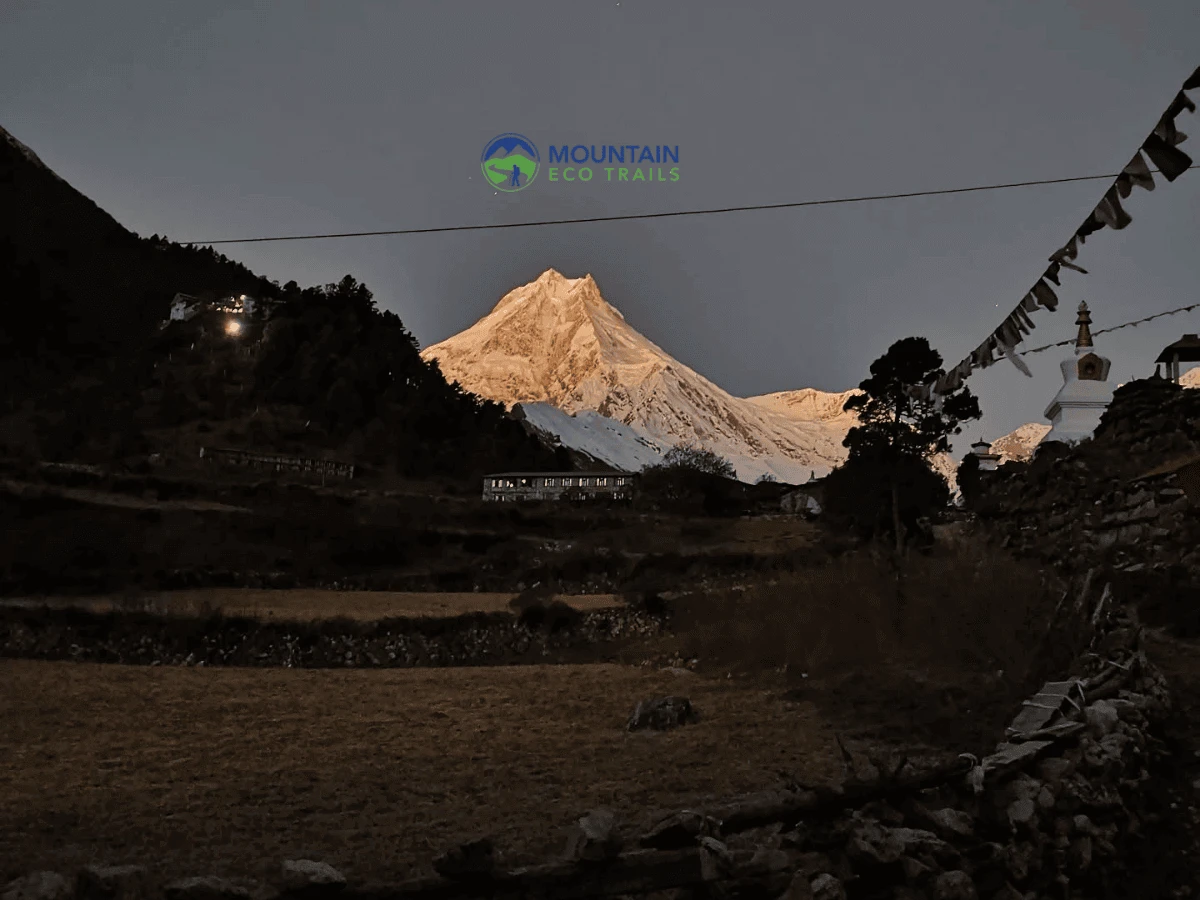
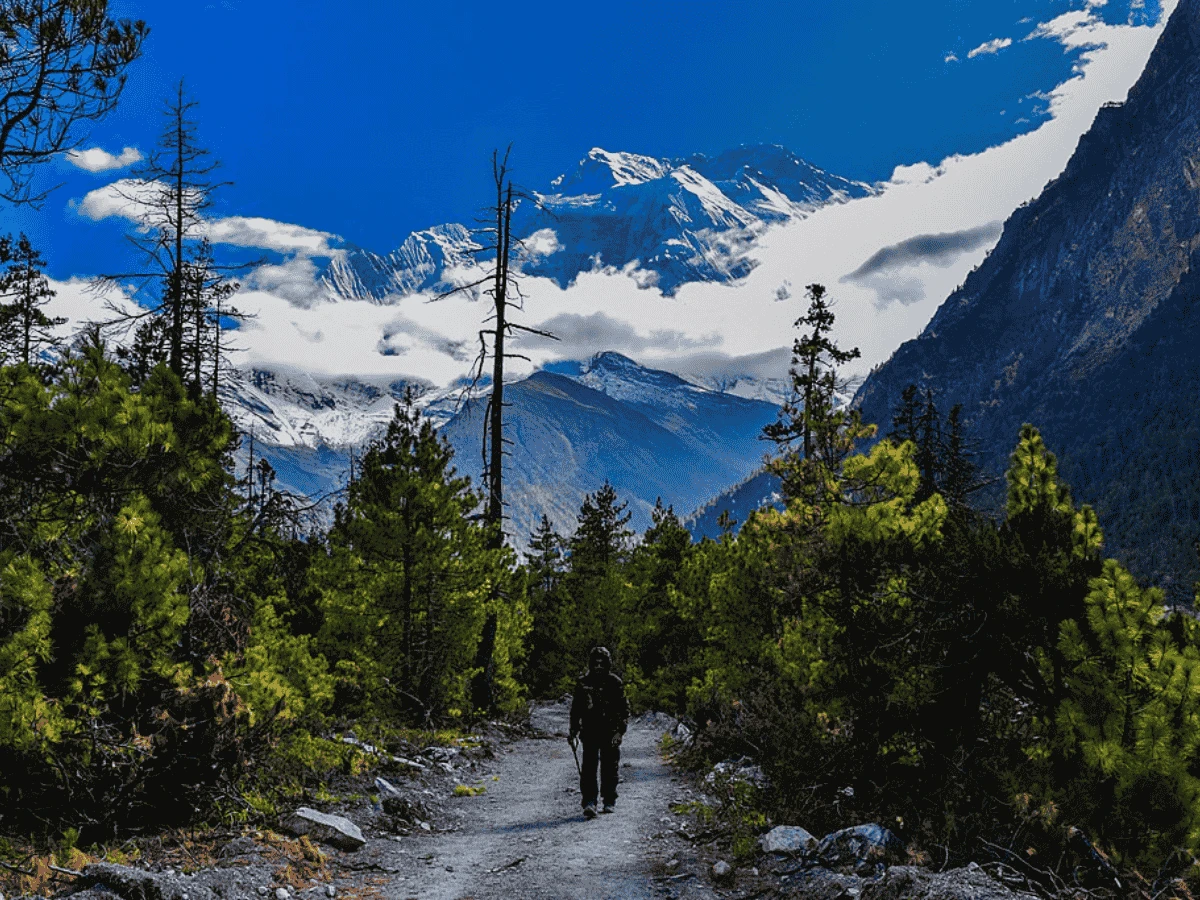


Manaslu Annapurna Circuit

Manaslu Annapurna Circuit is a thrilling combined trek that links the remote Manaslu Circuit with the famous Annapurna Circuit. This extended Himalayan venture crosses Larkya La Pass (5,106 m) and Thorong La Pass (5,416 m) on a single journey.

The Trekkers experience everything from isolated Tibetan Buddhist villages to the bustling teahouse trails of Annapurna, all in a single itinerary.

Mountain Eco Trails offers guided Manaslu Annapurna Circuit packages that ensure safe acclimatisation, handle all permits, and provide expert local guides – making this challenging trek accessible and unforgettable for seasoned adventurers.

  • DestinationNepal
  • Duration16 Days
  • Difficulty Level Challenging
  • Max. Altitude5416 meters
  • Starts/EndsMacchekhola/Pokhara
  • Trip StyleTrekking
  • Group SizeMin. 1 Pax
  • Best SeasonSpring & Autumn
Highlights
  • Combined high altitude Trek: Manaslu Circuit with Annapurna Circuit Trek 
  • Ideal for the experienced Trekkers who are seeking raw adventure in the Himalayas 
  • Cross two iconic high passes of Nepal: Larkya La Pass (5106m) & Thorong La Pass (5416m) 
  • The combined Manaslu Annapurna Circuit Trek is Challenging Level of Difficulty.
  • Explore remote valleys of Manaslu and the popular villages of Annapurna in a single trip. 
  • Witness high peaks such as Mt. Manaslu, Annapurna, Dhaulagiri, Hiunchuli, Ganesh Himal, & more. 

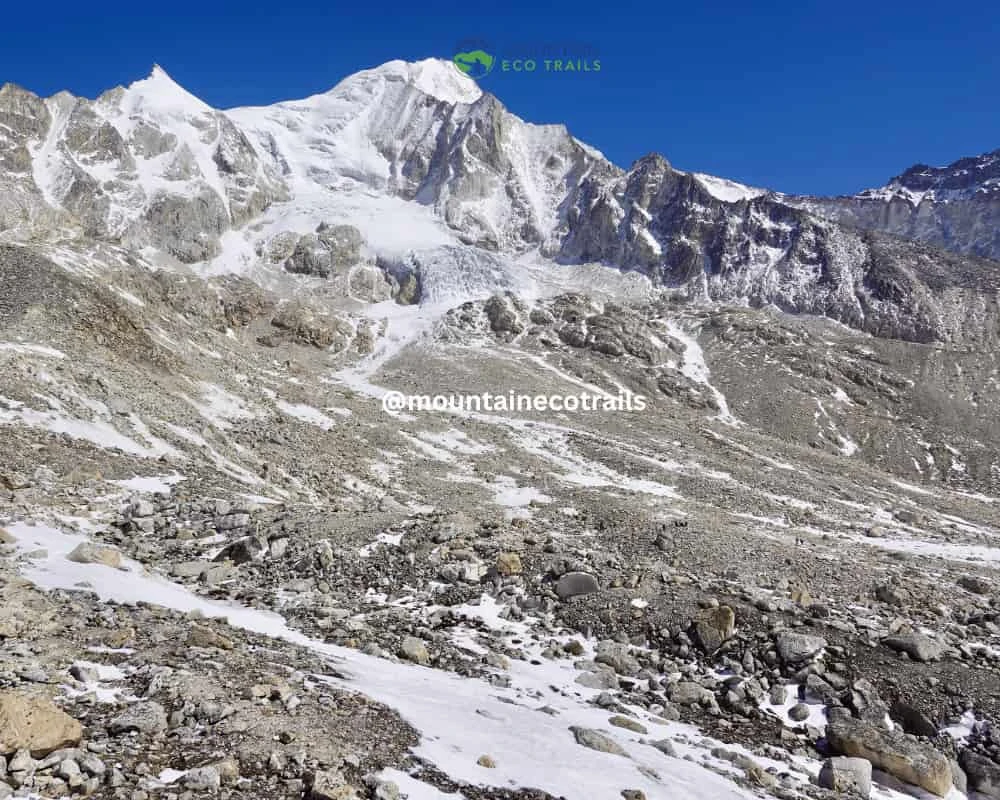
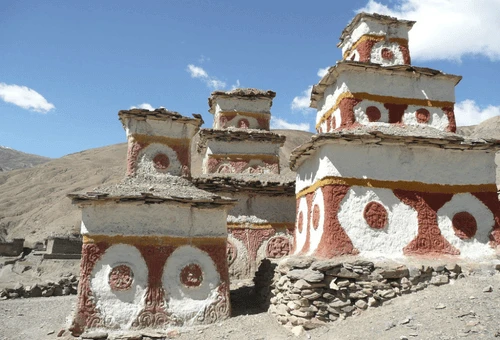
Manaslu Annapurna Circuit Trek combines two of Nepal’s best trekking routes into one comprehensive trek. In the first stage, you trek the Manaslu Circuit, a restricted trail that encircles Mt. Manaslu, 8th highest peak in the world. This off-the-beaten-path takes you through lush river valleys, terraced fields, and high Himalayan villages with strong Tibetan cultural influences.

After crossing the Larkya La Pass (5,106m), the route descends to join the classic Annapurna Circuit. The second stage then leads you along the Annapurna trail. Ascend to cross Thorong La Pass (5,416 m), before descending to the holy temple of Muktinath on the Mustang side of the Annapurna region.

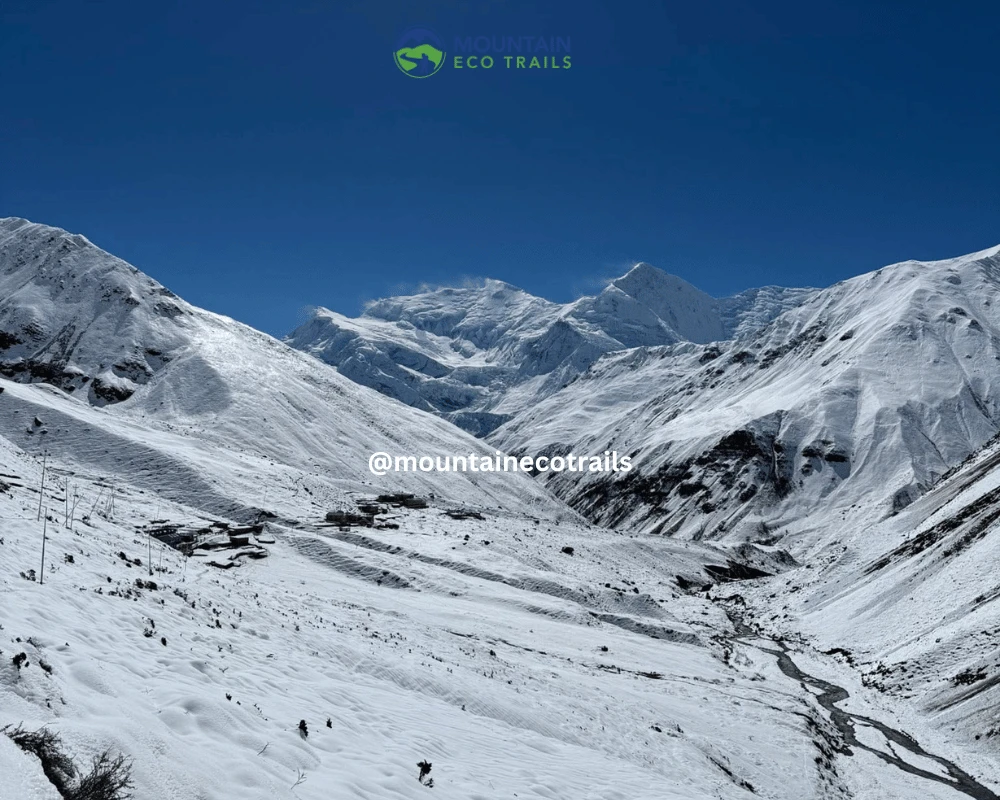
This combined trek offers an unparalleled diversity of landscapes and cultures. In a single journey, trekkers pass through the Manaslu Conservation Area and the Annapurna Conservation Area. You’ll witness breathtaking views of iconic peaks – not only Manaslu and Annapurna, but also vistas of Ganesh Himal, Himchuli, Lamjung, Dhaulagiri, and more.

Combining the Manaslu Circuit Trek and Annapurna Circuit Trek into one itinerary is a dream trek for experienced trekkers seeking both a physical challenge and spectacular natural beauty.

In total, expect roughly 2.5 to 3 weeks to complete the Manaslu Annapurna Circuit trek, covering about 180–200 km on foot. The Manaslu Annapurna Circuit Trek is challenging in difficult level, which requires excellent strength and stamina for 16-20 days.

Mountain Eco Trails’ team has firsthand experience on these trails (our guides hail from these regions), ensuring you get an authentic and safe experience throughout the journey. Feel free to contact us via email or What'sApp us at +9779849790153 to plan this adventure. 

Why do this combined Manaslu Annapurna Circuit with Mountain Eco Trails?

Choosing the best Local Trekking Agency for this restricted trek in Nepal is mandatory. Mountain Eco Trails specialises in arranging the trek in Manaslu & Annapurna with experienced and expert guides. Here is why you should choose us for this Trek:

  • Expert and Government-licensed Trekking Guides.
  • 90% success rate with 70% repeated clients.
  • Benefits & complementary for a smooth trekking experience.
  • Safety Focus & Responsible Tourism
  • Hass-free last minute booking & trip arrangement.
  • Transparent pricing with no hidden cost.

Combined Manaslu Annapurna Circuit Trek 16 Days Itinerary

The combined Manaslu and Annapurna Circuit trek is usually done in 14–18 trekking days, plus travel days to and from the trail. Mountain Eco Trails carefully designs the itinerary for proper acclimatisation – including rest days – to ensure trekkers adjust well to the high altitudes. Here is a sample day-by-day itinerary with routes, altitudes, and approximate walking times:

Day

Route

Altitude

Trek Duration

1

Drive to Machha Khola (via Arughat)

870 m

8–9 hrs

2

Trek to Jagat

1,410 m

6–7 hrs

3

Trek to Deng

1,800 m

6–7 hrs

4

Trek to Namrung

2,630 m

6 hrs

5

Trek to Sama Gaon

3,530 m

6 hrs

6

Acclimatisation day in Sama Gaon

3,530 m

Rest

7

Trek to Samdo

3,875 m

4–5 hrs

8

Trek to Dharamsala

4,460 m

4-hrs

9

Cross Larkya La Pass (5,106 m) and to Bimtang

3,720 m

8–10 hrs

10

Trek to Dharapani

1,860 m

6–7 hrs

11

Trek to Chame

2,710 m

5–6 hrs 

12

Trek to Upper Pisang

3,300 m

5 hrs

13

Trek to Manang

3,540 m

5–6 hrs

Day 14

Trek to Thorong Phedi

4,540 m

6 hrs

Day 15

Cross Thorong La Pass (5,416 m) & Trek to Muktinath

3,800 m

7–9 hrs

Day 16

Drive from Muktinath to Pokhara in a Public Bus

820 m

7-8 hrs

Note: The above itinerary (16 days) is a guideline and can be tailored. Trekkers with more time can add side trips (Tilicho Lakefrom Manang) or extra rest days. Mountain Eco Trails will help customise the itinerary to your needs, ensuring proper acclimatisation and enjoyment.

Why do the Combined Manaslu Annapurna Circuit Trek?

Combining the Manaslu and Annapurna Circuit into one trek is highly rewarding for experienced trekkers. Here’s why this combined trek is worth doing:

  • It’s the shortest way to experience two high passes trek at once, the Manaslu Circuit and Annapurna Circuit in a single trip.
  • The trek spans from lush green lowlands to high alpine terrain and even semi-desert landscapes on the Mustang side.
  • Tibetan Buddhist heritage in secluded Manaslu villages and the mix of Hindu-Buddhist traditions in Annapurna.
  • Combined journey of solitude and wilderness of Manaslu & the classic teahouse trail of Annapurna Circuit.
  • This combined Manaslu Annapurna Circuit trek is physically challenging – ideal for avid trekkers who want to push their limits.

By trekking with Mountain Eco Trails, you have an experienced guiding team handling all the logistics. We arrange the required permits, a registered guide, reliable porters, and safe transport, so you can focus on enjoying the journey. Our guides’ local expertise and high-altitude experience ensure you trek safely across Larkya La and Thorong La passes.

Combined Manaslu Annapurna Circuit Trek Cost for 2026, 2027

Trekking the Manaslu and Annapurna Circuit involves various costs, including permits, guide/porter services, transportation, and trek expenses. Below is a breakdown of typical costs (per person) in USD:

Expense Category

Approx. Cost (USD)

Manaslu Restricted Permit (RAP)

$100 for first 7 days (Sept–Nov); $75 for first 7 days (Dec–Aug); + $10–15 per extra day

Trekking Permit (MCAP + ACAP)

$60 total

TIMS Card

$10

Local Municipality Fee

$10

Guide (licensed)

$30 per day

Porter (optional)

$22–25 per day

Accommodation & Meals

$30–$35 per day

Transportation (Ground)

$50–100

Gear Rental/Purchase

Varies

Travel Insurance (required)

$100–$150

Government Taxes (13% on total cost)

$80-120

A fully guided Combined Manaslu–Annapurna Circuit trek package with Mountain Eco Trails costs around $1299–$1,800 per person. This all-inclusive price covers the necessary permits, guide, accommodations, meals, & required transportation.

We at Mountain Eco Trails are transparent about costs – feel free to contact us via email or WhatsApp us at +9779849790153 for a detailed quote or custom cost breakdown for your planned dates.
Itinerary

Your Manaslu Annapurna Circuit adventure begins with a full-day drive from Kathmandu to Machha Khola via Arughat. The road winds through mid-hills, terraced farms, and river valleys, slowly trading city buzz for raw Nepal countryside. Expect bumpy sections after Arughat, but the scenery makes it worth it—waterfalls, cliff roads, and the Budhi Gandaki corridor coming alive. Arrive in Machha Khola by late afternoon, check into a teahouse, and rest for the trekking days ahead.

  • Max Altitude:870 meters
  • Accommodation:Tehouse
  • Time:8-9 Hours
  • Meals:Lunc & Dinner

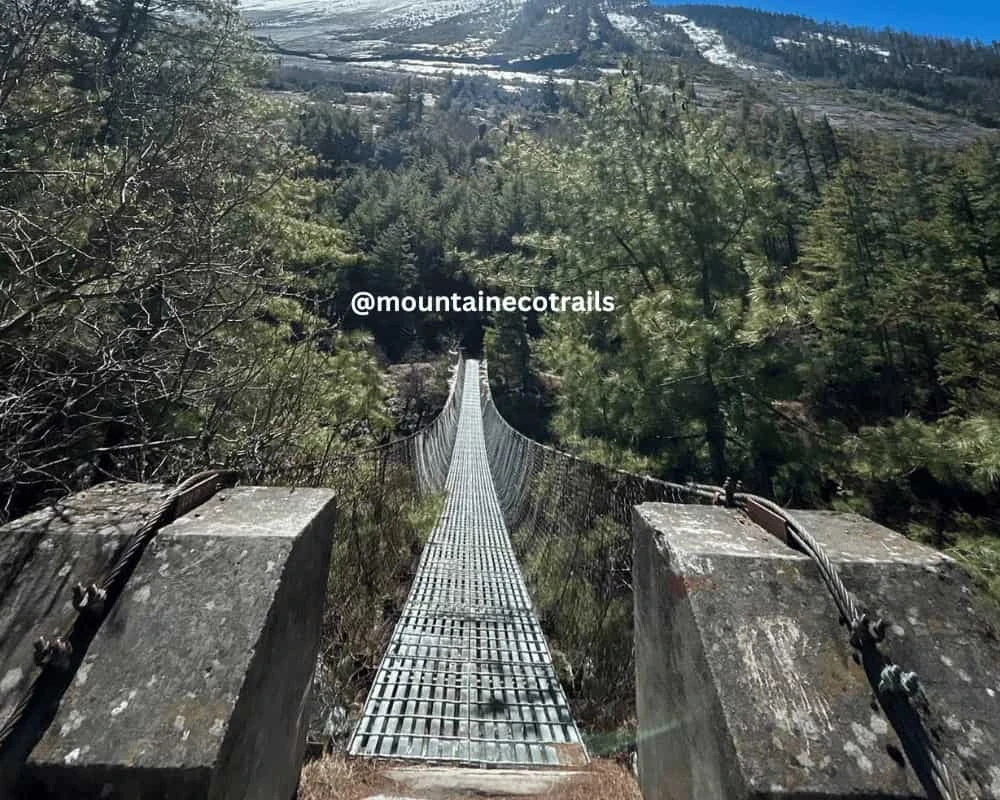
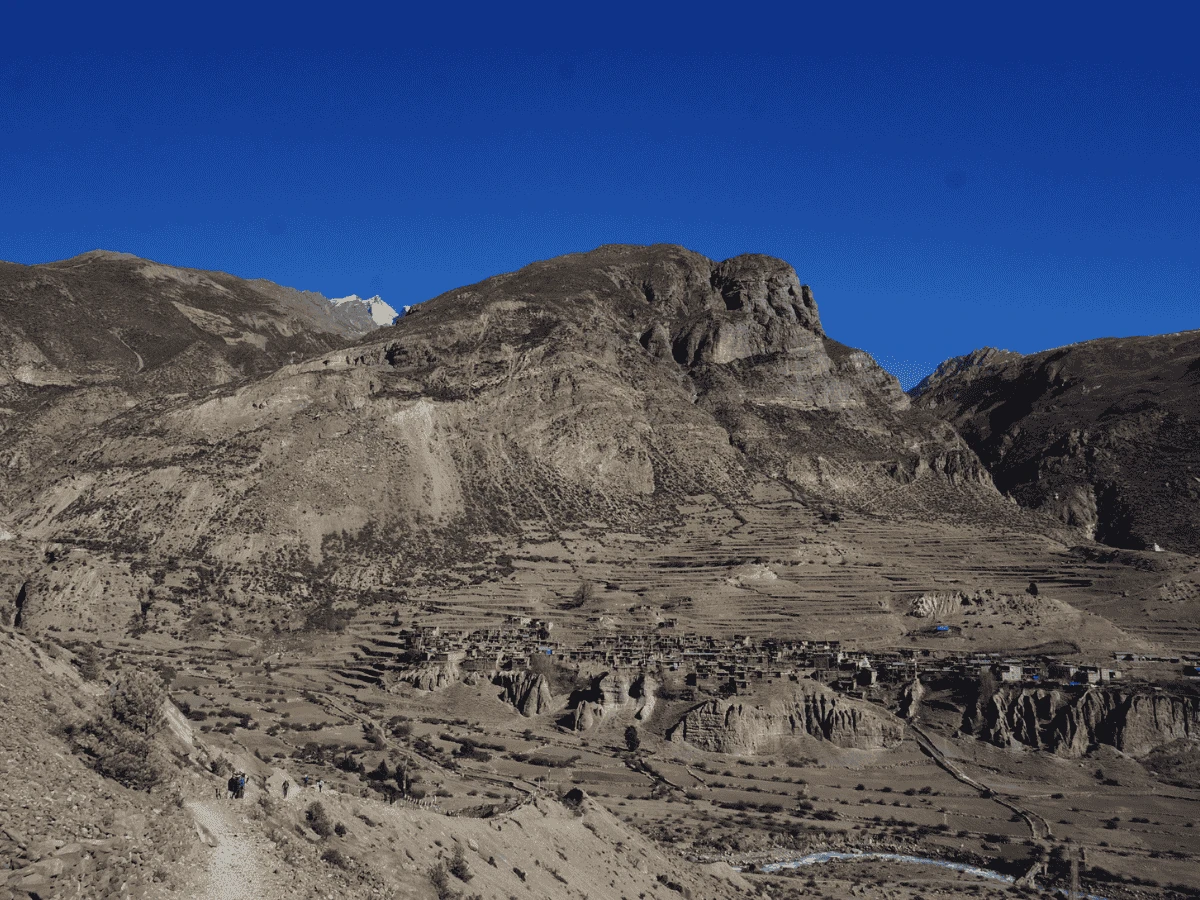
Today, you follow the Budhi Gandaki River on a lively trail of suspension bridges, rocky steps, and small villages. Pass hot springs at Tatopani (if time allows) and cross narrow gorges where the river roars below. The landscape feels subtropical—banana plants, lush hillsides, and warm air. As you climb steadily, the villages become more stone-built and “mountain-style.” Reach Jagat, a traditional entry checkpoint village for the Manaslu region, where permits are typically registered, and the trek starts feeling truly alpine.

  • Max Altitude:1410 meters
  • Accommodation:Teahouse
  • Time:6-7 Hours
  • Meals:Breakfast, Lunch, Dinner

The trail climbs through charming Gurung villages like Salleri and Sirdibas, with long stone staircases and river views almost all day. You’ll pass through Philim, a bigger settlement known for its terraces and cultural vibe, then continue via Ekle Bhatti as the valley narrows.

Forest sections begin to replace farmland, and the air turns cooler. A final descent and climb leads to Deng, a small riverside stop surrounded by hills and pine. It’s a solid acclimatisation-builder day—steady, scenic, and rewarding.

  • Max Altitude:1800 meters
  • Accommodation:Teahouse
  • Time:6-7 Hours
  • Meals:Breakfats, Lunch, Dinner

You gain real altitude today as the trail enters deeper Manaslu territory. Walk through pine and rhododendron forests, cross multiple bridges, and pass villages where Tibetan-influenced culture becomes more visible in prayer flags and mani stones. 

As you approach Namrung, you’ll notice stone houses, yak grazing zones, and crisp mountain air. Namrung is a beautiful mountain village to sleep in—great for stargazing, warm teahouse meals, and early views toward Manaslu Himal.

  • Max Altitude:2630 meters
  • Accommodation:Teahouse
  • Time:6-7 Hours
  • Meals:Breakfast, Lunch, Dinner

A classic Manaslu highlight day: from Namrung, you trek through photogenic settlements like Lho and Shyala, often with jaw-dropping views of Mt. Manaslu (weather permitting). The trail undulates gently compared to earlier days, with wide valley scenery, prayer walls, and grazing pastures. Sama Gaon is one of the biggest villages on the Manaslu Circuit and feels like a true high-mountain base. Arrive early enough to explore monasteries, bakery-style teahouses, and local viewpoints—this is where your acclimatisation strategy becomes crucial.

  • Max Altitude:3530 meters
  • Accommodation:Teahouse
  • Time:6-7 Hours
  • Meals:Breakfast, Lunch, Dinner

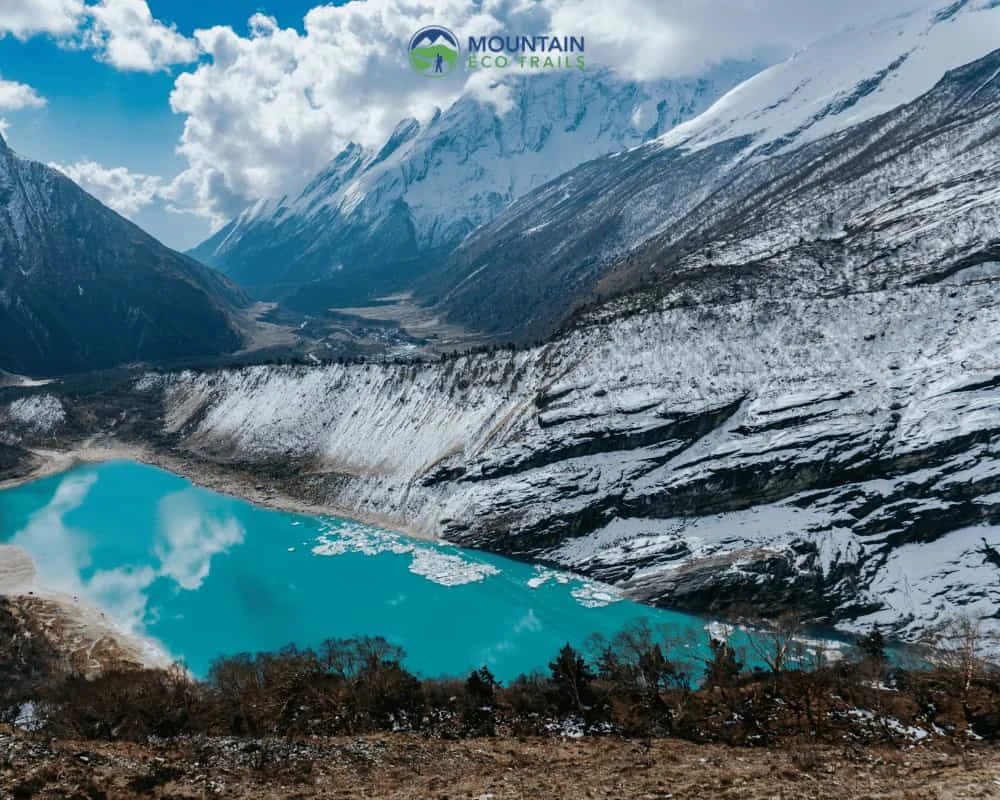
Today is all about helping your body adapt before going higher. Sleep in, hydrate, and take an acclimatisation hike—popular options include a climb toward Manaslu Base Camp viewpoint or a walk to Birendra Lake, depending on conditions. Use this day to check gear, reset energy, and enjoy Sama’s mountain culture: mani walls, prayer flags, and a calm village rhythm. A smart rest day here makes the Larkya La crossing safer and more enjoyable.

  • Max Altitude:3540 meters
  • Accommodation:Teahouse
  • Time:4-5 Hours
  • Meals:Breakfast, Lunch, Dinner

A shorter trek with big scenery. The route follows a widening valley with yak pastures, glacial streams, and a more rugged, high-Himalayan feel. Samdo is a small Tibetan-influenced settlement close to the Tibetan border, surrounded by dramatic peaks and open landscapes. After lunch, you can do a light afternoon walk uphill for better acclimatisation if you feel strong. Nights are colder here, but the mountain atmosphere is unforgettable.

  • Max Altitude:3875 meters
  • Accommodation:Teahouse
  • Time:4-5 Hours
  • Meals:Breakfast, Lunch, Dinner

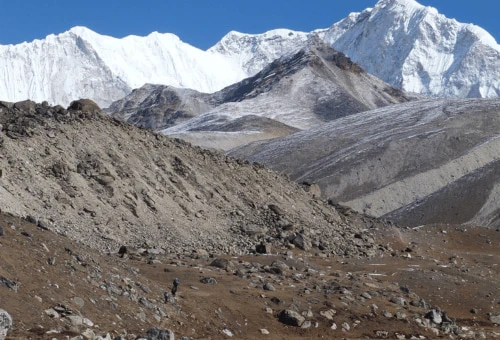
This is your pre-pass staging day. The trek is shorter but climbs into a stark, rocky landscape where vegetation fades and the mountains dominate. You’ll follow glacial moraines and ridgelines, often with strong winds. Dharamsala is a basic teahouse stop designed for rest before the Larkya La Pass crossing. Arrive early, eat well, and sleep as much as possible. Prepare headlamp, layers, gloves, and water—tomorrow is the longest and most important trekking day of the Manaslu section.

  • Max Altitude:4460 meters
  • Accommodation:Teahouse
  • Time:4-5 Hours
  • Meals:Breakfast, Lunch, Dinner

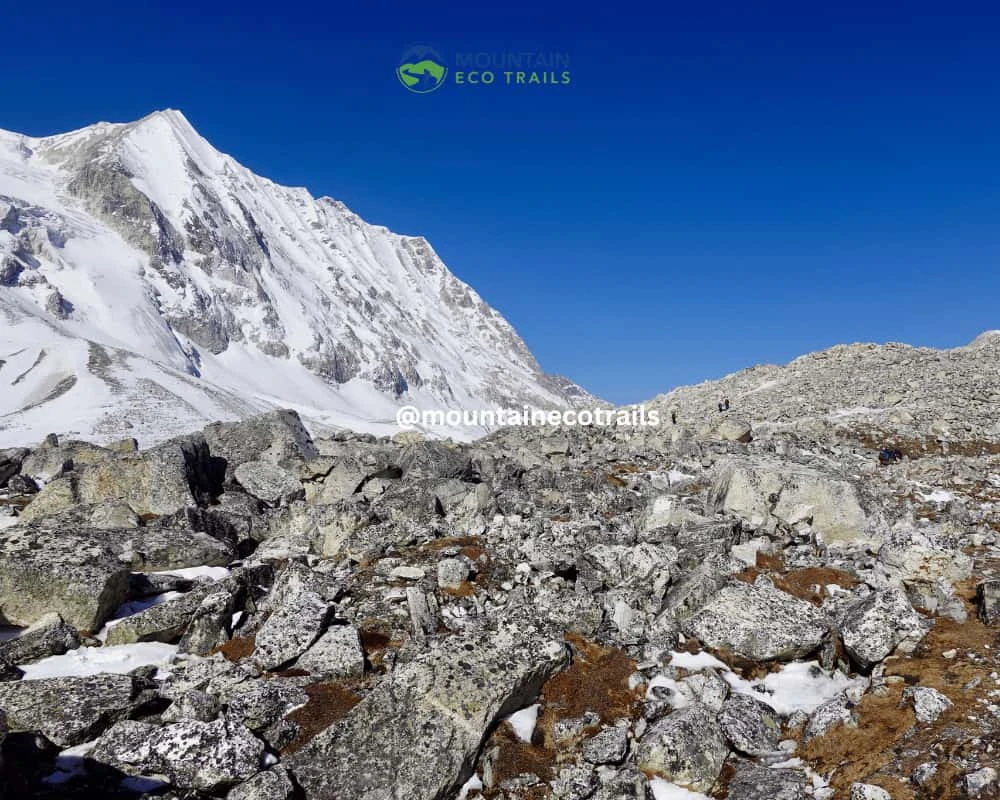
An epic Himalayan crossing day. Start before sunrise and climb steadily toward Larkya La Pass (5,106 m), where prayer flags and wide views reward every step. The ascent is slow and cold, often on snow-dusted or rocky terrain, depending on the season. From the pass, descend carefully into the Bimtang valley—glacier views, giant peaks, and a completely new landscape on the Annapurna side. This day is physically demanding, but it’s also the kind of trekking memory that stays forever. Reach Bimtang for a well-earned hot meal and deep sleep.

  • Max Altitude:3720 meters
  • Accommodation:Teahouse
  • Time:8-10 Hours
  • Meals:Breakfast, Lunch, Dinner

After the pass, today feels like a “recovery with scenery” day as you lose significant altitude. Walk through forests of pine and rhododendron, pass rivers and small settlements, and enjoy warmer air with every hour. The trail becomes greener and more populated as you join the Annapurna Circuit flow. Dharapani is a busy junction village with more trekking services, varied food options, and a lively evening vibe. This is also where your trek shifts from remote Manaslu wilderness to the classic Annapurna trail experience—same Himalayas, different energy.

  • Max Altitude:1860 meters
  • Accommodation:Teahouse
  • Time:6-7 Hours
  • Meals:Breakfast, Lunch, Dinner

Today’s route follows the Marsyangdi River through pine forests and cliff-side paths, often with striking mountain backdrops. As you move deeper into the Annapurna Circuit, you’ll notice better trail infrastructure and more trekkers. Waterfalls crash down steep rock faces, and the valley narrows into dramatic gorges. Chame, the district headquarters of Manang, is a comfortable stop with good lodges, bakeries, and even natural hot springs nearby. If you arrive early, a soak can be the perfect reward for your legs after a strong trekking day.

  • Max Altitude:2710 meters
  • Accommodation:Teahouse
  • Time:5-6 Hours
  • Meals:Breakfast, Lunch, Dinner

A beautiful transition day into the dry, high-altitude landscapes of Manang. The trail rises gradually with panoramic views, including the dramatic rock wall of Paungda Danda. Forests thin out, and the air becomes crisp and cool.

Upper Pisang sits above the river on a scenic ridge, offering a more traditional village feel and excellent mountain views. The altitude gain is noticeable, so keep your pace slow and steady. Sunset here can be magical—golden light on snow peaks, prayer flags fluttering, and that quiet Himalayan stillness.

  • Max Altitude:3300 meters
  • Accommodation:Teahouse
  • Time:5-6 Hours
  • Meals:Breakfast, Lunch, Dinner

A classic Annapurna Circuit day with culture, views, and smart acclimatisation. You trek toward Manang, often choosing the upper trail for better scenery—wide valley landscapes, big peaks, and open skies. Pass the beautiful village of Braga, home to a famous monastery perched above the trail (worth a visit if open). Arrive in Manang, the main hub for acclimatisation before Thorong La. Manang has bakeries, shops, and viewpoints—perfect for resting, refuelling, and preparing your body for the higher elevations ahead.

  • Max Altitude:3540 meters
  • Accommodation:Teahouse
  • Time:5-6 hours
  • Meals:Breakfast, Lunch, Dinner

Today is steadily climbing into the Thorong La zone. The landscape becomes drier and more rugged, with fewer trees and more rocky slopes. You’ll pass Yak Kharka and other small stops, gradually ascending while keeping a slow pace. Hydration matters here—drink regularly and avoid rushing. Thorong Phedi is the traditional base before crossing the pass, with simple lodges and an early-night vibe. Prepare your layers, headlamp, and snacks for tomorrow. Sleep can be lighter at this altitude, so rest whenever possible and keep your body warm.

  • Max Altitude:4540 meters
  • Accommodation:Teahouse
  • Time:6-7 Hours
  • Meals:Breafast, Lunch, Dinner

Another legendary day on the Himalaya bucket list. Start very early and climb slowly toward Thorong La Pass (5,416 m), the highest point of the trek. The cold and altitude make it challenging, but the sense of achievement at the top is huge. After photos and a short break, descend carefully toward Muktinath, a sacred pilgrimage site for both Hindus and Buddhists. The landscape shifts dramatically to Mustang’s dry, windswept terrain. After reaching Muktinath, overnight stay at the teahouse. 

  • Max Altitude:3800 meters
  • Accommodation:Teahouse
  • Time:8-10 hOURS
  • Meals:Breakfast, Lunch, Dinner

Your trekking journey ends with a scenic drive back to Pokhara, descending from the high desert of Mustang into greener valleys. The road passes through the Jomsom–Kagbeni area corridors (route varies) and follows river valleys with changing landscapes almost every hour. Expect a long ride with bumpy sections, but the views—hills, villages, and distant peaks—make the journey feel like a final Himalayan farewell. Arrive in Pokhara for lakeside comfort, hot showers, and celebration. It’s the perfect place to rest, shop, and relive the best moments of the trek.

  • Max Altitude:820 meters
  • Meals:Breakfast & Lunch
  • Well-balanced itinerary designed for proper acclimatisation, scenic highlights, and a comfortable trekking pace
  • Fully flexible and customisable to suit your fitness level, interests, and schedule
  • Option to extend or shorten the trek based on available time
  • Adjustable daily walking hours, rest days, and difficulty level
  • Freedom to add side trips, cultural experiences, or scenic viewpoints
  • Can be tailored for photography, nature, culture, or spiritual focus
  • Contact us anytime to create a personalised trekking itinerary that fits your goals
Cost Includes
  • Kathmandu to Macchekhola Public Bus Fare 
  • Muktinath to Pokhara Public Bus Fare 
  • Restricted Area Manaslu Permit Card 
  • Manaslu Conservation Area Permit Card 
  • Annapurna Conservation Area Permit Card 
  • Meals During the trek (Breakfast, Lunch, Dinner)
  • Accommodation during the trek on a sharing basis
  • Experienced Government-licensed Holder Trekking Guide 
  • Expenses of the trekking guide, including his salary, meals, accommodation, & insurance. 
  • Fresh Seasonal Fruits everyday during the trek, after dinner 
  • Rescue arrangement during the trek, if needed. 
  • Complimentary farewell dinner after the trek
  • Benefits like a complimentary duffel bag, Trekking Poles, SIM Card, etc. 
  • Trekker's Massage at the end of the trek 
  • Government & Local Taxes 
Cost Excludes
  • Personal expenses during the trek, like a hot shower, wifi, extra meals, drinks, etc. 
  • Rescue evacuation cost 
  • Porter cost (if needed, USD 22 per day) 
  • Tips to guide and porter 
  • Extra Expenses if weather delays or early arrival from the trek 
  • Extra bank charges 3.5% if paid by the card 
Availability
  • Flexible departure dates for all trekking and tour packages
  • Customized schedules to match your travel plan
  • Private and group departures available
  • Seasonal advice for the best trekking conditions
  • Short-notice and last-minute departures possible
  • Share your preferred dates, and we’ll handle the rest
Select a Departure Month
Start DateEnd DatePriceStatus 
Start DateStarts: SundayFeb 08, 2026End DateEnds: MondayFeb 23, 2026PricePriceUS$1299StatusStatusAvailable
Start DateStarts: SundayFeb 15, 2026End DateEnds: MondayMar 02, 2026PricePriceUS$1299StatusStatusAvailable
Start DateStarts: SundayFeb 22, 2026End DateEnds: MondayMar 09, 2026PricePriceUS$1299StatusStatusAvailable
Good to Know

Best Time to Trek Manaslu Annapurna Circuit

The best time to tackle the Manaslu Annapurna Circuit is during Nepal’s two main trekking seasons: pre-monsoon (spring) and post-monsoon (autumn). These seasons offer the most stable weather, comfortable temperatures, and clear mountain views. Here’s a breakdown:

Autumn (September to November): This is widely regarded as the prime time for this trek. After the summer monsoon rains, the skies clear up, giving crisp views of the Himalayas. The trekking conditions are excellent – dry, sunny days and cold nights.

Spring (March to May): The second-best season. The weather warms up after winter; trails are clear of snow by March in most years. Early spring (March, April) offers moderate temperatures, improving as you go higher. The rhododendron bloom – forests on the lower trail explode in red, pink, and white blossoms in April. Views are generally good, although late spring (May) can bring more haze and the start of pre-monsoon storms.

In conclusion, the best times for Manaslu Annapurna Circuit are March–April–May (spring) and late September–October–November (autumn).

Mountain Eco Trails schedules group departures in spring and autumn, and private treks year-round on request.

Accommodation Places to stay during Manaslu Annapurna Circuit Trekking

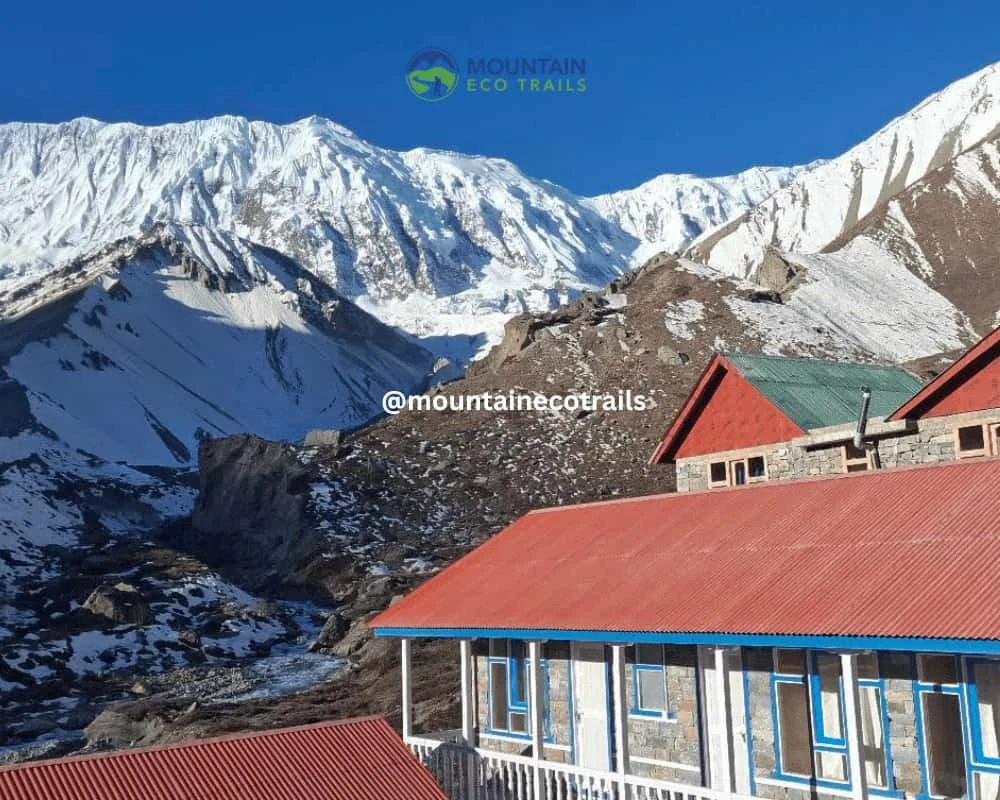
The Manaslu Annapurna Circuit is a teahouse trek. This means you will stay in simple mountain lodges run by local families each night.

  • Along the trek, accommodation is more basic and homely – often referred to as homestay-style teahouses.
  • Rooms are usually twin-share with a basic bed.
  • Facilities are rudimentary: shared toilets and limited electricity. Hot showers are available in some villages for an extra fee.

Food items along the Manaslu Annapurna Circuit Trek

You will be pleasantly surprised by the variety of food available on both the Manaslu and Annapurna trails. Teahouse menus offer a mix of Nepali, Tibetan, and basic Western dishes – all prepared fresh by the hosts.

A staple you’ll likely eat daily is dal bhat – the traditional Nepali set meal of rice, lentil soup, and vegetable curry, usually with unlimited refills. Other common meals include noodle soups, momos, fried rice, pasta, potatoes, eggs, and porridge.

In the morning, porridge or pancakes with eggs and tea/coffee are typical breakfast options. As you ascend higher, menus get simpler, but you’ll generally have at least a few choices at each meal.

In summary, accommodation and food on the Manaslu Annapurna Circuit are simple but sufficient.

Permits Required for the 16 Day Manaslu Annapurna Circuit Trek

Trekking the combined Manaslu and Annapurna Circuit requires several permits due to the different regulations in each region. Because Manaslu is a restricted area bordering Tibet, the rules are stricter there than in Annapurna. Here’s what you need:

Manaslu Restricted Area Permit (RAP): Mandatory. This is a special permit issued by the Department of Immigration for the Manaslu region. The cost of the Manaslu RAP depends on the season: $100 per person for the first 7 days (Sept–Nov) or $75 (Dec–Aug), plus an additional $15 or $10 per day, respectively, beyond 7 days.

Manaslu Conservation Area Permit (MCAP): This is the entry permit for Manaslu Conservation Area, which costs NPR 3,000 (about $25–30) for foreign trekkers.

Annapurna Conservation Area Permit (ACAP): Similarly, once you cross into the Annapurna region (from Dharapani onward), you need the ACAP for the Annapurna Conservation Area. It also costs NPR 3,000 (~$25–30) for foreigners.

Important Permit Rules: In summary, Manaslu is a restricted trek – you cannot trek solo, and you must have a guide and the special permit.

Permits are crucial to both protect these beautiful environments and ensure trekking safety, and fees go towards conservation efforts. Mountain Eco Trails practices responsible trekking – we make sure all regulations are followed.

Trek Difficulty while doing the combined Manaslu Annapurna Circuit Trek

The Manaslu Annapurna Circuit trek is considered a strenuous trek, suitable for trekkers with prior high-altitude trekking experience and good fitness. Combining two long circuits means you’ll be on the trail for upwards of two weeks, tackling daily ascents/descents and two major pass crossings.

This trek involves walking 6–8 hours most days on mountain trails that can be steep, rocky, and at times physically demanding. On average, you might cover 10–15 km per day. The trails on the Manaslu side are often narrow and have some exposed sections. The Annapurna trails are better established and a bit wider, but you will feel the cumulative fatigue of trekking for many days continuously. Here are the two difficult parts of this trek:

  1. Crossing Larkya La (5,106 m)
  2. Crossing Thorong La (5,416 m)

Other days are “moderate” in difficulty – e.g. 5–7 hours with reasonable altitude gains.

What to pack for the Manaslu Annapurna Circuit Trekking?

Packing well is essential for a successful Manaslu Annapurna trek. You’ll be dealing with a wide range of conditions: from warm, humid lowlands to frigid high passes. The key is to pack layers so you can adjust to changing temperatures, and keep your load as light as possible (around 10–15 kg) since porters usually carry a max of 20–25 kg for two people. Here’s a packing list of important items and gear:

Trekking Clothing (Layering):

  • Base Layers and Quick-dry t-shirts
  • Fleece Jacket and Down Jacket
  • Water and windproof jacket
  • Trekking Pants and Trousers
  • Hiking Shorts
  • Wollen Hat and Gloves
  • Undergarments
  • Socks

Trekking Accessories:

  • Trekking Poles & Backpack (60-70L)
  • Headlamp & Sunglasses
  • Water bottle & Purification Tablet
  • First Aid Kit & Medications
  • Sun Protection & Toiletries

Other Essentials:

  • Money and Documents (permits)
  • Phone/Camera and Chargers
  • Earplugs and Eye Mask
  • Snacks & Protein Bars

Remember that packing light is important – you’ll be happier with less weight. You can wash clothes occasionally on trek. Plan to re-wear a lot; no one minds if you wear the same trekking pants for days. Mountain Eco Trails provides a duffel bag for the trek and can store your extra luggage securely in Kathmandu.

(Tip: Try to keep your daypack around 5–6 kg max while hiking. Usually in it: water, snacks, camera, sunscreen, hat, an extra layer, rain jacket, and personal meds. Everything else goes in the duffel with the porter. Feel free to click here to know more about the Trekking Gear for Nepal.)

Who Is This Manaslu Annapurna Trek Best For?

The Manaslu Annapurna Circuit trek is best suited for experienced trekkers and adventure enthusiasts who are seeking a challenging, off-the-beaten-path experience coupled with the highlights of a classic Nepal trek. Here’s a profile of who will get the most out of this journey:

  • Seasoned Trekkers: If you have already done treks like Everest Base Camp, theClassic Annapurna Circuit alone, Kilimanjaro, or other high-altitude multi-day treks.
  • Fit and Enthusiastic Hikers: You don’t necessarily need mountaineering experience, but you should be in good shape and mentally prepared for 2-3 weeks in remote mountains.
  • Lovers of Wilderness and Culture: This trek will appeal to those who want to get off the crowded tourist trail and into more untouched areas.
  • Photographers and Nature Lovers: The photographic opportunities on this trek are unparalleled.
  • Adventure Travelers Seeking Something Extra: The Manaslu Annapurna Circuit will feel like a true expedition.
  • On the other hand, this trek is not ideal for everyone. It’s not recommended for absolute beginners or those with very limited vacation time.

In summary, the Manaslu Annapurna Circuit trek is best for the avid trekker who wants a genuine Himalayan adventure.

Booking Process and Payment Method

To book the Combined Manaslu Annapurna Circuit Trek, you can simply contact us via email or WhatsApp us at +9779849790153. 

We can customise the trip according to your requirements and give you the pre-trip briefing online. Once you meet your requirements, you can give us confirmation by paying the 20% deposit of the total cost via bank transfer. The rest of the payment you can do once you arrive here.

More Information Regarding the trekking in Nepal:


FAQs
  • The combined Manaslu and Annapurna Circuit typically takes around 18 to 21 days in total, including travel days. The trekking portion itself is usually about 14–16 days on the trail.

  • Yes, a guide is mandatory for the Manaslu portion of the trek. The Manaslu region is a restricted area where solo trekking is not allowed – Nepal’s regulations require at least two trekkers and a licensed guide through a registered agency to obtain the permit. In summary: no, you cannot trek Manaslu Annapurna solo – a guide is required and well worth it.

  • You will need several permits: Manaslu Restricted Area Permit (RAP), Manaslu Conservation Area Permit (MCAP), Annapurna Conservation Area Permit (ACAP), and possibly a TIMS card.

  • Both treks are amazing but offer different experiences. The Manaslu Circuit is better if you seek a more remote and uncrowded trek, rich with Tibetan culture and untouched villages. The Annapurna Circuit is better known for its varied landscapes and infrastructure – you go from lush valleys to high-altitude deserts.

  • The best times are autumn (late September, October, November) and spring (March, April, May), when weather conditions are most favorable.

  • The highest point is Thorong La Pass at 5,416 m (17,769 ft) on the Annapurna Circuit. On the Manaslu side, the highest point is Larkya La Pass at 5,106 m (16,751 ft).

  • Yes, altitude sickness (AMS) is a concern and something to take very seriously. You’ll be spending many days above 3,000 m, and ascending to over 5,000 m twice, so there is risk of AMS if you ascend too quickly or ignore symptoms. However, our itinerary is designed to mitigate the risk by including rest days and gradual elevation gains.

  • Accommodation is in teahouses (mountain lodges) along the route. Don’t expect luxury – these are simple, family-run guesthouses that provide a basic room and meals. On the Manaslu side, teahouses are more basic and fewer in number. Annapurna side teahouses are a bit more developed – you’ll find a wider menu, sometimes en-suite rooms or hot showers available (for extra cost), and some lodges even offer Wi-Fi.

  • The cost can vary widely depending on a guided package and what’s included. For a fully guided trek with Mountain Eco Trails, expect roughly USD $1,500–$1,900 per person for a 18-20 day itinerary.

  • You should be in good physical shape – the fitter, the better. This trek requires trekking up to 6–8 hours a day, multiple days in a row, with significant altitude gain. Cardiovascular endurance is important and leg strength and stamina for going up and down thousands of steps/trails.

  • Focus on layered clothing, good footwear, and essential gear. Key items include: broken-in waterproof trekking boots, moisture-wicking trek shirts and pants, a set of thermal base layers, a warm down jacket (for -10°C or colder), a waterproof jacket and pants, a warm hat, gloves, and sunglasses.

  • Yes, it’s possible to extend the itinerary for additional side trips if you have the time and interest. A common add-on is Tilicho Lake (4,919 m) in the Annapurna region. Most people choose either Tsum+Manaslu or Manaslu+Annapurna, not all three in one go.

  • Mobile phone network coverage is surprisingly good on many parts of the trek, especially in the Annapurna region. We recommend buying a local SIM card (Nepal Telecom or Ncell) in Kathmandu – Nepal Telecom (NTC) tends to have better reach in remote areas like Manaslu.

SimilarTrips
You may also like
Did not find what you are looking for? No worries!

Let us help you plan your perfect holiday.