

Ruby Valley Trekking

Ruby Valley Trekking is a quiet 8–10-day journey through Nepal’s Ganesh Himal region, connecting Tamang and Gurung villages between Langtang and Manaslu. The route commonly begins near Syabrubesi, crosses Pangsang La Pass at approximately 3,845 meters, and continues through Tipling, Sertung, and Chalish Gaon. It is a moderate trek with homestays, basic lodges, forest trails, and broad Himalayan views. Ruby Valley is best for seasoned travellers seeking authentic local interaction, fewer tourists, and a private trekking experience away from Nepal’s commercial routes.

  • DestinationNepal
  • Duration8 Days
  • Difficulty Level Easy
  • Max. Altitude3845 meters
  • Starts/EndsSyabrubeshi/Dhadingbesi
  • Trip StyleTrekking
  • Group SizeMin 1 Pax.
  • Best SeasonSpring and Autumn

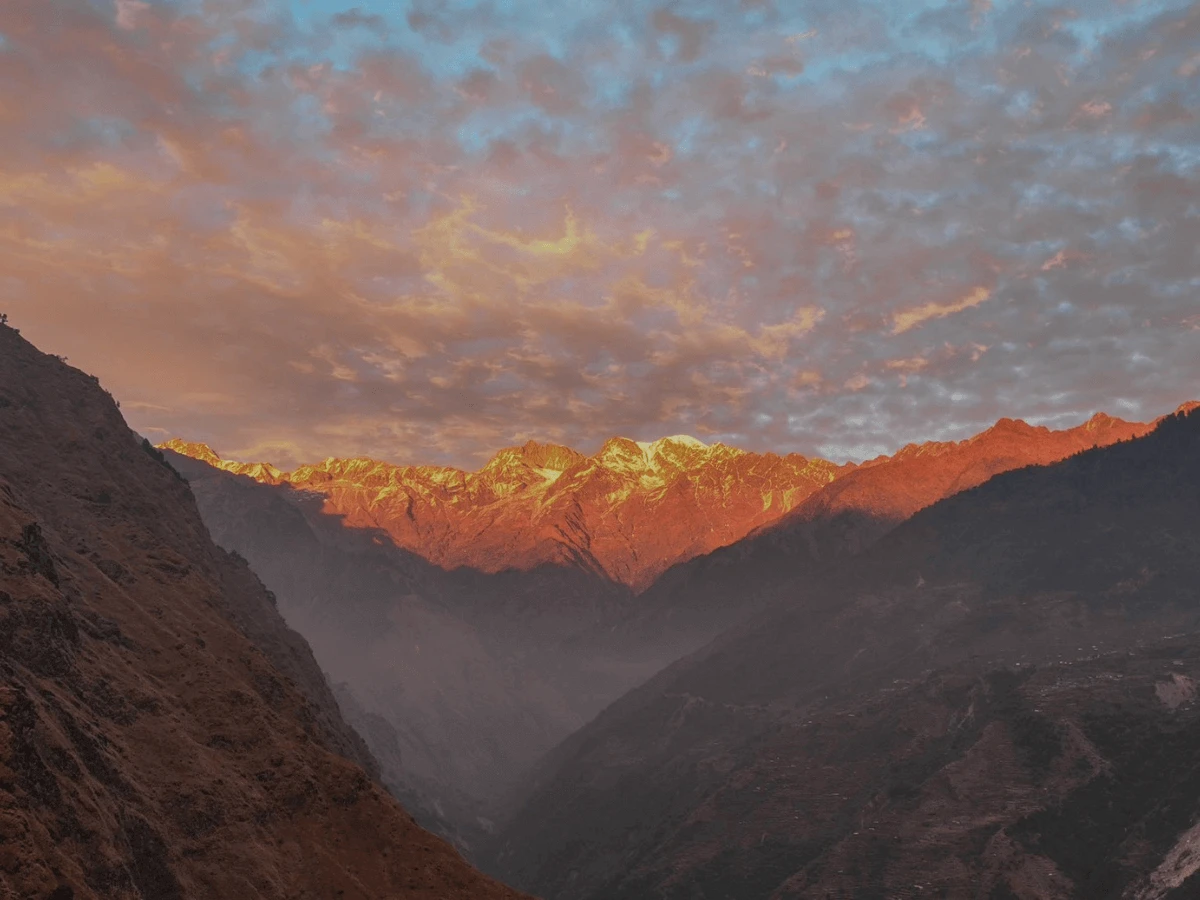
The Ruby Valley Trekking is a new & hidden trekking path located in the Ganesh Himal Region of Nepal. This trek takes you through the off-the-beaten-path of Tamang & Gurung Villages. With fewer crowds than other popular treks, it offers stunning mountain views, pristine nature, and authentic local culture.

Ruby Valley Trekking is a quiet, culturally immersive journey through the Ganesh Himal region of central Nepal, between the better-known Langtang and Manaslu trekking areas. The trail connects Tamang, Gurung, and Dalit villages with forests, terraced hillsides, mineral-rich valleys, and the panoramic Pangsang La Pass at approximately 3,845 meters.

Most Ruby Valley Trek itineraries take 8–10 days and use simple teahouses, community lodges, and homestays. The trek is moderately challenging and best suited to travellers who value local interaction, uncrowded trails, and raw Himalayan landscapes more than luxury or commercial trekking infrastructure.

Highlights of the Ruby Valley Trek in Nepal

  • Experience the isolated wilderness of the Ruby Valley.
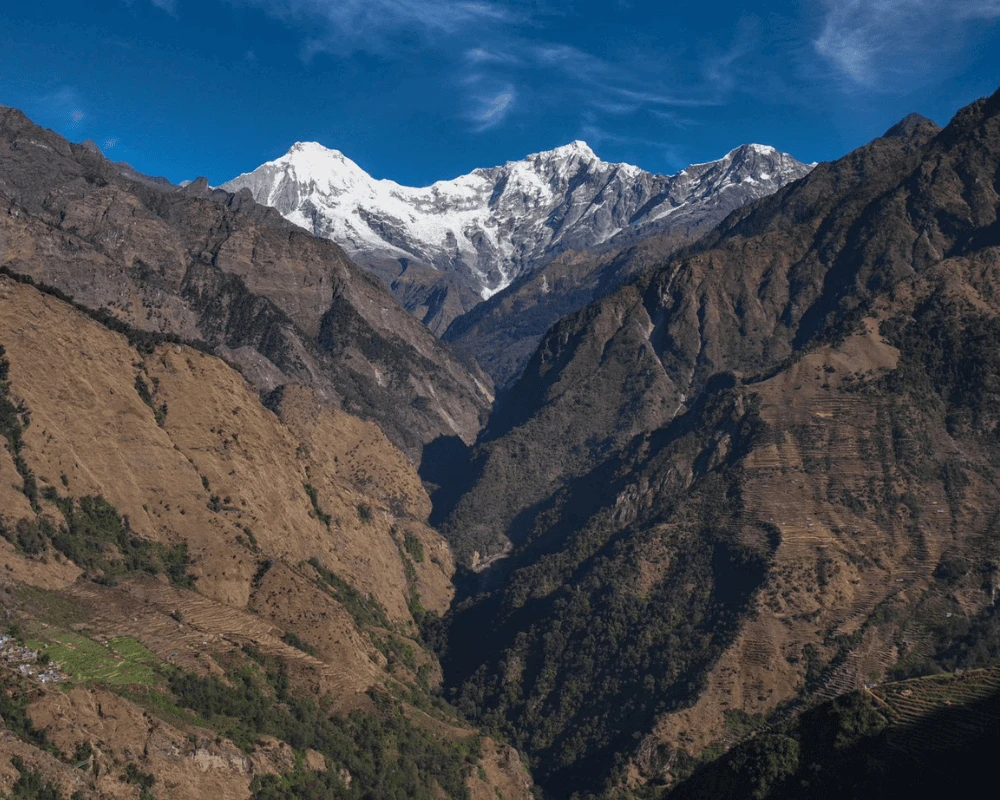
  • Amazing views of the Ganesh Himal Ranges, Langtang Lirung, & Manaslu Himal.
  • Cultural blend of northern Buddhist and southern communities.
  • Breathtaking landscapes, Passes, waterfalls, & green forests.

What You Actually Experience on the Ganesh Himal Ruby Valley Trek

Villages That Are Part of the Journey

On more commercial trails, villages can feel like overnight service points. In Ruby Valley, they are central to the trek.

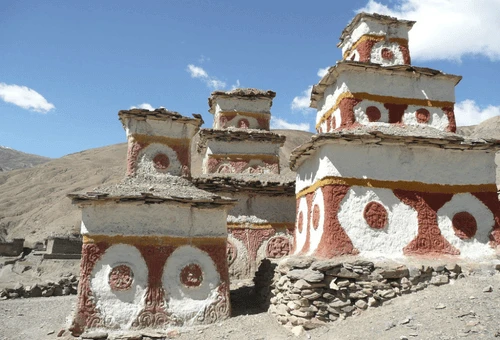
Gatlang introduces travellers to Tamang culture through stone houses, narrow lanes, farmland, monasteries, and traditional hospitality. On the western side of Pangsang La, settlements such as Tipling, Sertung, and Chalish Gaon reveal a different rhythm of rural Nepal.

Pangsang La Pass

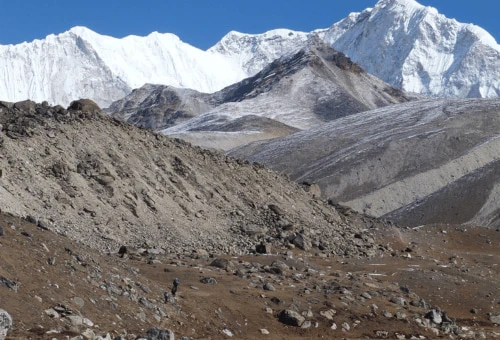
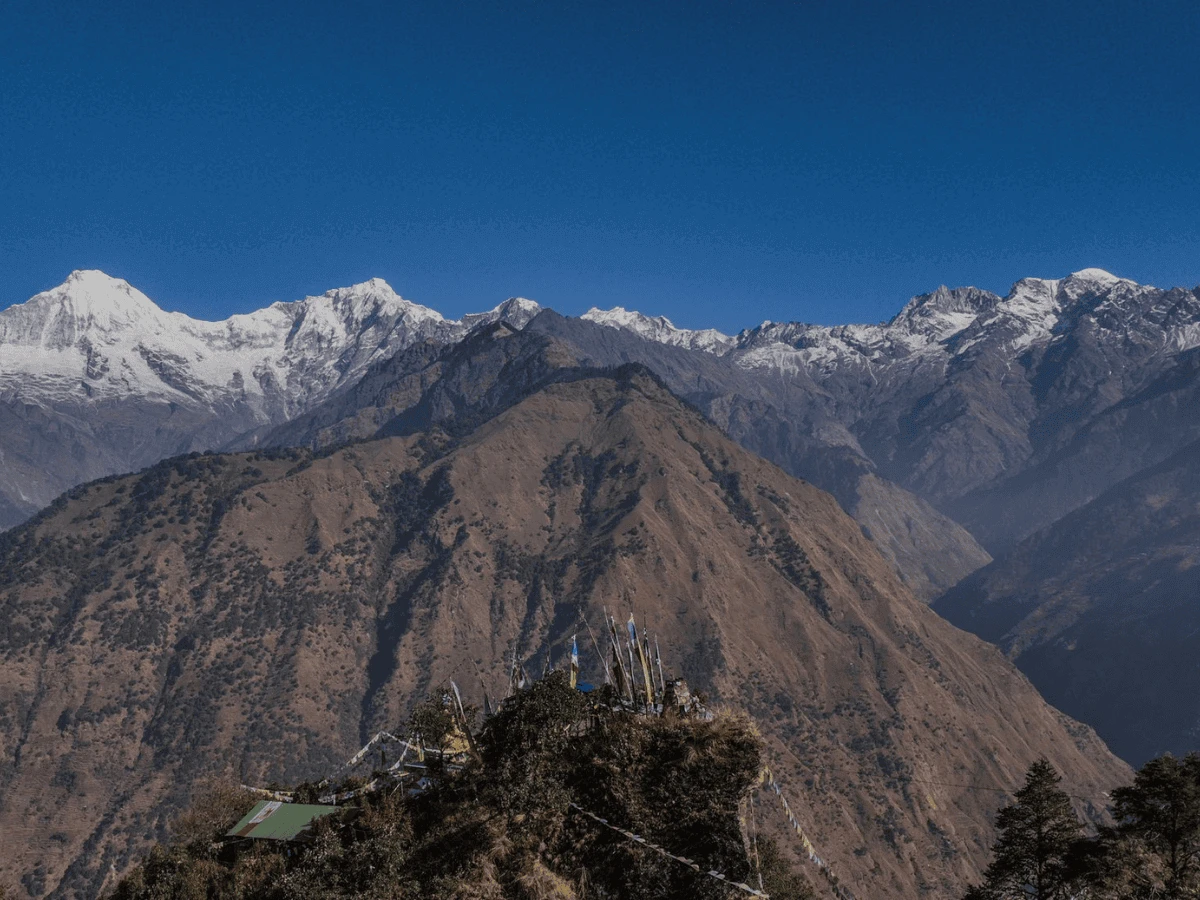
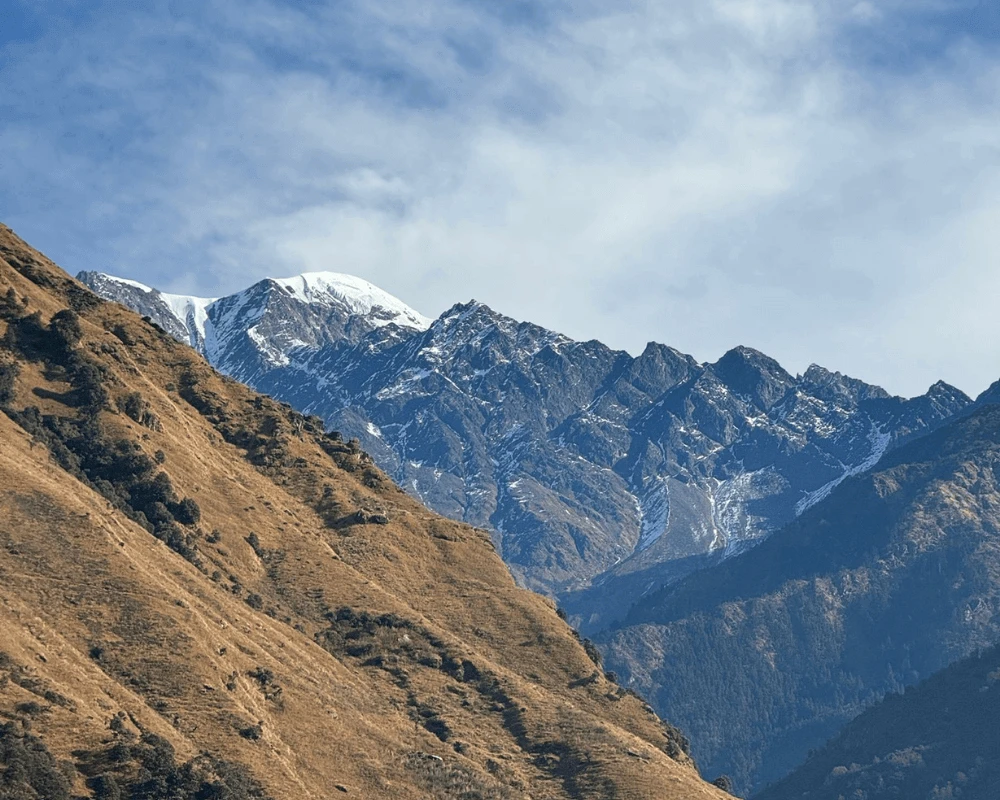
Pangsang La Pass is the highest and most scenic point of the standard Ruby Valley Trek itinerary. At approximately 3,845 meters, the pass opens toward the Ganesh Himal massif and surrounding ranges. Under clear conditions, trekkers may also see parts of Langtang Himal and Manaslu.

The crossing is not technically difficult, but the approach can involve a sustained ascent, uneven ground, cold wind, mud, snow, or limited visibility depending on the season.

Ganesh Himal Views Without the Crowds

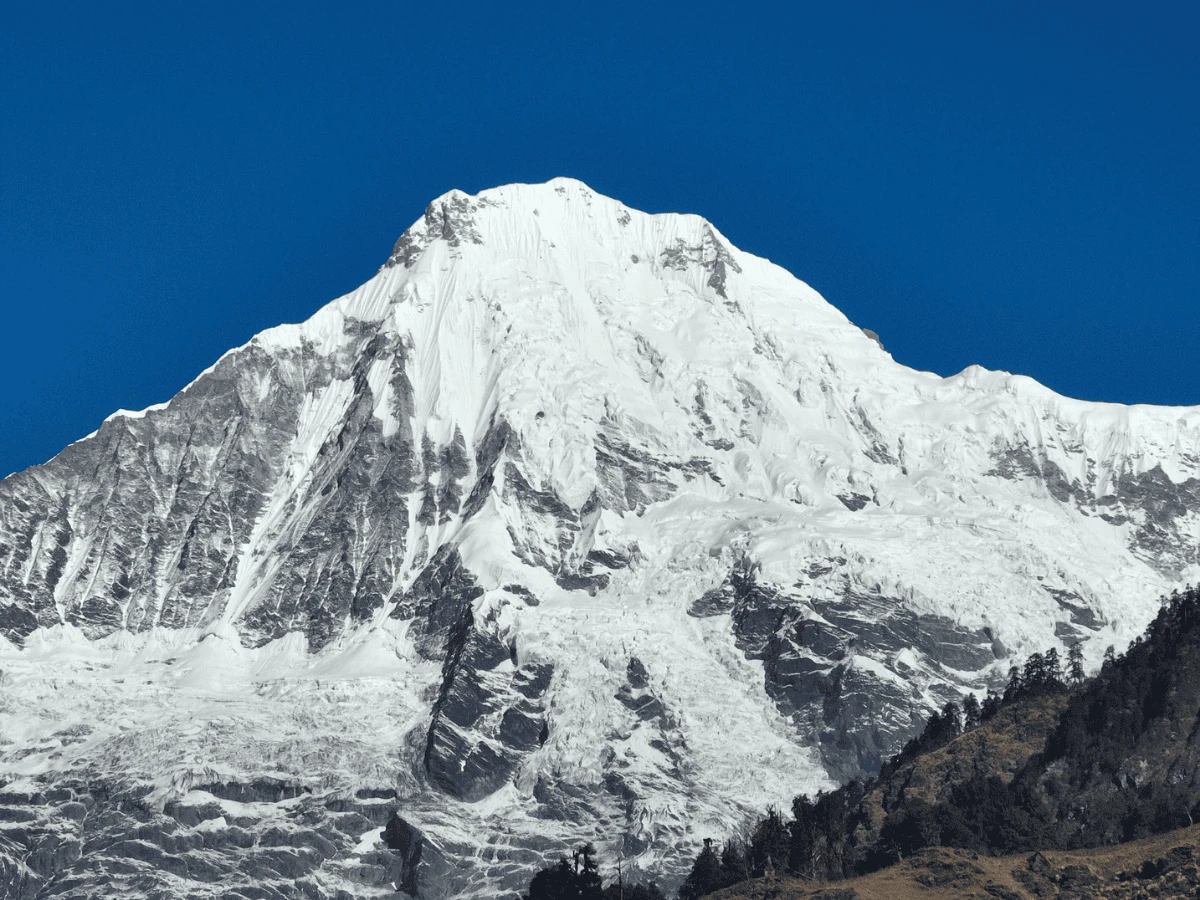
The Ganesh Himal range rises between the Budhi Gandaki and Trishuli river systems. Although visible from several popular viewpoints around central Nepal, its valleys receive far fewer international trekkers than the neighbouring Langtang and Manaslu regions.

Ruby Valley provides changing perspectives rather than one fixed mountain panorama. Peaks appear above forests, behind farmland, across ridgelines, and from the open ground around Pangsang La.

Forests, Pastures and Changing Landscapes

The trail passes through terraced hillsides, rhododendron forest, bamboo, pine woodland, grazing areas, river valleys, and exposed mountain ridges.

Spring brings flowering rhododendrons and active village fields. Autumn usually offers sharper mountain visibility and drier trail conditions. During either season, the journey feels more rural than alpine for much of its length.

Ruby Valley Trek Route and Itinerary

The Ruby Valley Trekking begins with a drive from Kathmandu to Syabrubeshi, similar to the Langtang Valley Trek. From here, the walk begins and continues to Gatlang, Somdang Village, and crosses the Pangsang La pass. The highest point of the Ruby Valley Trek is 3845 meters at Pangsang La Pass. The trek continues from Pangsang La Pass, crossing several villages like Singla, Darkha Phedi, & Dhading Besi. The Ruby Valley Trekking ends with a drive from Dhading to Kathmandu.

Ruby Valley Trek Route Map

Kathmandu → Syabrubeshi → Gatlang → Somdang → Pangsang La Pass → Singla → Darkha Phedi → Dhading → Kathmandu

8 Day Ruby Valley Trek Itinerary

Day 01: Drive from Kathmandu to Syabrubeshi

Day 02: Trek from Syabrubesi to Gatlang

Day 03: Trek from Gatlang to Somdang

Day 04: Trek from Somdang to Pansang La Pass

Day 5: Trek from Pansang La Pass to Sertung

Day 06: Trek from Sertung to Darkha Phedi

Day 07: Drive from Darkha Phedi to Dhading Besi

Day 08: Drive from Dhading to Kathmandu

Ruby Valley Trek cost for 2026,2027

The Ruby Valley Trek cost starts from USD 699 per person for a single pax. At the same time, the cost of the Ruby Valley Trek for 2-3 pax is USD 650 per person. Likewise, the Ruby Valley Trek costs start from USD 599 per person for groups of more than 4 People. However, the cost depends on the group size, itinerary, and service level.

Ruby Valley Trek Cost Breakdown

Cost Component

Est. Cost in USD

Trekking Guide

25-30/Day

Trekking Permits for Ruby Valley

40

Meals during the trek

240

Accommodation in Ruby Valley

70-100

Transportation Cost

60-80

Tax & Administration Cost

60-80

Estimated Ruby Valley Trekking Package cost

USD 699-799

Book the Ruby Valley Trek with Local Trekking Company, Mountain Eco Trails

Book the Ruby Valley Trekking today if you are seeking the remote Himalayan Experience. You can send us your travel dates and trip preferences, and our team expert will contact you via email or WhatsApp and provide you with brief information. Our local guide from Ruby Valley has designed the 8 Day Ruby Valley Trek Itinerary suitable for all types of trekkers. 

Contact us via email or WhatsApp us at +9779849790153. Book the Ruby Valley Trek with Mountain Eco Trails and experience a quieter side of the Nepal Himalayas with a route, pace, and support plan built around you.
Itinerary

The journey to Ruby Valley starts with a scenic 8-hour bus ride to Syabrubesi. The ride is a bit adventurous as you drive through narrow and winding paths. This small town in Rasuwa is popular as the gateway to Langtang Valley Trek. Overnight stay at a hotel in Syabrubesi.

  • Max Altitude:1500 meters
  • Accommodation:Tea house
  • Time:7-8 hours
  • Meals:Breakfast, Lunch, Dinner

The actual walk to Ruby Valley starts today with an early breakfast in Syabrubesi. At first, you will walk through the winding hills to reach Bahun Danda. Then, the trail leads to Gatlang through a dusty and windy motor road, passing by forests, waterfalls, and views of the Himalayas. Galtlang is the popular tamang village, also known as ‘Dark Village’ with unique customs and lifestyle. Overnight stay at homestay.

  • Max Altitude:2337 meters
  • Accommodation:Tea House or Homestay
  • Time:6-7 hours
  • Meals:Breakfast, Lunch, Dinner

Leaving Gatlang, your journey continues towards the holy Parvati Kunda which is around 40 minutes away from Gatlang. Continuing your trek, you’ll come across the pine and rhododendrons to reach Yuri Kharka for lunch. After lunch, the trail takes you to Somdang passing scenic Chukarma waterfall, Somdang River, and former mining tunnels. Overnight stay at a homestay in Somdang.

  • Max Altitude:3271 meters
  • Accommodation:Tea house or Homestay
  • Time:6-7 hours
  • Meals:Breakfast, Lunch, Dinner

Today’s journey is relatively short, you’ll just walk around 3 hours to reach Pansang Pass. The day begins with breakfast in Somdang and the trail ascends to Pansang Pass which is renowned as the best viewpoint of this journey. Pangsang Passis a large, open meadow that offers spectacular views of the majestic mountains, including the Annapurna, Manaslu, Ganesh Himal, and more. You’ll also witness a stunning sunset from this vantage place before setting in for a night at the lodge.

  • Max Altitude:3842 meters
  • Accommodation:Tea house or Homestay
  • Time:3-4 hours
  • Meals:Breakfast, Lunch, Dinner,

It is going to be a long day of walking for 9 hours to reach Sertung. Starting the day with an early breakfast, the trail leads toward the Singla Pass. Today’s trek is accompanied by the majestic presence of Ganesh Himal in the north. Upon reaching the Singla, you’ll not only be greeted by nature but also the religious presence of this place. Every year Singla hosts a huge Jatra in Janai Purnima, which holds great significance to the local community. From Singla, the trail descends towards Sertung for an overnight stay.

  • Max Altitude:1933 meters
  • Accommodation:Tea house or Home stay
  • Time:8-9 hours
  • Meals:Breakfast, Lunch, Dinner

The final day of walking on the trails begins with an early breakfast. The trails descend towards authentic Chalish Gaun and onward to Borang. Along the way, you’ll come across various traditional villages, each with unique traditions and lifestyles. Witnessing the local culture, traditions, and lifestyle, you'll eventually reach Darkha Phedi for a night stay.

  • Max Altitude:2380 meters
  • Accommodation:Tea house or Home stay
  • Time:6-7 hours
  • Meals:Breakfast, Lunch, Dinner

The remarkable 7-day Ruby Valley Trek concludes with a bumpy off-road ride to Dhading Bensi, followed by a return to Kathmandu. The journey to Kathmandu along the Trishuli River provides a chance to witness natural scenery and landscapes along the way.

  • Max Altitude:1350 meters
  • Accommodation:Hotel
  • Time:9-10 hours
  • Meals:Breakfast, Lunch
Cost Includes
  • Langtang National Park Entry Permit Card
  • Trekkers Information Management Permit Card
  • Meals during the trek (Breakfast, Lunch, Dinner)
  • Accommodation during the trek on a sharing basis.
  • Kathmandu-Syabribesi transportation cost in a public vehicle
  • Darkha-Dhading Benshi Transportation and Dhading-Kathmandu Transportation costs in a public vehicle.
  • Experienced English-Speaking Trekking Guide 
  • Guides' expenses, including their transportation, accommodations, salary, and insurance.
  • Complimentary Farewell Dinner with the team official after the trek 
  • Rescue arrangement if needed. 
  • First Aid Kit carried by the guide
  • All government and local taxes.
Cost Excludes
  • Your travel and rescue insurance.
  • Meals in Kathmandu after and before the trek
  • Accommodation in Kathmandu due to early return of the trek.
  • All the expenses in the mountain over the scheduled itinerary (due to strike, delay, or canceled flight)
  • All the Bar bills and personal expenses (phone call, laundry service, battery recharge, a bottle of water, hot water, shower, etc.
  • Tips for the guide and porter
Availability
Select a Departure Month
Start DateEnd DatePriceStatus 
Start DateStarts: SundayAug 02, 2026End DateEnds: SundayAug 09, 2026PricePriceUS$699StatusStatusAvailable
Start DateStarts: SundayAug 09, 2026End DateEnds: SundayAug 16, 2026PricePriceUS$699StatusStatusAvailable
Start DateStarts: SundayAug 16, 2026End DateEnds: SundayAug 23, 2026PricePriceUS$699StatusStatusAvailable
Start DateStarts: SundayAug 23, 2026End DateEnds: SundayAug 30, 2026PricePriceUS$699StatusStatusAvailable
Start DateStarts: SundayAug 30, 2026End DateEnds: SundaySep 06, 2026PricePriceUS$699StatusStatusAvailable
Good to Know

How Difficult is the Ruby Valley Trekking?

The Ruby Valley Trek is moderate in difficulty. Trekkers should be fit physically and mentally to complete this trek. Even beginners can do the Ruby Valley Trek with excellent physical and mental fitness. However, trekkers must be aware of altitude sickness. The trail of the Ruby Valley Trek is not that difficult. Hence, proper hydration and awareness of altitude can help you complete this trek without any difficulties.

Ruby Valley Trek Best Time

The best time for the Ruby Valley Trek is generally spring from March to May and autumn from late September to November.

Spring: March to May

Spring offers warmer daytime temperatures, flowering rhododendrons, green hillsides, and active village life.

March can remain cold around Pangsang La, and snow may still affect the pass. April and early May usually provide more comfortable temperatures, though afternoon cloud can gradually increase later in the season.

Autumn: September to November

Autumn is usually the most dependable season for clear mountain views.

Late September becomes greener after the monsoon, while October and November generally bring drier trails and sharper visibility. Nights become colder toward November, particularly around Somdang and Pangsang La.

Winter: December to February

Winter trekking is possible, but cold and snow can complicate the pass crossing. Accommodation near higher points may also be limited.

Winter suits experienced trekkers who are comfortable with:

  • Freezing nights
  • Shorter daylight hours
  • Possible snow or ice
  • Flexible route decisions
  • Basic lodge heating

Monsoon: June to August

The region becomes lush and intensely green during the monsoon. However, heavy rain can cause muddy paths, leeches, landslides, cloud cover, and road disruption.

Monsoon trekking should only be considered with flexible dates, strong local support, and realistic expectations.

Accommodation on the Ruby Valley Trek

Accommodation is part of the adventure rather than a luxury feature.

Trekkers stay in a mixture of:

  • Family homestays
  • Community lodges
  • Small local guesthouses
  • Basic teahouses
  • Shared rooms in remote settlements

Rooms generally provide a bed, mattress, blanket, and limited furniture. Private rooms may be available in larger villages but cannot always be guaranteed.

Toilets may be shared and can be located outside the sleeping building. Hot showers are limited and often provided using a bucket of heated water. Electricity and charging may be unavailable or subject to an extra fee.

Food and Drinking Water during the Ruby Valley Trek

Meals are based on what local households and small lodges can prepare.

Common dishes include:

  • Dal bhat with rice, lentils and vegetables
  • Noodles
  • Fried rice
  • Potatoes
  • Chapati or Tibetan-style bread
  • Eggs
  • Vegetable soup
  • Seasonal greens
  • Tea and hot lemon
  • Local corn, millet or buckwheat dishes

Menus become more limited at higher and smaller settlements. Dal bhat is often the most dependable meal because it is filling, locally available, and usually served in generous portions.

Carry water-purification tablets or an appropriate filter. Buying disposable plastic bottles should be minimised, especially where waste-management systems are limited.

Electricity and Internet During the trek

Throughout the homestays or tea houses in the Ruby Valley, you can find electricity to charge your gadgets. However, it may cost you a little extra bit. Likewise, most of the homestays have Wi-Fi facilities to allow you to contact your loved ones. Again, for the internet, some tea houses may ask you for $2-$3.

Trip Extension Possibility

When you are on a long holiday, there is always the possibility of a trip extension after the completion of the trek. We also organize Chitwan Jungle Safari, Rafting, Kathmandu Day tours, and many more activities. Feel free to contact our travel expert, Anil Lamsal, for more information. (+9779849790153, WhatsApp or Viber)

More useful resources: 

FAQs
  • The Ruby Valley Trek usually takes 8–10 days, including transportation from and back to Kathmandu.

  • Pangsang La Pass is the highest point of the standard Ruby Valley Trek, at approximately 3,845 meters or 12,605 feet. The pass provides wide views toward Ganesh Himal and neighbouring ranges.

  • Ruby Valley Trek is graded moderate. However, trekkers face steep ascents, long descents, rough trails, basic accommodation, and five to seven hours of walking on most days.

  • The best time for Ruby Valley Trekking is March to May and late September to November. Spring offers flowers, warmer temperatures, and green landscapes. Autumn generally provides drier trails and clearer mountain views.

  • A guided Ruby Valley Trek normally costs approximately USD 699–799 per person, depending on duration, group size, transport, guide and porter service, meals, permits, and Kathmandu accommodation.

  • Fit beginners can complete the trek with preparation, a properly paced itinerary, and licensed guide support.

  • A licensed guide is strongly recommended because the trail is less developed, signage can be limited, accommodation needs coordination, and road access changes. Permit and guide requirements depend on the exact route and protected-area sections, so current rules should be confirmed before departure.

  • Accommodation consists mainly of family homestays, community lodges, basic guesthouses, and simple teahouses. Rooms and toilets may be shared, hot showers are limited, and electricity is not always reliable.

  • No. Ruby Valley remains considerably less crowded than Everest Base Camp, Annapurna Base Camp, and Langtang Valley. You may meet only a few international trekking groups on some sections. Village activity, farming, and local travel are more visible than organized tourism.

  • The region is known for mineral deposits and is associated with gemstones, including ruby and crystal. The name also reflects the area’s wider natural wealth, cultural diversity, fertile valleys, forests, and views of the Ganesh Himal range.

SimilarTrips
You may also like
Did not find what you are looking for? No worries!

Let us help you plan your perfect holiday.