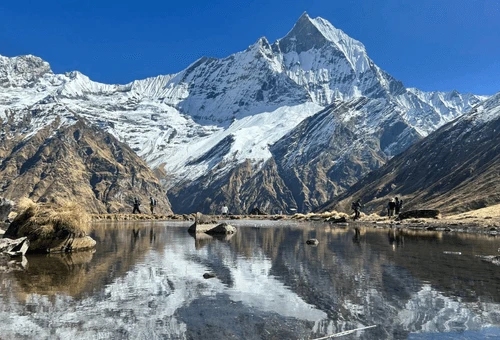
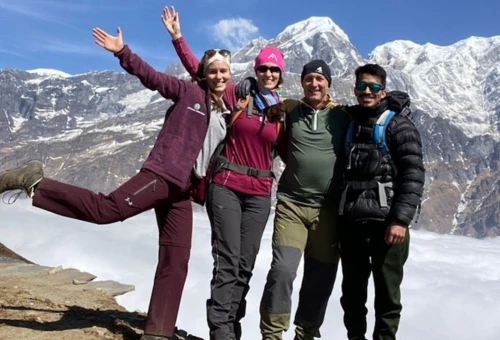
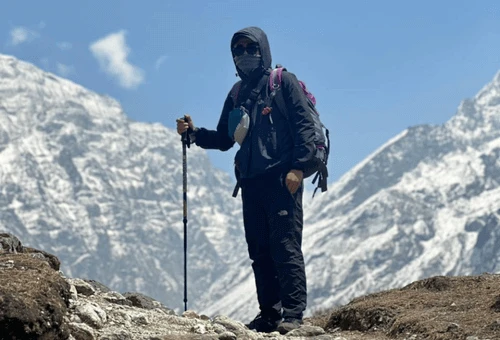
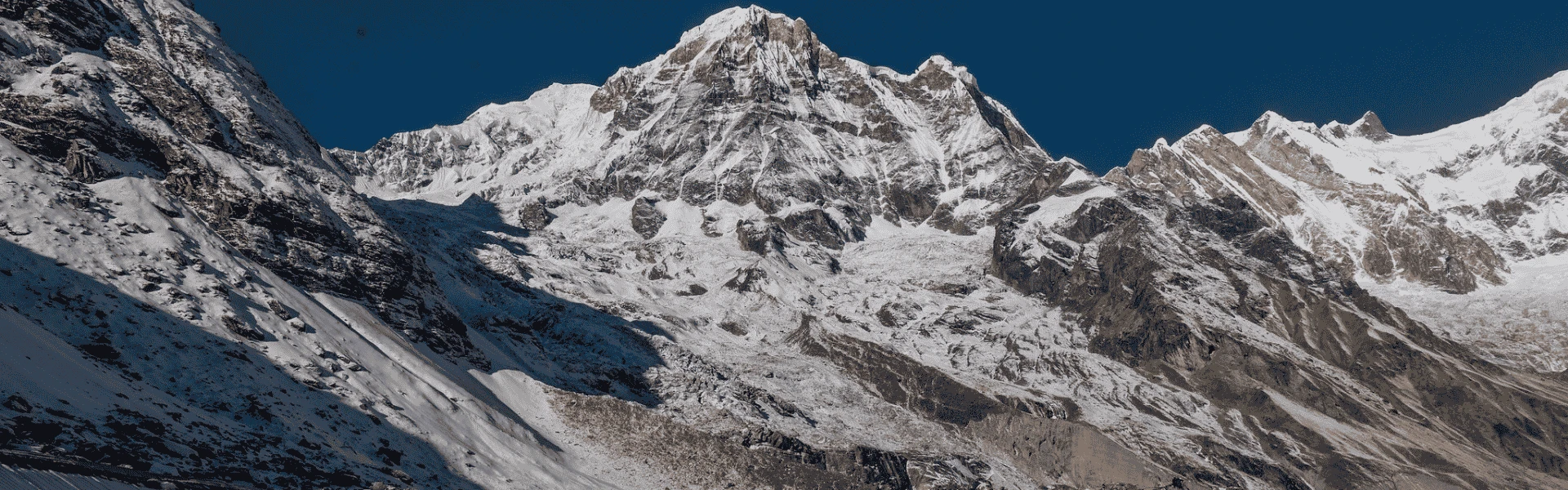
Annapurna Region Trekking is one of the best Himalayan trekking experiences in Nepal, offering short scenic hikes, classic teahouse treks, high-pass adventures, hidden community trails, alpine lakes, deep valleys, and close views of Annapurna, Machhapuchhre, Dhaulagiri, Nilgiri, Hiunchuli, and Manaslu. The best treks in the Annapurna region include Annapurna Base Camp, Annapurna Circuit, Ghorepani Poon Hill, Mardi Himal, Khopra Danda, Mohare Danda, Tilicho Lake, Nar Phu Valley, and Sikles with Kapuche Lake.
The Annapurna region is ideal for almost every type of trekker. Beginners can choose Poon Hill, Mardi Himal, Mohare Danda, or Sikles. Trekkers with moderate fitness can choose Annapurna Base Camp or Khopra Danda. Experienced trekkers can choose the Annapurna Circuit, Tilicho Lake, or Nar Phu Valley. Nepal Tourism Board describes the Annapurna region as one of Nepal’s most diverse and popular trekking areas, with routes ranging from short three-day treks to full three-week journeys.
Why Trek in the Annapurna Region?
There are trekking regions in Nepal that are famous for one thing. Everest is famous for its height. Langtang is famous for its quick access. Manaslu is famous for its remoteness.
Annapurna is different.
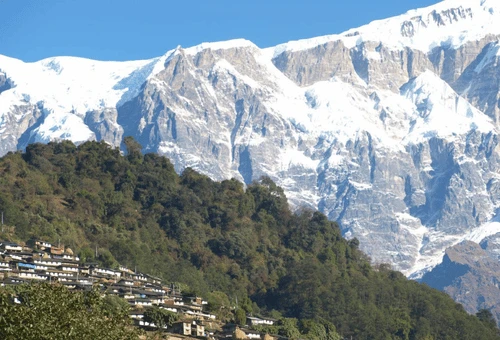
The Annapurna region gives you almost every Himalayan landscape in one destination: subtropical valleys, terraced farms, rhododendron forests, Gurung and Magar villages, deep river gorges, Buddhist-influenced settlements, dry rain-shadow valleys, alpine ridges, high passes, sacred lakes, and natural mountain amphitheatres.
One trekker may come for a sunrise from Poon Hill. Another may come to stand below Annapurna I at Annapurna Base Camp. A seasoned trekker may cross Thorong La Pass or enter the wild valleys of Nar Phu. A slow traveller may prefer Mohare Danda, where the mountain views are wide but the trail feels more local and peaceful.
This is why Annapurna Region Trekking is not just one trek. It is a whole mountain library. You choose the chapter that matches your time, fitness, comfort level, and curiosity.
The Annapurna Conservation Area is Nepal’s first conservation area and largest protected area, covering 7,629 sq. km. It is home to more than 100,000 residents from different cultural and linguistic groups, along with rich biodiversity.
Quick Comparison: Best Treks in Annapurna Region
| Trek | Best For | Duration | Max Altitude | Difficulty | Starting Point |
|---|
| Ghorepani Poon Hill Trek | Beginners, families, sunrise views | 4–6 days | 3,210 m | Easy–Moderate | Pokhara |
| Mardi Himal Trek | Short trek with big mountain views | 5–9 days | 4,500 m approx. | Moderate | Pokhara |
| Annapurna Base Camp Trek | Classic base camp experience | 7–12 days | 4,130 m | Moderate | Pokhara |
| Khopra Danda Trek | Quieter alternative to Poon Hill | 7–10 days | 3,660 m approx. | Moderate | Pokhara |
| Mohare Danda Trek | Community lodges, peaceful trail | 6–8 days | 3,300 m approx. | Easy–Moderate | Pokhara |
| Sikles Kapuche Lake Trek | Gurung culture and glacial lake | 4–6 days | 2,546 m approx. | Easy–Moderate | Pokhara |
| Annapurna Circuit Trek | High pass, landscape diversity | 12–18 days | 5,416 m | Moderate–Hard | Besisahar / Dharapani |
| Annapurna Circuit with Tilicho Lake | High-altitude lake and Thorong La | 14–18 days | 5,416 m | Hard | Besisahar / Dharapani |
| Tilicho Lake Trek | High lake adventure | 10–14 days | 4,919 m approx. | Hard | Besisahar / Dharapani |
| Nar Phu Valley Trek | Remote culture and hidden valleys | 10–16 days | 5,320 m approx. | Hard | Dharapani / Koto |
Which Annapurna Trek Is Best for You?
Best Annapurna Trek for Beginners
The best Annapurna treks for beginners are Ghorepani Poon Hill Trek, Mohare Danda Trek, Sikles Kapuche Lake Trek, and Mardi Himal Trek. These routes offer beautiful mountain views without the long commitment of Annapurna Circuit or the altitude challenge of Tilicho Lake.
Poon Hill is the safest first choice if you want a short trek, comfortable teahouses, and a classic sunrise view over Annapurna and Dhaulagiri. Mohare Danda is better if you prefer a quieter community trail. Sikles is excellent for cultural trekking, Gurung villages, and Kapuche Lake. Mardi Himal is short but steeper, so it suits beginners who are active and comfortable walking uphill.
Best Annapurna Trek for a Classic Himalayan Experience
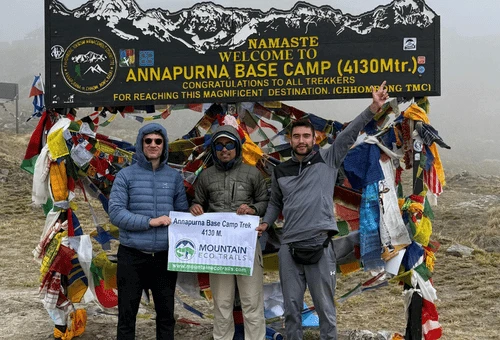
The best classic trek in the Annapurna region is the Annapurna Base Camp Trek. It leads into the Annapurna Sanctuary, where the trail slowly narrows between forest, river valley, bamboo, alpine terrain, Machhapuchhre Base Camp, and finally Annapurna Base Camp at 4,130 meters.
Annapurna Base Camp is special because the destination is not just a viewpoint. You stand inside a natural mountain bowl surrounded by Annapurna I, Annapurna South, Hiunchuli, Gangapurna, and Machhapuchhre. For many trekkers, this is the most complete short-to-medium Himalayan trek in Nepal.
This also connects naturally with your existing base camp content strategy, where Annapurna Base Camp is positioned as one of Nepal’s most beginner-friendly base camp treks because it is shorter, lower, easier to access from Pokhara, and supported by teahouses.
Best Annapurna Trek for Seasoned Trekkers
The best Annapurna treks for experienced trekkers are Annapurna Circuit Trek, Tilicho Lake Trek, Annapurna Circuit via Tilicho Lake, and Nar Phu Valley Trek.
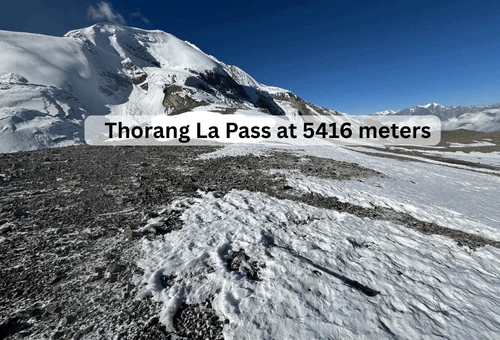
Annapurna Circuit is famous for crossing the Thorong La Pass at 5,416 meters. The current page already mentions this altitude, but the new content should explain why it matters: the pass is not technical climbing, but it requires good acclimatisation, early morning crossing, cold-weather preparation, and a safe pace.
Nar Phu Valley is for trekkers who want something wilder than the classic trail. It offers Tibetan-influenced villages, dry valleys, ancient monasteries, and a remote feel. It should be sold as a serious cultural and wilderness trek, not as a casual side route.
Best Annapurna Trek for Short Holidays
For travelers with limited time, choose:
- Ghorepani Poon Hill Trek
- Short Mardi Himal Trek
- Sikles Village Trek with Kapuche Lake
- Mohare Danda Trek
- ABC Trek from Pokhara
These routes work well for travellers already staying in Pokhara or those who want a short Himalayan trek before or after a Nepal tour.
Best Annapurna Trek for Fewer Crowds
Choose Khopra Danda, Mohare Danda, Sikles Kapuche Lake, or Nar Phu Valley if you want fewer trekkers. These routes do not feel as busy as Annapurna Base Camp, Poon Hill, or the main Annapurna Circuit trail.
Khopra Danda is a strong alternative to Poon Hill because it gives bigger Dhaulagiri and Annapurna views with a quieter ridge experience. Mohare Danda is ideal for trekkers who value community tourism, local lodges, and slower village-based trekking.
Major Annapurna Region Trekking Packages
Annapurna Base Camp Trek
The Annapurna Base Camp Trek is one of the best treks in Nepal for travellers who want a real base camp experience without committing to a long expedition. The route passes through villages, forests, stone staircases, river valleys, bamboo groves, Machhapuchhre Base Camp, and finally Annapurna Base Camp.
Choose this trek if you want dramatic mountain closeness, a moderate challenge, and a rewarding final destination.
Best for: First-time Himalayan trekkers, couples, photographers, active families, and travellers with 7–12 days.
Annapurna Circuit Trek
The Annapurna Circuit Trek is a great landscape-changing journey in Nepal. The trail begins in lower green valleys and gradually reaches Manang, dry Trans-Himalayan landscapes, Thorong La Pass, Muktinath, and the Kali Gandaki side.
Nepal Tourism Board highlights the Annapurna region’s diversity, including the Kali Gandaki Valley between Annapurna and Dhaulagiri and the dry rain-shadow landscapes of Manang and Mustang.
Choose the Annapurna Circuit if you want one of Nepal’s most complete long-distance treks.
Best for: Fit trekkers, repeat Nepal travellers, high-pass lovers, landscape photographers, and those who want cultural variety.
Annapurna Circuit via Tilicho Lake
The Annapurna Circuit via Tilicho Lake Trek is a stronger and more adventurous version of the classic circuit. It adds Tilicho Lake, one of the most dramatic high-altitude lakes in the Annapurna region, before rejoining the main route toward Thorong La Pass.
This trek is not for rushing. It requires better acclimatisation and a flexible itinerary.
Best for: Trekkers who want the Annapurna Circuit plus a high lake adventure.
Tilicho Lake Trek
The Tilicho Lake Trek is ideal for trekkers who want to experience the Manang side of Annapurna without necessarily doing the entire long circuit. The route offers dry cliffs, alpine landscapes, mountain walls, and the feeling of trekking into a high Himalayan basin.
Best for: Fit trekkers, high-altitude lake lovers, and those looking for a shorter alternative to the full circuit.
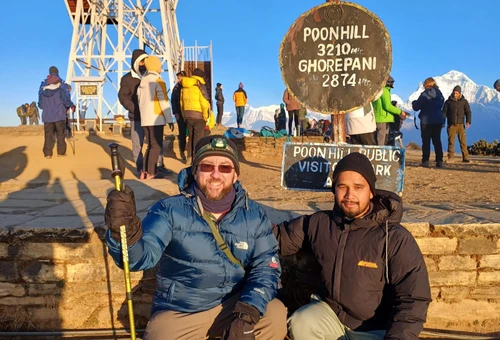
Ghorepani Poon Hill Trek
The Ghorepani Poon Hill Trek is one of the best short treks in the Annapurna region. It is famous for sunrise views over Annapurna South, Dhaulagiri, Machhapuchhre, Nilgiri, and surrounding peaks.
This trek is often recommended for beginners because the altitude is lower than at Annapurna Base Camp or Thorong La Pass. It is also a good choice for families, students, and travellers who want a Himalayan trek without going too high.
Best for: Beginners, families, sunrise lovers, short-time travellers, and first-time Nepal trekkers.
Mardi Himal Trek
The Mardi Himal Trek is a short but powerful trek near Machhapuchhre. It follows forested ridges, quiet camps, and open high viewpoints where the mountains feel surprisingly close.
Mardi Himal is shorter than Annapurna Base Camp but steeper in places. The best part is the ridge-style walking, where you see Machhapuchhre, Annapurna South, and Hiunchuli from a close angle.
Best for: Fit beginners, short holidays, photographers, and trekkers who want strong views in fewer days.
Khopra Danda Trek
The Khopra Danda Trek is one of the best alternative treks in the Annapurna region. It gives excellent views of Dhaulagiri, Annapurna South, Nilgiri, and surrounding peaks, but the trail feels quieter than Poon Hill.
Some itineraries include Khayer Lake as a side trip, making the journey more adventurous. Khopra is perfect for trekkers who want a less commercial route without going into very remote expedition territory.
Best for: Solitude seekers, photographers, moderate trekkers, and travelers who want a quieter Annapurna trek.
Mohare Danda Trek
The Mohare Danda Trek is a peaceful community-based trek in the Annapurna foothills. It offers village life, forest trails, sunrise views, and a more local atmosphere than many busier routes.
Mohare Danda is not about chasing the highest altitude. It is about slow trekking, local people, simple lodges, and wide Himalayan scenery.
Best for: Responsible travellers, community tourism supporters, beginners, and trekkers who prefer quiet trails.
Sikles Village Trek with Kapuche Lake
The Sikles Village Trek with Kapuche Lake combines Gurung culture, village life, and a visit to one of Nepal’s beautiful low-altitude glacial lakes. Sikles is one of the largest Gurung villages in Nepal and offers a strong cultural experience without the extreme altitude of other Annapurna treks.
Best for: Cultural trekkers, short-time travellers, photographers, and visitors looking for something different from the classic routes.
Nar Phu Valley Trek
The Nar Phu Valley Trek is one of the most fascinating remote routes connected with the Annapurna region. It takes trekkers into hidden valleys, old settlements, monasteries, dry cliffs, and Tibetan-influenced culture.
This is not a beginner trek. It requires permits, a registered agency, good fitness, and careful itinerary planning.
Best for: Experienced trekkers, culture lovers, repeat Nepal visitors, and off-the-beaten-path travelers.
Annapurna Region Trekking Cost
The cost of Annapurna Region Trekking depends on the route, duration, guide, porter, transportation, permits, meals, accommodation, and whether you choose a private or group trek.
| Trek Type | Estimated Cost Range | Best For |
|---|
| Short beginner treks | USD 450–750 | Poon Hill, Sikles, Mohare Danda |
| Moderate teahouse treks | USD 700–1,200 | ABC, Mardi Himal, Khopra Danda |
| Longer classic treks | USD 1,000–1,600 | Annapurna Circuit, Tilicho Lake |
| Remote or restricted routes | USD 1,300–2,500+ | Nar Phu Valley, custom routes |
| Guide-only service | Lower budget option | Trekkers who arrange own meals/lodges |
Best Time for Annapurna Region Trekking
The best time for Annapurna Region Trekking is usually spring and autumn.
| Season | Months | Trekking Experience |
|---|
| Spring | March to May | Rhododendron blooms, warmer weather, good visibility |
| Autumn | September to November | Clear skies, stable weather, best mountain views |
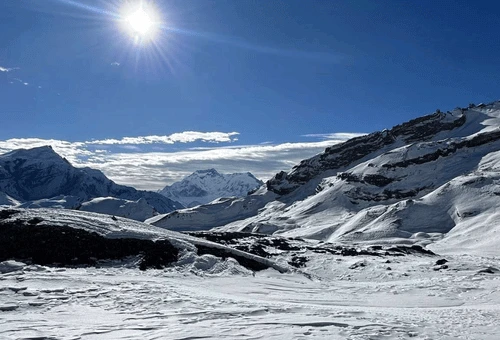
| Winter | December to February | Fewer crowds, cold mornings, possible snow at higher altitude |
| Monsoon | June to August | Rain in lower areas, but Manang and Mustang rain-shadow routes can still be suitable |
For most travellers, autumn is the safest all-round choice. Spring is best for flowers, forests, and warmer trekking conditions. Winter is possible for lower treks like Poon Hill, Mohare Danda, Sikles, and some Mardi Himal routes, but high trails need extra caution.
Annapurna Trekking Permits and Guide Rules
Most Annapurna treks require an Annapurna Conservation Area Permit and a TIMS Card. Nepal Tourism Board states that under the revised TIMS provision effective March 31, 2023, specific protected-area trekking routes require trekkers to be accompanied by a licensed trekking guide and to carry a trekking agency-issued TIMS Card. The listed Annapurna routes include Annapurna Circuit, Nar Phu Annapurna Circuit, Mesokanto/Tilicho Pass, Poon Hill-ABC, Khopra Trek, Mardi Himal Trek, and Sikleh Tara Hill Trek.
A guide is not just for navigation. In the Annapurna region, a good guide helps with pacing, altitude awareness, lodge coordination, permit checks, weather decisions, local communication, and emergency support.
Difficulty of Annapurna Region Treks
| Difficulty | Treks |
|---|
| Easy to Moderate | Ghorepani Poon Hill, Mohare Danda, Sikles Kapuche Lake |
| Moderate | Mardi Himal, Annapurna Base Camp, Khopra Danda |
| Moderate to Hard | Annapurna Circuit, Tilicho Lake |
| Hard | Annapurna Circuit via Tilicho Lake, Nar Phu Valley |
The main difficulty factors are altitude, daily walking hours, steep stone steps, weather, trail condition, and how quickly the itinerary gains elevation. Treks above 4,000 meters need a slower pace and better acclimatisation.
Annapurna Region Trekking: Local Culture
The Annapurna region is not only about mountains. It is also one of Nepal’s richest cultural trekking areas.
In the southern foothills, you walk through Gurung and Magar villages such as Ghandruk, Landruk, Ulleri, Ghorepani, Sikles, and nearby settlements. In the northern valleys, you experience Manangi, Thakali, and Tibetan-influenced cultures around Manang, Mustang, Muktinath, and Nar Phu.
The Annapurna Conservation Area is culturally diverse, with Gurung and Magar communities dominant in the south and Thakali, Manange, and Loba communities dominant in the north.
This mix of culture is one reason Annapurna is ideal for travellers who want more than mountain views. You can experience teahouses, monasteries, stone villages, prayer flags, local farming, yak pastures, apple orchards, hot springs, and traditional hospitality.
Why Book an Annapurna Region Trekking with Mountain Eco Trails?
Choosing the right Annapurna trek is not always easy. A short trek can still be steep. A famous trek can still feel crowded. A beautiful route may not match your fitness, season, or travel style.
Mountain Eco Trails helps you choose the right Annapurna trek based on your time, pace, altitude experience, comfort preference, and budget. Our local team designs safe, flexible, and realistic itineraries across the Annapurna region, from easy short treks near Pokhara to high-altitude routes like Thorong La, Tilicho Lake, and Nar Phu Valley.
With Mountain Eco Trails, you get:
- Licensed local trekking guides
- Carefully planned itineraries
- Permit and TIMS support
- Flexible private and group trek options
- Porter arrangement on request
- Local lodge coordination
- Responsible trekking guidance
- Emergency support and route adjustment when needed
- Honest advice on difficulty, weather, and altitude
The best trek is not always the longest or most famous one. The best trek is the one that matches your body, your time, your curiosity, and your reason for coming to Nepal.
FAQs About Annapurna Region Trekking
What is the best trek in the Annapurna region?
The best trek in the Annapurna region depends on your time and fitness. Annapurna Base Camp is best for a classic base camp experience, Annapurna Circuit is best for a high-pass adventure, Poon Hill is best for beginners, Mardi Himal is best for a short scenic trek, and Khopra Danda is best for fewer crowds.
Is Annapurna Region Trekking good for beginners?
Yes, Annapurna Region Trekking is excellent for beginners if they choose the right route. Ghorepani Poon Hill, Mohare Danda, Sikles Kapuche Lake, and shorter Mardi Himal itineraries are suitable for first-time trekkers with basic fitness.
How many days do I need for Annapurna trekking?
You need 4 to 18 days depending on the trek. Short treks like Poon Hill, Sikles, and Mardi Himal can be done in 4–7 days. Annapurna Base Camp usually takes 7–12 days. Annapurna Circuit and Tilicho Lake routes usually need 12–18 days.
Which is harder, Annapurna Base Camp or Annapurna Circuit?
Annapurna Circuit is generally harder than Annapurna Base Camp because it is longer and crosses Thorong La Pass at 5,416 meters. Annapurna Base Camp reaches 4,130 meters and is shorter, but it still requires good fitness and steady pacing.
What permits are needed for Annapurna Region Trekking?
Most Annapurna treks require an Annapurna Conservation Area Permit and a TIMS Card. Some routes, such as Nar Phu Valley, also require restricted-area permits and must be arranged through a registered trekking agency.
When is the best time to trek in Annapurna?
The best time for Annapurna trekking is spring from March to May and autumn from September to November. Winter is good for lower treks with fewer crowds. Monsoon is usually rainy in lower areas, but rain-shadow routes around Manang and Mustang can still be possible.
Is a guide necessary for Annapurna trekking?
A guide is strongly recommended and required for several protected-area routes under Nepal’s revised TIMS system. A licensed guide helps with safety, permits, lodge booking, altitude management, route decisions, and local communication.
Which Annapurna trek has the best mountain views?
Annapurna Base Camp, Mardi Himal, Poon Hill, Khopra Danda, and Annapurna Circuit all offer excellent mountain views. Poon Hill is best for sunrise panoramas, Mardi Himal is best for close Machhapuchhre views, and Annapurna Base Camp is best for standing inside a mountain amphitheater.
Is Annapurna trekking safe?
Annapurna trekking is generally safe when you choose a suitable route, trek with a licensed guide, follow acclimatization rules, check weather conditions, and avoid rushing at altitude. High routes such as Thorong La, Tilicho Lake, and Nar Phu Valley require more preparation.
Can I trek Annapurna from Pokhara?
Yes, many Annapurna treks start from or near Pokhara. Poon Hill, Mardi Himal, Annapurna Base Camp, Khopra Danda, Mohare Danda, and Sikles are popular treks from Pokhara. Annapurna Circuit usually begins farther away, around Besisahar, Dharapani, or nearby road-access points.
Not Sure Which Annapurna Trek to Choose?
Tell us your travel month, number of days, fitness level, previous trekking experience, and preferred comfort level. We will recommend the best Annapurna region trek for you with a realistic itinerary, cost, permit plan, and guide support.
Plan your Annapurna trek with Mountain Eco Trails.
WhatsApp/Viber: +977 9849790153
Email: [email protected]

.webp)