Tsho Rolpa Trek - 8 Days

The Tsho Rolpa Trek is a remote glacial lake trek in Nepal’s Rolwaling Valley, ideal for seasoned trekkers seeking a quieter alternative to Everest, Annapurna, and Langtang. Starting from Kathmandu by road, the trek passes through forest trails, Sherpa villages, Beding, Na Village, and reaches Tsho Rolpa Lake at around 4,580 meters. This guided trek is best completed in 8 to 10 days with permits, meals, accommodation, transport, and local support arranged

  • DestinationNepal
  • Duration8 Days
  • Difficulty Level Moderate
  • Max. Altitude4580 meters
  • Starts/EndsChetchet/Chetchet
  • Trip StyleTrekking
  • Group SizeMin 1 Pax.
  • Best SeasonSpring and Autumn

The Tsho Rolpa Trek is a remote Himalayan trekking route in Nepal’s Rolwaling Valley. The trek is designed for trekkers who want a less crowded trekking route in Nepal.

The trek leads to Tsho Rolpa Lake, a dramatic glacial lake at around 4,580 meters inside the Gaurishankar Conservation Area. The Tsho Rolpa Trek takes around 8-10 days to complete from Kathmandu.

The Tsho Rolpa Trek is best for experienced and physically fit trekkers. The Tsho Rolpa Trek route takes you deep forest paths, river valleys, Sherpa villages, moraine landscapes, and the turquoise silence of Tsho Rolpa Lake.

What Is the Tsho Rolpa Trek?

The Tsho Rolpa Trek is a guided trekking journey to Tsho Rolpa Lake in Nepal’s Rolwaling Valley. The Tsho Rolpa Trek starts with a drive from Kathmandu toward the Dolakha region. The next it follows a remote trail through villages such as Simigaun, Dongang, Beding, and Na before reaching the glacial lake. Tsho Rolpa Trek is a moderate-to-challenging trek in difficulty level. It is best suited for experienced hikers who want solitude, mountain culture, and a less commercial Himalayan route.

Tsho Rolpa Trek at a Glance

The Tsho Rolpa Trek is a remote glacial lake trek in Nepal’s Rolwaling Valley. It reaches around 4,580 meters and is best completed in 8 to 10 days from Kathmandu. The trek is suitable for fit, experienced trekkers looking for an off-the-beaten-path Himalayan route with fewer crowds, basic teahouses, and a guided package that includes permits, meals, accommodation, transport, and local support.

Highlights of the Tsho Rolpa Trek

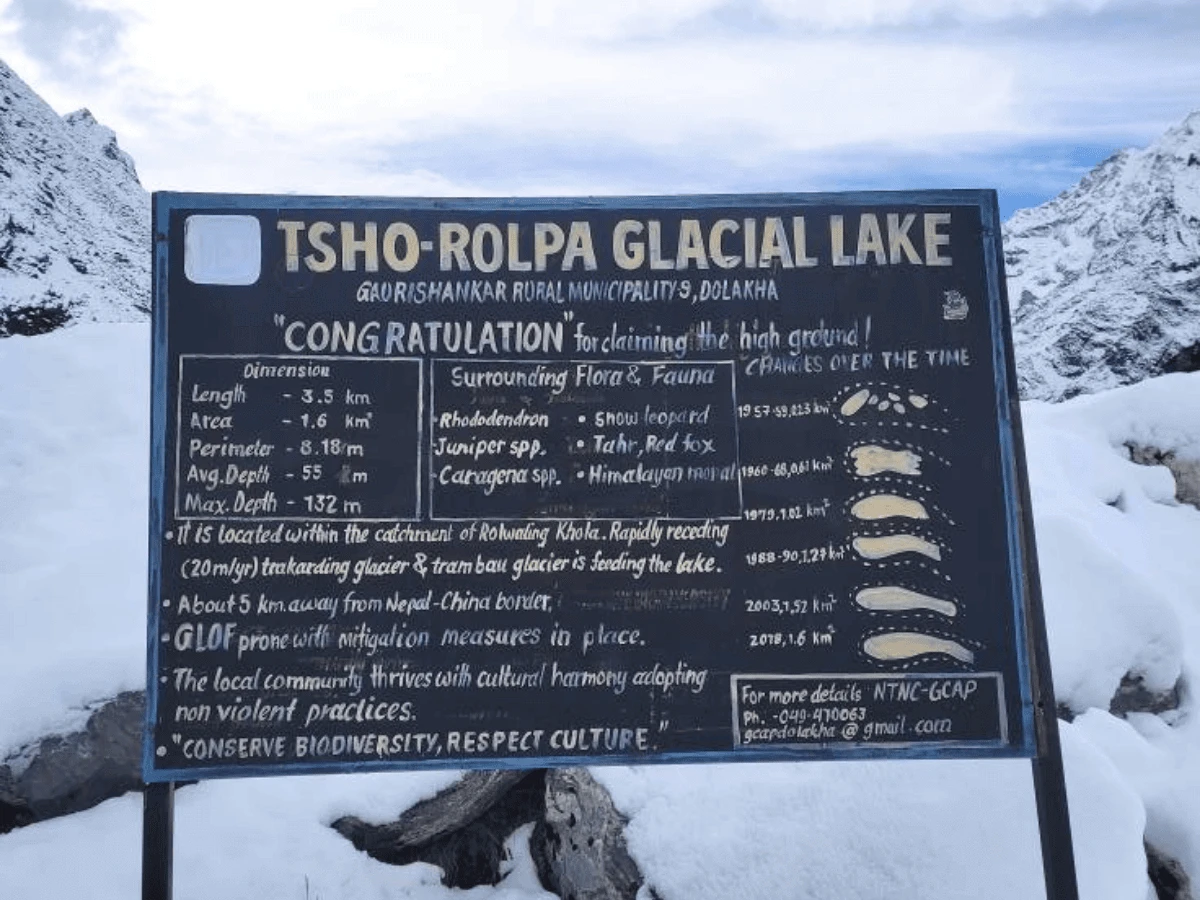
  • Visit Nepal's largest glacial lake, Tsho Rolpa Lake, at 4180 meters
  • The peaceful journey through the less crowded trekking path.
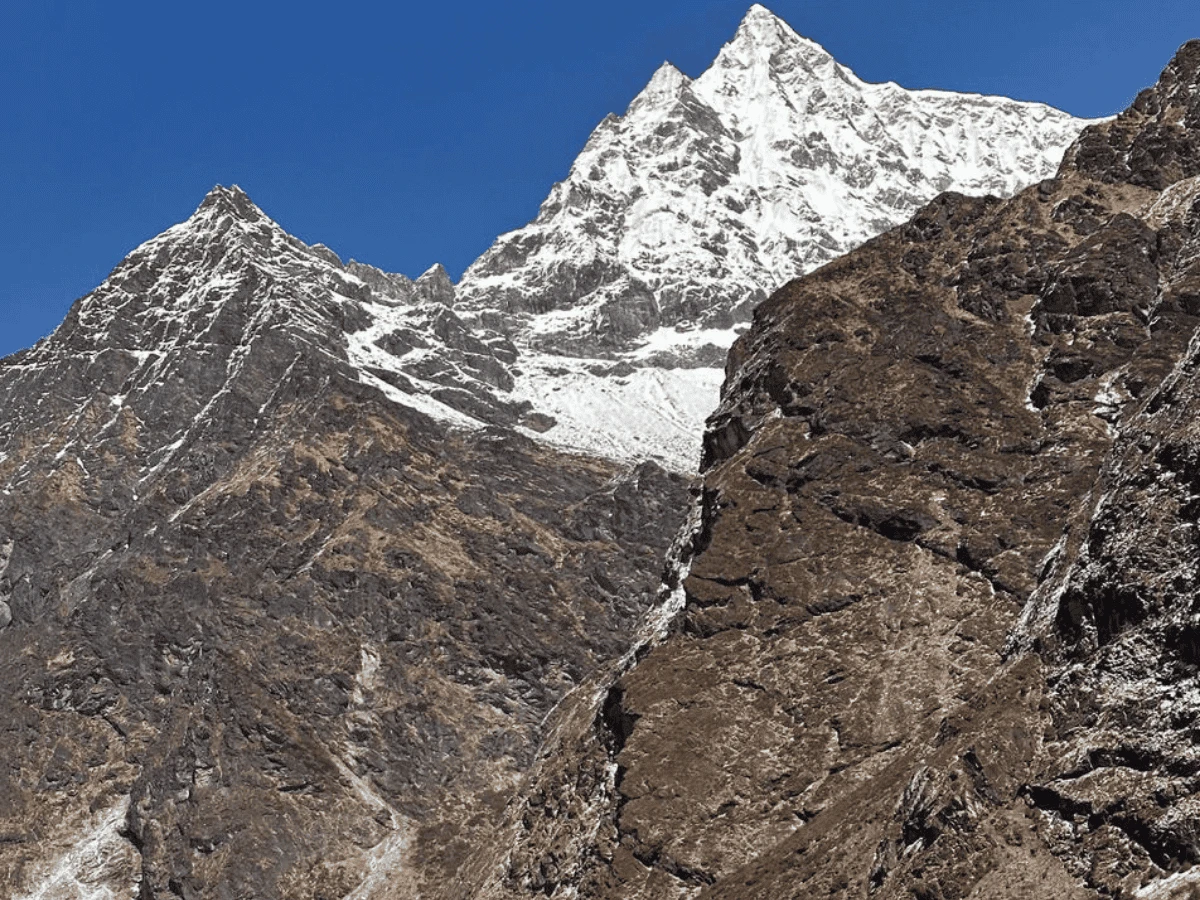
  • Enjoy the stunning Himalayan views of Gaurishankhar and Melungtse.
  • Beautiful landscape transition from terrace field to high altitude terrain and waterfalls.
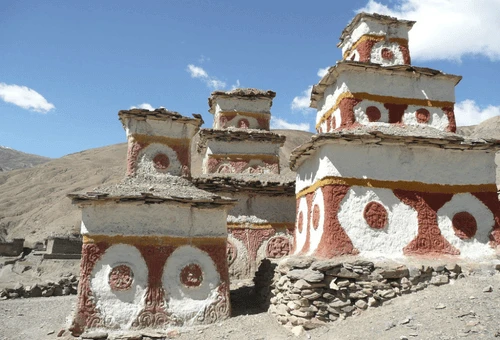
  • Observe the Tibetan Buddhist Tradition and culture by visiting the local monasteries.

Who Is the Tsho Rolpa Trek Best For?

The Tsho Rolpa Trek is best for seasoned trekkers who want a quieter, rougher, more authentic Himalayan route. It suits people who have trekking experience, can walk 5 to 7 hours per day, and are comfortable with basic food and accommodation.

This trek is a strong choice if you:

  • Have already done one or more multi-day treks
  • Want a less crowded trail in Nepal
  • Prefer remote valleys over commercial trekking hubs
  • Are comfortable with basic teahouses
  • Want a guided Tsho Rolpa Trek with local support
  • Have good fitness and patience for rough roads
  • Want a trek from Kathmandu without domestic flights
  • Prefer private or small-group trekking

This trek may not be the best choice if you:

  • Want luxury lodges or heated rooms
  • Are you looking for a very easy beginner trek
  • Prefer short walking days only
  • Need a wide menu and modern facilities every night
  • Are not comfortable with altitudes above 4,000 meters
  • Want a highly social trail with many trekkers

Tsho Rolpa Trek Cost 2026

A standard guided Tsho Rolpa Trek package usually ranges from USD 950 to USD 1,250 per person. A Private Tsho Rolpa Trek may cost around USD 1,150 to USD 1,600+, depending on group size, transport choice, hotel standard, porter support, and itinerary customisation.

Cost Component

Estimated Cost in USD

Kathmandu hotel before/after trek

USD 60–120

Kathmandu to trailhead transport and return

USD 120–250

Gaurishankar Conservation Area permit and local permits

USD 40–70

Licensed trekking guide

USD 250–350

Porter support

USD 180–280

Meals and accommodation during the trek

USD 280–420

Agency service, logistics, taxes, and emergency coordination

USD 120–250

Itinerary

Your adventurous trip to Rolwaling Valley begins with an 8-hour drive to Chetchet. The scenic drive along the Araniko Highway takes you to Dolakha District’s headquarters, Charikot for lunch. Afterward, the drive follows the bumpy and dusty roads, offering picturesque landscapes and stunning waterfalls. From Chetchet, a two-hour uphill hike to Simi Gaun for an overnight stay.

  • Max Altitude:2020 meters
  • Accommodation:Tea house
  • Time:8-9 Hours
  • Meals:Breakfast, Lunch, Dinner

Start a day with breakfast in Simi Gaun, before embarking on the trail toward Dongdang via Uttise, Surmuche, and Kyalche. The scenic trail is full of excitement walking through the ups and downs inside dense lush green forest crossing various wooden and suspension bridges. After approximately 3 hours, reach Surmuche for a delightful lunch. As the adventure continues enjoy blooming Rhododendron flowers, greenery, waterfalls, and birdsong. After another 3 hours, arrive at Dongdang for an overnight stay.

  • Max Altitude:2800 meters
  • Accommodation:Tea house
  • Time:6-7 Hours
  • Meals:Breakfast, Lunch, Dinner

Today's journey starts from the Rolwaling Valley's initial point, Dongdang. The path follows the enchanting Rolwaling River, crossing multiple suspension bridges through a vibrant forest adorned with Rhododendrons, beautiful waterfalls, and the majestic presence of Gaurishanker in the background.

After about two hours of walking, take a lunch break in Thangding. Then, pass by a sacred temple, an ancient Buddhist gumba, and fluttering prayer flags. The awe-inspiring view of snow-capped mountains will accompany you for nearly three hours. Finally, reach the Sherpa Village of Beding for an overnight stay.

  • Max Altitude:3690 meters
  • Accommodation:Tea house
  • Time:6-7 Hours
  • Meals:Breakfast, Lunch, Dinner

Today is an acclimatization day, during which you'll take a two-hour walk from Beding to Naa Gaun. Before starting the walk, enjoy a delicious breakfast and explore the enchanting and scenic Bedding village, nestled at the foothills of the majestic Gaurishanker Himal. The village offers delightful sights of yaks, naks, and monasteries.

Next, hike to an ancient Buddhist Monastery perched on a rock for a breathtaking view of the village, lush forests, and the majestic mountain range. Afterward, return to the lodge for a satisfying lunch and walk for Naa Gaun to spend the night.

  • Max Altitude:4183 meters
  • Accommodation:Tea House
  • Time:2-3 Hours Hike
  • Meals:Breakfast, Lunch, Dinner

Today marks a significant day of your trek as you set off for Tso Rolpa and Dudhkunda Lake. Starting early in the morning, trek for approximately 2-3 hours to Tsho Rolpa. The trail becomes more challenging as you cross a suspension bridge over the Rolwaling River. Despite the short distance, the altitude surpasses 4200 meters, making it challenging hike.

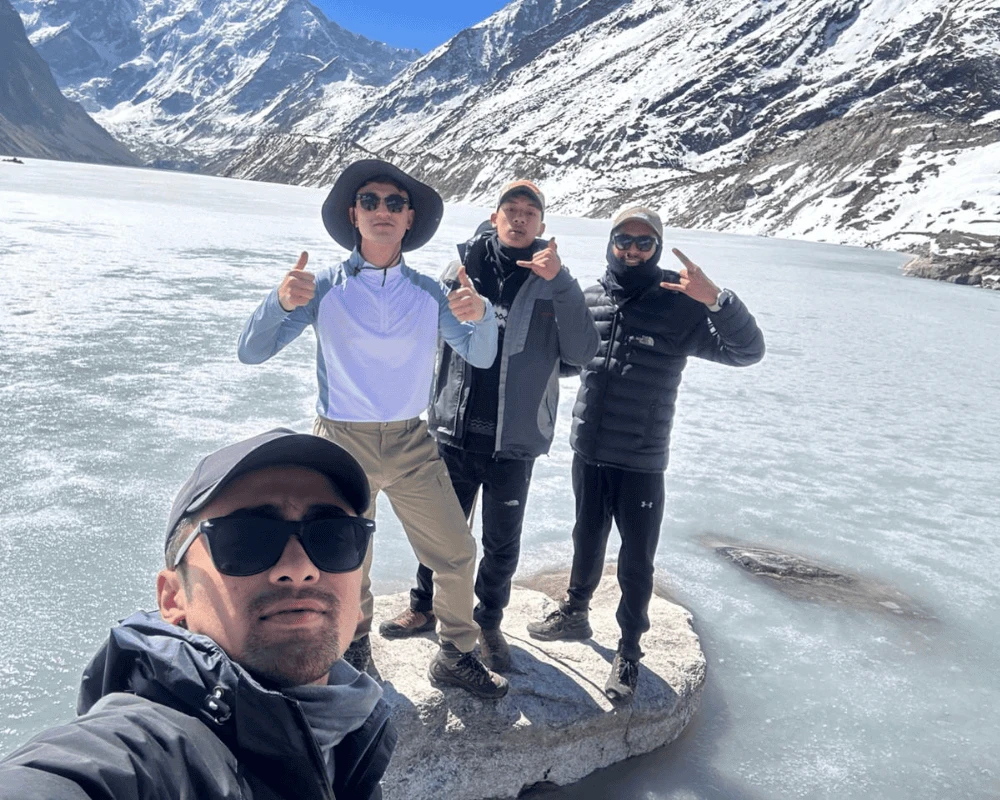
Upon reaching Tsho Rolpa, witness the awe-inspiring views of majestic peaks and a turquoise lake surrounded by barren hills and towering mountains. Have a delightful breakfast while admiring the magnificent view.

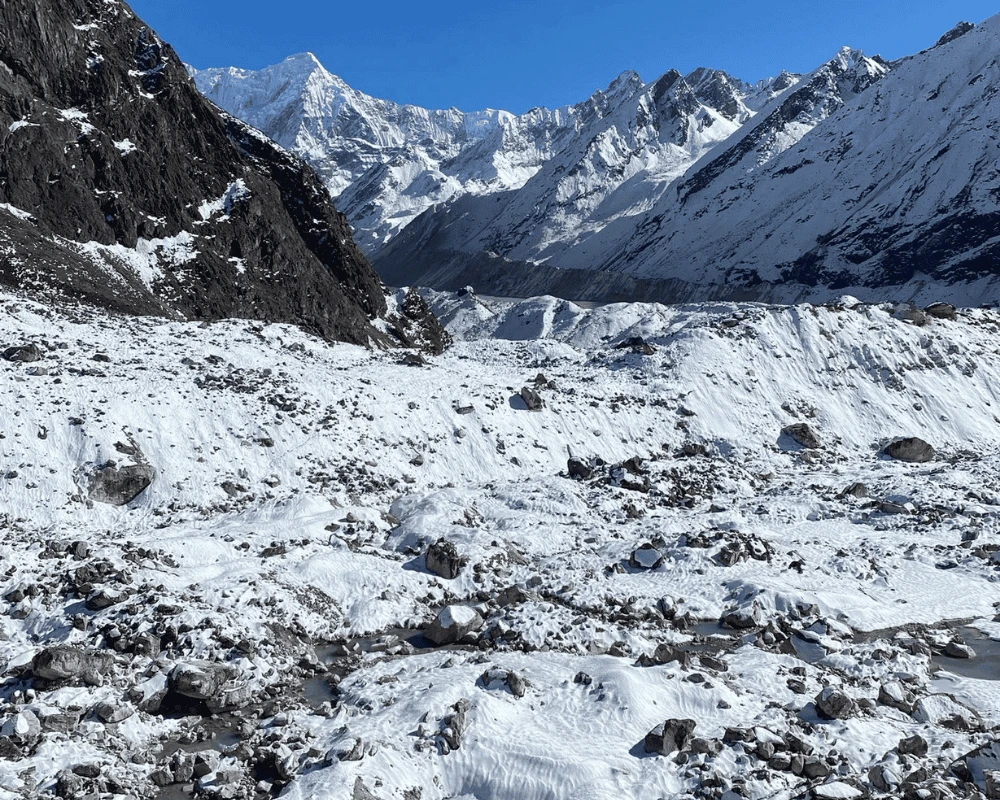
Next, embark on another 2-3 hour hike to Dudhkunda, The trail from Tsho Rolpa Lake to Dudhkunda is challenging, requires technical skills as you navigate through rocky moraines at the foot of the mountains. Spend an hour exploring the lake, taking photographs, and immersing yourself in its tranquil ambiance before hiking back to Naa Gaun. Overnight stay at Naa Gaun.

  • Max Altitude:4700 meters
  • Accommodation:Tea House
  • Time:6-7 Hours
  • Meals:Breakfast, Lunch, Dinner

After a warm breakfast in Naa, begin the descent down the steep path toward Bedding. The trail follows the Rolwaling River, with captivating views of the magnificent Gaurishankar mountain ahead. After having a delightful lunch in Beding journey continues along the same trail. The trail passes by a holy temple, an ancient Buddhist monastery, and colorful prayer flags adorning the path until you reach Thanding. Spending a night in Thanding, nestled amidst a dense forest, will be a unique and unforgettable experience.

  • Max Altitude:4183 meters
  • Accommodation:Tea House
  • Time:6-7 Hours
  • Meals:Breakfast, Lunch, Dinner

After breakfast in Thanding, retrace the same trails back to Simi Gaun. The path will take you through a dense forest, offering glimpses of waterfalls and crossing suspension bridges. After about three hours of walking, reach Kyalche for a leisurely lunch and a short rest. The journey will be relatively easy as you descend from higher altitudes. After three hours of descent with a few uphill sections, you'll arrive at Simi Gaun, where you'll spend the night.

  • Max Altitude:2020 meters
  • Accommodation:Tea House
  • Time:5-6 Hours
  • Meals:Breakfast, Lunch, Dinner

The final day of the trek starts with breakfast and participating in farewell rituals at the lodge. Afterward, you will descend to Chetchet, from where you will drive back to Kathmandu by sharing a jeep. Along the way, you will have the opportunity to visit the famous religious site Dolakha Bhimsen and enjoy lunch in Charitot before reaching your hotel in Kathmandu.

  • Max Altitude:1400 meters
  • Accommodation:Hotel
  • Time:7-8 Hours
  • Meals:Breakfast, Lunch, dinner
Cost Includes
  • Transportation costs from Kathmandu to Chetchet to Kathmandu 
  • Gaurishankhar Conservation Area Permit Card.
  • Restricted Area permit card. 
  • 8 Days guide expenses, including his salary, accommodation, and meals. 
  • Meals during the trek include breakfast, lunch and dinner. 
  • Accommodation during the trek on a sharing basis 
  • First Aid Kit Carried by the Guide 
  • Rescue Arrangements and co-ordination if needed 
  • Farewell dinner after the trek with team officials 
  • Government and Local Taxes 
Cost Excludes
  • Personal expenses, including drinks, hot water, battery charge costs, etc. 
  • Porter (if you need it, costs 22 USD per day)
  • Private Jeep (USD 250-300)
  • Travel Insurance and emergency rescue evacuation. 
  • Tips for the guide and porter 
Availability
Select a Departure Month
Start DateEnd DatePriceStatus 
Start DateStarts: SundayJul 05, 2026End DateEnds: SundayJul 12, 2026PricePriceUS$950StatusStatusAvailable
Start DateStarts: SundayJul 12, 2026End DateEnds: SundayJul 19, 2026PricePriceUS$950StatusStatusAvailable
Start DateStarts: SundayJul 19, 2026End DateEnds: SundayJul 26, 2026PricePriceUS$950StatusStatusAvailable
Start DateStarts: SundayJul 26, 2026End DateEnds: SundayAug 02, 2026PricePriceUS$950StatusStatusAvailable
Good to Know

Tsho Rolpa Trek Difficulty

The Tsho Rolpa Trek difficulty is moderate to challenging. The route does not require technical climbing, but it does involve long walking days, steep sections, remote terrain, basic lodges, rough roads, and altitude above 4,000 meters.

For seasoned trekkers, the challenge is manageable with good pacing. For beginners, it can feel demanding.

Difficulty Factors

Factor

Difficulty Level

What to Expect

Walking Hours

Moderate

5–7 hours on many days

Altitude

Challenging

Highest point around 4,580 m

Trail Condition

Moderate to rough

Forest, stone steps, river valleys, moraine sections

Accommodation

Basic

Simple teahouses, limited comfort

Remoteness

High

Fewer facilities than Everest or Annapurna

Weather

Variable

Cold nights, possible rain/snow depending on season

Fitness Requirement

Good

Best for hikers with previous trekking experience

Who Can Do the Tsho Rolpa Trek?

You can do this trek if you can comfortably walk for several hours over uneven terrain for multiple days. Prior hiking or trekking experience is highly recommended. You do not need climbing skills, but you should be mentally ready for basic facilities, simple meals, and changing mountain conditions.

Training Advice

Start training 6 to 8 weeks before the trek. Focus on:

  • Long uphill walks
  • Stair climbing
  • Leg strength
  • Core stability
  • Cardio endurance
  • Hiking with a daypack
  • Back-to-back walking days

The stronger your preparation, the more you will enjoy the remote beauty of the Rolwaling Valley.

Tsho Rolpa Trek Best Time

The best time for the Tsho Rolpa Trek is spring and autumn. These seasons usually offer better visibility, safer trails, more comfortable temperatures, and better conditions for crossing remote sections.

Best Seasons for Tsho Rolpa Trek

Season

Months

Trekking Condition

Recommendation

Spring

March to May

Clearer views, flowers, warmer days

Excellent

Summer/Monsoon

June to August

Rain, leeches, landslides, cloudy views

Not ideal

Autumn

Late September to November

Stable weather, clear mountains

Best overall

Winter

December to February

Cold, snow risk, limited lodges

Possible but tougher

The best time for the Tsho Rolpa Trek is spring, from March to May, and autumn, from late September to November. Autumn usually gives the clearest mountain views, while spring offers warmer weather and blooming forests. Monsoon is wet and less reliable, while winter can be cold and snowy at higher elevations.

Tsho Rolpa Trek Permits

Trekkers need permits to enter the Tsho Rolpa and Rolwaling region. The most important permit is connected to the Gaurishankar Conservation Area. Depending on current rules, route, and agency practice, additional trekking documentation may also be required.

Common Permit Requirements

Permit / Document

Purpose

Gaurishankar Conservation Area Permit

Entry into the protected area

Local entry permit if applicable

Local area access and management

TIMS Card if applicable

Trekker registration, depending on current rule enforcement

Passport copy and photos

Permit processing

Travel insurance details

Safety and emergency planning

Permit Advice for International Trekkers

Permit rules in Nepal can change. A reliable Tsho Rolpa Trek local operator should confirm the latest requirements before departure and arrange all necessary documents for you.

For a smoother trip, send your passport copy, travel insurance details, arrival date, and final itinerary in advance.

Why Book a Guided Tsho Rolpa Trek?

A guided Tsho Rolpa Trek is recommended because the route is remote, facilities are basic, and trail logistics can change. A local guide helps with navigation, lodge communication, permits, pacing, altitude awareness, weather decisions, and emergency coordination. For international trekkers, this support often makes the journey safer and more enjoyable.

Tsho Rolpa Trek from Kathmandu

The Tsho Rolpa Trek from Kathmandu is one of the route’s strongest advantages. You do not need to fly to Lukla or Pokhara. The journey begins with an overland drive from Kathmandu toward the Dolakha region and continues on foot through the lower Rolwaling Valley.

The drive can be long and rough, but it keeps the itinerary more predictable than flight-based treks.

Basic Route Flow

Kathmandu → Dolakha side road access → Chetchet or nearby trailhead → Simigaun → Dongang → Beding → Na Village → Tsho Rolpa Lake → return route → Kathmandu

Accommodation on the Tsho Rolpa Lake Trek

Accommodation on the Tsho Rolpa Trek is basic. Lower villages may have more comfortable local lodges, but higher sections offer simpler rooms and fewer facilities.

Do not expect the lodge variety of Everest or Annapurna.

What to Expect

  • Twin-sharing rooms in most places
  • Simple beds with blankets
  • Shared toilets
  • Limited hot showers
  • Limited charging access
  • Fewer food choices at higher altitudes
  • Cold nights in Beding, Na, and near the lake
  • Basic dining rooms
  • Local family-run lodges
  • Bring a good sleeping bag, warm layers, and a flexible attitude.

The simplicity of the lodges is part of the trek’s character. You are not buying comfort; you are entering a remote mountain valley where tourism is still modest.

Meals on the Tsho Rolpa Trek

Meals during the trek are usually served in teahouses. Food is simple, warm, and practical for mountain walking.

Common meals include:

  • Dal bhat
  • Noodle soup
  • Fried rice
  • Potato dishes
  • Tibetan bread
  • Eggs
  • Pancakes
  • Tea and coffee
  • Garlic soup
  • Seasonal local items where available

Dal bhat is often the best trekking meal because it provides rice, lentil soup, vegetables, and energy for long walking days.

If you have dietary restrictions, inform your operator before booking. Vegetarian meals are usually possible, but vegan, gluten-free, or allergy-specific diets need more planning.

Is the Tsho Rolpa Trek Worth It?

Yes, the Tsho Rolpa Trek is worth it for experienced trekkers who value solitude, raw landscapes, and less commercial mountain trails. It is not the easiest or most comfortable trek in Nepal, but it offers something many famous routes have lost: silence, space, and discovery.

You should book this trek if your dream is not only to reach a viewpoint but to feel the slow change of a valley as you walk deeper into it.

You should not book it if your main priority is luxury, convenience, or social trekking.

Is the Tsho Rolpa Trek Worth Booking?

The Tsho Rolpa Trek is worth booking for fit and experienced trekkers who want a remote Himalayan lake trek with fewer crowds than Everest, Annapurna, or Langtang. It offers glacial scenery, Sherpa villages, forest trails, and a strong wilderness feeling. The trek is less suitable for travellers who want luxury lodges or an easy beginner route.

Book Tsho Rolpa Trek: Private and Guided Package Options

If you are a seasoned trekker looking for a quieter Himalayan journey, the Tsho Rolpa Trek is one of the best short remote treks from Kathmandu.

You can book this trek as:

  • Private Tsho Rolpa Trek
  • Guided Tsho Rolpa Trek
  • Small-group Tsho Rolpa Trek package
  • Custom Tsho Rolpa Trek from Kathmandu
  • Tsho Rolpa Trek with guide and permits included
  • Tsho Rolpa Trek with meals and accommodation

Plan Your Tsho Rolpa Trek

Ready to explore a quieter side of Nepal?

Send your preferred travel month, group size, fitness level, and number of available days. We will suggest the best Tsho Rolpa Trek itinerary, cost, guide plan, and package option based on your pace.

Book the Tsho Rolpa Trek with a local operator who understands the route, the villages, the road access, and the real conditions behind the brochure. Contact us via email or WhatsApp us at +9779849790153.

More useful Info:

FAQs
  • The Tsho Rolpa Trek is moderate to challenging. It does not require technical climbing, but it includes long walking days, steep trails, remote terrain, basic teahouses, and altitude above 4,000 meters. It is best for fit trekkers with previous multi-day hiking or trekking experience

  • Most trekkers need 8 to 10 days for the Tsho Rolpa Trek from Kathmandu to Kathmandu. A 9- or 10-day itinerary is better for international trekkers because it allows a safer pace, better acclimatization, and more flexibility if road, weather, or altitude conditions change.

  • The Tsho Rolpa Trek cost usually depends on group size, transport, guide, porter, permits, accommodation, meals, and hotel standard in Kathmandu. A standard guided package often ranges around USD 950 to USD 1,250 per person, while private or customized treks may cost more.

  • The best time for Tsho Rolpa Trek is spring from March to May and autumn from late September to November. Autumn usually offers the clearest mountain views, while spring provides warmer weather and blooming forest trails. Monsoon and winter are possible but more challenging.

  • Trekkers usually need a Gaurishankar Conservation Area Permit for the Tsho Rolpa route. Local entry permits or trekking registration documents may also apply depending on current rules. A local trekking operator should confirm the latest permit requirements and arrange them before your trek begins.

  • Complete beginners may find Tsho Rolpa demanding because of the altitude, remote setting, and basic facilities. However, fit hikers with strong preparation and a guided itinerary can complete the trek. For first-time trekkers, a slower itinerary with acclimatization support is strongly recommended.

  • No, the Tsho Rolpa Trek is much less crowded than Everest Base Camp, Annapurna Base Camp, and Langtang Valley. It is a better choice for trekkers who want quiet trails, fewer commercial stops, remote villages, and a more peaceful Himalayan experience.

  • The Tsho Rolpa Trek usually starts with a drive from Kathmandu toward the Dolakha region and then continues on foot toward Simigaun, Dongang, Beding, Na Village, and Tsho Rolpa Lake. The exact trailhead may vary depending on road condition and itinerary design.

SimilarTrips
You may also like
Did not find what you are looking for? No worries!

Let us help you plan your perfect holiday.