
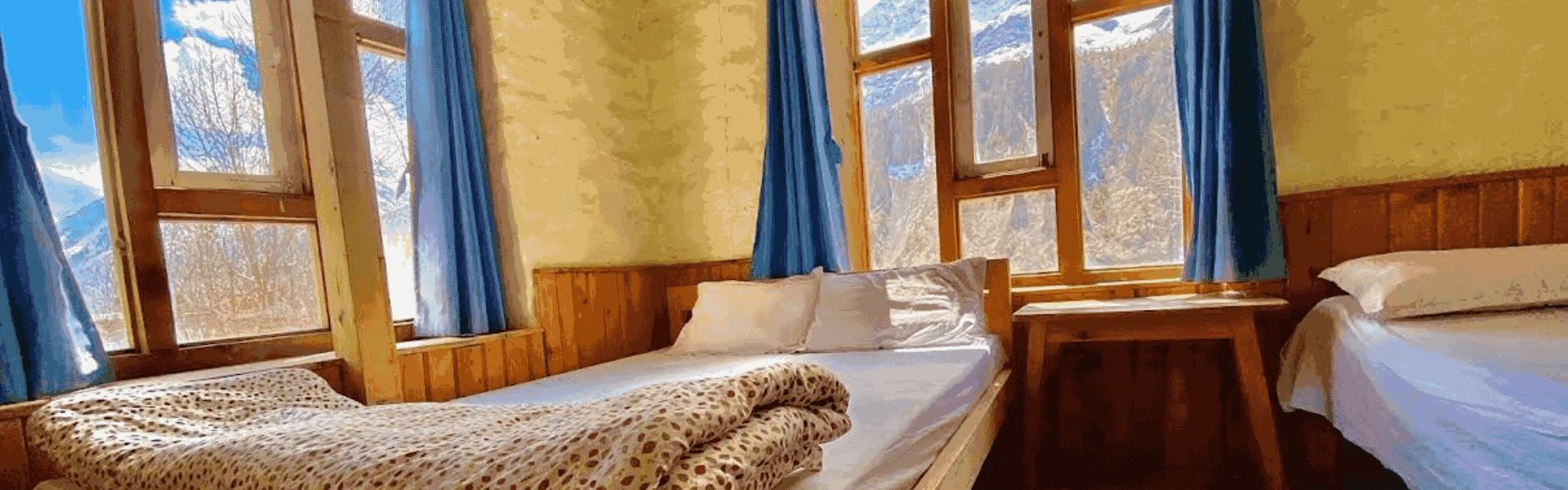
Accommodation in Langtang Valley mainly consists of traditional teahouses and basic lodges that offer simple rooms, shared bathrooms, and warm meals. Most villages like Syabrubesi, Lama Hotel, Langtang Village, and Kyanjin Gompa provide comfortable yet basic stays. Expect twin-sharing rooms, limited heating, and optional hot showers for an extra cost. Accommodation costs range from $5 to $15 per night, often cheaper when meals are included. While luxury hotels are rare, the authentic mountain experience, local hospitality, and stunning Himalayan surroundings make Langtang accommodation uniquely rewarding.
Accommodation in Langtang Valley: Complete Guide for Trekkers
Finding the right accommodation in Langtang Valley can shape your entire trekking experience. Unlike city travel, where comfort is predictable, trekking in Nepal introduces you to raw, authentic mountain living.
If you're wondering:
- Will I get a hot shower?
- Are rooms private?
- How basic is “basic”?
You’re not alone. This guide answers everything — clearly and honestly — so you know exactly what to expect before stepping into the Himalayas.
What Type of Accommodation is Available in Langtang Valley?
Accommodation in Langtang Valley is primarily teahouse-based. These are small, family-run lodges offering basic rooms, shared facilities, and home-cooked meals. While simple, they are clean, warm, and provide essential comfort for trekkers.
Teahouses in Langtang Valley
Teahouses are the backbone of accommodation during the Langtang Valley Trek.
What you typically get:
- Twin-sharing rooms with basic beds
- Thin mattress, pillow, and blanket
- Wooden walls with minimal insulation
- Shared bathrooms (mostly squat toilets)
Despite simplicity, the atmosphere is warm and welcoming.
Accommodation by Trekking Stops
Accommodation Syabrubesi (Starting Point)
- Best range of accommodation in the region
- Private rooms with attached bathrooms available
- WiFi, hot showers, and charging facilities common
This is the most comfortable stop before heading deeper into the mountains.
Accommodation Lama Hotel
- Basic teahouses surrounded by forest
- Limited electricity and no luxury options
- Cozy dining rooms with wood stoves
Expect a peaceful stay with minimal facilities.
Accommodation Langtang Village
- Rebuilt after 2015 earthquake
- Improved lodges with better structure
- Some rooms offer attached bathrooms
A good balance between comfort and authenticity.
Kyanjin Gompa (Best Stay)
- Best accommodation in Langtang Valley
- Cleaner rooms and better food options
- Stunning mountain views from the lodges
Ideal place for acclimatisation and rest days.
Accommodation Cost in Langtang Valley
Quick Cost Breakdown Table
Location | Cost per Night | Notes |
Syabrubesi | $10–$20 | Private rooms available |
Lama Hotel | $5–$10 | Basic facilities |
Langtang Village | $5–$12 | Improved lodges |
Kyanjin Gompa | $8–$15 | Best value for comfort |
Hot Shower, WiFi & Charging: What to Expect?
Hot showers, WiFi, and charging are available but limited. Most teahouses charge extra for these services, especially at higher altitudes.
Facilities Breakdown
- 🔥 Hot Shower: $2–$5 (bucket or gas)
- 🔌 Charging: $1–$3 per device
- 📶 WiFi: $2–$5 (slow connection)
The higher you go, the more expensive and less reliable these services become.
Teahouse vs Hotel: What’s the Difference?
Feature | Teahouse | Hotel (Only in Syabrubesi) |
Comfort | Basic | Moderate |
Bathroom | Shared | Attached |
Heating | Dining room only | Some rooms heated |
Cost | Cheap | Slightly higher |
Experience | Authentic trekking life | Standard stay |
Most trekkers prefer teahouses for the authentic Himalayan experience.
What Makes Langtang Accommodation Unique?
Accommodation in Langtang Valley stands out for its simplicity, cultural connection, and close interaction with local Tamang communities. Unlike commercial trekking regions, Langtang offers a more personal experience where trekkers stay in family-run lodges, eat home-cooked meals, and connect with local traditions, making the journey more meaningful than just a place to sleep.
Practical Tips for Choosing the Best Accommodation
Expert Tips
- Always carry a sleeping bag for extra warmth
- Choose lodges with good reviews or guide recommendations
- Stay lower if you prefer better comfort
- Book early in peak seasons (Oct–Nov, Mar–Apr)
- Eat where you stay to save costs
Common Mistakes to Avoid
- Expecting luxury hotels in higher altitudes
- Skipping warm clothing for night stays
- Relying fully on WiFi or electricity
- Not carrying cash (no ATMs in the valley)
Is Accommodation Safe in Langtang Valley?
Yes, accommodation in Langtang Valley is safe for trekkers. Teahouses are family-run, and hosts are experienced in welcoming international visitors. Rooms have simple locks, and the trekking route is well-established. However, basic precautions like securing valuables and trekking with a guide enhance safety and comfort.
Comparison: Langtang vs Everest vs Annapurna Accommodation
Feature | Langtang Valley | Everest Region | Annapurna Region |
Cost | Low | High | Moderate |
Comfort Level | Basic–Moderate | Moderate–Luxury | Moderate |
Crowds | Less crowded | Very busy | Busy |
Authenticity | High | Medium | Medium |
Langtang is ideal if you want fewer crowds and more cultural experiences.
Planning your Langtang trek?
Choosing the right accommodation can make your journey smoother, warmer, and more enjoyable. A well-planned itinerary ensures you stay in the best available lodges each night — especially during peak seasons.
Book your Langtang Valley Trek with a local expert like Mountain Eco Trails who knows the best teahouses and ensures comfort at every stop.
FAQ: Accommodation in Langtang Valley
1. What kind of accommodation is available in Langtang Valley?
Most accommodation consists of teahouses and lodges. These are basic but comfortable, offering twin-sharing rooms, shared bathrooms, and meals. Higher-end facilities are only available in lower regions like Syabrubesi.
2. Do Langtang teahouses have attached bathrooms?
Attached bathrooms are available mainly in Syabrubesi and some lodges in Langtang Village. Most teahouses at higher altitudes have shared bathrooms.
3. Is hot water available during the Langtang trek?
Yes, hot water is available in most teahouses, but usually costs extra. Expect to pay $2–$5, depending on altitude.
4. Can I book accommodation in Langtang in advance?
Booking is possible in peak seasons, but not always necessary. Guides often arrange accommodation on arrival.
5. Are the Langtang teahouses heated?
Rooms are not heated. Only dining areas have heating (wood stove), where trekkers gather in the evening.
6. Is WiFi reliable in Langtang Valley?
WiFi is available in some villages, but it is slow and unreliable, especially at higher elevations.
7. How cold are the rooms in Langtang Valley at night?
Temperatures can drop below freezing at higher altitudes. A sleeping bag is highly recommended.
8. Is accommodation safe for solo travellers?
Yes, Langtang is considered safe. Teahouses are run by local families and are welcoming to solo trekkers.
Final Thoughts
Accommodation in Langtang Valley is not about luxury — it’s about experience.
You trade fancy hotels for:
- Authentic mountain life
- Cultural immersion
- Quiet, less crowded trails
And that’s exactly what makes it special.