

Pikey Peak Trek, 7-Day Journey to a Quieter Everest View

tripadvisor rating1 Reviews
google rating20 Reviews

The Pikey Peak Trek is one of the best short treks in Nepal, offering stunning views of Mount Everest without the crowds of Everest Base Camp. This 6–7 day trek is perfect for beginners and travellers with limited time. With lower altitude, no Lukla flight, and peaceful trails through Sherpa villages, it provides a unique and authentic Himalayan experience. Pikey Peak Trek difficulty level is easy to moderate and suitable for beginners to seasoned trekkers. The best time to do the Pikey Peak Trek is Spring & Autumn season. 

  • DestinationNepal
  • Duration7 Days
  • Difficulty Level Moderate
  • Max. Altitude4065 meters
  • Starts/EndsKathmandu/Kathmandu
  • Trip Distance50-65 KM
  • Trip StyleTrekking
  • Group SizeMin 1 Pax
  • Best SeasonSpring & Autumn

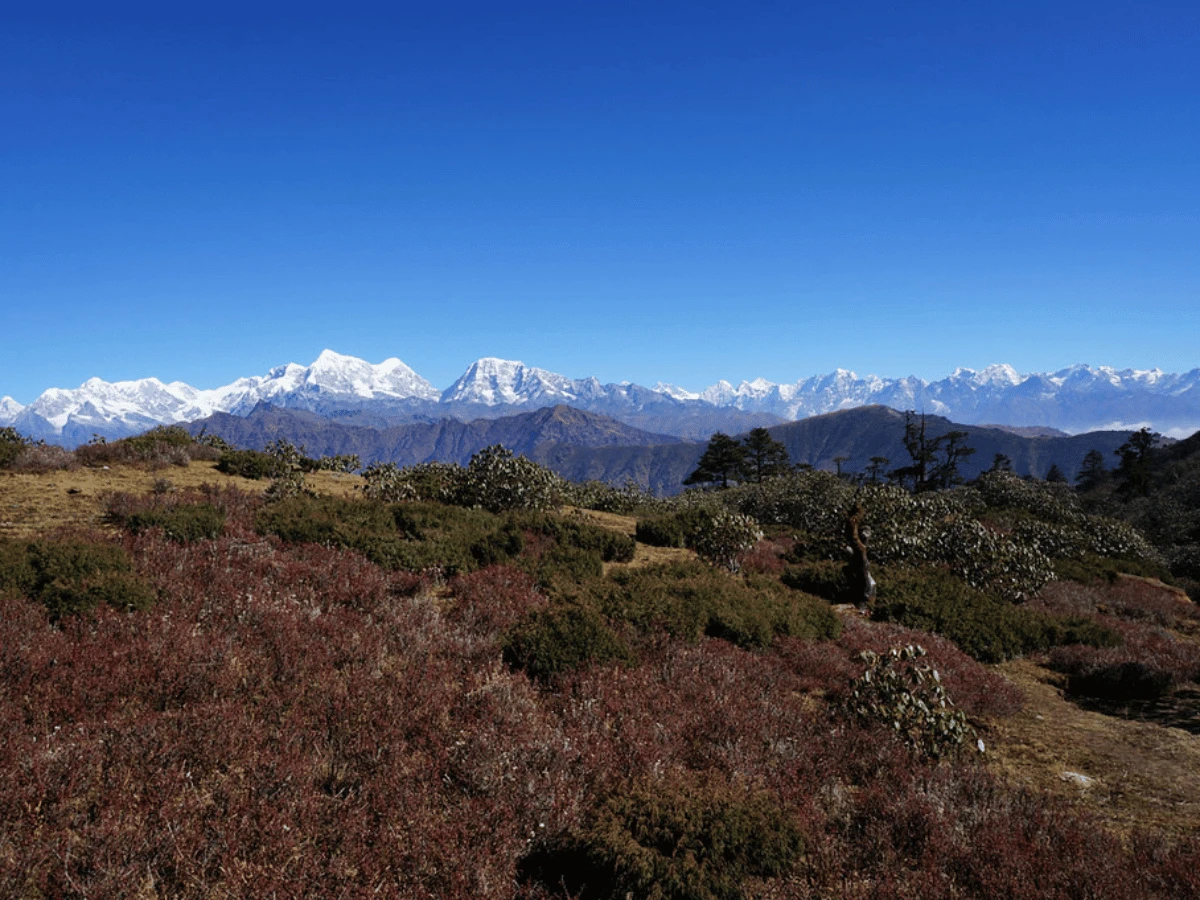
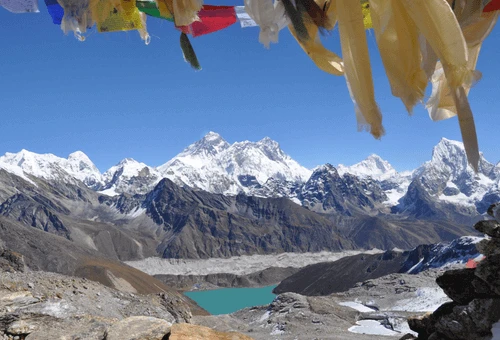
The Pikey Peak Trek is a 7-Day trek through Nepal’s Lower Solukhumbu region. It reaches Pikey Peak at 4,065 metres (13,337 feet). Pikey Peak and along the trek, it reveals sweeping Himalayan panoramas such as Mount Everest, Lhotse, Makalu, Kanchenjunga and Numbur Himal.

This trek is suitable for travellers who want to see Everest but do not have the time or do not want to follow the classic Everest Base Camp Trek route. There is no flight to Lukla, the trails are generally quieter, and all nights are spent below the summit elevation.

However, short Pikey Peak does not mean it's not challenging. You will walk for four to seven hours on consecutive days, climb to over 4,000 metres and begin the summit hike before sunrise. Hence, with good and reasonable fitness, you can do this trek with prior preparation.

Mountain Eco Trails has designed the 7 Day Pikey Peak Itinerary for those who want to see Everest without doing EBC. Feel free to contact us to book the Pikey Peak Trek today with us via email or WhatsApp us at +9779849790153.

What is the Pikey Peak Trek?

Pikey Peak Trek is a short trekking route in Nepal’s lower Everest region. It is known for panoramic Himalayan views, peaceful trails, Sherpa villages, and a sunrise viewpoint at around 4,065 meters. It is often chosen by travellers who want Everest views without doing the full Everest Base Camp trek

Highlights of the Pikey Peak Trek

  • Best short trek in Nepal to view Mount Everest
  • Only a 6–7-day trek from Kathmandu to see Everest
  • No Lukla flight required for Pikey Peak Trek
  • Lower Altitude Trek in Nepal to see Everest
  • Ideal for beginners and seasoned trekkers
  • Less crowded than Everest Base Camp

Why Choose Pikey Peak Trek?

The Pikey Peak route is not a shortened version of Everest Base Camp. It is a different journey that provides a different trekking experience.

Everest Base Camp is about reaching the foot of the world’s highest mountain and experiencing the high Khumbu. Pikey Peak is about seeing Mount Everest from a distance. Likewise, it is a walk through the quieter hills and Sherpa settlements of Lower Solukhumbu.

See Everest without trekking to Base Camp

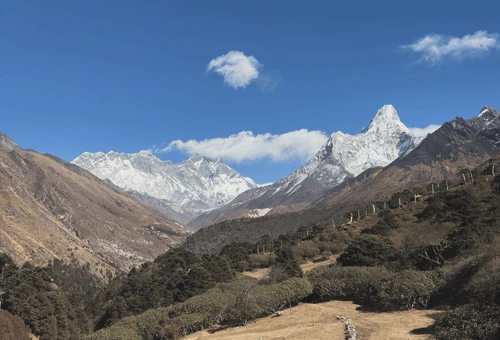
You do not need to reach Everest Base Camp to see Mount Everest. From Pikey Peak, Everest appears within a wide mountain panorama. The view depends on weather and visibility, but the summit’s open position makes it one of the most rewarding Everest viewpoints in Lower Solukhumbu.

Avoid the Lukla flight

The trek begins and ends by road. You travel from Kathmandu to Dhap and return from Phaplu, then drive back to Kathmandu. Hence, you will avoid the any kind of domestic flights, including Lukla.

However, the road section of the mountain can be off-road and rain-affected. Always have some buffer days in your itinerary.

Complete the experience in seven days

The itinerary runs from Kathmandu to Kathmandu in one week. This makes it suitable for travellers combining a short trek with sightseeing in Kathmandu, Pokhara, Chitwan or another part of Nepal.

Walk on quieter Lower Solukhumbu trails

Pikey Peak receives fewer trekkers than the main Everest Base Camp trail. You will still meet villagers, lodge owners, guides and other hikers, but the route generally feels quieter.

Experience more than a mountain viewpoint

You will experience more than the views of the Panoramic Himalayas. The route also passes through:

  • Sherpa settlements
  • Buddhist monasteries and prayer sites
  • Rhododendron and pine forests
  • Open grazing land
  • High ridgelines
  • Traditional farmland
  • The culturally important village of Junbesi

Can You See Everest from Pikey Peak?

Yes. Mount Everest can be seen from Pikey Peak when the weather is clear.

Pikey Peak provides a distant panoramic view of Mount Everest rather than close-up views. If you want to experience close mountain views just like from Kala Patthar then this trek is not for you.

Depending on cloud, haze and seasonal visibility, you will see the following peaks from the Pikey Peak Trek:

  • Mount Everest
  • Lhotse
  • Makalu
  • Kanchenjunga
  • Numbur Himal
  • Thamserku
  • Gaurishankar
  • Other peaks across the eastern and central Himalaya

An early-morning summit visit usually offers the best chance of clear visibility, but mountain views can never be guaranteed.

Who Is the Pikey Peak Trek For?

Pikey Peak Trek is for those people who want to see Mount Everest without hiking to EBC. Moreover, if you are a beginner and want to see a glimpse of the Himalayas, including the highest peaks in the world, then this trek is best for you. Let’s explore who is the Pikey Peak Trek for:

  • Travellers with approximately one week available
  • First-time Nepal trekkers with reasonable fitness
  • People who want to see Everest without reaching Base Camp
  • Travellers who prefer road access over flying to Lukla
  • Couples and private groups
  • Solo travellers looking for a private guided trek
  • Photographers interested in Himalayan sunrise
  • Mature travellers wanting a shorter Everest-region itinerary
  • Trekkers who prefer quieter trails and village experiences

Pikey Peak Trek 7-Day Itinerary

Mountain Eco Trails has designed the 7 Day Pikey Peak Trek itinerary from Kathmandu to Kathmandu. The Pikey Peak Trek itinerary begins with the drive from Kathmandu to Dhap and begins the trek until you arrive at Phaplu. The small village of Phaplu is the ending point of the Pikey Peak Trek itinerary.

Day

Route

Altitude

Duration

1

Drive from Kathmandu to Dhap

2,850m/9,350ft

8–9 hours

2

Trek from Dhap to Jhapre

2,820m/9,252ft

5–6 hours

3

Trek from Jhapre to Pikey Peak Base Camp

3,640m/11,942ft

5–6 hours

4

Sunrise hike to Pikey Peak and trek to Jasmane Bhanjyang

4,065m/13,337ft

6–7 hours

5

Trek from Jasmane Bhanjyang to Junbesi

2,700m/8,858ft

5–6 hours

6

Trek from Junbesi to Phaplu

2,413m/7,917ft

4–5 hours

7

Drive from Phaplu to Kathmandu

Approximately 1,400m/4,593ft

8–9 hours

Pikey Peak Trek Cost & Package for 2026,2027

The Pikey Peak Trek typically costs between $799 and $1200 USD, depending on duration, group size, and services included. Budget options are available, while private guided treks cost more. The cost includes transportation, a trekking guide, meals, accommodation, permits, & government taxes. For the Single Trekker, the Pikey Peak Trek cost starts from USD 799 per person, whereas in a group of more than 8 trekkers, the cost is reduced to USD 650 per person. 

Cost Breakdown Table

Cost Component

Estimated Price (USD)

Trekking Guide for Pikey Peak

$30–$35/day

Accommodation during the Trek

$5–$15/night

Meals (Breakfast, Lunch, Dinner) 

$25–$30/day

Transportation (Shared Jeep)

$30–$60

Permits for Pikey Peak Trek

$20–$50

Government Tax and Service ChargesIncluded 

Pikey Peak Trek Package Cost Range

$799–$1200

Need more information regarding the Pikey Peak Trek cost? Contact out Everest Region Trekking expert via email or WhatsApp us at +9779849790153.

 

Itinerary

Your Pikey Peak Trek from Kathmandu begins with an overland journey east towards Dhap. As the road leaves the Kathmandu Valley, the urban landscape gradually changes into river valleys, cultivated hillsides and small roadside settlements.

The exact journey time depends on traffic, weather and road conditions. Some sections can be winding and uneven, so travellers prone to motion sickness should prepare in advance. Rest and meal stops are made along the way.

Reaching Dhap by road is one of the defining features of this itinerary. It allows you to enter Lower Solukhumbu without relying on a flight to Lukla.

  • Max Altitude:2850 meters
  • Accommodation:Teahouse
  • Time:8-9 hours
  • Meals:Lunch & Dinner

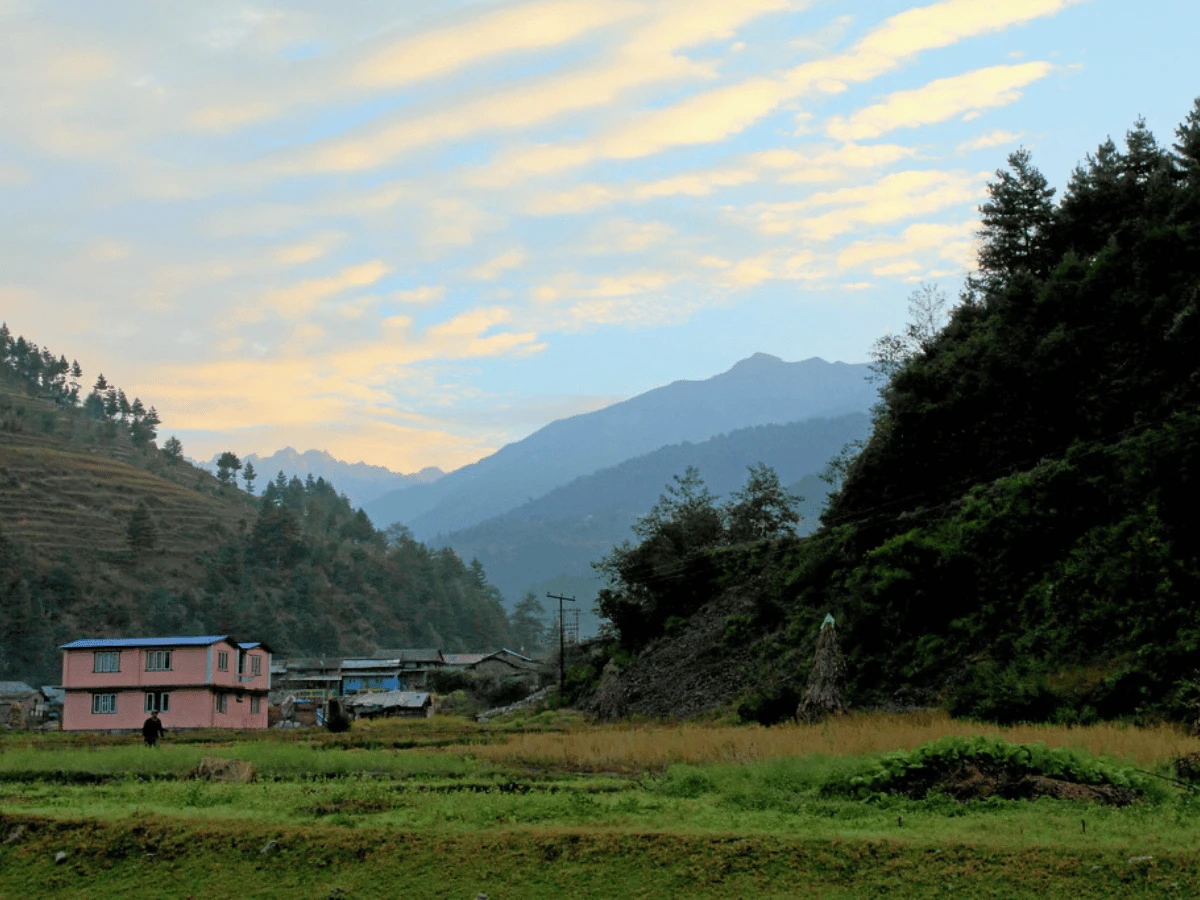
The first walking day follows a mixture of rural tracks, forest paths and gradual ridgelines. Although Dhap and Jhapre are at similar elevations, the route includes repeated ascents and descents rather than remaining level.

On a clear day, sections of the ridge may provide your first distant views of the Himalayan range. Jhapre is a small settlement with Buddhist cultural influences and a peaceful position above the surrounding valleys.

You will pass through small settlements, yak grazing areas, and sections of pine and rhododendron forest. Along the way, you may catch your first glimpse of Mount Everest and other surrounding peaks, depending on the weather. Overnight stay at Jhapre 

  • Max Altitude:2820 meters
  • Accommodation:Teahouse
  • Time:5-6 hours
  • Meals:Breakfast, Lunch, Dinner

Today’s trail continues through forested paths and open ridges as you gain altitude steadily. The environment begins to feel more alpine, with wider views and fewer settlements.

As you approach Pikey Peak Base Camp, the landscape opens up with panoramic mountain scenery and prayer flags fluttering along the trail. The peaceful atmosphere and lack of crowds make this section especially rewarding.

You will stay overnight at base camp, preparing for the early morning ascent to the summit.

  • Max Altitude:3640 meters
  • Accommodation:Teahouse
  • Time:5-6 Hours
  • Meals:Breakfast, Lunch, Dinner

You begin the day early, hiking up to Pikey Peak summit in the dark to reach the top before sunrise. This is the most memorable moment of the trek.

From the summit, you will witness a stunning panoramic view of the Himalayas, including Mount Everest, Makalu, Kanchenjunga, and several other peaks. As the sun rises, the mountains gradually light up, creating one of the most beautiful sunrise experiences in Nepal.

After spending time at the summit, you descend back and continue trekking towards Jasmane Bhanjyang through ridges and forest trails.

  • Max Altitude:4065 meters
  • Accommodation:Teahouse
  • Time:6-7 hours
  • Meals:Breakfast, Lunch, Dinner

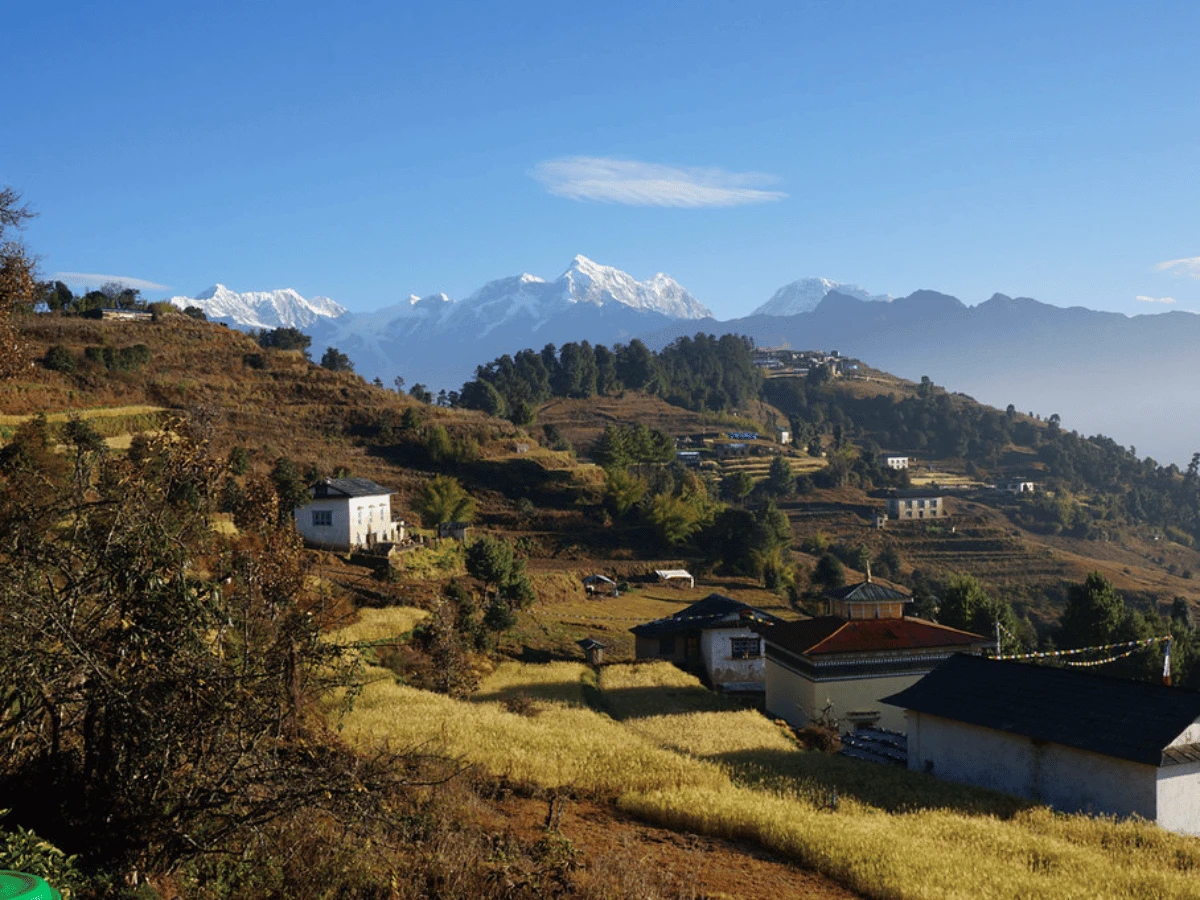
The trail today mostly descends through forests, farmland, and small villages. The walk is comfortable and offers a chance to enjoy the quieter side of the lower Everest region.

Junbesi is one of the most culturally rich villages on this route. It is known for its monasteries, traditional Sherpa lifestyle, and scenic setting surrounded by hills and farmland.

This is a good place to experience local hospitality and learn more about the culture of the region.

  • Max Altitude:2700 meters
  • Accommodation:Teahouse
  • Time:5-6 hours
  • Meals:Breakfast, Lunch, Dinner

This is a shorter and easier trekking day as you gradually descend towards Phaplu. The trail passes through cultivated land, forests, and small settlements.

Phaplu is a small town with basic facilities and an airstrip, often used as an alternative entry point to the Everest region. The relaxed walk allows your body to recover after the previous days of trekking.

  • Max Altitude:2431 meters
  • Accommodation:Teahouse
  • Time:4-5 hours
  • Meals:Breakfast, Lunch, Dinner

After breakfast, you begin your return journey to Kathmandu by jeep. The drive follows a similar route back through hills, rivers, and rural landscapes.

As you leave the mountains behind, the scenery slowly changes back to the bustling environment of Kathmandu. This marks the end of your Pikey Peak Trek experience.

    Got a question about this tour?

    Or looking for customize trip, reach out to our travel experts.

    Cost Includes
    • Kathmandu to Dhap to Kathmandu Sharing Jeep cost 
    • Required Permit Cards for the Trek 
    • Meals During the trek (Breakfast, Lunch, Dinner)
    • Accommodation during the trek on a sharing basis
    • Experienced Government-licensed Holder Trekking Guide 
    • Expenses of the trekking guide, including his salary, meals, accommodation, & insurance. 
    • Fresh Seasonal Fruits everyday during the trek, after dinner 
    • Rescue arrangement during the trek, if needed. 
    • Complimentary farewell dinner after the trek
    • Benefits like a complimentary duffel bag, Trekking Poles, SIM Card, etc. 
    • Trekker's Massage at the end of the trek 
    • Government & Local Taxes 


    Cost Excludes
    • Personal expenses during the trek, like a hot shower, wifi, extra meals, drinks, etc. 
    • Rescue evacuation cost 
    • Porter cost (if needed, USD 22 per day) 
    • Tips to guide and porter 
    • Extra Expenses if weather delays or early arrival from the trek 
    • Extra bank charges 3.5% if paid by the card
    Availability
    Select a Departure Month
    Start DateEnd DatePriceStatus 
    Start DateStarts: SundayOct 04, 2026End DateEnds: SaturdayOct 10, 2026PricePriceUS$799StatusStatusAvailable
    Start DateStarts: SundayOct 11, 2026End DateEnds: SaturdayOct 17, 2026PricePriceUS$799StatusStatusAvailable
    Start DateStarts: SundayOct 18, 2026End DateEnds: SaturdayOct 24, 2026PricePriceUS$799StatusStatusAvailable
    Start DateStarts: SundayOct 25, 2026End DateEnds: SaturdayOct 31, 2026PricePriceUS$799StatusStatusAvailable
    Good to Know

    How Difficult Is the Pikey Peak Trek?

    The Pikey Peak Trek difficulty is moderate. Although you do not need any mountaineering skills, it is still a multi-day Himalayan trek reaching 4,065 metres. Trekkers must be prepared to walk for 4-6 hours a day without any fatigue or tiredness. 

    The main challenges are:

    • Walking for four to seven hours on consecutive days
    • Climbing to a sleeping altitude of approximately 3,640 metres
    • A cold, pre-dawn summit ascent
    • Uneven and occasionally steep trails
    • Long descents that can strain the knees
    • Possible snow, mud, rain or strong wind
    • Two lengthy road journeys

    A beginner can complete the trek with preparation, sensible pacing and realistic expectations. “Beginner-friendly” should not be understood as effortless.

    How fit should I be to do the Pikey Peak Trek in 7 Days?

    Trekkers must be decently fit enough to tackle the few challanges such as:

    • Walk for five or six hours with rest breaks
    • Climb hills or stairs without excessive exhaustion
    • Carry a light daypack
    • Repeat physical activity over several days
    • Manage uneven ground and extended descents
    • Accept changing weather and basic lodge conditions

    Training Preparation to do the Pikey Peak Trek in Nepal

    Begin preparing four to eight weeks before departure. Focus on:

    • Regular brisk walking
    • Weekend hill walks
    • Stair climbing
    • Cardiovascular exercise
    • Leg and core strength
    • Walking with the footwear and daypack you will use in Nepal

    Consistency matters more than extreme workouts.

    Pikey Peak Altitude and Acclimatisation

    The summit reaches 4,065 metres, but you do not sleep at that elevation. The highest overnight stop is around Pikey Peak Base Camp at approximately 3,640 metres.

    This lower sleeping profile and shorter high-altitude exposure distinguish the trek from Everest Base Camp. Nevertheless, altitude symptoms can occur above 2,500 metres.

    Possible symptoms include:

    • Headache
    • Reduced appetite
    • Nausea
    • Dizziness
    • Unusual tiredness
    • Poor sleep

    Report symptoms to your guide rather than hiding them. Your guide will monitor your condition and may slow the pace, change the plan or arrange a descent when necessary.

    A lower maximum altitude does not mean zero risk. Travellers with existing medical conditions should consult a qualified medical professional before undertaking a high-altitude trek.

    Accommodation and Meals during the Pikey Peak Trek

    The Pikey Peak Trek uses locally operated teahouses. Rooms are normally simple and provided on a twin-sharing basis. Beds and blankets are generally available, but carrying a suitable sleeping bag is recommended, especially in colder months.

    Check out more on Accommodation in Everest Region Guide. 

    Facilities become more basic at higher overnight stops. Private bathrooms, reliable Wi-Fi, hot showers and charging cannot be expected at every lodge. Where available, these services may cost extra.

    Meals are ordered from teahouse menus. Common options may include:

    • Dal bhat
    • Rice and curry
    • Noodles
    • Soup
    • Potatoes
    • Momos
    • Pasta
    • Eggs
    • Porridge
    • Tibetan bread
    • Tea and hot drinks

    Vegetarian food is widely available. Travellers with allergies or specific dietary requirements should inform Mountain Eco Trails before departure.

    Road Transport: What to Expect from Kathmandu to Dhap

    This itinerary does not require a Lukla flight, but both the outbound and return journeys are long. However, you will drive from Kathmandu to Dhap in a sharing Jeep (if available) through the paved road in the first phase. However as the drive goes along, you will start to experience the Bumpy and Off-Road sections. 

    Mountain roads in Nepal can be winding, dusty and uneven. Travel time may increase because of traffic, rain, roadworks or local conditions. Shared jeeps may also involve scheduled stops and limited luggage space.

    Before booking, confirm:

    • Whether your transport is private or shared
    • Your Kathmandu pickup location
    • Approximate departure time
    • Luggage allowance
    • Expected rest and meal stops
    • Whether an upgrade to a private jeep is available

    Travellers prone to motion sickness may wish to discuss appropriate precautions with a medical professional.

    Best Time for the Pikey Peak Trek

    The best times fo the Pikey Peak Trek are spring from March to May and autumn from September to November. These periods generally offer the most favourable combination of trail conditions, operating teahouses and mountain visibility.

    Period

    Typical experience

    March–April

    Cool mornings, improving visibility and flowering rhododendrons

    May

    Warmer conditions with a growing chance of afternoon cloud

    September

    Green landscapes after the monsoon; some lingering rain is possible

    October–November

    Generally clear views, popular conditions and colder late-autumn nights

    December–February

    Fewer trekkers and cold weather; snow may affect the upper route

    June–August

    Rain, cloud, mud, leeches and possible road disruption

    Weather patterns vary from year to year. Even during the recognised trekking seasons, Everest may be hidden by cloud.

    Winter departures are possible in suitable conditions, but travellers need additional cold-weather preparation and flexibility. Mountain Eco Trails may adjust the route when snow or ice makes the summit approach unsuitable.

    Pikey Peak Trek vs Everest Base Camp

    Feature

    Pikey Peak Trek

    Everest Base Camp Trek

    Typical duration

    6–8 days

    12–14 days

    Maximum altitude

    4,065m

    5,364m at Base Camp; higher with Kala Patthar

    Everest perspective

    Distant, wide panorama

    Close high-Khumbu environment

    Lukla flight

    Not required on this itinerary

    Usually required

    Trail traffic

    Generally quieter

    Busier during peak seasons

    Difficulty

    Moderate

    Moderate to challenging

    Main purpose

    Everest panorama and Lower Solukhumbu culture

    Reaching Everest Base Camp

    Best for

    Time-limited travellers

    Travellers wanting the full EBC journey

    Book Your Pikey Peak Trek

    If seeing Mount Everest is important to you, but trekking to Base Camp is not, the Pikey Peak route offers a thoughtful alternative.

    In seven days, you can walk through the quieter landscapes of Lower Solukhumbu, stay in local teahouses, experience Sherpa settlements and climb to a sunrise viewpoint above 4,000 metres. You do not need to fly to Lukla, and the itinerary can be adapted around your pace and travel dates.

    Contact Mountain Eco Trails for an exact price and private itinerary proposal.

    No payment is required to enquire. Please confirm current pricing, availability, road arrangements and package conditions before booking.

    More Important Information: 

    FAQs
    • The standard days for the Pikey Peak Trek from Kathmandu to Kathmandu is 7 Days. It includes five walking days, a drive from Kathmandu to Dhap and a return drive from Phaplu. Five- or six-day versions may be possible, but they involve longer days and less flexibility.

    • Yes, you can see Mount Everest from Pikey Peak when the visibility is clear and excellent. The view is distant but broad, placing Everest within a panorama that may also include Lhotse, Makalu, Kanchenjunga and other Himalayan peaks.

    • The highest point is Pikey Peak at approximately 4,065 metres or 13,337 feet. The highest overnight stop is lower, at Pikey Peak Base Camp, at approximately 3,640 metres.

    • Yes, Pikey Peak Trek is suitable for beginners who have prepared and can walk for five to seven hours over uneven terrain.

    • No, Pikey Peak Trek does not require a Lukla Flight. The Pikey Peak Trek itinerary travels by road from Kathmandu to Dhap and returns by road from Phaplu. Travellers should still remain flexible because mountain road conditions can affect journey times.

    • The hike to Pikey Peak is a challenging part of the trek. It begins before sunrise and involves walking in cold, dark and possibly windy conditions before a prolonged descent. Warm layers, a headlamp, suitable footwear and controlled pacing are important.

    • Yes, Pikey Peak Trek can be done even in winter. It may be possible in winter when trail and weather conditions are suitable. Expect colder mornings, possible snow and fewer available services. The summit plan may need to change if snow, ice or strong wind creates unsafe conditions.

    • It depends on your goal. Pikey Peak is a better fit for a shorter, quieter and road-accessed Everest-view trek. Everest Base Camp is the better choice if you want to reach Base Camp and experience the high Khumbu.

    SimilarTrips
    You may also like
    Did not find what you are looking for? No worries!

    Let us help you plan your perfect holiday.