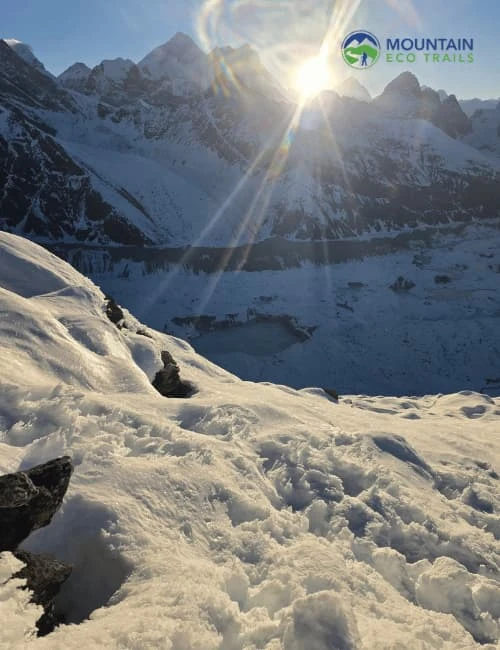
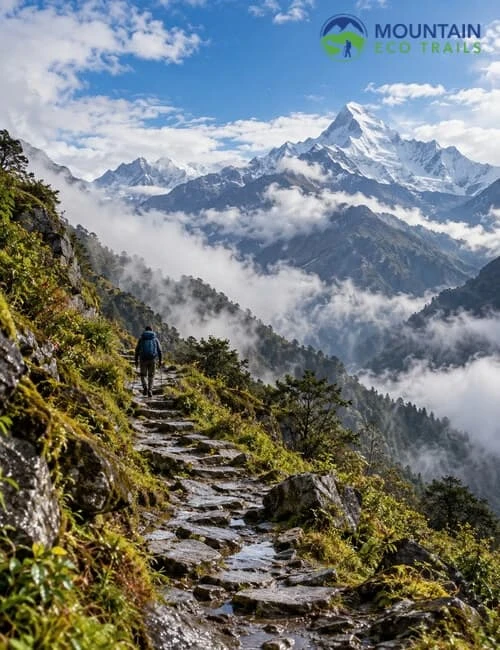
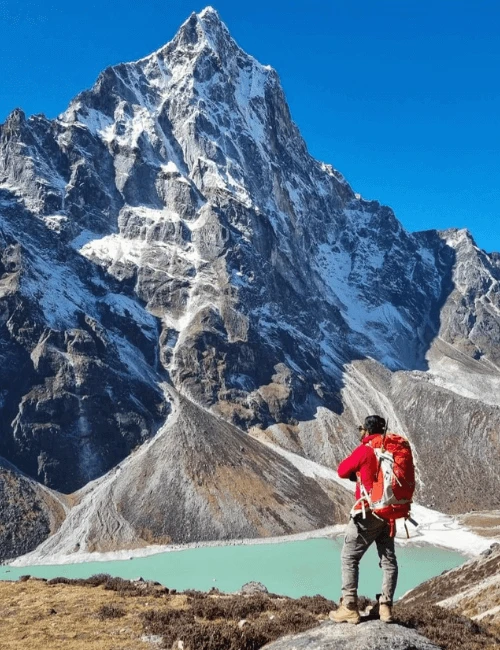
The Langtang Valley Trek difficulty is considered moderate, making it one of the best Himalayan treks for beginners and first-time trekkers with preparation. This scenic route offers gradual altitude gain, well-marked trails, and manageable daily walking hours of five to seven hours. Unlike more crowded treks, Langtang provides a quieter experience while still reaching high alpine viewpoints such as Kyanjin Ri and Tserko Ri. With basic fitness, proper acclimatisation, and the right season, trekkers can enjoy stunning mountain landscapes without technical climbing or extreme challenges.
How Difficult Is the Langtang Valley Trek in Nepal?
Langtang Valley Trek Difficulty – How Hard Is It?
The Langtang Valley Trek difficulty often comes up when trekkers look for a Himalayan adventure that feels authentic but not overwhelming. This trek is ideal for hikers who want high-mountain scenery, cultural depth, and manageable walking days without extreme altitude pressure. Difficulty here doesn’t mean technical climbing or risky terrain—it means understanding altitude, daily hiking hours, and basic fitness. Compared to busier routes, the Langtang Valley Trek stands out as a moderate Himalayan trek that rewards preparation with comfort, safety, and unforgettable landscapes.
How Difficult Is the Langtang Valley Trek?
The overall Langtang Valley Trek difficulty is best described as moderate. Most days involve steady uphill and downhill walking rather than steep, punishing climbs. Trekkers walk at a relaxed pace, with enough breaks to enjoy views, villages, and teahouses along the trail.
With basic preparation, this trek is suitable even for first-time Himalayan trekkers. The altitude increases gradually, giving the body time to adapt. Daily walking hours usually range between five and seven hours, which feels achievable rather than exhausting for most people.
Trail conditions also play a big role. The paths are well-defined, frequently used by locals, and supported by teahouses. Unlike technical or expedition-style treks, Langtang focuses on endurance and rhythm, not climbing skills or specialised gear.
Note: Remember theLangtang Valley Short Trek 5 Daysis more difficult than the regular Langtang Valley Trek 8 days.
Key Factors That Affect Langtang Valley Trek Difficulty
Altitude and Acclimatisation
Altitude is the most important factor shaping the Langtang Valley Trek difficulty. The trek reaches high alpine terrain, with optional hikes to Kyanjin Ri and Tserko Ri, which are the highest viewpoints on the route. These hikes are challenging but optional and done as acclimatisation day activities.
The itinerary follows a gradual ascent profile. This slow gain in elevation significantly reduces the risk of altitude sickness. Built-in rest and acclimatisation days help trekkers adapt naturally, making the trek safer and more comfortable.
Daily Trek Duration and Distance
Most trekking days last 5–7 hours, depending on the route and walking pace. Distances are moderate, and breaks are frequent. Trails are well marked, and teahouses are available at regular intervals, so trekkers are never far from food or shelter.
This structure makes the trek predictable and manageable. You don’t need marathon-level endurance—just consistent daily energy and a steady walking rhythm.
Terrain and Trail Conditions
The Langtang trail passes through forests, riverside paths, suspension bridges, and rocky alpine sections. While some parts are uneven, there is no technical climbing, scrambling, or glacier travel involved.
The terrain keeps the trek interesting without becoming intimidating. For most trekkers, the challenge lies in stamina rather than skill.
Is Langtang Valley Trek Suitable for Beginners?
Yes—with preparation, the Langtang Valley Trek difficulty is very suitable for beginners. This route is often recommended as an ideal first Himalayan trek because it balances altitude, scenery, and comfort.
Many beginners choose Langtang as an alternative to Everest Base Camp. It offers similar mountain views but with fewer crowds, lower logistical pressure, and a more relaxed pace. The quieter trails allow new trekkers to focus on walking, breathing, and acclimatising without feeling rushed.
This combination is why “Langtang Valley Trek difficulty for beginners” is such a popular search query—and why the answer is reassuringly positive.
Physical Fitness Required to Combat the Langtang Valley Trek Difficulty
You don’t need to be an athlete, but a basic fitness foundation helps. Good cardiovascular endurance allows you to walk comfortably for several hours each day. Strong legs and balance help on uneven trails and downhill sections.
Desk workers and first-time hikers should train a little more deliberately. Even light preparation dramatically improves comfort and confidence on the trail, reducing fatigue and injury risk.
How to Prepare for the Langtang Valley Trek Difficulty
Recommended Training Plan (6–8 Weeks)
A simple, consistent routine works best. Regular walking, stair climbing, and light hiking build endurance naturally. Weekend hikes with a small backpack help your body adapt to carrying weight.
You don’t need a gym-heavy plan. The goal is to build a habit, not intensity.
Managing Altitude Sickness
Proper altitude management makes the Langtang Valley Trek difficulty far more manageable. Stay hydrated, walk slowly, and respect acclimatisation days. Listening to your body matters more than pushing speed.
Guided itineraries are especially helpful here, as pacing and rest days are planned with altitude safety in mind.
Need more preparation guidance for the Langtang Valley Trek? Feel free to conatct us via email or WhatsApp us at +9779849790153.
Best Time to Do the Langtang Valley Trek for Easier Conditions
Spring (March–May) and Autumn (September–November) offer the easiest trekking conditions. The weather is stable, trails are dry, and visibility is excellent.
Spring brings blooming rhododendrons, while autumn delivers crisp air and clear mountain views. Both seasons reduce environmental challenges, making the trek feel smoother and less demanding.
Langtang Valley Trek Difficulty Compared to Other Treks
| Trek | Difficulty | Crowds | Altitude |
|---|---|---|---|
| Langtang Valley | Moderate | Low | 5,000 m |
| Everest Base Camp | Moderate–Hard | High | 5,364 m |
| Annapurna Base Camp | Moderate | Medium | 4,130 m |
This comparison shows why many trekkers choose Langtang. It sits in the sweet spot—high enough to feel Himalayan, but not as crowded or demanding as Everest.
Common Challenges on the Langtang Valley Trek
The main challenges include adapting to altitude, cold mornings at higher villages, and limited facilities as you gain elevation. Electricity, hot showers, and Wi-Fi can be inconsistent.
However, these challenges are part of the experience rather than obstacles. With the right expectations, they rarely feel overwhelming.
FAQs
Is the Langtang Valley Trek hard for beginners?
No. With preparation and a sensible itinerary, beginners handle the Langtang Valley Trek difficulty very well.
What is the hardest day of the Langtang Valley Trek?
Optional hikes to Kyanjin Ri or Tserko Ri are the most physically demanding but not mandatory.
Do I need technical skills for the Langtang Trek?
No technical climbing or mountaineering skills are required.
How high is the Langtang Valley Trek?
The trek reaches around 3,870 m at Kyanjin Gompa, with optional viewpoints near 5,000 m.
Is Langtang harder than Annapurna Base Camp?
Langtang involves a slightly higher altitude but fewer crowds. Overall difficulty is similar.
Can I do the Langtang Valley Trek without prior trekking experience?
Yes, many first-time trekkers complete it with basic fitness and preparation.
Is there a possibility of getting altitude sickness on the Langtang Valley Trek?
Yes, there is the possibility of getting altitude sickness during the Langtang Trek if you do not follow the proper guidance. However, to prevent altitude sickness, you must drink plenty of water, walk slowly, eat nutritious meals, avoid climbing to high altitudes, and ask for rescue even if the situation gets worse.
When is the best time to trek Langtang Valley to avoid Difficulty?
The best months to do the Langtang Valley Trek are March-May and September-November.
How do I prepare for the Langtang Valley Trek Difficulty?
You can do Langtang Valley Trekking preparation by doing some physical exercises or hiking twice a week at a high altitude.
How long is the Hike to Langtang Valley?
Hike to Langtang Village depending on your Itinerary and time. Generally, the Langtang Trek is a 5-8 Days of journey.
Do Nepalese Citizens need a permit for the Langtang Trek?
Yes, Nepalese travellers who want to discover Langtang also need a permit card to enter the Langtang National Park.
Final words on Langtang Valley Trek Difficulty
The Langtang Valley Trek difficulty is manageable, rewarding, and well-suited to trekkers who prepare properly. With moderate daily walking hours, gradual altitude gain, and supportive infrastructure, it stands out as one of Nepal’s best moderate Himalayan treks. For beginners and experienced hikers alike, Langtang offers the perfect balance between challenge, comfort, and raw mountain beauty.
If you want to know more about this trek, Mountain Eco Trails is here to assist you. You can send an email or contact us through WhatsApp at +9779849790153.
Get more info regarding the Langtang Valley Trek:

Anil Lamsal
Call us on WhatsApp+977 9849790153OrChat with us