

Kailash Mansarovar Yatra by Overland from Nepal

Plan your Kailash Mansarovar Yatra 2026 from India with a clear guide to route options, package cost, booking steps, itinerary, permits, fitness, accommodation, meals and Parikrama. This landing page explains the Nepal overland route via Kathmandu and Kerung, compares package types, and helps Indian pilgrims choose a safe, practical and spiritually meaningful journey to Mount Kailash and Lake Mansarovar.

  • DestinationNepal
  • Duration15 Days
  • Difficulty Level Challenging
  • Max. Altitude5630 meters
  • Starts/EndsKathmandu/Kathmandu
  • Trip StyleTour & Trekking
  • Group SizeMin 4 Pax.
  • Best SeasonMay to September

Kailash Mansarovar Yatra is a sacred high-altitude pilgrimage to Mount Kailash and Lake Mansarovar in Tibet. For Indian pilgrims, the most flexible option is the Kailash Mansarovar Yatra via Nepal by road, starting from Kathmandu and crossing into Tibet through the Kerung border. A typical package includes hotel stays, Tibet permits, transport, vegetarian meals, guide support, and the Kailash Parikrama. The journey is spiritually powerful but physically demanding, so early booking, medical fitness, and correct documentation are essential for 2026.

Introduction: Why Kailash Mansarovar Yatra Needs Careful Planning

For many Indian pilgrims, the Kailash Mansarovar Yatra is not just a tour. It is a once-in-a-lifetime call to visit Mount Kailash, the sacred abode of Lord Shiva, and Lake Mansarovar, one of the holiest lakes in Asia.

But planning the Yatra is not simple. The route passes through Nepal and Tibet, involves high altitude, border permits, changing road conditions, group visa rules, limited departure dates, and strict health requirements.

This Kailash Tour Package is designed for Indian pilgrims and cultural travellers who want a clear, practical, and trustworthy guide before booking. You will find the route options, the 2026 package structure, the estimated cost, the itinerary, the inclusions, the documents, the fitness tips, and the booking steps in one place.

If you are planning the Kailash Mansarovar Yatra from India, this guide will help you choose the right package with confidence.

What Is the Kailash Mansarovar Yatra?

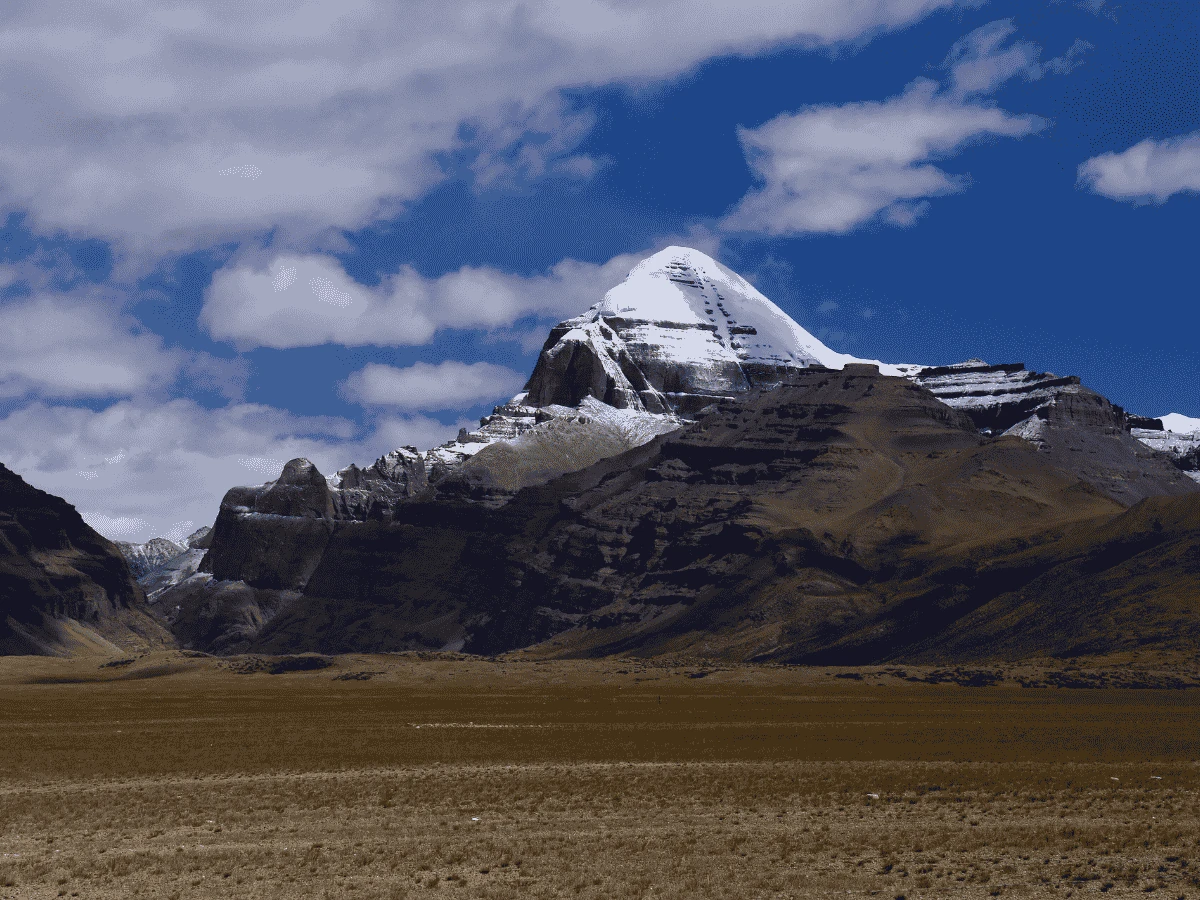
Mount Kailash and Lake Mansarovar sit in the remote Ngari prefecture of western Tibet, near the source of four major Asian rivers — the Brahmaputra, Indus, Sutlej, and Karnali. Hindus regard Kailash as the eternal seat of Lord Shiva, Buddhists associate it with Demchok, Jains revere it as the site where Rishabhadeva attained liberation, and Bon followers consider it the soul of Tibet.

The pilgrimage has two core elements:

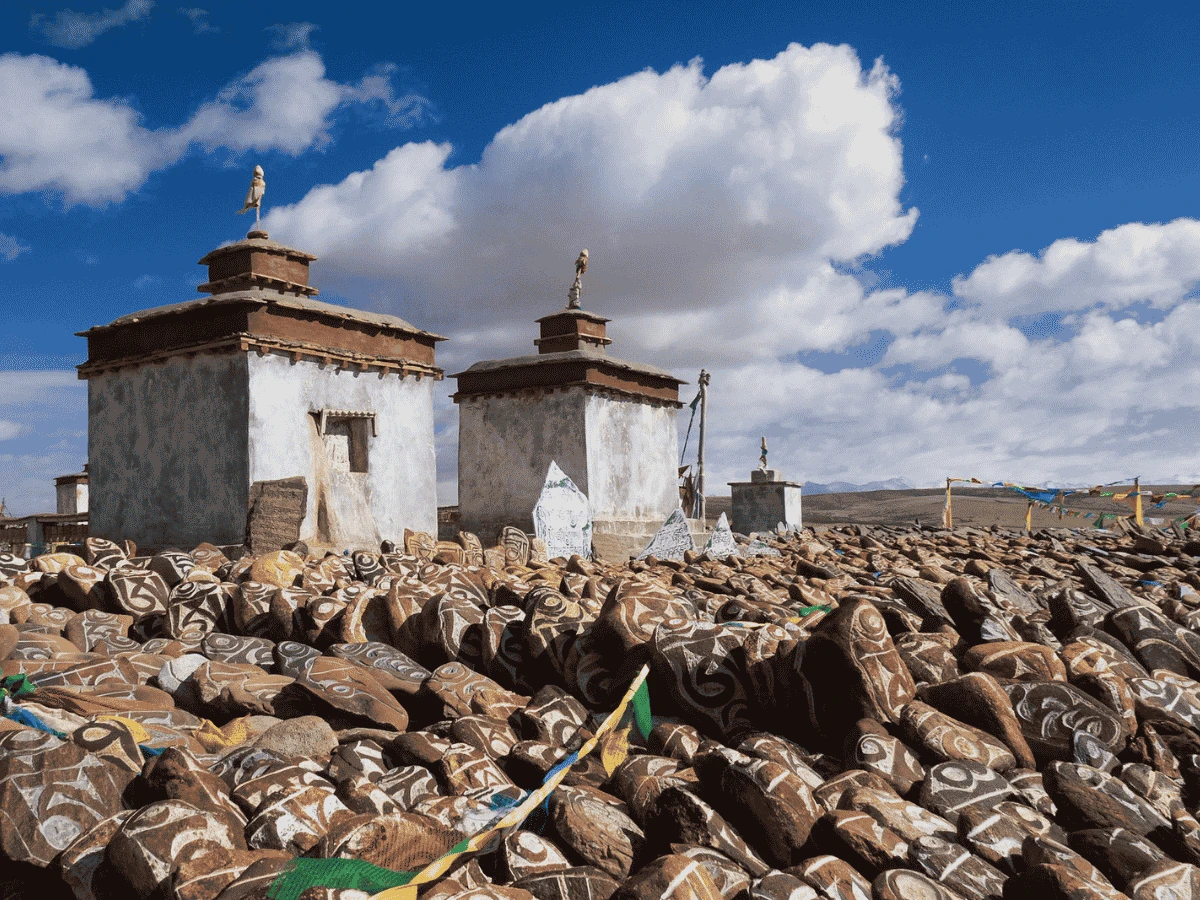
  • Lake Mansarovar darshan and ritual bath — pilgrims perform puja, take a holy dip, and collect water believed to purify karma.
  • Kailash Parikrama (Kora) — a 52-km circumambulation of the mountain on foot, crossing the Dolma La Pass (5,630m), the highest point of the route.

Hindu tradition holds that one parikrama cleanses the sins of a lifetime, while Buddhist pilgrims aim for 108 circuits over a lifetime to attain enlightenment.

2026 significance: According to Tibetan astrology, 2026 is the Year of the Horse, a cycle that occurs once every 12 years. Many practitioners consider this an especially powerful year to undertake the Kora, which is part of why booking is strongly recommended this season.

Mount Kailash itself is never climbed — it's considered too sacred to summit, and no recorded ascent has ever been permitted. The spiritual practice is entirely about circling it on foot, not standing on top of it. This single fact surprises many first-time pilgrims and is worth understanding before you book, since it shapes the entire structure of the itinerary around the Kora rather than a climb.

What Is the Best Kailash Mansarovar Yatra Package from India?

The best Kailash Mansarovar Yatra package from India is the Nepal overland route via Kathmandu, and Kerung is the most practical private package because it offers flexible departure dates, guided support, road access, and a complete pilgrimage experience, includingLake Mansarovar and Mount Kailash Parikrama.

Why So Many Pilgrims Are Choosing the Nepal Route in 2026

Every year, thousands of Indian devotees dream of standing before Mount Kailash, believed to be the abode of Lord Shiva, and bathing in the pristine waters of Lake Mansarovar. But planning the journey can feel overwhelming. Should you apply through the Indian government's lottery and risk not being selected? Or is there a more certain way to get there?

This guide answers exactly that. We cover every official and private route, real 2026 costs, the booking and permit process, a day-by-day itinerary, and the package options available from Delhi, Mumbai, and other Indian cities — so you can plan your Kailash Mansarovar Yatra with confidence and book the journey that fits your time, budget, and fitness level.

Kailash Mansarover Route Options

Route

Starting Point

Duration

Selection

Best For

Lipulekh Pass (MEA)

Delhi → Uttarakhand

22 days

Lottery via kmy.gov.in

Fit trekkers, govt-route seekers

Nathu La Pass (MEA)

Delhi → Gangtok

25 days

Lottery via kmy.gov.in

Pilgrims over 55, less trekking

Nepal via Kerung (Private)

Kathmandu

14–16 days

Fixed departure, no lottery

Most Indian pilgrims, guaranteed dates

Nepal Helicopter (Private)

Kathmandu → Simikot → Hilsa

9–12 days

Fixed departure, no lottery

Seniors, limited-leave travellers

Kailash Mansarovar Yatra via Nepal (By Road)

The Nepal route enters Tibet at the Kerung (also spelt Kyirong or Gyirong) border crossing near Rasuwagadhi, roughly seven hours by road from Kathmandu. It's the route this guide focuses on, since it's the most accessible, best-supported, and most frequently chosen option for Indian pilgrims in 2026.

Why pilgrims choose the Kerung route:

  • No lottery — your seat is confirmed on booking
  • Mostly motorable, with only the 52-km Kora done on foot
  • Gradual altitude gain through Syabrubesi, Kerung, and Saga reduces AMS risk
  • Kathmandu offers easy flight connections from major Indian cities
  • Built-in cultural stops at Pashupatinath and Boudhanath before departure

The route runs: Kathmandu → Syabrubesi → Rasuwagadhi border → Kerung → Saga → Lake Mansarovar → Darchen → Kailash Parikrama → return via the same route to Kathmandu.

Kailash Mansarovar Yatra Cost 2026

The Kailash Mansarovar Yatra cost in 2026 ranges from 2399 USD to 3599 USD, which is equivalent to ₹2.50 lakh to ₹3.75 lakh. Also, it depends on the route, group size, transport style, accommodation level, permit fees, visa process, and whether the journey is done by road or helicopter-assisted routing.

For Indian pilgrims choosing the Nepal overland route, Mountain Eco Trails offers packages priced from ₹1.75 lakh to ₹2.75 lakh or more per person, depending on service quality and inclusions. Helicopter-assisted options are usually higher.

Estimated Kailash Mansarovar Yatra Price 2026

Package Option

Estimated Price Range

Best For

Nepal overland group package

USD 2399-3599

₹2.50 lakh – ₹3.75 lakh per person

Budget and standard pilgrims

Nepal private road package

USD 2699-3699

₹3.2 lakh – ₹4.50 lakh+ per person

Families and private groups

Helicopter-assisted package

USD 3699-5699

₹4.25 lakh – ₹5.50 lakh+ per person

Time-limited travelers

Government route via India

Varies by official route and year

Pilgrims selected through the official process

Premium private package

USD 5599 +

₹5.00 lakh+ per person

Comfort-focused travelers

Do you know, you can also add a Tibet Tour to this Kailash Mansarovar Yatra by extending the trip?
Itinerary

Arrive in Kathmandu, Nepal. Our team receives you at the airport and transfers you to the hotel. In the evening, attend a short briefing about the Kailash Mansarovar Yatra, route, health, packing, documents, and safety.

  • Max Altitude:1400 meters
  • Accommodation:3-star Hotel

Today is used for final preparation. You can visit Pashupatinath Temple for blessings before the Yatra. The team checks your passport, permits, clothing, medicine, and travel essentials.

  • Max Altitude:1400 meters
  • Accommodation:3-Star Hotel
  • Meals:Breakfasr

Begin the overland journey from Kathmandu toward the Nepal–Tibet border region. The drive passes hills, rivers, rural settlements, and mountain roads.

  • Max Altitude:2200-2500meters
  • Accommodation:Local Lodge/Teahouse
  • Time:8-9 Hours
  • Meals:Breakfast, Lunch, Dinner

After immigration and border formalities, enter Tibet and drive to Kerung town. This day is important because you start gaining altitude.

  • Max Altitude:2900 meters
  • Accommodation:Local Lodge
  • Time:6-7 Hours
  • Meals:Breakfast, Lunch, Dinner

Spend one extra day in Kerung for acclimatisation. Light walking, hydration, and rest are recommended. This day helps your body adjust before travelling deeper into Tibet.

  • Max Altitude:2900 meters
  • Accommodation:Local Lodge
  • Meals:Breakfast, Lunch, Dinner

Drive across the high Tibetan plateau toward Saga. The landscape becomes wider, drier, and more remote. You may start feeling the altitude, so move slowly and drink enough water.

  • Max Altitude:4400 meters
  • Accommodation:Local Lodge
  • Time:6-7 Hours
  • Meals:Breakfast, Lunch, Dinner

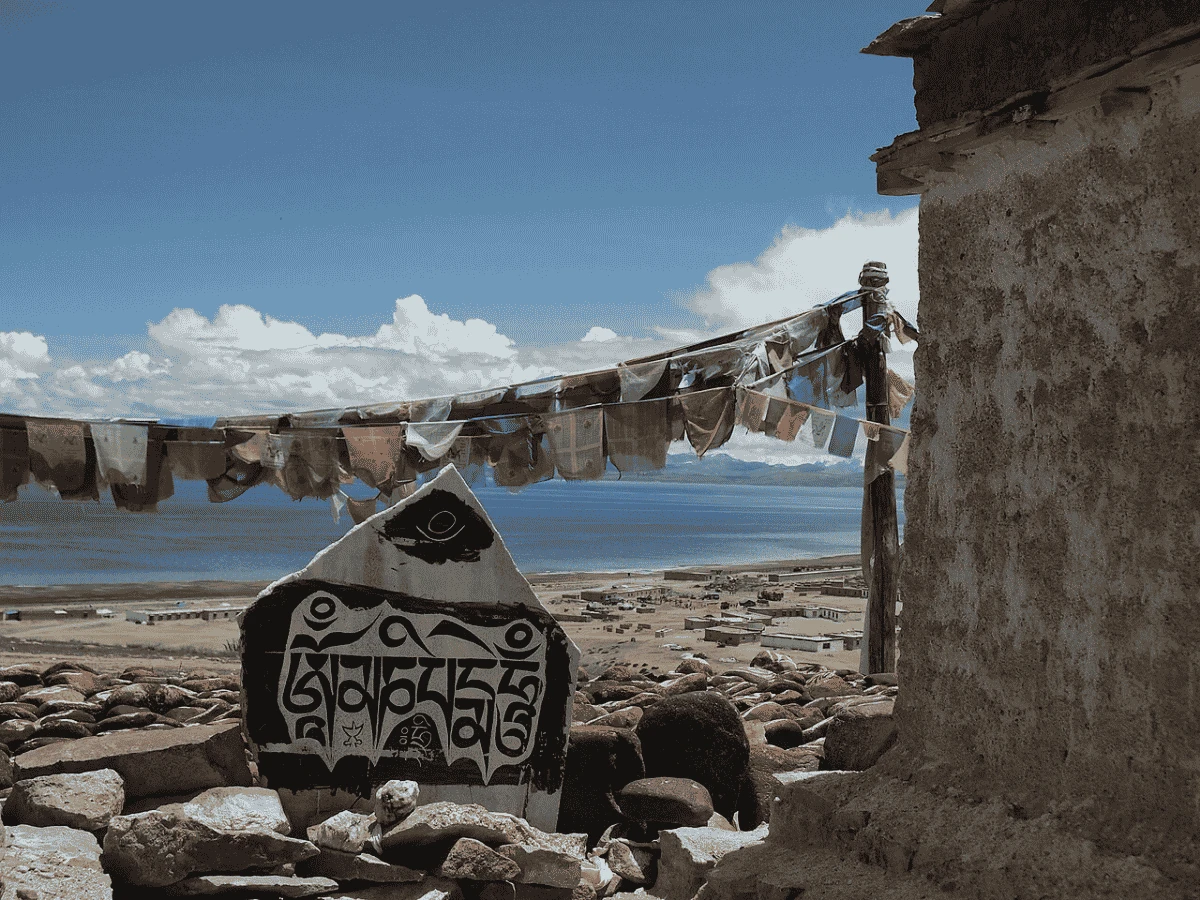
This is one of the most emotional days of the Yatra. Drive toward Lake Mansarovar and, weather permitting, receive the first view of Mount Kailash. Pilgrims often perform prayers near the lake.

  • Max Altitude:4590 meters
  • Accommodation:Local Lodge
  • Time:5-6 Hours
  • Meals:Breakfast, Lunch, Dinner

Spend the morning near Lake Mansarovar for puja, meditation, and holy rituals. Later, drive to Darchen, the base town for Mount Kailash Parikrama.

  • Max Altitude:4670 meters
  • Accommodation:Local Lodge
  • Time:6-7 Hours
  • Meals:Breakfast, Lunch, Dinner

Drive to Yam Dwar, the starting point of the Parikrama. Begin the trek toward Dirapuk. This is one of the most powerful sections because the north face of Mount Kailash is visible on a clear day.

  • Max Altitude:5080 meters
  • Accommodation:Local Lodge
  • Time:6-7 Hours
  • Meals:Breakfast, Lunch, Dinner

This is the hardest day of the Kailash Parikrama. The trail crosses Dolma La Pass, the highest point of the journey. Walk slowly, follow guide instructions, and avoid overexertion.

  • Max Altitude:5630 meters
  • Accommodation:LocalLodge
  • Time:6-7 Hours
  • Meals:Breakfast, Lunch, Dinner

Complete the final section of the Parikrama and return to the vehicle point. Drive back toward Saga for overnight rest.

  • Max Altitude:4400 meters
  • Accommodation:Local Lodge
  • Time:7-8 Hours
  • Meals:Breakfast, Lunch, Dinner

Drive back toward Kerung. The return journey feels easier as you gradually lose altitude.

  • Max Altitude:2900 meters
  • Accommodation:Local Lodge
  • Time:6-7 Hours
  • Meals:Breakfast, Lunch, Dinner

Complete immigration formalities and return to Nepal. Drive back to Kathmandu and transfer to your hotel.

  • Max Altitude:1400 meters
  • Accommodation:3-Star Hotel
  • Time:6-7 hours
  • Meals:Breakfast, Lunch Dinner

    Transfer to the airport for your flight back to India, or extend your stay in Nepal.

      Cost Includes
      • Hotel/Guest House Accommodation as per program
      • Private Transportation by Van / Mini coach as per the group size
      • All necessary Tibet Travel and trekking permits
      • English-speaking Tibetan Guide
      • China/Tibet Visa fee and assistance service
      • All Sightseeing and entrance fees as per the itinerary.
      • Meal plan on Full board as per the above plan in the Tibet part
      • Kathmandu to the border to Kathmandu transportation
      • Yak and Yakman, while on Kora, will carry your baggage
      •  All Govt and Local Taxes and service charges.
      • Full catering with Nepali Staff from Kathmandu
      • Duffel Bags and Hand Bags for Kora
      • First aid box with an oxygen cylinder while on tour for emergency backup 
      • Farewell Dinner with Team official after end of the trip
      Cost Excludes
      • Lunch and Dinner (Nepal part)
      • Insurance of any kind.
      • Hiring a personal porter/horse for 3 days, Kailash kora
      • Cost of emergency evacuation in case of need. Any Additional cost due to Nature calamity and Unforeseen Circumstances, etc.
      • Cost of Nepal visa (visa on arrival – and visa cost is USD 30 for 15 days multiple and 50 per person for a month multiple)
      Availability
      Select a Departure Month
      Start DateEnd DatePriceStatus 
      Start DateStarts: SaturdayJul 11, 2026End DateEnds: SaturdayJul 25, 2026PricePriceUS$2399StatusStatusAvailable
      Start DateStarts: SaturdayJul 25, 2026End DateEnds: SaturdayAug 08, 2026PricePriceUS$2399StatusStatusAvailable
      Good to Know

      Best Time for Kailash Mansarovar Yatra 2026

      The best time for the Kailash Mansarovar Yatra is generally from May to September, when the weather is relatively stable, and the road route is more accessible.

      Month

      Travel Condition

      Notes

      May

      Early season

      Cold but possible if the route is open

      June

      Good season

      Popular for group departures

      July

      Monsoon in Nepal, dry in Tibet

      Road conditions in Nepal may vary

      August

      Good for Yatra

      Popular month for pilgrims

      September

      Clearer skies

      Good mountain views, colder nights

      October

      Late season

      Possible in some years, but colder and less predictable

      The Tibetan side is dry, windy, and high-altitude. The Nepal side can be affected by monsoon rain during July and August. Always keep one or two buffer days if possible.

      Difficulty Level and Health Preparation for Kailash Yatra

      Kailash Mansarovar Yatra is not a technical trek, but it is physically demanding because of altitude, cold weather, basic accommodation, long drives, and the Dolma La Pass crossing during Parikrama.

      How Difficult Is Kailash Mansarovar Yatra?

      The Yatra is moderate to challenging. The hardest section is the Mount Kailash Parikrama, especially the trek from Dirapuk to Zuthulpuk via Dolma La Pass. Pilgrims should be prepared for high altitude above 4,500 meters and a pass crossing above 5,600 meters.

      Who Can Do the Yatra?

      You may be suitable for the Yatra if you:

      • Can walk slowly for several hours
      • Have no serious uncontrolled medical condition
      • Can tolerate basic guesthouse accommodation
      • Are mentally prepared for delays and discomfort
      • Can follow the guide instructions at high altitude
      • Have completed a basic fitness routine before departure

      Health Tips Before the Kailash Mansarovar Yatra

      Start preparing at least 8 to 12 weeks before departure.

      Recommended preparation:

      • Walk 4–6 km daily
      • Practice stair climbing
      • Do light strength training
      • Improve breathing endurance
      • Consult your doctor
      • Check blood pressure, heart health and oxygen-related risks
      • Avoid rushing at altitude
      • Stay hydrated during the tour

      Never hide a medical condition from your operator or guide. Safety is more important than completing the Parikrama.

      What Is Mount Kailash Parikrama?

      Mount Kailash Parikrama is the sacred circumambulation around Mount Kailash. It is usually completed in three days, starting from Yam Dwar and passing through Dirapuk, Dolma La Pass and Zuthulpuk before returning toward Darchen.

      For many pilgrims, the Parikrama is the heart of the Kailash Mansarovar Yatra. However, it should only be attempted if health, weather, and guide advice allow it.

      Parikrama Options

      Option

      Best For

      Notes

      Full walking Parikrama

      Fit pilgrims

      Most spiritual and physically demanding

      Horse support

      Pilgrims needing support

      Subject to availability and extra cost

      Porter support

      Pilgrims with personal luggage

      Extra cost

      No Parikrama / stay at Darchen

      Pilgrims with health concerns

      Safer for those affected by altitude

      Completing the Parikrama is meaningful, but turning back for health reasons is also wise. The mountain does not demand risk; it invites humility.

      Accommodation and Meals During Kailash Mansarovar Yatra

      Accommodation during the Yatra is mixed. Kathmandu hotels are generally comfortable, while Tibet-side accommodation becomes basic as you move closer to Mount Kailash.

      Accommodation Style

      Location

      Accommodation Type

      Kathmandu

      3-star hotel or similar

      Kerung / Saga

      Basic hotel or guesthouse

      Mansarovar

      Guesthouse or dorm-style stay

      Darchen

      Guesthouse or basic hotel

      Dirapuk / Zuthulpuk

      Very basic guesthouse or dormitory

      Meals

      Most Kailash Mansarovar Yatra packages for Indian pilgrims provide vegetarian meals. Food is usually simple and practical.

      Typical meals may include:

      • Rice
      • Dal
      • Chapati
      • Sabji
      • Soup
      • Khichdi
      • Tea
      • Coffee
      • Light snacks
      • Packed lunch where needed

      Do not expect luxury dining in remote Tibet. The focus is on safety, energy, hygiene, and simplicity.

      What to Pack for Kailash Mansarovar Yatra

      • Down jacket, thermal layers, and waterproof outer shell
      • Sturdy waterproof trekking shoes (broken in, not new)
      • Woolen cap, gloves, sunglasses with UV protection, sunscreen (SPF 50+)
      • Personal medication, Diamox (after medical consultation), basic first-aid kit
      • Reusable water bottle and electrolyte sachets
      • Cash in Indian Rupees, Nepali Rupees, and Chinese Yuan (cards rarely work en route)
      • Power bank, headlamp, and offline maps

      Kailash Mansarovar Yatra Registration and Booking

      Kailash Mansarovar Yatra registration depends on the route you choose. Government routes from India require official registration and selection. Private packages via Nepal require booking with a licensed tour operator and timely submission of passport and documents for Tibet permits and visa processing.

      Step-by-Step Booking Process for Private Nepal Route

      • Choose your travel month and preferred package.
      • Confirm whether you want a group departure or a private package.
      • Share a passport copy and personal details.
      • Pay the booking advance.
      • Submit required documents on time.
      • Complete a medical checkup before departure.
      • Arrive in Kathmandu for briefing and final preparation.
      • Begin the Yatra with the group and guide team.

      Documents Required

      Most pilgrims need:

      • Valid passport
      • Passport-size photographs
      • Completed booking form
      • Emergency contact details
      • Medical fitness confirmation
      • Travel insurance details
      • Visa and permit documents as required
      • Original passport submission is needed for the visa process

      Your passport should have enough validity beyond the travel date. Always confirm the exact passport validity requirement before booking.

      Kailash Mansarovar Yatra booking from India can be done through official government registration or a private package via Nepal. Private Nepal route booking requires a valid passport, advance payment, medical fitness, Tibet permit processing, visa coordination, and timely document submission.

      Plan Your Kailash Mansarovar Yatra 2026

      If you are planning the Kailash Mansarovar Yatra from India, start with the right conversation. Tell us your travel month, group size, age range, health condition, and preferred route. We will help you choose a practical package instead of pushing a one-size-fits-all itinerary.

      Book your Kailash Mansarovar Yatra package via Nepal with Mountain Eco Trails.
      WhatsApp: +977 9849790153
      Email: [email protected]

      More useful Info: 

      FAQs
      • The Kailash Mansarovar Yatra cost in 2026 usually ranges from around USD 2399 to USD3599 which is equivalent to ₹2.50 lakh to ₹3.50 lakh or more for Nepal overland group packages. Private and helicopter-assisted packages cost more. Final price depends on route, permits, accommodation, transport, group size, and included services.

      • For private pilgrims, the Nepal route via Kathmandu and Kerung is one of the most practical options. It offers flexible departure dates, group and private package choices, and organized support for Lake Mansarovar and Mount Kailash Parikrama.

      • Yes, the Yatra is physically demanding because of high altitude, cold weather, long drives, basic accommodation, and the Parikrama over Dolma La Pass. It is not technical climbing, but pilgrims need good health, patience, and proper acclimatization.

      • The best time for Kailash Mansarovar Yatra is generally from May to September. June, July, August and September are popular months. Weather, road conditions, permit rules, and border operations can still affect the final departure schedule.

      • Senior citizens can do the Yatra if they are medically fit and cleared by a doctor. A slower itinerary, good acclimatization, proper medicine, oxygen support, and honest health assessment are very important. Senior pilgrims should avoid rushing the Parikrama

      • Yes, a valid passport is required for private Kailash Mansarovar Yatra via Nepal and Tibet. Indian voter ID or Aadhaar is not enough for entry into Tibet. Passport validity and visa requirements should be checked before booking.

      • A standard package may include accommodation, vegetarian meals, ground transport, Tibet permit support, guide service, border coordination, Lake Mansarovar visit, and Kailash Parikrama logistics. Flights, insurance, horse, porter, tips, and personal expenses may be extra.

      • It is better to book at least 45 to 90 days before departure. Early booking gives more time for permits, visa coordination, medical preparation, flight planning, and group confirmation. Peak-season dates can fill quickly.

      • Yes, pilgrims who are not fit for the Parikrama can stay in Darchen or follow guide advice. Visiting Lake Mansarovar and seeing Mount Kailash is still spiritually meaningful. Health and safety should always come first.

      • The Nepal route is better for pilgrims who want flexible dates and private booking. The government route is suitable for those who want to apply through the official process and can accept fixed selection rules. The best choice depends on your budget, time, and comfort level.

      • The Nepal overland route typically takes 14 to 16 days from Kathmandu to Kathmandu. The helicopter route via Simikot–Hilsa is shorter, at 9 to 12 days, while the MEA government routes can run 22 to 25 days.

      • For the Nepal route, register directly with a licensed tour operator like Mountain Eco Trails, submit your documents and medical fitness declaration, pay an advance deposit, and complete visa formalities in Kathmandu before departure. The MEA route requires applying through kmy.gov.in.

      • Yes. Indian passport holders can travel to Kailash Mansarovar through the Nepal/Kerung route without going through the MEA lottery. You'll need a valid passport, a Chinese group visa processed in Kathmandu, and a Tibet Travel Permit, both arranged by your tour operator.

      • Yes. Pilgrims taking the Nepal route need a Chinese (Tibet) group visa, typically processed at the Chinese Visa Center in Kathmandu a day or two before departure. Your tour operator handles documentation and biometric appointments.

      • Hindu scriptures describe Lake Mansarovar as created by Lord Brahma's mind, making it one of the holiest water bodies in Hindu tradition. Pilgrims take a ritual bath and collect lake water, believed to purify karma before undertaking the Kailash Parikrama.

      • Lipulekh is a government-organised, lottery-based route from Uttarakhand involving significant high-altitude trekking. The Nepal route via Kerung starts from Kathmandu, requires no lottery, offers guaranteed fixed departures, and is largely motorable.

      SimilarTrips
      You may also like
      Did not find what you are looking for? No worries!

      Let us help you plan your perfect holiday.