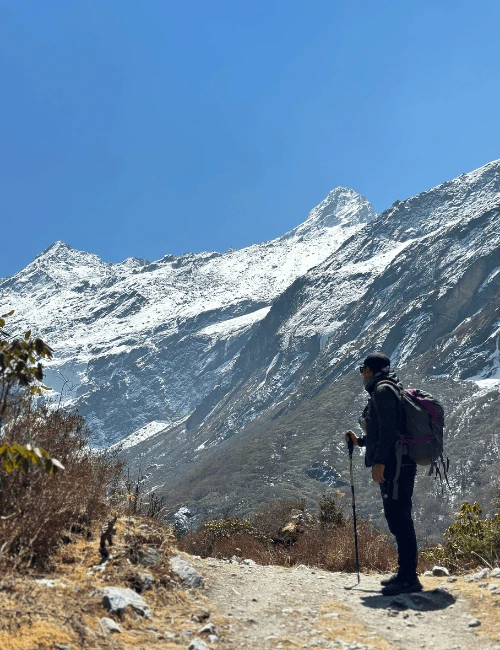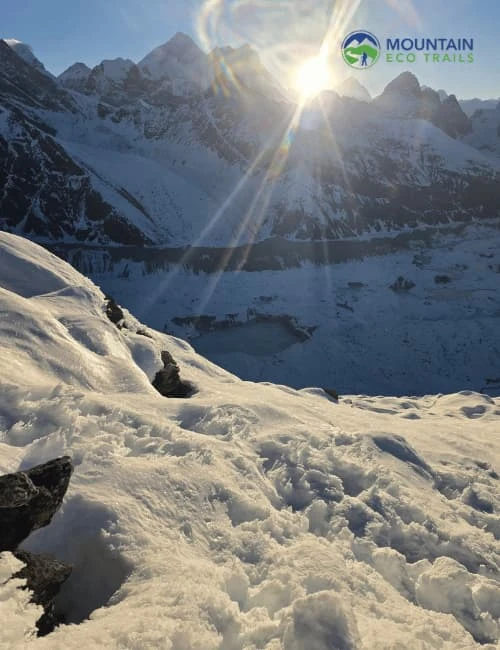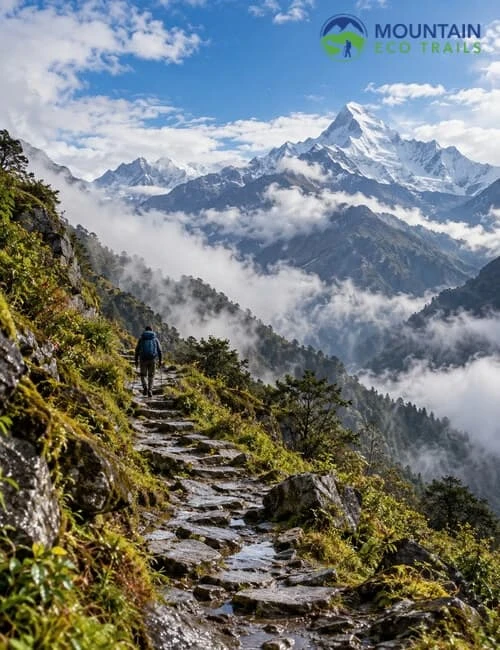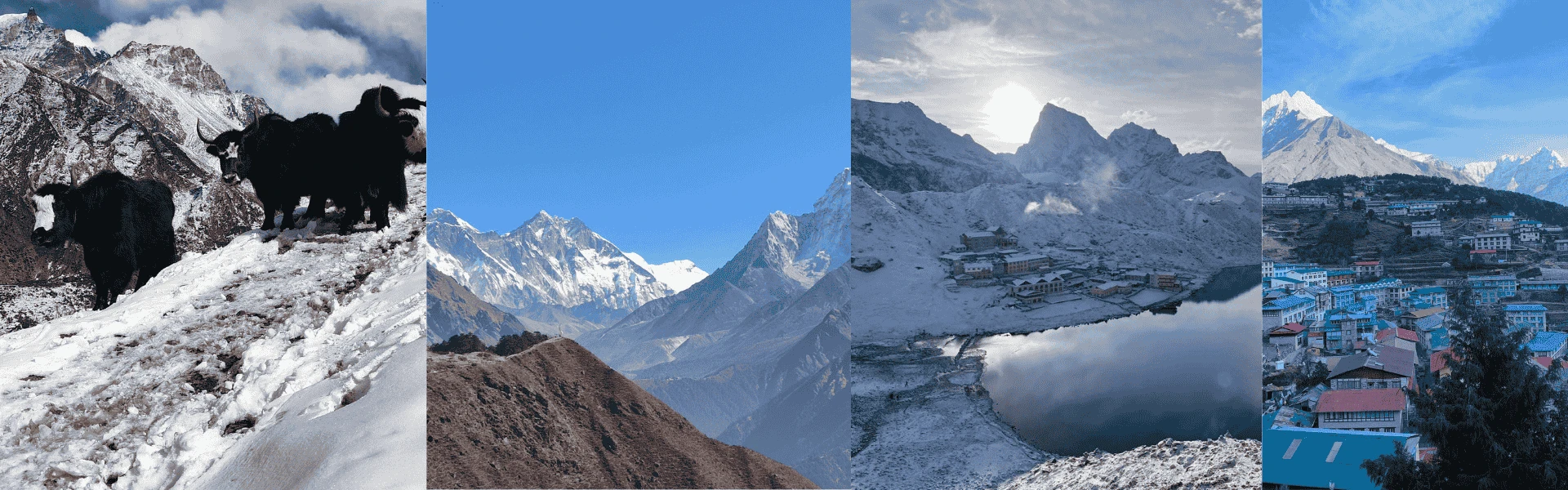
Everest Base Camp is a bucket-list trek, but its popularity means crowds on the trails. Fortunately, Nepal offers several alternative treks to Everest Base Camp that are less crowded yet equally rewarding. Trekking the Gokyo Valley leads you to pristine lakes and a stunning Everest panorama from Gokyo Ri. The Everest Three Passes route challenges adventurers with high-altitude passes and remote valleys. If you’re short on time, the Everest Panorama Trek offers cultural insights and mountain views without the long commitment. For a classic approach, the Jiri route retraces the footsteps of the first Everest expeditions through quiet hill villages.
Best Alternative treks to EBC
Everest Base Camp Trek Alternatives
Everest Base Camp (EBC) is one of the world’s most iconic treks – and also one of the busiest. Hundreds of trekkers hike the standard route to EBC during peak seasons, crowding the trails and tea houses. If you’re seeking an alternative treks to Everest Base Camp, you’re not alone.
Many hikers now look for Everest Base Camp alternative treks to experience the Himalayas without the overcrowding. These routes offer the same awe-inspiring Everest views and Sherpa culture, but with far fewer fellow trekkers on the path. In this guide, we’ll explore several alternative treks in the Everest region beyond EBC.
Why Choose an Alternative to Everest Base Camp
Choosing an alternative trek means enjoying Everest’s grandeur off the beaten path. The classic EBC trail via Lukla sees over 45,000 foreign visitors a year. This popularity can lead to packed lodges, traffic jams on narrow paths, and a less serene experience during peak times.
By contrast, Everest alternative treks see only a fraction of those numbers. The traditional EBC Trek via Jiri approach is a non-touristy Everest trek, which only a few travellers choose this route today. Similarly, trails like Gokyo Valley or the Three Passes are quieter alternatives to Everest Base Camp, where you might encounter just a handful of groups each day.
Beyond avoiding crowds, these alternative treks offer unique rewards. You can discover hidden treks in the Everest region that feature pristine glacial lakes, untouched villages, and rare vantage points. Additionally, some alternatives help with acclimatisation by starting at lower elevations or including more gradual ascents – reducing rushed gains in altitude.
If you value peaceful nature, cultural immersion, and a sense of true adventure, opting for an Everest Base Camp alternative can be immensely satisfying. You’ll still get up-close views of Everest and its giants, but in a more personal, reflective setting.
Finally, alternative treks can cater to different schedules and skill levels. Not everyone has the time or fitness for a 12+ day trek to base camp. A 7-Day Everest Panorama Trek can deliver Everest views in under a week.
In short, there are many reasons to consider an alternative: to escape the crowds, to tailor the journey to your needs, or simply to experience a side of the Khumbu that most trekkers miss. The next sections will introduce some of the best alternatives to the EBC trek and what makes each one special.
Best Alternatives Treks to the Everest Base Camp
The Everest region boasts several spectacular treks beyond the standard base camp route. Here are four of the best less-crowded treks in the Everest region, each offering a unique perspective:
Gokyo Valley Trek – Scenic & Peaceful
The Gokyo Valley Trek is often described as a hidden gem in Khumbu. This route takes you into the heart of Sagarmatha National Park. Trekking the Gokyo Valley is a scenic and peaceful adventure: you’ll walk alongside turquoise high-altitude lakes and ascend Gokyo Ri (5,357 m). From the summit of Gokyo Ri at sunrise, you can survey four of the world’s six highest peaks – Everest, Lhotse, Cho Oyu, and Makalu – all glowing in the morning light. Few viewpoints in Nepal rival this 360° Himalayan spectacle.
For those who want even more, it’s possible to combine Gokyo with the EBC trail via the Cho La pass. But on its own, Gokyo is ideal for trekkers seeking for alternative to Everest Base Camp. Overall, the Gokyo Valley Trek is a serene alternative to the Everest Base Camp trek, blending adventure with solitude.
Everest Three Passes – For Adventure Seekers
If you’re an experienced trekker craving the ultimate Everest-region challenge, the Everest Three Passes Trek is the top choice. This epic route is a 16-20 day circuit that loops through the entire Khumbu, crossing three high mountain passes over 5,300 m: Kongma La (5,535 m), Cho La (5,420 m), and Renjo La (5,360 m). In doing so, it links the classic EBC trail with the Gokyo Valley, as well as more remote valleys like Thame. The result is a comprehensive adventure that hits all the highlights (Everest Base Camp, Kala Patthar, Gokyo Lakes) and ventures into offbeat corners that most trekkers never see. It’s no wonder many consider Three Passes one of the best alternatives to the EBC trek for true adventure seekers.
Everest Panorama Trek – Short & Cultural
Not everyone has weeks to spend trekking, and not everyone wishes to go to extreme altitudes. The Everest Panorama Trek is a short and cultural trek that provides a taste of the Everest region in about 7 days. Instead of going all the way to Base Camp, this trek follows the beginning of the main trail through Namche Bazaar and goes up to Tengboche Monastery (3,860 m) – the spiritual heart of Khumbu. At Tengboche, you’ll get a stunning panorama of Everest, Ama Dablam and other peaks, all towering above the famous monastery’s prayer flags.
Jiri Route – Classic & Remote
Long before there was an airport at Lukla, all expeditions to Everest began with an overland journey from the town of Jiri. The Jiri to Everest Base Camp trek is the classic route taken by Sir Edmund Hillary and Tenzing Norgay in 1953. Today, the “Jiri Route” remains a fascinating trek for those who want to experience the original approach to Everest.
Why choose the Jiri route? For one, it offers superb acclimatisation. Starting at 1,800 m in Jiri and gradually trekking up through 3,000 m passes means that by the time you reach Namche (~3,440 m), your body is well adjusted to the altitude. Many who trek via Jiri report fewer issues with altitude sickness compared to those flying straight to 2,840 m at Lukla.
Most importantly, the Jiri route is truly off the beaten path. Very few travellers choose the Jiri Route nowadays, so you will often have the trail to yourself. Overall, the Everest Base Camp Trek via Jiri is one of the best alternative treks to EBC.
Which Everest Alternative Trek Is Right for You?
With several great quieter alternatives to Everest Base Camp available, how do you decide which trek fits you best? It ultimately comes down to your interests, fitness, time frame, and what kind of experience you’re after. Here’s a quick guide to help you choose the right Everest alternative trek for you:
Gokyo Valley Trek: Choose Gokyo if you want spectacular scenery and a moderately challenging trek. It’s best for trekkers who value serene nature and jaw-dropping viewpoints, but still want a less crowded trek in the Everest region.
Three Passes Trek: Choose Three Passes if you’re an adventure seeker looking for the ultimate Everest region challenge. This trek is for experienced and fit trekkers who want to see everything – Base Camp, Gokyo, and the remote valleys.
Everest Panorama Trek: Choose Panorama if you have limited time or trekking experience, or if you’re trekking with family. It’s the easiest alternative trek to EBC and can be completed in a week with a lighter physical demand.
Jiri to EBC Trek: Choose the Jiri route if you’re a trekking traditionalist or have ample time and want total immersion. It’s best for those who wish to avoid flying to Lukla and instead trek through remote, non-touristy areas. You should be prepared for a long journey (3 weeks) and enjoy rustic travel.
By matching the trek to your profile and wishes, you’ll ensure the journey is right for you. All these treks are rewarding in their own ways – there’s no one-size-fits-all answer, but one of them is likely a perfect fit for your Himalayan adventure.
Cost, Difficulty & Best Season Comparison of EBC Alternatives
When evaluating Everest Base Camp alternatives, it helps to compare some practical aspects. Below is a quick overview of each trek’s typical duration, difficulty, approximate cost, and best seasons:
Trek | Duration | Difficulty | Approx. Cost (USD) | Best Season |
Gokyo Valley Trek | 10–14 days | Moderate | $1,200–$2,500 (guided) | Spring (Mar–May), Autumn (Sep–Nov) |
Three Passes Trek | 16–20 days | Challenging | $1,600–$1,900 (guided) | Spring (Mar–May), Autumn (Sep–Nov) |
Everest Panorama Trek | 5–7 days | Easy–Moderate | $900–$1,200 (guided) | Spring (Mar–May), Autumn (Sep–Nov) (Winter ok) |
Jiri to EBC Trek | 20–22 days | Moderate | $1,800–$2,200 (guided) | Spring (Mar–May), Autumn (Sep–Nov) |
Notes: From the above Guided package costs typically include permits, transportation (flights or ground transfers), accommodation, and an English-speaking guide.
Difficulty ratings assume you’re trekking with a full pack; if you hire a porter or go with an agency, the difficulty feels a bit less. The best seasons for all Everest region treks are spring and autumn, when weather and trail conditions are best (clear skies, mild temperatures).
The Everest Panorama Trek can also be done in winter (Dec–Feb) since it stays at a lower altitude – you’ll find very quiet trails and gorgeous snow-capped views, though it will be cold and some facilities may be closed. Monsoon season (June–Aug) is generally not recommended for these treks due to heavy rain and leeches in the lower sections, plus flight disruptions.
FAQs
What are the best alternative treks to Everest Base Camp?
Some of the best Everest Base Camp alternative treks are the Gokyo Lakes (Gokyo Valley) Trek, the Everest Three High Passes Trek, the Everest Panorama Trek, and the Jiri to Everest Base Camp route. Each of these offers a different experience as an alternative to the standard EBC trek.
Which trek in the Everest region is the least crowded?
The Jiri to Everest Base Camp trek is generally the least crowded Everest region routes. Only a very small number of trekkers opt to trek from Jiri nowadays, making it a very remote, non-touristy Everest trek. Aside from Jiri, the Three Passes Trek and Gokyo Valley Trek are also much less crowded than the standard EBC trek.
What is the easiest alternative trek to Everest Base Camp?
The Everest Panorama Trek (Everest View Trek) is considered the easiest trek in the Everest region. It stays at a relatively low elevation (max 3,860 m at Tengboche) and can be completed in 5–7 days.
Do I need a guide for alternative treks to EBC?
It’s highly recommended to hire a guide even for the alternative trek to EBC. Routes like the Three Passes or the Jiri approach involve complex logistics, unmarked trails in places, and greater risks if something goes wrong in a remote area. An experienced guide will know the terrain, assist with navigation over high passes, help arrange lodging in small villages, and be trained to handle altitude or first aid issues.
Conclusion:
Overall, if you are looking for the EBC Trek alternatives and want to avoid the crowd, then you have several options. Plan your alternative treks to EBC with Mountain Eco Trails and experience the remote part of the Everest Region. Alternative treks to EBC are for those who want to explore the depth of the Everest Region, High passes, Lakes, Glaciers, and epic mountain vistas.
Do not hesitate to contact us via email or WhatsApp us at +9779849790153 for more details regarding the EBC Trek or beyond the Everest Base Camp. Our expert will help you choose the right trek for you.

Anil Lamsal
Call us on WhatsApp+977 9849790153OrChat with us