How much time do you need for the Everest Base Camp Trek? Most trekkers need 12 days from Kathmandu to Kathmandu, while a complete arrival-to-departure package usually takes 14 days. International travelers should reserve 16–18 calendar days to include Lukla flight buffers. This practical guide compares 10-, 12-, 14- and 16-day EBC itineraries, explains why Namche Bazaar and Dingboche acclimatization days matter, and helps you choose the best schedule for your experience, available leave, travel style and preferred trekking pace.
How Long Does the Everest Base Camp Trek Take? Expert Guide Explains
How long does it takes to do the Everest Base Camp Trek?
If you plan a Himalayan adventure, one of the first questions you will ask is: how much time do you need for the Everest Base Camp Trek? or How long does EBC Trek Takes?
The general answer is, the Everest Base Camp Trek takes 12-14 days with balanced itinerary, proper acclimatization, & buffer days.
The Everest Base Camp Trek duration varies depending on your itinerary, pace, and acclimatisation schedule. Some trekkers finish the journey in 10 days, while others prefer a relaxed itinerary of 14 days or longer.
However, the key point is not only reaching Everest Base Camp. Instead, you must consider altitude, acclimatisation, and safety when deciding the time required for the Everest Base Camp Trek.
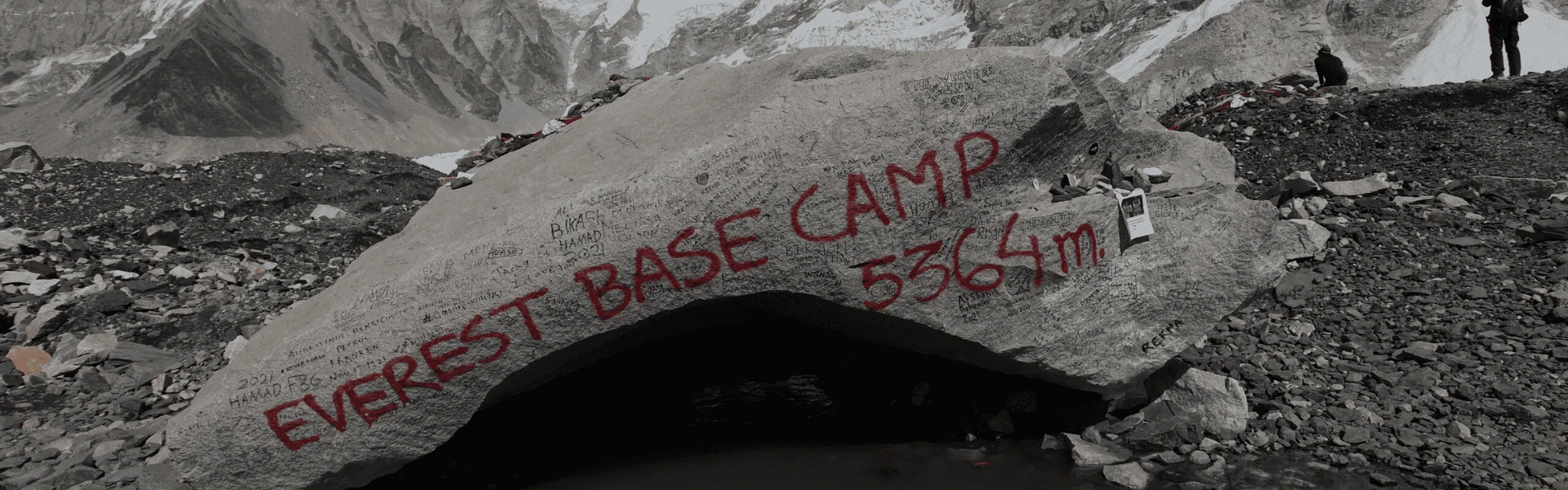
The Everest Base Camp Trek covers approximately 130 kilometres (round trip) between Lukla and Everest Base Camp. Trekkers normally walk 5–7 hours per day, gradually gaining altitude until they reach the famous base camp at 5,364 meters (17,598 ft).
Therefore, choosing the best itinerary for the Everest Base Camp Trek requires careful planning. In this guide, we will explain how many days are needed for the Everest Base Camp Trek and help you choose the right itinerary based on your time and trekking experience.
Everest Base Camp Trek Duration at a Glance
| Planning point | Realistic time |
|---|---|
| Classic Lukla-to-Lukla route | 11 days on the trail, plus the return flight day |
| Time to reach Everest Base Camp from Lukla | Usually 8 days, including acclimatization in Namche Bazaar and Dingboche |
| Return from Gorak Shep to Lukla | Usually 3 days, often including the Kala Patthar hike |
| Recommended acclimatization | 2 days: one in Namche Bazaar and one in Dingboche |
| Average daily walking | About 5–7 hours; summit-day style stages may take 7–8 hours |
| Kathmandu-to-Kathmandu schedule | Usually 12 days |
| Complete Nepal package | Usually 14 days with arrival and departure |
| Time international travelers should protect | 16–18 calendar days |
| Weather buffer | At least 1–2 flexible days after returning from Lukla |
How Many Days Do You Really Need for the Everest Base Camp Trek?
For most people, the best itinerary for Everest Base Camp Trek takes 12 days from Kathmandu to Kathmandu or 14 days as a complete arrival-to-departure package. The walking route should include two acclimatization days and should not rely on rushing through the upper Khumbu.
Days on the trail
The classic route normally uses 11 trail days from Lukla back to Lukla. That includes acclimatization hikes in Namche Bazaar and Dingboche: you walk higher but return to the same sleeping elevation.
The usual rhythm is:
- 6 ordinary ascent days
- 2 acclimatization days with optional hikes
- 1 Everest Base Camp day
- 3 return stages, with Kala Patthar often combined with the first descent day
Operators count the Base Camp and Kala Patthar stages differently, so compare overnight stops rather than only the headline number.
Kathmandu-to-Kathmandu duration
A standard Kathmandu-to-Kathmandu itinerary commonly takes 12 days. Day 1 includes the flight to Lukla and walk to Phakding; Day 12 covers the flight back. It normally excludes international arrival, departure and a post-trek weather buffer.
Total time for travelers from Europe, the UK, US, AUS, & Around the World
International travelers should plan more perfectly. A practical duration for the Everest Base Camp Trek for the international travel is:
- 1 arrival day in Kathmandu
- 12 days for the Kathmandu-to-Kathmandu trek
- 1 or 2 flexible days after the Lukla flight
- 1 departure day
- Optional recovery or Kathmandu Day Tours
That produces a realistic total of 16–18 days. After crossing several time zones, a night in Kathmandu before Lukla is also preferable to trekking immediately after a long flight.
What does a 14-day EBC trek include? A 14-day Everest Base Camp package often includes international arrival, 12 days from Kathmandu to Kathmandu, and departure. It does not necessarily mean 14 full trekking days. Always compare the overnight stops, acclimatization days, Lukla flights and weather buffers before choosing a package.
Everest Base Camp Trek Duration Comparison
| Option | Typical structure | Acclimatization | Main trade-off | Best suited to |
| 10 days | Compressed trek or standard ascent with helicopter return | Varies; verify carefully | Less flexibility and higher cost if using a helicopter | Experienced, time-limited or recently acclimatized trekkers |
| 12 days | Kathmandu–Lukla–EBC–Lukla–Kathmandu | 2 days recommended | Little room for flight delays | Fit trekkers with separate buffer days |
| 14 days | Arrival, standard 12-day trek and departure | 2 days recommended | Buffer may still be outside the package | Most international trekkers |
| 16 days | Standard trek plus 1–2 flexible or recovery days | 2 days recommended | More annual leave required | First-time EBC trekkers and cautious planners |
| 18–21+ days | Jiri/Salleri approach or Gokyo/Cho La extension | More gradual or route-dependent | Longer and more demanding | Trekkers seeking culture, quieter trails or a larger circuit |
Everest Base Camp Trek 10 days
“Everest Base Camp Trek 10 days” is not one fixed plan. It may remove an acclimatization day, combine stages or use a helicopter from Gorak Shep. A Short Everest Base Camp Trek 10 Days should clearly list every overnight elevation and explain how time is saved.
Everest Base Camp Trek 12 days
A 12-day EBC trek can follow the classic Kathmandu-to-Kathmandu route with acclimatization in Namche and Dingboche and the walk back to Lukla. It suits fit trekkers who keep spare days outside the package.
Everest Base Camp Trek 14 days
For most international visitors, a 14-day Everest Base Camp Trek is a clear starting point: arrival, the standard 12-day route and departure. If Day 14 is the flight home, however, keep contingency days outside the package.
16-day EBC schedule with buffer days
A 16-day calendar can include arrival, 12 trekking-and-flight days, one flexible day and departure. It is often a practical first-EBC choice because it improves logistics without adding unnecessary trail days.
18–21-day Jiri, Salleri or extended route
Starting from Jiri or Salleri adds lower-altitude village walking before the main Khumbu trail. An 18–21+ day schedule may instead include Gokyo Lakes, Cho La Pass or a longer Everest circuit. These are distinct routes, not merely slower classic itineraries.
How Long Does It Take to Reach Everest Base Camp from Lukla?
Most classic itineraries reach Everest Base Camp on Day 8 after leaving Lukla. The route usually sleeps in Phakding, Namche Bazaar, Tengboche, Dingboche, Lobuche and Gorak Shep, with acclimatization days in Namche and Dingboche.
Why the ascent takes longer
Lukla sits at about 2,860 meters (9,383 feet), Everest Base Camp at 5,364 meters (17,598 feet), and the highest overnight stop—Gorak Shep—at about 5,164 meters (16,942 feet).
The body adapts to sleeping altitude more slowly than strong legs can climb. Above 3,000 meters, the limiting the increase in sleeping elevation to about 500 meters per day and adding an acclimatization day for each additional 1,000 meters gained. Individual responses still vary.
How long the return from EBC to Lukla takes
It takes around 3 days to return from EBC to Lukla. The descent usually passes through: Kala Patthar to Pheriche, then Namche Bazaar, then Lukla. It is faster because progressive acclimatization is no longer required, but long descents and accumulated fatigue still make it demanding.
Lukla Flight Delays and Buffer Days
Another important factor is Lukla flight delays. Weather conditions in the Himalayas can delay flights between Kathmandu and Lukla. Therefore, experienced trekking companies always recommend adding buffer days. These extra days ensure that your international travel schedule remains safe even if flights are delayed.
Therefore, when calculating how much time you need for the Everest Base Camp Trek, always consider 1–2 extra days in Kathmandu.
Standard Everest Base Camp Trek Timeline
This balanced 12-day reference itinerary uses approximate times; pace, weather, trail traffic and lodge location can change them.
| Day | Route | Sleeping altitude | Walking time | Purpose |
| 1 | Fly to Lukla; trek to Phakding | 2,610 m / 8,563 ft | 3–4 hours | Short first stage after the flight |
| 2 | Phakding to Namche Bazaar | 3,440 m / 11,286 ft | 5–7 hours | Major climb into the Khumbu hub |
| 3 | Namche acclimatization day | 3,440 m / 11,286 ft | 3–5 hours | Hike higher, return to sleep lower |
| 4 | Namche to Tengboche | 3,860 m / 12,664 ft | 5–6 hours | Controlled sleeping-altitude gain |
| 5 | Tengboche to Dingboche | 4,410 m / 14,469 ft | 5–6 hours | Enter the higher, drier valley |
| 6 | Dingboche acclimatization day | 4,410 m / 14,469 ft | 3–5 hours | Prepare for nights near 5,000 m |
| 7 | Dingboche to Lobuche | 4,910 m / 16,109 ft | 5–6 hours | Final approach to Gorak Shep |
| 8 | Lobuche to Gorak Shep; hike to EBC | 5,164 m / 16,942 ft | 7–8 hours | Reach EBC at 5,364 m and return to lodge |
| 9 | Kala Patthar; descend to Pheriche | 4,240 m / 13,911 ft | 7–8 hours | Viewpoint hike followed by descent |
| 10 | Pheriche to Namche Bazaar | 3,440 m / 11,286 ft | 6–7 hours | Long return through the Khumbu |
| 11 | Namche Bazaar to Lukla | 2,860 m / 9,383 ft | 6–7 hours | Complete the walking route |
| 12 | Fly from Lukla to Kathmandu | 1,400 m / 4,593 ft | Flight day | Return to Kathmandu; keep plans flexible |
Altitude figures and walking times are approximate. A guide may adjust the plan for weather, trail conditions and acclimatization.
Why Two Acclimatization Days Matter
Two acclimatization days slow the sleeping-altitude gain and give the guide time to assess how each trekker is eating, sleeping and recovering.
Acclimatization in Namche Bazaar
Namche Bazaar at 3,440 meters is the first pause. A higher day hike followed by a second night at the same lodge adds exposure without raising the sleeping elevation. It is also a sensible place to reassess equipment, health and pace. Check details regarding the Namche Acclimatisation and strategy
Acclimatization in Dingboche
Dingboche at 4,410 meters is the second pause. A ridge hike provides higher exposure before returning to the same lodge. Since Lobuche and Gorak Shep are close to or above 5,000 meters, removing this day sharply compresses the ascent.
Why Acclimatisation Days Are Important
Altitude sickness is one of the main risks in the Himalayas. As trekkers climb above 3,000 meters, oxygen levels decrease significantly. Therefore, every best itinerary for the Everest Base Camp Trek includes acclimatisation days. Namche & Dingboche acclimatisation stops allow the body to adapt to the altitude. Trekkers often hike to higher viewpoints during the day and then sleep at lower altitude villages. Without acclimatisation, the time required for the Everest Base Camp Trek may become dangerous. Therefore, shorter itineraries must be approached carefully.
Why fitness does not prevent altitude illness
Fitness helps with long climbs but does not prevent altitude illness. The physical training does not determine susceptibility. Never use fitness to ignore symptoms or force a schedule; the guide must be able to stop, descend or adjust the plan.
Why does EBC need two acclimatization days?
The standard route pauses in Namche Bazaar at 3,440 meters and Dingboche at 4,410 meters. These days slow the rise in sleeping altitude before trekkers reach Lobuche and Gorak Shep. Fitness improves walking capacity, but it does not eliminate altitude-illness risk.
How Many Buffer Days Should You Add for Lukla Flights?
Add one or two flexible days between your expected return from Lukla and international departure. Mountain weather means a precise itinerary cannot guarantee a precise Kathmandu arrival.
Peak-season planning
During busy seasons, interruptions can create knock-on delays. Confirm the current departure airport, reporting time and baggage rules before travel. Place the buffer after the trek; a spare day only before Lukla does not protect your flight home.
When to schedule the international departure
Never schedule an international flight on the expected day of your Lukla return. Keep at least one full Kathmandu day before departure; two provide stronger protection for a long-haul ticket.
How many spare days should you add after EBC Trek?
Keep at least one or two full buffer days after the planned Lukla-to-Kathmandu flight. Do not connect directly from Lukla to an international departure. Weather can delay mountain flights, and a buffer protects expensive onward tickets without changing the trekking pace.
Is a 10-Day Everest Base Camp Trek Too Short?
For most first-time high-altitude trekkers, 10 days is too compressed for walking both ways. It is more reasonable when the route preserves the standard ascent and saves time through a helicopter return.
When it may be suitable
A minimum-days Everest Base Camp Trek may suit someone who:
- Has recent experience sleeping above 4,000 meters
- Knows how their body has responded to a similar ascent rate
- Can comfortably handle long, consecutive trekking days
- Understands that the guide may slow or change the itinerary
- Has travel insurance covering the planned activity and elevation
- When a helicopter-return itinerary makes more sense
Preserving the normal ascent and shortening the descent is more sensible than racing uphill. A helicopter return can save walking days but depends on weather, availability and operating conditions. Confirm its starting point and backup plan.
Who should avoid a compressed 10-Day EBC itinerary
A 10-day schedule is a poor match for first-time high-altitude travelers, people arriving from sea level, anyone with a previous difficult altitude response, or those wanting a flexible pace. When uncertain, keep two acclimatization days.
Which EBC Trek Duration Is Best for You?
First-time high-altitude trekkers
Choose a 14-day Nepal package and protect 16–18 calendar days in total, including two acclimatization stops and post-trek buffers.
Experienced and pre-acclimatized trekkers
A 12-day Kathmandu-to-Kathmandu plan may suit experienced trekkers. For a 10-day option, ask whether time is saved through a helicopter descent or a faster ascent.
Travelers with limited annual leave
Protect acclimatization first. Save time through efficient transfers or a planned helicopter return rather than deleting a high-altitude pause. If no buffer fits, consider a lower route with less flight dependence.
Trekkers who want more cultural time
Choose 16 days or an 18–21-day route. Jiri and Salleri add village landscapes, while Gokyo and Cho La create a broader mountain journey.
How Route Choice Changes the Duration
Classic Lukla route
The classic Lukla route is the most time-efficient approach: typically 11 trail days plus the return flight. Its main logistical weakness is dependence on mountain weather.
EBC via Jiri or Salleri
Jiri and Salleri add lower-elevation walking before the main Khumbu corridor. Duration depends on road access and trailhead, but the trip commonly expands to 18–21+ days. It suits trekkers wanting more cultural depth and less flight dependence.
Check: EBC Trek via Jiri Trekking Package for detail itinerary
Gokyo Lakes and Cho La extension
Gokyo Lakes and Cho La Pass create a higher circuit requiring extra days for route progression, acclimatization and weather flexibility. Cho La should never be inserted into a standard EBC schedule without adding time.
Total Distance of Everest Base Camp Trek
The Everest Base Camp Trek begins with a scenic flight from Kathmandu to Lukla Airport (2,860 m). From Lukla, trekkers walk through the Khumbu Valley until they reach Everest Base Camp.
The approximate trekking distance includes:
- Lukla to Everest Base Camp: 65 km
- Everest Base Camp back to Lukla: 65 km
Therefore, the round-trip trekking distance is roughly 130 kilometres. Although the distance may not seem extremely long, altitude makes the journey challenging. Trekkers gain more than 2,500 meters in elevation, which requires a gradual ascent.
This is why the Everest Base Camp Trek duration must include rest and acclimatisation days.
Average Daily Trekking Hours during EBC Trek
During the Everest Base Camp Trek, trekkers typically walk 5–7 hours per day.
However, some days may involve shorter walks. For example:
- Namche acclimatisation day
- Dingboche acclimatisation day
Other days may involve longer hikes, such as the trek to Lobuche or Gorak Shep.
The Everest trek itinerary duration depends on how many hours you are comfortable trekking each day.
Trekkers who prefer shorter walking hours often choose longer itineraries.
Everest Base Camp Trek Itinerary Options by Duration
There is no single itinerary for Everest Base Camp. Instead, several options exist depending on your available time.
Below are the most popular Everest Base Camp Trek duration choices.
Short Everest Base Camp Trek (Limited Time Travelers & Fast Paced Itinerary)
Some trekkers have limited time but still want to experience Everest.
The Short Everest Base Camp Trek 10 Days itinerary offers a faster version of the adventure.
This itinerary includes:
- Faster trekking pace
- Limited acclimatisation days
- Early morning departures
Although the trek remains challenging, it allows experienced trekkers to complete the Everest Base Camp Trek in about 10 days.
You can explore the full itinerary here:
This option works best for travellers with good fitness and previous high-altitude experience.
Everest Base Camp Trek 12 Days (Standaed and balanced EBC Itinerary)
The Everest Base Camp Trek 12-day itinerary offers a balance between speed and safety.
Compared to shorter routes, this itinerary includes:
- One acclimatisation day
- Efficient trekking schedule
- Moderate walking hours
This option suits trekkers who want a quicker adventure but still maintain reasonable altitude adaptation.
You can view the itinerary here:
Everest Base Camp Trek 12 Days
Although the pace remains faster than standard itineraries, many trekkers complete the Everest Base Camp Trek within 12 days.
Everest Base Camp Trek 14 Days (Most Recommended)
The Everest Base Camp Trek 14-day itinerary is the most popular choice.
This itinerary includes:
- Two acclimatisation days
- Balanced trekking schedule
- Higher success rate for reaching base camp
Because of these benefits, many experts consider it the best itinerary for the Everest Base Camp Trek.
Trekkers gradually ascend through:
- Lukla
- Namche Bazaar
- Tengboche
- Dingboche
- Lobuche
- Gorak Shep
- Everest Base Camp
You can explore the detailed route here:
Everest Base Camp Trek 14 Days
For most travellers wondering how many days for the Everest Base Camp Trek, the 14-day itinerary remains the safest option.
Everest Base Camp Trek via Jiri (Longer Classic Route)
Before Lukla Airport existed, trekkers reached Everest by starting their journey in Jiri.
The Everest Base Camp Trek via Jiri follows this historical trail.
This classic route offers:
- Cultural immersion
- Fewer crowds
- Longer trekking duration
The Everest trek itinerary duration on this route often exceeds 18 days.
However, many trekkers love this option because it offers a deeper Himalayan experience.
Explore the route here:
Everest Base Camp Trek via Jiri
Luxury Everest Base Camp Trek (Comfort + Helicopter Options)
Some travellers prefer comfort while trekking in the Himalayas.
The Luxury Everest Base Camp Trek offers premium experiences, including:
- luxury lodges
- better meals
- helicopter return options
This itinerary may slightly reduce trekking days while increasing comfort.
Luxury trekkers enjoy stunning mountain views while staying in the best accommodations available in the Khumbu region.
Learn more here:
Recommended Everest Base Camp Trek Duration for First-Time Trekkers
First-time trekkers should choose the 14-day itinerary.
This schedule provides:
- proper acclimatisation
- moderate trekking hours
- better altitude adjustment
Because of these advantages, the time required for the Everest Base Camp Trek for beginners should not be less than 12–14 days.
Many experienced guides recommend the longer itinerary because altitude affects everyone differently.
Therefore, patience increases the chances of a successful Everest Base Camp Trek.
Common Mistakes When Choosing Everest Trek Duration
Trekkers sometimes underestimate the importance of itinerary planning.Avoid these common mistakes.
Choosing a Very Short Itinerary
- Many trekkers attempt the Everest Base Camp Trek in fewer days.
- However, shorter schedules increase the risk of altitude sickness.
Ignoring Acclimatization
- Skipping acclimatisation days can lead to serious altitude problems.
- Therefore, always choose an itinerary that includes proper rest days.
Not Adding Buffer Days
- Lukla flights often experience weather delays.
- Therefore, add 1–2 buffer days to your schedule.
- These extra days protect your international travel plans.
FAQs About Everest Trek Duration
How long does the Everest Base Camp trek take?
The Everest Base Camp Trek duration usually ranges from 12 to 14 days. However, shorter itineraries may take 10 days, while longer classic routes may take more than 18 days.
Is 10 days enough to trek to Everest Base Camp?
Yes, some trekkers complete the Everest Base Camp Trek 10-day itinerary. However, the pace is fast and may increase altitude risks.
How many acclimatisation days are needed for the Everest Base Camp Trek?
Most Everest Base Camp Trek itineraries include two acclimatisation days, usually in Namche Bazaar and Dingboche.
How many days does it take to reach Everest Base Camp from Lukla?
It takes around 8 Days to reach Everest Base Camp from Lukla. The classic itinerary reaches Everest Base Camp on Day 8 from Lukla. This includes acclimatization days in Namche Bazaar and Dingboche. Faster ascent schedules exist, but cutting these pauses increases risk and gives the body less time to adapt before sleeping near 5,000 meters.
How much time is enough for beginners to do the Everest Base Camp Trek?
The beginners can complete the Everest Base Camp Trek if they choose a 14-day itinerary, train before the trek, and follow proper acclimatisation guidelines.
What is the minimum number of days for Everest Base Camp?
Ten days is a common minimum number of days to trek to Everest Base Camp. It may use a compressed ascent or a helicopter return. Most trekkers are better served by a 12-day trekking schedule that retains acclimatization in both Namche Bazaar and Dingboche.
Final Thoughts
Now you know the answer to the question: how much time do you need for the Everest Base Camp Trek? The Everest Base Camp Trek duration depends on your trekking style, acclimatisation schedule, and available time. However, most trekkers find that 12–14 days offers the best balance of adventure and safety.
If you want a faster journey, the Everest Base Camp Trek 12-day itinerary may work for you. If you prefer comfort and flexibility, longer routes or luxury treks may be better. Still in confusion about how much time is best for the Everest Base Camp Trek? Let us guide you. Contact our travel expert via email or WhatsApp us at +9779849790153 for more information.

Anil Lamsal
Call us on WhatsApp+977 9849790153OrChat with us