Acclimatisation at Namche Bazaar is a crucial step for trekkers heading to Everest Base Camp. Located at 3,440 meters, Namche is the first major altitude checkpoint where the body begins adapting to thinner air. Spending an acclimatisation day here helps reduce the risk of acute mountain sickness (AMS) and prepares trekkers for higher elevations such as Tengboche and Dingboche. Short hikes to places like Everest View Hotel or Khumjung follow the “climb high, sleep low” principle, helping the body adjust safely. This is why acclimatisation at Namche is crucial to a safe and successful Everest Base Camp trek.
Namche Acclimatisation Day Explained
Why Acclimatisation at Namche Is Crucial for the Everest Base Camp Trek
When trekking in the Everest region, one lesson experienced guides always emphasise is simple: why acclimatisation at Namche is crucial for your safety and success. Namche Bazaar is not just another stop on the trail. It is the first real altitude checkpoint where your body must adapt before continuing towards higher elevations such as Tengboche, Dingboche, and Everest Base Camp.
Many trekkers underestimate this stage. However, understanding why acclimatisation at Namche is crucial can determine whether your trek becomes a safe and enjoyable adventure or a difficult struggle with altitude sickness.
At Mountain Eco Trails, we design every Everest Base Camp Trek itinerary with a dedicated acclimatisation day in Namche. This approach follows proven high-altitude trekking practices used by professional guides and expedition teams.
In this guide, you will learn exactly why acclimatisation at Namche is crucial, how your body adapts to altitude, and what to do during the acclimatisation day.
Why Do Trekkers Stop at Namche Bazaar?
Trekkers stop at Namche Bazaar because acclimatisation at Namche is crucial, which lies in its altitude and location. Namche sits at about 3,440 meters, which is where the human body begins to feel significant changes in oxygen levels.
When trekkers reach Namche after trekking from Lukla through Phakding and Monjo, they have already gained more than 1,500 meters in elevation within two days. Without proper acclimatisation, moving higher can trigger altitude sickness.
Therefore, the rest day here allows the body to:
- Adjust to thinner air
- Increase red blood cell production
- Improve oxygen delivery to muscles
- Reduce the risk of Acute Mountain Sickness (AMS)
This is exactly why acclimatisation at Namche is crucial for the EBC Trek.
What Is the Altitude of Namche Bazaar and Why Does It Matter?
Namche Bazaar sits at 3,440 meters (11,286 feet) above sea level. At this elevation, oxygen levels drop to about 65–70% of what is available at sea level.
This is the point where many trekkers first notice altitude effects such as:
- Shortness of breath
- Fatigue during uphill walking
- Headaches
- Reduced appetite
- Difficulty sleeping
Understanding why acclimatisation at Namche is crucial becomes easier when you consider how rapidly trekkers ascend from Lukla (2,860 m) to Namche.
Within just two trekking days, the body experiences a major altitude gain. Without a rest day here, trekkers would continue directly to Tengboche at 3,867 meters, which significantly increases the risk of AMS.
This is why most safe Everest Base Camp Trek itineraries include a dedicated acclimatisation day in Namche Bazaar.
Why Namche Is the First Major Acclimatisation Stop on the Everest Trail
Namche Bazaar is strategically located on the Everest trail and serves as the gateway to the Khumbu region. For trekkers heading to Everest Base Camp, this village plays a critical role in altitude adaptation.
This is one of the main reasons why acclimatisation at Namche is crucial during the Everest trek.
The Jump in Sleeping Altitude Before and After Namche
Before reaching Namche, trekkers sleep at:
- Lukla – 2,860 m
- Phakding – 2,610 m
After Namche, the next sleeping altitudes are:
- Tengboche – 3,867 m
- Dingboche – 4,410 m
- Lobuche – 4,940 m
Without proper acclimatisation in Namche, this rapid ascent would place significant stress on the body.
This dramatic jump explains why acclimatisation at Namche is crucial before trekking deeper into the Everest region.
Why the Body Needs Time Above 3,000 Meters
The human body requires time to adjust when ascending above 3,000 meters. During acclimatisation, the body gradually adapts by:
- Increasing breathing rate
- Producing more red blood cells
- Improving oxygen transport in the bloodstream
These adjustments help trekkers function normally in lower oxygen environments. Therefore, acclimatisation at Namche is crucial is directly connected to these physiological adaptations.
How Acclimatisation at Namche Helps Prevent Altitude Sickness
One of the most important reasons why acclimatisation at Namche is crucial is its role in preventing Acute Mountain Sickness (AMS).
AMS is the most common altitude illness experienced by trekkers in the Himalayas.
Common AMS Symptoms Trekkers Notice at Namche
Many trekkers begin noticing mild symptoms when they first arrive in Namche Bazaar.
These include:
- Headache
- Nausea
- Fatigue
- Dizziness
- Poor sleep
- Loss of appetite
If trekkers ascend too quickly, these symptoms can worsen and lead to more serious conditions.
This is another key reason why acclimatisation at Namche is crucial during the Everest Base Camp Trek.
Why Going Higher Too Fast Increases Risk
Ascending too quickly does not give the body enough time to adapt to reduced oxygen levels. As a result, the body struggles to function properly.
This is why experienced guides follow the principle:
“Ascend slowly, acclimatise properly.”
Skipping acclimatisation stops is one of the biggest mistakes trekkers make, which is exactly why acclimatisation at Namche is crucial.
What Does “Climb High, Sleep Low” Mean in Namche?
A key acclimatisation strategy used by trekking guides is called “climb high, sleep low.”
Instead of resting completely, trekkers hike to higher altitudes during the day and return to Namche to sleep.
This strategy helps the body adapt more efficiently to altitude.
Everest View Hotel Acclimatisation Hike
One of the most popular hikes from Namche is the Everest View Hotel hike.
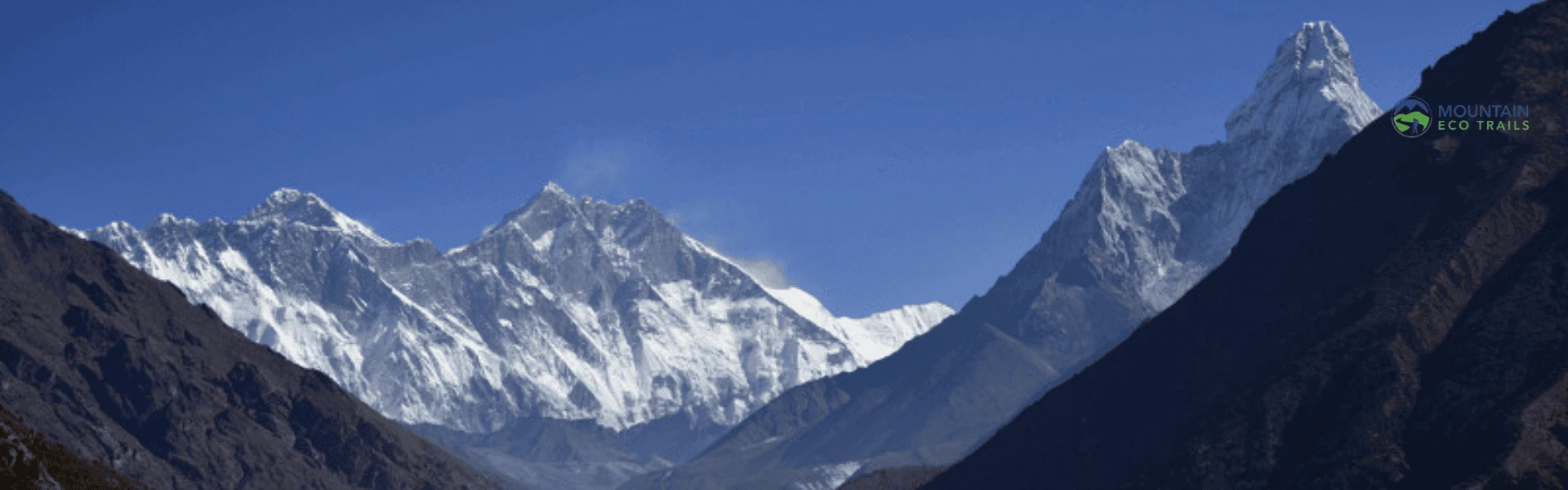
This short hike reaches around 3,880 meters, offering stunning views of:
- Mount Everest
- Ama Dablam
- Lhotse
- Thamserku
Trekkers spend time at the viewpoint and return to Namche for the night. This gradual altitude exposure is another reason why acclimatisation at Namche is crucial.
Khumjung and Khunde as Acclimatisation Options
Another excellent acclimatisation route leads to the Sherpa villages of Khumjung and Khunde.
Highlights include:
- Hillary School
- Khumjung Monastery
- Local Sherpa culture
- Scenic views of Ama Dablam
These gentle hikes help the body adjust while allowing trekkers to explore authentic Himalayan villages.
What Happens If You Skip the Namche Acclimatization Day?
Some trekkers ask whether they can skip the Namche rest day to save time.
However, skipping this stage can increase the risk of altitude sickness dramatically.
Without proper acclimatisation:
- AMS risk increases
- Physical performance drops
- Recovery becomes slower
- Trek success rate decreases
This is why experienced guides strongly recommend keeping the rest day. It reinforces why acclimatisation at Namche is crucial for safe trekking in the Everest region.
How Many Nights Should You Stay in Namche Bazaar?
Most Everest Base Camp itineraries recommend two nights in Namche Bazaar.
The typical schedule looks like this:
Day 1: Trek from Phakding to Namche
Day 2: Acclimatisation day in Namche
Day 3: Trek to Tengboche
This two-night stay allows trekkers to adapt before gaining further altitude.
This structure clearly demonstrates why acclimatisation at Namche is crucial in a well-planned trekking itinerary.
If you want to see a safe itinerary, check the Everest Base Camp Trek package from Mountain Eco Trails.
What to Do on an Acclimatisation Day in Namche Bazaar
Your acclimatisation day in Namche should be active but not exhausting.
Typical activities include:
Morning:
- Breakfast at the teahouse
- Short hike to Everest View Hotel
Midday:
- Lunch in Namche Bazaar
- Explore the local market
Afternoon:
- Visit the Sherpa Culture Museum
- Light walk around the village
Evening:
- Early dinner
- Hydration and rest
- Following this schedule helps your body adjust effectively and explains why acclimatisation at Namche is crucial.
Is Namche Acclimatisation Enough Before Going Higher?
For most trekkers, one acclimatisation day in Namche is sufficient before heading higher.
However, additional acclimatisation stops later in the trek are also important.
These usually occur in:
- Dingboche (4,410 m)
- Lobuche region
This gradual altitude gain further demonstrates why acclimatisation at Namche is crucial as the first stage of high-altitude adaptation.
Tips to Acclimatise Better at Namche Bazaar
Understanding why acclimatisation at Namche is crucial is only the first step. Trekkers should also follow proper acclimatisation practices.
Hydration
- Drink at least 3–4 litres of water daily.
- Hydration helps improve oxygen circulation and supports altitude adaptation.
Pacing
- Walk slowly and maintain a steady trekking rhythm. Avoid rushing uphill sections.
Meals and Sleep
- Eat nutritious meals rich in carbohydrates and get adequate rest.
- Avoiding Alcohol and Overexertion
- Avoid alcohol during acclimatisation days. Alcohol can worsen dehydration and slow adaptation.
Following these practices strengthens the reasons why acclimatisation at Namche is crucial.
Frequently Asked Questions
Why is Namche Bazaar important for acclimatisation?
Namche Bazaar is important because it sits at 3,440 meters, where oxygen levels decrease significantly. Spending an acclimatisation day here allows trekkers to adjust before ascending higher toward Everest Base Camp.
How many days should I stay in Namche Bazaar?
Most Everest Base Camp itineraries recommend two nights in Namche. This includes one acclimatisation day to help the body adapt to altitude.
Can I skip the acclimatisation day at Namche?
Skipping the acclimatisation day is not recommended. It increases the risk of altitude sickness and can affect your ability to continue the trek safely.
What is the best acclimatisation hike from Namche?
The most popular acclimatisation hike is to the Everest View Hotel at about 3,880 meters. It provides spectacular views of Everest and helps the body adjust to altitude.
Is Everest View Hotel a good acclimatisation hike?
Yes. The hike follows the “climb high, sleep low” principle, allowing trekkers to gain altitude during the day and return to Namche for the night.
What symptoms of AMS can start in Namche?
Common symptoms include headache, dizziness, nausea, fatigue, and difficulty sleeping.
Is one acclimatisation day in Namche enough?
For most trekkers, one acclimatisation day is enough. However, proper pacing and hydration are essential.
Do fit trekkers still need acclimatisation at Namche?
Yes. Physical fitness does not prevent altitude sickness. Everyone must acclimatise regardless of fitness level.
What should I eat and drink on acclimatisation day?
Eat high-energy meals such as rice, potatoes, soup, and vegetables. Drink plenty of water, tea, and electrolyte drinks to stay hydrated.
Final Verdict: Is the Namche Rest Day Really Necessary?
Yes, absolutely.
Every experienced trekking guide agrees that why acclimatization at Namche is crucial cannot be ignored. Namche Bazaar provides the first major opportunity for your body to adjust to the high-altitude environment of the Everest region.
At Mountain Eco Trails, we prioritise safety, proper acclimatisation, and responsible trekking. Our Everest itineraries are designed to ensure trekkers adapt gradually while enjoying the incredible scenery of the Himalayas.
Need more information regarding the acclimatisation tips or other trekking queries, feel free to contact us via email or WhatsApp us at +9779849790153.
Also check out: Everest Base Camp Trek Difficulty Level

Anil Lamsal
Call us on WhatsApp+977 9849790153OrChat with us