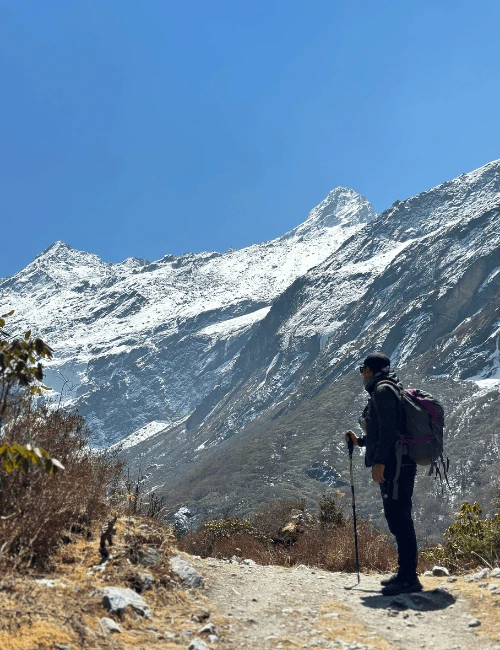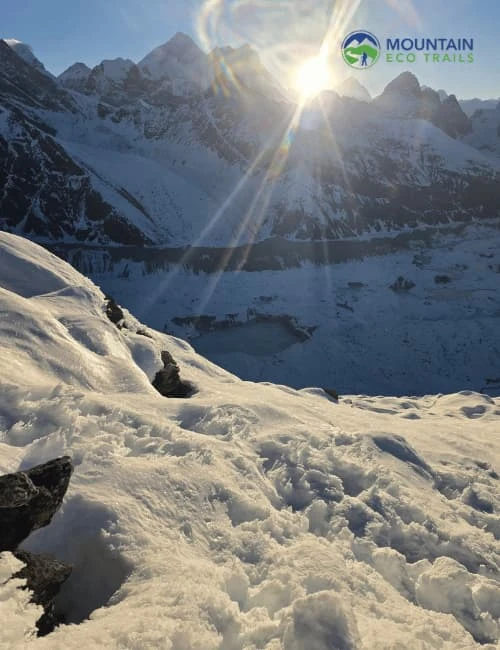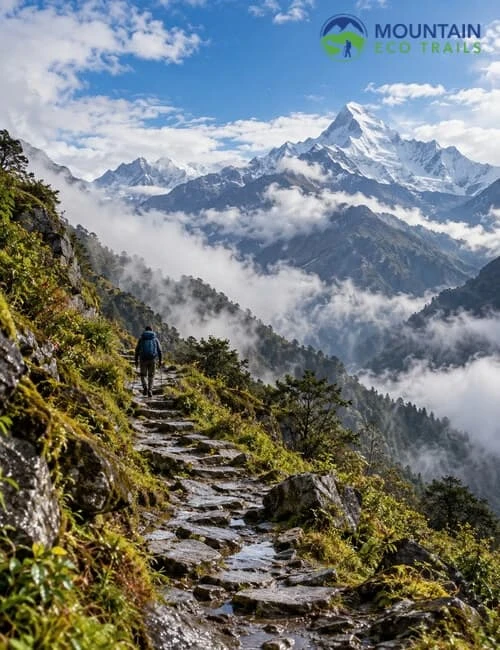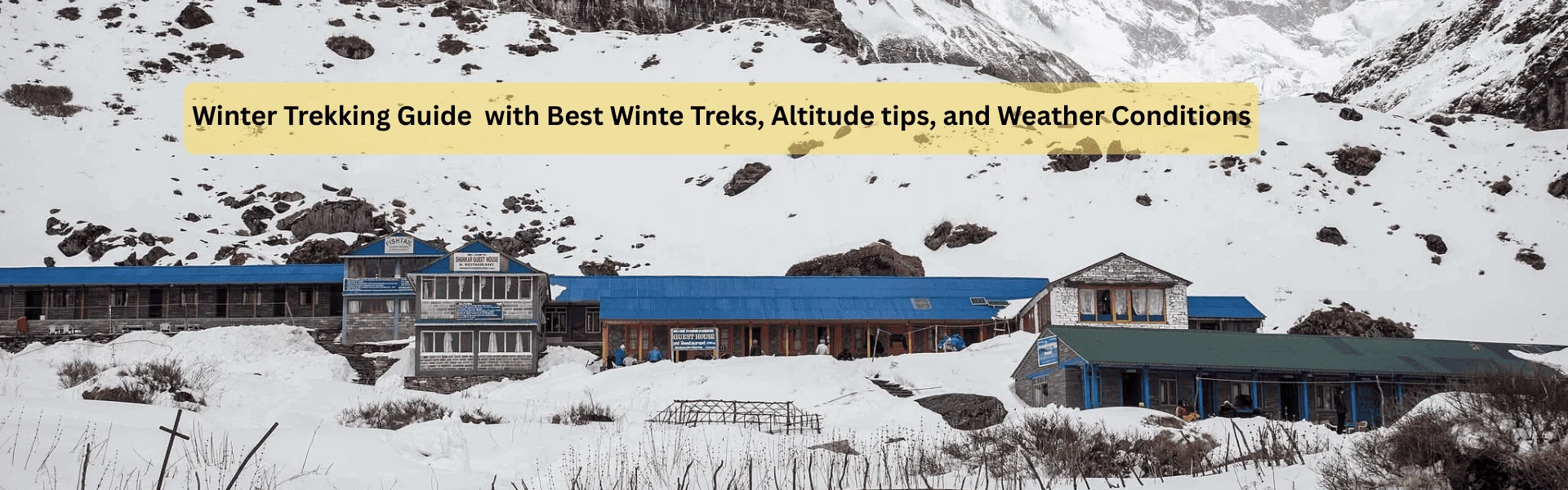
Winter in Nepal offers a unique trekking experience. Crisp mountain views, quieter trails, and cultural encounters await those willing to brave the cold. This Nepal Winter Trekking Guide provides essential tips, route recommendations, weather info, and preparation advice for trekking in Nepal’s winter months. Winter trekking in Nepal can be rewarding and peaceful, but it requires careful planning. Below, we’ll explore whether winter is a good time to trek, highlight the best winter treks in Nepal, discuss typical winter conditions, packing lists, safety precautions, and answer common FAQs about trekking in Nepal during December, January, and February.
Nepal Winter Trekking Guide, Tips for winter treks in Nepal
Is winter a good time to trek in Nepal?
Winter (December to February) is a good time to trek in Nepal if you value solitude and clear skies. Trails see far fewer trekkers in winter, so you can enjoy peaceful routes and uncrowded teahouses. The dry winter air also means excellent mountain visibility – many days are sunny with crystal-clear views of snow-capped peaks stretching against bright blue skies. However, the Nepal winter trekking guide is essential to know for a safe and best trekking experience in the Himalayas.
However, winter trekking also comes with challenges and is not suitable for everyone. The temperatures are much colder, especially at night and at higher elevations. Even lower villages routinely drop below freezing at night, and high-altitude camps can reach –15°C or colder. Days are shorter, with sunset around 5–5:30 pm in Nepal’s winter, which means you need to start trekking early and reach your next stop before dark.
Some high-altitude passes and remote routes become inaccessible due to snow and ice. The famous high passes like Thorong La on the Annapurna Circuit or the Everest Three High Passes are often impassable in peak winter. Heavy snowfall, while infrequent, can temporarily block trails or make wayfinding difficult.
On the other hand, sticking to lower-altitude and mid-altitude treks can mitigate many risks. Many excellent Nepal treks remain safe and enjoyable in winter, particularly those that do not involve extreme altitudes or high passes.
With the right preparation – warm gear, a flexible itinerary, and perhaps a local guide – winter trekking in Nepal can be very rewarding. You’ll experience the Himalayas in a tranquil setting, interact more deeply with local communities, and often benefit from off-season prices for lodging and services. In summary, winter is a good time to trek in Nepal for well-prepared adventurers seeking solitude and superb views, but it requires respecting the season’s challenges and choosing appropriate routes.
Best Winter Treks in Nepal
Not all treks are advisable in winter, but Nepal offers several fantastic routes that are ideal for the winter season. The best winter treks in Nepal tend to be those at moderate elevations and without risky high passes. These treks remain accessible year-round and provide great scenery even in colder months. Below are some top winter trek recommendations:
Ghorepani Poon Hill Winter Trek
Ghorepani Poon Hill Trek is often considered the best winter trek in Nepal for beginners. This short trek in the Annapurna region reaches a maximum altitude of about 3,210 m at Poon Hill, which means it avoids extreme cold and altitude issues. The trail winds through picturesque rhododendron forests and charming Gurung and Magar villages.
In winter, the Poon Hill sunrise over the Annapurna and Dhaulagiri ranges is breathtaking – the mountains appear crystal clear and bathed in golden light against crisp winter skies. The mornings and evenings are cold, and you may encounter a dusting of snow or frost on the stone steps. Trekkers should start early to catch the clear morning views and to avoid hiking in the cold dusk.
This trek can be done in 4–7 days, making it a relatively easy winter adventure. Mountain Eco Trails offers a guided Ghorepani Poon Hill Trek package (6 days), which is perfect for a winter journey. The Poon Hill winter trek is an excellent choice for its moderate difficulty, lower risk of altitude sickness, and stunning dawn panorama of Himalayan peaks.
Langtang Valley Winter Trek
Langtang Valley Trek is another superb winter trekking option in Nepal. Situated north of Kathmandu, the Langtang region sees fewer tourists than Everest or Annapurna, especially in winter, offering a serene experience. The trail climbs up the Langtang Valley to Kyanjin Gompa (3,870 m), the highest point for most trekkers.
In winter, the valley is quiet and blanketed in snow at higher elevations, creating a true alpine atmosphere. Trekkers will enjoy crystal-clear views of Langtang Lirung (7,227 m) and surrounding peaks during the day. The air is crisp and skies often sunny, though nights at Kyanjin can plummet to around –10°C or lower.
A guided Langtang Valley Trek (8 days) with Mountain Eco Trails ensures you have proper support, which is especially helpful in winter conditions. Overall, the Langtang Valley winter trek is relatively short, culturally rich, and offers great mountain vistas with a slightly adventurous feel due to snow presence.
Mardi Himal Winter Trek
Mardi Himal Trek is a hidden gem for winter trekking in the Annapurna region. This trek is a bit more off-the-beaten-path, reaching up to Mardi Himal Base Camp (4,500 m) if conditions allow.
Winter trekkers typically go as far as High Camp (around 3,580 m) or the Mardi Himal viewpoint (4,200 m) because heavy snow above that can make the final stretch challenging. The Mardi Himal trek is known for its dramatic ridge walks and close-up views of Machhapuchhre (Fishtail) and the Annapurna range.
In winter, the forests of the lower trail (up to Forest Camp and Low Camp) are quiet and mystical, with occasional snow on moss-laden trees. As you climb higher, the trail follows a ridge that can become icy – caution and perhaps crampons/microspikes are needed on some sections above High Camp.
A Mardi Himal Trekking package (9 days) with Mountain Eco Trails can be tailored for winter conditions, ensuring you have an experienced guide to navigate the upper ridge safely. This trek is moderately difficult, and in winter it offers adventure – the sense of walking through fresh snow towards Mardi Himal viewpoint with no crowds around is truly rewarding.
Everest View Winter Trek
For those who dream of seeing Everest but are concerned about extreme altitude or long duration, the Everest View Trek is an ideal winter trek. Also known as the Everest Panorama Trek, this is a short 5-day trek in the Everest (Khumbu) region that typically goes as far as the famous Tengboche Monastery (3,860 m).
In winter, the trail from Lukla to Namche Bazaar and onward to Tengboche remains open and is used by locals, so basic facilities are available all year. This trek gives you a taste of the Everest Base Camp route up to Tengboche, without the risk of higher elevations or high passes.
Overall, the Everest View Trek is one of the best winter trekking routes in Nepal for seeing Everest. It’s relatively short, avoids the highest elevations, and still delivers that grand Himalayan experience in the quiet beauty of winter.
Annapurna Base Camp Winter Trek
The Annapurna Base Camp Trek is a classic trek that can be done in winter by well-prepared trekkers, offering a journey deep into the heart of the Annapurna Sanctuary. This trek reaches 4,130 m at Annapurna Base Camp, which is a natural beauty surrounded by towering peaks like Annapurna I (8,091 m) and Machhapuchhre (6,993 m).
In winter, the Annapurna Sanctuary is exceptionally beautiful – the basin is usually blanketed in snow, and the surrounding walls of rock and ice shine brilliantly under clear skies. Winter conditions on the ABC trek, however, are challenging. Above approximately 3,000 m (around Deurali and Machhapuchhre Base Camp), temperatures frequently drop to –15°C or below at night. Daytime highs at Base Camp might hover around freezing or a few degrees above, when the sun is out.
Trekkers attempting ABC in winter need to be flexible. Snowfall can occasionally close the narrow gorge leading to base camp; in fact, there have been instances in mid-winter where authorities temporarily closed the trail to ABC due to heavy snow and avalanche risk.
Weather in Nepal’s Trekking Regions During Winter (Dec–Feb)
Nepal’s winter weather is characterised by cold temperatures and dry, stable conditions, especially in the mountains. The Himalayas block most moisture from the north, so December and January are typically the driest months in Nepal’s trekking regions. Skies are generally clear blue, with occasional clouds. While heavy snow is not frequent, when it does occur, it can affect trekking plans.
To plan properly, it’s important to know what kind of weather to expect in different regions. The table below provides a rough winter weather overview for key trekking regions (Everest, Annapurna, and Langtang) by month:
Region (Elevation) | December (early winter) | January (mid-winter) | February (late winter) |
Everest Region(3,440 m at Namche) | Day 5–7°C; Night –8°C. Generally clear, dry air with minimal snowfall. Crisp days for hiking, freezing nights. Higher elevations (Tengboche 3,860 m) are often below freezing all day. | Day 2–5°C; Night –10 to –12°C. Coldest month – frigid mornings. Skies are usually sunny. Rare snowfall can occur, making some trails icy. Trekkers must have serious winter gear. | Day 4–6°C; Night –10°C. Still cold, but temperatures start to warm slightly. Stable weather continues, with increasing sun hours. Late February can bring occasional snow flurries at altitude. |
Annapurna Region(4,130 m at ABC) | Day 0°C at Annapurna Base Camp; Night –15°C. Lower villages (Ghorepani 2,800 m) experience about 5–10°C daytime temperatures. Dry, sunny conditions in foothills; snow on higher ground above 3,500 m. | Day –5 to 0°C at ABC; Night –18°C or lower. Very cold across the region. Foothills see cool days (10°C) and frost at night. Generally dry, but any precipitation falls as snow high up. | Day 0–5°C at ABC; Night -15°C. Gradual warming begins. Days feel slightly warmer in the sun. Snow from earlier in winter may persist at high altitudes, but new precipitation is still low. Clear views are common. |
Langtang Region(3,870 m at Kyanjin) | Day 2–5°C; Night –10°C at Kyanjin Gompa. Mostly dry and clear. Lower Langtang Valley (2,000–3,000 m) has mild days (10–12°C) and cold nights. Light snow is possible towards the end of the month at high points. | Day 0–2°C; Night –12°C at Kyanjin. Coldest period; streams may freeze. Crisp sunshine in the daytime. Very little precipitation. Villages at mid-levels have cool days (8–10°C). | Day 3–5°C; Night –10°C at Kyanjin. Slightly warmer than January. Still, clear weather predominates. Chance of a brief snowfall increases towards late Feb. Valley floor starts to thaw by the end of Feb. |
Note: Temperature ranges above are approximate averages. Actual conditions can vary year to year. Weather in the Himalayas can change quickly, so always check a reliable forecast for specific trekking dates.
Accommodation options in winter treks
One common concern for winter trekking is whether teahouses and lodges remain open. The good news is that on popular trekking routes, you will still find accommodation in winter, though options might be fewer.
Along the main trails in the Everest, Annapurna, and Langtang regions, many teahouses keep their doors open even during winter. Lodge owners often stay to cater to the trickle of off-season trekkers and to earn some income during the quiet months.
However, the accommodation in winter is more limited than in peak season. Some smaller or more remote guesthouses do close for winter. In areas off the beaten path or at very high altitudes, you could find places shut. This makes pre-trip planning and flexibility important – in winter, you might not have the luxury of picking among five different lodges in a village; you might have just one open. It’s wise to plan your stops where you know there’s an open teahouse and even call ahead if possible, to reserve a room.
Winter trekking packing list for Nepal
Packing the right gear is crucial for winter trekking in Nepal. The cold and potential snow mean you must be prepared for a wide range of conditions, from sunny days to sub-zero nights. Here’s a winter trekking packing list (Nepal) covering the essentials:
Clothing Gear
- Insulating Layers: Bring proper winter clothing layers. Pack thermal base layers (tops and leggings) to wick sweat, a warm fleece or down mid-layer, and a windproof/waterproof outer shell. A heavy down jacket is a must for evenings and high altitudes. Keep your core warm.
- Trekking Pants: Insulated or fleece-lined trekking pants are ideal.
- Quality Trekking Boots: Sturdy, waterproof boots with good traction are essential.
- Warm Accessories: Thermal socks, plus spares in case they get wet. Gloves (carry a thin inner glove and an insulated waterproof outer glove/mitt). Warm hat/beanie covering your ears, and a buff or neck gaiter to protect your face from cold wind. Don’t forget a pair of sunglasses with UV protection – winter sun on snow can be very bright, causing snow blindness if unprotected
Trekking Gear
- Sleeping Bag: Bring a four-season sleeping bag rated to at least –15°C or –20°C comfort. Teahouse blankets alone are not sufficient in winter. A sleeping bag liner can add warmth too
- Microspikes/Crampons: Carry a pair of lightweight microspikes for traction on icy paths.
- Trekking Poles: Strongly recommended, as they help with balance on slippery terrain and take pressure off your knees during descents.
- Headlamp with Spare Batteries: Winter days are short, and you might find yourself walking pre-dawn or after dusk occasionally.
- Hydration and Thermos: Carry a water bottle (1–2 litres) and consider an insulated sleeve or thermos.
Personal Gear and Accessories
- Sunscreen and Lip Balm: Winter sun at altitude is intense. Apply high SPF sunscreen on exposed skin and use lip balm with SPF to prevent chapped lips.
- Personal Items: Basic first aid kit. Carry hand and toe warmers if you easily get cold extremities – these small chemical heat packs can be a saviour at night or early morning. Also pack toiletries. A power bank can be useful since cold weather can drain phone/camera batteries quickly.
- Snacks: While teahouses provide plenty of food, it’s good to have high-energy snacks like chocolate bars, nuts, or energy bars, which might be harder to find in remote areas during winter. The body burns more calories staying warm, so snacks help keep you energised.
- Important Documents and Cash: Carry your trekking permits, passport copies, and enough Nepali cash for the trek (ATMs are only in cities). In winter, some services (like charging or Wi-Fi) might cost extra, and there will be fewer places to break large bills, so bring small denominations.
Guide and porter for the winter trekking in Nepal
Should you hire a guide or porter for winter trekking in Nepal? In one word: Yes. While independent trekking is banned for safety reasons, an experienced guide can be invaluable during the winter season. Here’s why:
- Safety and Navigation: Winter trails can be tricky – paths and signs might be hidden under snow in places. A local guide who knows the route can literally be a lifesaver if the trail is obscured.
- Weather and Local Insight: Guides are adept at interpreting mountain weather patterns. In winter, when conditions can vary dramatically, Guides are precious.
- Communication and Cultural Experience: Many villages have fewer English speakers around in winter (since fewer tourists). A guide can translate and help you interact with locals, enriching your cultural experience. They also handle permit checkpoints and regulations smoothly, so you don’t have to worry about bureaucratic details.
- Porter Assistance: Hiring a porter is highly recommended in winter because your gear will be heavier (with all those warm clothes and a sleeping bag). A porter can carry ~15-20kg of your load, allowing you to trek without overexertion.
- Emergency Support: In case of any emergency – whether altitude sickness, an injury, or severe weather – a guide will know what to do. They can administer basic first aid, help you descend to safer altitudes, or arrange evacuations if necessary.
- Efficiency and Convenience: A guide can help plan your day’s trek, arrange meals and lodging at each stop, and generally take care of logistics. In winter, when you arrive cold and tired at a teahouse, it’s nice to have someone who can secure your room and get a pot of hot tea going while you warm up.
Mountain Eco Trails provides trained, licensed guides for all treks (as well as porter services), and this is especially beneficial in the winter season.
Lastly, trekking with a guide doesn’t mean you sacrifice the adventurous feel – you’re still out there in the wilderness, but with an expert companion. In essence, a winter trekking guide in Nepal is not just a helper, but a mentor and a safety net, making your journey safer and richer.
Altitude sickness in winter trekking in Nepal
Trekking in Nepal’s mountains always carries the risk of altitude sickness, and this risk is present in winter as well. In fact, cold temperatures can indirectly make altitude issues trickier. It’s important to understand and prevent altitude sickness on winter treks just as you would in peak season.
Our Himalayan health experts point out that cold weather can exacerbate altitude sickness symptoms like fatigue, making it crucial to acclimatise properly and not push yourself. If you’re shivering and exhausted, you might attribute it to the temperature when in fact you’re also not acclimatising well.
Another challenge: in winter, medical facilities or rescue resources are more sparse. Some high-altitude health posts or clinics might be closed in the off-season. This means if someone does get severe AMS or HAPE/HACE, immediate professional help might be farther away. That’s why having a guide and a proper plan is important (guides carry oximeters, basic medicine, and can arrange rapid descent or helicopter evac if needed).
To mitigate AMS risk in winter:
- Plan conservative itineraries with acclimatisation days. Don’t try to squeeze a trek into fewer days than recommended just because trails are quiet.
- Keep warm to avoid additional stress on your body. Being very cold can mimic AMS signs (headache, dizziness).
- Recognise symptoms: headache, nausea, loss of appetite, and trouble sleeping are common AMS signs.
- Do not ignore AMS because of the season. Sometimes trekkers think “fewer people, I must push on” – but that’s dangerous. Always prioritise your health.
- Medication: Some trekkers use Diamox (acetazolamide) preventatively. Consult your doctor before the trip. Carrying it is wise. Also carry a supply of ibuprofen or paracetamol for headaches – but remember, masking symptoms with drugs and pushing on is not wise; the only cure for AMS is to stop ascending (or descending).
The good news is that many winter treks are at lower elevations by design. Altitude sickness is less of a concern on those treks, and virtually no risk at all on anything below 3,000 m. If you stick to those, you likely won’t face AMS issues beyond maybe a mild short breath.
In summary, altitude sickness in winter trekking is a similar challenge to other seasons, potentially compounded by the cold. Take acclimatisation seriously, watch for symptoms, and be prepared to turn back if needed.
Winter trekking in Nepal packages
If organising a winter trek seems daunting, consider opting for a winter trekking package in Nepal offered by professional trekking agencies. Companies like Mountain Eco Trails specialise in creating packages that cover all aspects of the trek, which can be a huge relief in the challenging winter season.
Mountain Eco Trails offers various winter-friendly treks such as Poon Hill Trek, Langtang Valley Trek, Short Mardi Himal Trek, etc. and can customise them. We even organise special winter experiences, like combining a short trek with cultural tours or wildlife safaris in the lowlands (since places like Chitwan National Park are wonderful in winter).
Ready to experience the magic of Nepal’s winter trails? Mountain Eco Trails offers guided winter trekking packages that ensure safety, comfort, and unforgettable adventures. Contact us via email or WhatsApp at +9779849790153 to customise your winter trekking in Nepal package – let’s turn your winter holiday into the journey of a lifetime!
FAQs
Is winter trekking safe in Nepal?
Yes, winter trekking in Nepal can be safe if you take proper precautions and choose appropriate routes. The trails are much quieter, and crime or insecurity on trekking routes is generally not an issue, even in winter. The primary safety concerns come from nature: cold, weather changes, and trail conditions.
How cold does it get during winter treks in Nepal?
It gets very cold, especially at night and at higher altitudes. At mid-hill elevations (2,000–3,000 m), nights in winter are around 0°C or a bit below, and days can be 5–15°C depending on sunshine. In popular trekking villages around 3,500 m (like Namche Bazaar or Manang), expect nighttime temperatures between –5°C and –10°C in December/January. Higher up, at places like Everest Base Camp (5,364 m) or Annapurna Base Camp (4,130 m), winter nights can drop to –15°C or even –20°C during cold spells.
Can beginners do winter treks in Nepal?
Beginners can do easy to moderate winter treks in Nepal, but it’s important to choose the right trek and be well-prepared. If you’re physically fit and up for an adventure, treks like Ghorepani Poon Hill, Langtang Valley, or Everest View Trek can be suitable for first-time trekkers even in winter.
Which trek is best in winter in Nepal?
Ghorepani Poon Hill Trek stands out as one of the best winter treks in Nepal for its combination of accessibility, stunning views, and moderate altitude. The sunrise from Poon Hill over the Annapurna and Dhaulagiri ranges is iconic year-round and especially clear in winter.
Conclusion
Trekking in Nepal during winter is an experience filled with serenity and splendour. The trails are hushed by snowfall, the mountain vistas are sharper than ever, and the cultural encounters are more intimate without the crowds.
The key takeaways of this Winter Trekking Guide in Nepal are: choose your winter trek wisely, be equipped for the cold, take it slow and safe, and embrace the unique beauty that winter offers in the Himalayas.
Mountain Eco Trails is here to ensure your journey is enriching and safe. From the best winter treks in Nepal recommendations to personalised itineraries, we’ve got you covered. Contact Mountain Eco Trails today via email or WhatsApp us at +9779849790153.

Anil Lamsal
Call us on WhatsApp+977 9849790153OrChat with us