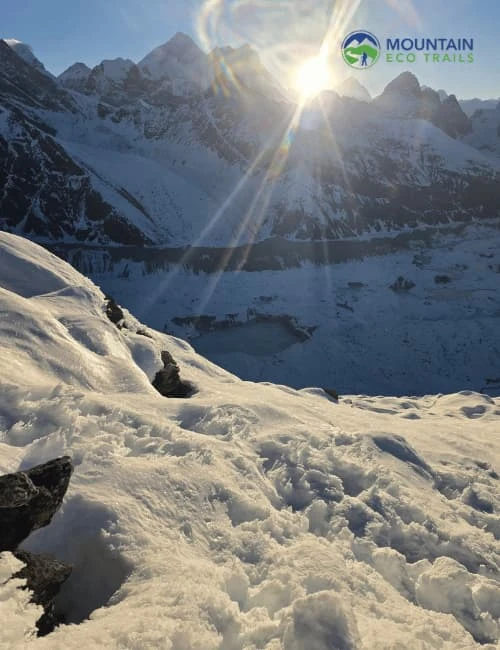
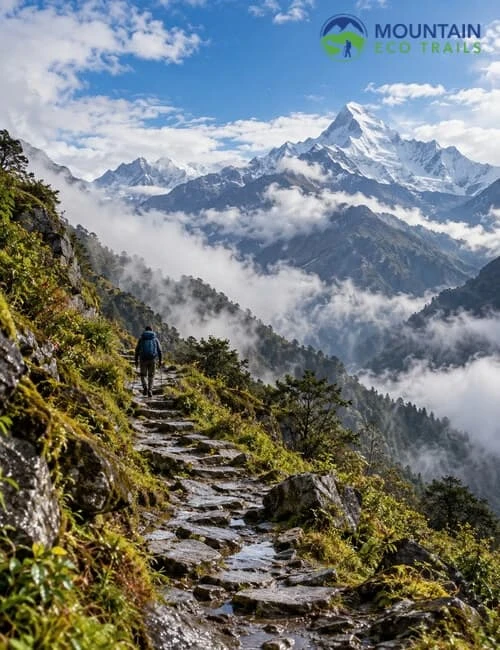
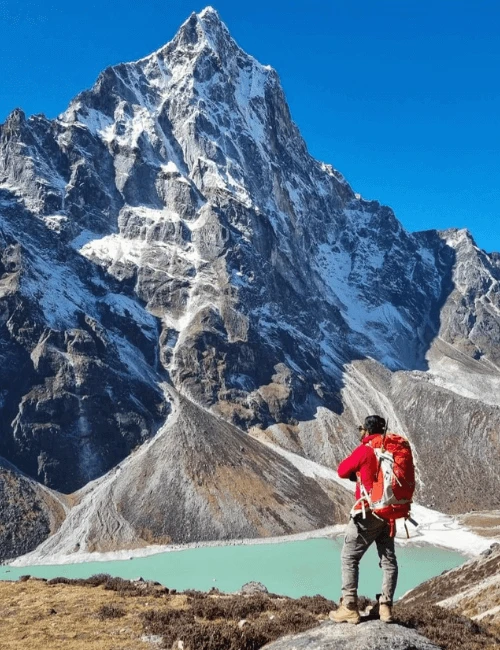
Upper Dolpo trekking is not just a trek—it’s a journey into Nepal’s last untouched Himalayan wilderness. Hidden behind the Dhaulagiri range, this remote region offers raw landscapes, ancient Tibetan culture, high mountain passes, and turquoise alpine lakes untouched by mass tourism.
This Upper Dolpo trekking guide 2026 covers everything you need to plan safely and confidently: a detailed itinerary, permit requirements, trekking cost, difficulty level, best seasons, altitude concerns, and expert planning tips—written for serious trekkers who want authenticity over crowds.
Why Choose Upper Dolpo Trekking?
Upper Dolpo is one of Nepal’s most restricted and least-visited trekking regions. Unlike Everest or Annapurna, there are no roads, no crowds, and very limited infrastructure.
Key reasons trekkers choose Upper Dolpo:
- True off-the-grid Himalayan experience
- Preserved Tibetan Buddhist culture
- Dramatic high passes above 5,000 m
- Crystal-clear lakes and sacred monasteries
- Ideal for experienced trekkers seeking solitude
If you want a trek that feels like stepping back in time, Upper Dolpo Trek delivers—quietly and powerfully.
Getting to Dolpo
To reach the Dolpo Region, fly to Nepalgunj for Kathmandu or Pokhara. However, if you like driving in the countryside, take a local bus to Nepalgunj and fly to Jhupal the next day. There is no direct flight from Kathmandu to Nepalgunj. Hence, you must take two flights to get there.
Quick Facts About the Dolpo Trekking Guide:
- Highest Altitude: 5100 meters (Saldang La Pass)
- Lowest Altitude: 150 meters (Nepalgunj)
- Total Trekking Days: 20-25 Days.
- No. of Pax: Min. 2 Persons.
Upper Dolpo Trek Difficulty: How Hard Is It?
Upper Dolpo trekking is rated challenging and is not recommended for beginners.
What Makes It Difficult?
- Long trekking days (6–8 hours daily)
- Multiple high passes above 5,000 m
- Remote terrain with no road access
- Camping-based trek (no teahouses in Upper Dolpo)
- Limited medical facilities
Who Is This Trek For?
- Experienced Himalayan trekkers
- High-altitude hikers with camping experience
- Travellers seeking remote cultural immersion
Proper acclimatisation, physical fitness, and professional logistics are non-negotiable here.
Altitude & Acclimatisation in Upper Dolpo
Altitude sickness is a real risk in Upper Dolpo due to rapid elevation gain and extreme remoteness.
Highest Points
- Nangdalo La Pass: 5,350 m
- Kang La Pass: 5,360 m
- Crystal Mountain area: ~5,000 m
Safety Tips
- Build acclimatisation days into the itinerary
- Stay hydrated and walk slowly
- Avoid skipping rest days
- Trek with an experienced guide and support team
Mountain Eco Trails designs itineraries with altitude safety as a priority, not an afterthought.
Trekking Routes in Dolpo
- The Upper Dolpo Trekking
- Shey Phoksundo Trek
- Kangmara La Pass Trek
- Upper Dolpo to Upper Mustang Trek
- Lower Dolpo Trek
Tea House and Camping During the Dolpo Trek
It is a combination of a teahouse and a camping trek. There are limited teahouses along the trail with simple facilities. The crew members will set up the camp where there is no teahouse. Likewise, at some point during the trek, you can see only Yak and other wildlife. At the campsite, you will be provided a comfy tent house for sleep, a toilet, and a dining tent.
Festivals in the Dolpo Region
The trek to the Dolpo region has more cultural significance because the people follow Tibetan Buddhism. People from Upper Dolpo celebrate festivals like Buddha Jayanti, Sonam Lhosar, Shey Festival, and Yungney. Similarly, the middle and lower Dolpo region communities celebrate Chye Chu, Keja, Chaigu, Yacha, Dashain, Tihar, and Mastta.
Why is it called off the Beaten Path Trek?
There are several reasons why Dolpo is considered an off-the-beaten-path trek. Firstly, this region's untouched beauty lies in a remote area of Nepal. This journey takes you to the Tibetan-influenced valley of Dho Tarap. The trail was closed to foreigners until 1989 because of some disputes. Since then, it has been declared a restricted region for the preservation of the region. Hence, only a few travellers visit the Dolpo region.
Similarly, crossing different high passes above 5000 meters is a unique experience on this trek. The region's unique geography and landscape make it a more remote and off-the-beaten-path. Likewise, the captivating Turquoise Lake of Shey Phoksundo with Stunning views of the Himalayas in the background uplifts the adventure of this trek.
Upper Dolpo Trekking Itinerary (Classic Route)
Below is the most popular Upper Dolpo trekking itinerary (24–26 days), designed for proper acclimatisation and cultural exploration.
Day-by-Day Highlights
- Fly Kathmandu → Nepalgunj → Juphal
- Trek through Dunai, Chhepka, and Ringmo
- Explore Shey Phoksundo Lake (3,650 m)
- Acclimatisation day at Phoksundo
- Cross Nangdalo La (5,350 m)
- Visit Shey Gompa
- Explore Crystal Mountain (Saldang region)
- Cross Kang La Pass (5,360 m)
- Exit via Tarap Valley and return to Juphal
This itinerary balances altitude safety, cultural depth, and physical challenge—ideal for experienced trekkers.
Upper Dolpo Trekking cost
The Upper Dolpo Trek costs start from USD 2899 per person for the 28-day Dolpo Trek Itinerary. However, the cost is also based on the duration, guide fee, permit cards, group size, and several other aspects.
Best Time Guide for Upper Dolpa Trekking
Best Seasons
- May to June – Pre-monsoon, stable weather
- September to October – Clear skies, best visibility
- Why Summer Works in Dolpo
- Unlike most of Nepal, Upper Dolpo lies in a rain shadow, making summer trekking possible even during monsoon months.
Avoid
- Winter (heavy snow, closed passes)
- Early spring (unstable conditions)
Upper Dolpo Trekking Permits (Updated 2026)
Upper Dolpo is a restricted trekking region, requiring special permits.
Required Permits
- Restricted Area Permit (Upper Dolpo)
- USD 500 per person for first 10 days
- USD 50 per extra day
- Shey Phoksundo National Park Permit
- TIMS Card (handled by trekking agency)
Important Rules
- Minimum of two trekkers required
- Must trek with a licensed Nepali agency
- Independent trekking is not allowed
Permits must be processed in Kathmandu through a registered operator.
Frequently Asked Questions (FAQ)
Is the Upper Dolpo trekking worth the cost?
Yes—if you value remoteness, culture, and untouched landscapes over comfort and convenience.
Can beginners do the Upper Dolpo Trekking?
No. This trek is best for experienced trekkers only.
How long is the Upper Dolpo trekking?
Typically 24–26 days, depending on route and acclimatisation.
Do I need travel insurance for Upper Dolpa Trekking?
Yes—insurance must cover high-altitude trekking and helicopter evacuation.
Why book this trek with Mountain Eco Trails?
Our Mountain Eco Trail Team is highly experienced travel experts with skilled and knowledgeable professionals. From our trekking guide, ground staff, porters, and camp staff, we all are travel enthusiasts and keen on providing high-quality service to our clients. Feel free to contact us via WhatsApp at +9779849790153 for further details of the Upper Dolpo Trekking Guide.