Introduction: When Should You Trek Mardi Himal?
Choosing the best time for the Mardi Himal Trek can shape your whole experience.
One month gives you crystal-clear views of Machhapuchhre. Another month gives you blooming rhododendron forests. Another may bring rain, clouds, slippery trails, or cold nights at High Camp.
Whether you are a seasoned trekker or a beginner, timing matters even more. You may be planning a long international trip, connecting through Kathmandu, adjusting to Nepal’s altitude, and trying to match your vacation dates with the best mountain conditions.
This guide explains the Mardi Himal Trek's best time, weather by month, spring vs autumn differences, beginner-friendly months, crowd levels, temperature, and practical booking tips.
By the end, you will know exactly which season fits your fitness level, travel style, and mountain-view expectations.
The best season for the Mardi Trek
The best season for the Mardi Himal Trek is autumn from September to November and spring from March to May. October is best for clear mountain views. April is best for flowers and warmer weather. Beginners should choose April, October, or November for the safest balance of visibility, comfort, and trail conditions.
Mardi Himal lies in the Annapurna region near Pokhara and is known as a shorter, less crowded alternative to classic Annapurna trails. The trek follows forest trails, ridge sections, Low Camp, High Camp, and a viewpoint near Mardi Himal Base Camp at around 4,500 meters.
Best Months for Mardi Himal Trek
Month | Trekking Quality | Best For | Beginner Friendly? |
January | Cold but quiet | Experienced trekkers | Moderate |
February | Cold, clearer later in month | Low crowds | Moderate |
March | Good spring start | Flowers, fewer crowds | Yes |
April | Excellent | Rhododendrons, warm days | Yes |
May | Good but warmer/cloudier | Flexible trekkers | Yes |
June | Wet season starts | Green landscapes | Not ideal |
July | Heavy monsoon | Solitude only | No |
August | Wet and cloudy | Off-season trekkers | No |
September | Improving weather | Early autumn | Yes, later half |
October | Excellent | Clear views, stable weather | Yes |
November | Excellent | Clear skies, quieter than October | Yes |
December | Cold but scenic | Quiet trails | Moderate |
October is often the best month for the Mardi Himal Trek because the post-monsoon sky is clearer, the trails are drier, and mountain visibility is excellent. April is the best spring month for warmer weather, blooming rhododendrons, and comfortable walking conditions. Beginners should avoid the peak monsoon months from June to August.
Mardi Himal Trek Weather by Month
The Mardi Himal Trek weather by month changes quickly because the route climbs from the lower hills near Pokhara to alpine ridges above High Camp. Lower sections can feel warm, while mornings near High Camp and Mardi Himal Viewpoint can be windy and cold.
The Annapurna region has strong seasonal variation. Autumn generally brings clear skies and strong visibility, spring brings mild temperatures and blooming forests, monsoon brings heavy rain, and winter brings colder conditions at higher elevations. Pokhara, the main gateway city for Mardi Himal, follows this same broad pattern.
Month | Day Temp. Estimate | Night Temp. Estimate | Weather Pattern | View Quality |
January | 5°C to 12°C | -8°C to 0°C | Cold, dry, possible snow | Good |
February | 6°C to 14°C | -6°C to 1°C | Cold, improving visibility | Good |
March | 8°C to 17°C | -3°C to 4°C | Spring begins | Good |
April | 10°C to 20°C | 0°C to 6°C | Mild, colourful forests | Good to excellent |
May | 12°C to 22°C | 3°C to 8°C | Warmer, some haze | Moderate to good |
June | 14°C to 23°C | 6°C to 10°C | Rain starts | Limited |
July | 15°C to 24°C | 8°C to 12°C | Wet, cloudy, slippery | Poor |
August | 15°C to 24°C | 8°C to 12°C | Wet, humid, cloudy | Poor |
September | 12°C to 21°C | 5°C to 9°C | Weather improves | Good late month |
October | 9°C to 18°C | 0°C to 6°C | Dry, clear, stable | Excellent |
November | 6°C to 15°C | -3°C to 3°C | Clear and cooler | Excellent |
December | 4°C to 12°C | -7°C to 0°C | Cold, quiet, dry | Good |
Note: Temperatures are realistic trekking estimates, not fixed forecasts. Weather in the Himalayas can change quickly, especially above Low Camp and High Camp.
Seasonal Guide for the Mardi Himal Trek
Spring Season: March to May
Spring is one of the best seasons for the Mardi Himal Trek. The trail becomes warmer, forests look alive, and rhododendrons bloom, adding colour to the lower and middle sections of the route.
For trekkers who want a softer Himalayan experience, spring feels welcoming. The mornings are usually pleasant, the daylight hours are longer, and the trail feels energetic without being as intense as high-altitude expeditions.
Why Spring Is a Good Time
- Warmer daytime temperatures
- Rhododendron forests in bloom
- Good trail conditions
- Active teahouses
- Great for beginners
- Comfortable for travellers adjusting to Nepal
Possible Downsides
- Afternoon clouds may build in late spring
- May can feel warmer and hazier
- Popular weeks can be busier
- Views may be less sharp than in October or November
Mardi Himal Trek in April
The Mardi Himal Trek in April is one of the best choices for beginners and first-time trekkers from the United States. April has warmer conditions, colourful forests, and a lively trekking atmosphere.
April is especially good if you want nature, photography, and comfort. The trail is not as cold as winter and not as wet as the monsoon.
Autumn Season: September to November
Autumn is widely considered the best season for the Mardi Himal Trek if your main goal is mountain visibility. The monsoon rain clears the dust and haze, leaving sharper views of Machhapuchhre, Annapurna South, Hiunchuli, and Mardi Himal.
For many travellers, autumn also fits well with fall vacation planning. October and November are especially popular for trekking across Nepal because the weather is more stable and skies are clearer. Autumn is also one of Pokhara’s peak tourism periods, with October and November known for strong mountain visibility and high visitor demand.
Why Autumn Is a Good Time
- Best chance of clear mountain views
- Stable weather
- Dry trails after monsoon
- Great photography conditions
- Comfortable daytime walking
- Strong teahouse availability
Possible Downsides
- October can be busier
- Advance booking is recommended
- Nights get colder in November
- Popular lodges may fill quickly
Mardi Himal Trek in October
The Mardi Himal Trek in October is ideal for trekkers who want the highest chance of clear skies and classic Himalayan views. October is often the first choice for photographers, first-time visitors to Nepal, and travellers seeking safer trail conditions.
Mardi Himal Trek Spring vs Autumn
Both spring and autumn are excellent, but they offer different trekking experiences.
Factor | Spring: March to May | Autumn: Sept. to Nov. |
Best Month | April | October |
Mountain Views | Good, sometimes hazy | Excellent and sharper |
Flowers | Best season for rhododendrons | Less colorful forest |
Temperature | Warmer | Cooler, especially at night |
Trail Condition | Good | Very good after monsoon |
Crowd Level | Moderate to high | High in October |
Best For Beginners | April and early May | October and November |
Best For Photography | March/April for flowers | October/November for peaks |
Risk Factor | Afternoon clouds in late spring | Crowds in peak autumn |
Overall Winner | Best for color and comfort | Best for clear views |
Which Is Better: Spring or Autumn?
Autumn is better if your main goal is clear mountain views. Spring is better if you want warmer weather, colourful forests, and a softer trekking atmosphere. For beginners, April and October are both excellent. For seasoned trekkers, November may feel more peaceful and visually sharper.
Best time for Beginners to do the Mardi Himal Trek
The best time for the Mardi Himal Trek for beginners is April, October, or November. These months offer better weather, active teahouses, clearer trails, and more predictable trekking conditions.
Mardi Himal is shorter than many classic Nepal treks, but it still reaches high elevation near Mardi Himal Viewpoint. The route includes forest paths, uphill ridge walking, and cold early-morning hiking above High Camp.
Why Beginners Should Choose Peak Seasons
- Better trail conditions
- Easier logistics
- More trekkers on the trail
- Open teahouses
- More reliable meals and rooms
- Better guide and porter availability
- Lower weather-related stress
Beginner-Friendly Recommendation
Choose April if you want warmer weather and blooming forests. Choose October if you want the best chance of clear mountain views. Choose November if you want clear views with slightly fewer crowds than October.
Best Time for Seasoned Trekkers to do Mardi Trek
Seasoned trekkers may enjoy Mardi Himal outside the busiest windows. If you have previous high-altitude hiking experience, you may prefer late February, early March, late November, or December.
These months are quieter and more atmospheric. The trails feel more peaceful, and the mountain views can still be excellent. However, colder conditions and limited flexibility require better planning.
Best Months for Experienced Trekkers
- Late February: quiet trails, cold mornings
- Early March: spring begins, fewer crowds
- Late November: clear skies, cooler nights
- December: quiet trails, winter views
Experienced trekkers should still check trail conditions before heading above High Camp, especially after snowfall or unusual weather.
Winter Mardi Himal Trek: December to February
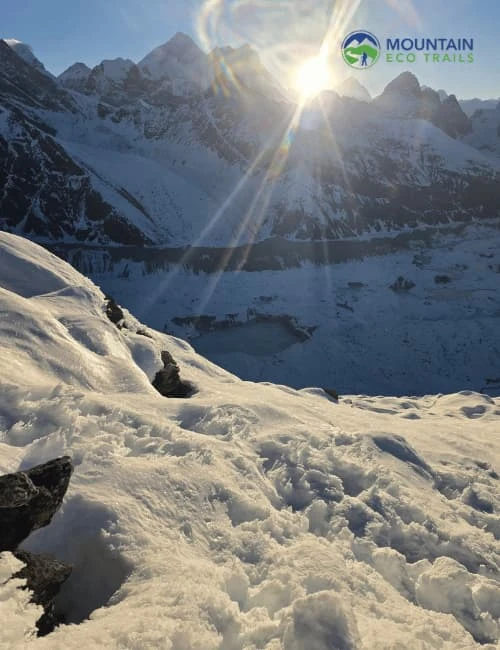
Winter is possible on the Mardi Himal Trek, but it is not the easiest season. The lower trail can be peaceful and beautiful, but the higher sections near High Camp and Mardi Himal Viewpoint can be cold, icy, or snowy.
Winter is best for trekkers who enjoy solitude and can handle cold mornings. It is less ideal for beginners unless they go with a licensed local guide and prepare proper winter gear.
Winter Pros
- Very quiet trail
- Clear mountain views on good days
- Peaceful teahouses
- Good for experienced trekkers
Winter Cons
- Cold nights
- Possible snow or ice
- Fewer people on the trail
- Shorter daylight hours
- Extra warm gear needed
Mardi Himal Trek is possible in winter, especially in December, but it is colder and more demanding. Beginners should trek with a guide, carry warm layers, and stay flexible. January and February may bring snow or icy conditions near High Camp.
Monsoon Mardi Himal Trek: June to August
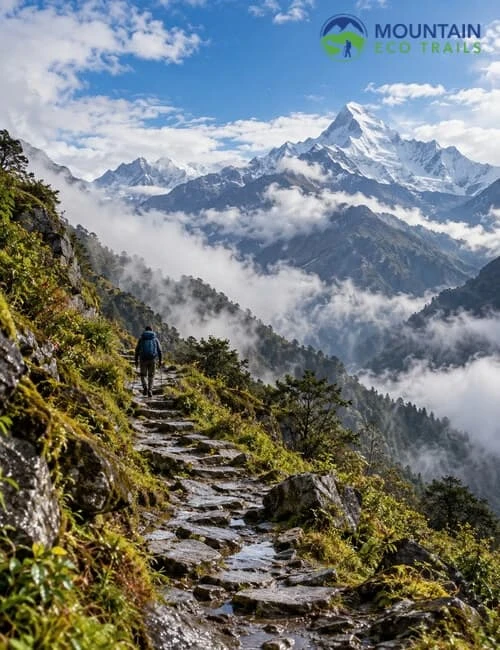
Monsoon is the least recommended time for the Mardi Himal Trek. June, July, and August bring rain, clouds, muddy trails, leeches in forest areas, and lower mountain visibility.
The Annapurna region receives strong monsoon influence, especially on the southern side near Pokhara. The Annapurna Conservation Area has high rainfall during the Asian monsoon from June to September, with precipitation varying by elevation and location.
Monsoon Pros
- Green forests
- Fewer trekkers
- Quiet teahouses
- Lower crowd pressure
Monsoon Cons
- Cloudy mountain views
- Wet and slippery trails
- Leeches in forest sections
- Higher risk of delays
- Road conditions may be affected
Mardi Himal Trek is possible during the monsoon, but it is not the best time. Rain, mud, leeches, clouds, and limited views can affect the experience. Monsoon is better for flexible trekkers who value solitude more than mountain visibility.
Mardi Himal Trek Temperature by Season
The Mardi Himal Trek temperature depends on elevation, month, and weather. Lower villages are warmer, while High Camp and Mardi Himal Viewpoint are much colder, especially before sunrise.
Season | Lower Trail Temp. | High Camp Temp. | Comfort Level |
Spring | Mild to warm | Cold mornings | Comfortable |
Summer/Monsoon | Warm and humid | Cool and wet | Less comfortable |
Autumn | Mild days | Cold mornings/nights | Very good |
Winter | Cool to cold | Very cold | Challenging |
Packing Tip by Temperature
For spring and autumn, bring layered clothing instead of one heavy jacket. You need a moisture-wicking base layer, fleece or insulated mid-layer, windproof jacket, down jacket, gloves, warm hat, and rain protection.
For winter, upgrade your sleeping bag, gloves, socks, and down jacket.
Best Time for Clear Mountain Views
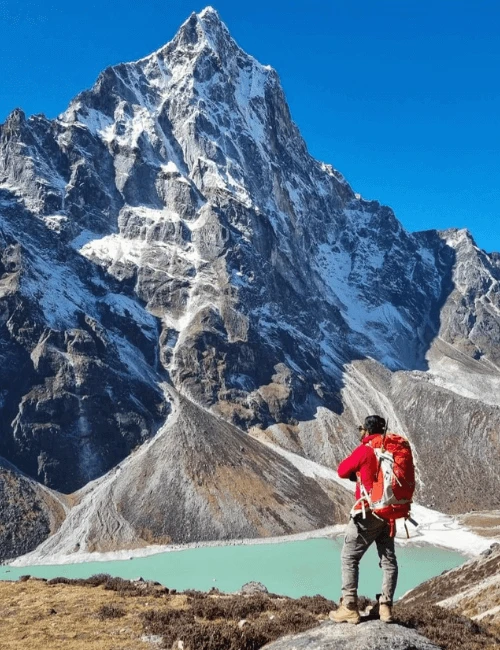
The best time for clear views on the Mardi Himal Trek is October and November. These months come after the monsoon, when the sky is usually cleaner and the mountains look sharper.
The sunrise hike from High Camp toward Mardi Himal Viewpoint is the main highlight of the trek. On a clear morning, you can see Machhapuchhre rising dramatically in front of you, with Annapurna South and Hiunchuli nearby.
Best View Months
- October
- November
- March
- April
- December
For photographers, October is the safest choice. For trekkers who want fewer people, late November is a strong alternative.
Best Time for Mardi Trek to Avoid Crowds
Mardi Himal is quieter than Everest Base Camp and Annapurna Base Camp, but it is no longer a hidden trail. October and April can be busy, especially around Low Camp and High Camp.
Best Low-Crowd Months
- Early March
- Late November
- December
- February
- Early September
Choose these months if you want a peaceful trail but still want reasonable weather.
Smart Crowd Avoidance Tip
Avoid major holiday clusters and start your trek on a weekday if possible. Stay flexible with teahouse stops and book early during October.
When Should Travellers Book the Mardi Himal Trek?
Travellers should plan earlier than regional travellers because flights, Nepal arrival dates, hotel stays, permits, and trekking logistics need coordination.
Recommended Booking Timeline
Travel Season | Best Booking Time |
March to April | Book 2–4 months ahead |
October to November | Book 3–5 months ahead |
December to February | Book 1–3 months ahead |
June to August | Book flexibly, check the weather closely |
Best Itinerary Length by Season
Most trekkers complete Mardi Himal Trek in 5 to 7 days from Pokhara. Beginners should avoid rushing the trek, especially when hiking toward High Camp and the viewpoint.
Season | Suggested Itinerary |
Spring | 5–7 days |
Autumn | 5–7 days |
Winter | 6–7 days with flexibility |
Monsoon | 6–7 days with weather buffer |
For travellers, a 6-day itinerary is usually more comfortable than a rushed 4-day trek. It gives you more time to adjust, enjoy the views, and handle weather changes.
Practical Tips for Choosing the Best Time for Mardi Trek
Choose October If:
- You want the clearest views
- You are visiting Nepal for the first time
- Photography matters
- You want stable weather
- You do not mind moderate crowds
Choose April If:
- You want warmer conditions
- You like forests and flowers
- You are a beginner
- You prefer spring travel
- You want a colorful trail experience
Choose November If:
- You want clear skies
- You prefer fewer crowds than in October
- You can handle colder mornings
- You want sharp mountain views
Choose December If:
- You are experienced
- You want quiet trails
- You can handle cold weather
- You are flexible with conditions
Avoid July and August If:
- You want mountain views
- You dislike rain
- You are a beginner
- You do not want muddy trails
- You have fixed travel dates
Safety and Weather Flexibility
Even in the best months, Himalayan weather can change. Trekkers should check local forecasts, listen to guides, and avoid pushing toward High Camp or the viewpoint during poor visibility, storms, or heavy snowfall.
In October 2025, unusual cyclone-driven snow and rain affected multiple Himalayan trekking regions, including Annapurna, and authorities warned hikers against continuing in several areas. This is a reminder that “best season” improves your chances but does not remove all weather risk.
A safe trek depends on season, preparation, guide support, and daily decision-making.
Plan the Right Season With a Local Expert
Not every trekker needs the same season.
A beginner may enjoy April’s warmer days. A photographer from May prefers October’s sharp sunrise views. A seasoned hiker may love late November’s quiet ridges.
If you want to choose the right month, itinerary, packing list, and guide support, plan your Mardi Himal Trek with a local Nepal trekking team that understands the route in every season.
Planning Mardi Himal Trek in 2026? Ask Mountain Eco Trails for a season-based itinerary, weather advice, and a custom trekking plan based on your travel month.
Contact us via email or WhatsApp us at +9779849790153.
FAQs About the Best Time for the Mardi Himal Trek
What is the best time for the Mardi Himal Trek?
The best time for the Mardi Himal Trek is spring from March to May and autumn from September to November. October and November are best for clear mountain views, while March and April are best for warmer weather and rhododendron forests.
Which is the best month for the Mardi Himal Trek?
October is usually the best month for the Mardi Himal Trek because the skies are clearer, the trails are drier, and the mountain visibility is excellent. April is the best spring month for trekkers who prefer warmer weather and colourful forests.
Is the Mardi Himal Trek possible in winter?
Mardi Himal Trek is possible in winter, especially in December, but it can be cold near High Camp and the viewpoint. Snow or ice may affect higher sections. Beginners should trek with a guide and carry proper warm clothing.
Is the Mardi Himal Trek possible in the monsoon?
Mardi Himal Trek is possible in the monsoon, but it is not the best season. June, July, and August bring rain, clouds, slippery trails, and leeches in forest sections. Mountain views are often blocked by clouds.
Is spring or autumn better for the Mardi Himal Trek?
Autumn is better for clear mountain views, dry trails, and photography. Spring is better for warmer weather, blooming rhododendrons, and a colourful forest experience. Beginners can choose either April or October for a comfortable trek.
How cold is the Mardi Himal Trek?
Mardi Himal Trek can be mild in the lower areas and cold near High Camp. In autumn and spring, mornings near the viewpoint can feel freezing. In winter, nights may drop below freezing, especially above Low Camp and High Camp.
When is Mardi Himal Trek least crowded?
Mardi Himal Trek is least crowded in early March, late November, December, February, and the monsoon months. For a good balance of fewer crowds and better weather, choose early March or late November.
What is the best time for clear views on the Mardi Himal Trek?
October and November are the best months for clear views on the Mardi Himal Trek. These months come after the monsoon, so the sky is usually cleaner, the air is clearer, and the mountains are more visible.
When should Travellers book the Mardi Himal Trek?
Travellers should book the Mardi Himal Trek 3–5 months ahead for October and November, and 2–4 months ahead for March and April. Early planning helps with flights, hotels, guides, permits, and better teahouse arrangements.
Conclusion: So, When Is the Best Time for the Mardi Himal Trek?
The best time for the Mardi Himal Trek is spring from March to May and autumn from September to November.
Choose October if you want the clearest mountain views and classic Himalayan weather. Choose April if you want warmer days, blooming rhododendrons, and a beginner-friendly trekking atmosphere. Choose November if you want clear skies with slightly fewer crowds. Choose December only if you are comfortable with cold conditions.
For most beginners and US travelers, the best months are April, October, and November. These months offer the safest mix of visibility, trail comfort, teahouse availability, and overall trekking experience.
Mardi Himal is short, scenic, and rewarding, but the right season makes it far better.
Also, check out: