Choosing the best time for the Everest Base Camp Trek can make a big difference to your Himalayan adventure. While April and October are among the most popular months, November, March, and even December offer different advantages. This month-by-month guide compares trekking weather, mountain visibility, trail crowds, temperatures, and Lukla flight conditions. It also explains when to book your Everest Base Camp Trek, how to prepare for seasonal challenges, and which month suits your trekking style. Plan your journey with practical insights from Mountain Eco Trails, a Nepal-based trekking operator.
Which month should you choose to trek to Everest Base Camp?
Best Time for Everest Base Camp Trek: Which Month Should You Choose?
The best time for the Everest Base Camp Trek is spring (March to May) and autumn (late September to November). October is often the best overall month for clear mountain views and post-monsoon conditions, while April offers relatively warmer trekking weather, blooming rhododendrons at lower elevations, and activity surrounding Everest's climbing season.
November is another excellent choice for trekkers who prefer fewer crowds and can handle colder nights. However, the best month depends on your priorities, trekking experience, and travel flexibility.
Similarly, no season or month can ensure clear skies or on-time Lukla flights. Hence, choosing a suitable date and having extra days for the EBC Trek is important.
Introduction: The Best Month Is Not Always the Busiest Month
EBC Trek in October or April? This is where most of the trekkers get confused while planning the Everest Base Camp Trek.
Both months offer excellent trekking opportunities, but they deliver different experiences. In April, the lower Khumbu forests reveal spring colours, adding a special atmosphere.
October often brings sharper post-monsoon mountain views, but it also attracts many trekkers.
Then there are the months travellers sometimes overlook. November may suit someone who wants a quieter trail, while late September can work for those prepared for uncertain weather.
Choosing the best time for the Everest Base Camp Trek involves more than looking at a weather forecast. You must consider crowds, altitude, overnight temperatures, Lukla flights, and how much time you can spare.
This guide helps you choose a month that matches your expectations rather than simply following the busiest trekking season.
What Is the Best Month to Trek Everest Base Camp?
October is generally the best time & all-round choice for Everest Base Camp trekking. This month is best especially for travelers prioritizing mountain visibility and comfortable daytime walking conditions.
April is an excellent alternative for spring scenery and Everest expedition activity. November suits trekkers looking for comparatively quieter trails, although nights become noticeably colder.
- Best overall month: October
- Best for spring trekking: April
- Best for fewer crowds: November or early December
- Best for Everest climbing-season atmosphere: April and May
- Best for warmer conditions: Late April and May, with increasing cloud risk
- Best avoided by travellers with tight schedules: July and August
Everest Base Camp Trek Month-by-Month Comparison
The Everest region changes significantly throughout the year. While lower villages such as Phakding and Namche Bazaar may feel pleasant during the day, conditions around Lobuche, Gorak Shep, and Everest Base Camp can be much colder.
The following table compares all 12 months to help you choose when to travel.
Month | Typical Conditions | Crowds | Our Assessment |
January | Very cold, with possible snow and ice | Low | Only for well-prepared winter trekkers |
February | Cold, occasional clear periods, lingering snow | Low | Possible with flexibility |
March | Spring transition, still cold at higher elevations | Moderate | Good |
April | Warmer spring days, flowering lower forests, expedition activity | High | Excellent |
May | Warmer, increasing afternoon cloud and pre-monsoon moisture | Moderate–High | Very good early in the month |
June | Monsoon onset, increasing cloud and rain | Low | Generally not recommended |
July | Monsoon rain, poor visibility, flight uncertainty | Very low | Generally avoid |
August | Continued monsoon conditions | Very low | Generally avoid |
September | Rain and cloud may linger early; improving later | Low–Moderate | Better late in the month |
October | Often clear post-monsoon skies and favorable trekking conditions | Very high | Excellent |
November | Cooler, often clear, with colder nights later | Moderate–High | Excellent |
December | Cold, potentially clear days, quieter trail | Low | Good for prepared trekkers |
Crowd levels and assessments are qualitative seasonal judgments, not measured visitor statistics. Weather varies by year, elevation, and individual storm systems.
January and February: Quiet Trails, Serious Winter Cold
January is among the coldest months in the Khumbu region. You can see spectacular views of mountains in the morning, and the usual trekking crowds are largely absent.
However, snow, ice, shorter daylight hours, and extremely cold nights make these months challenging. Some lodges may operate with limited facilities, particularly higher on the trail.
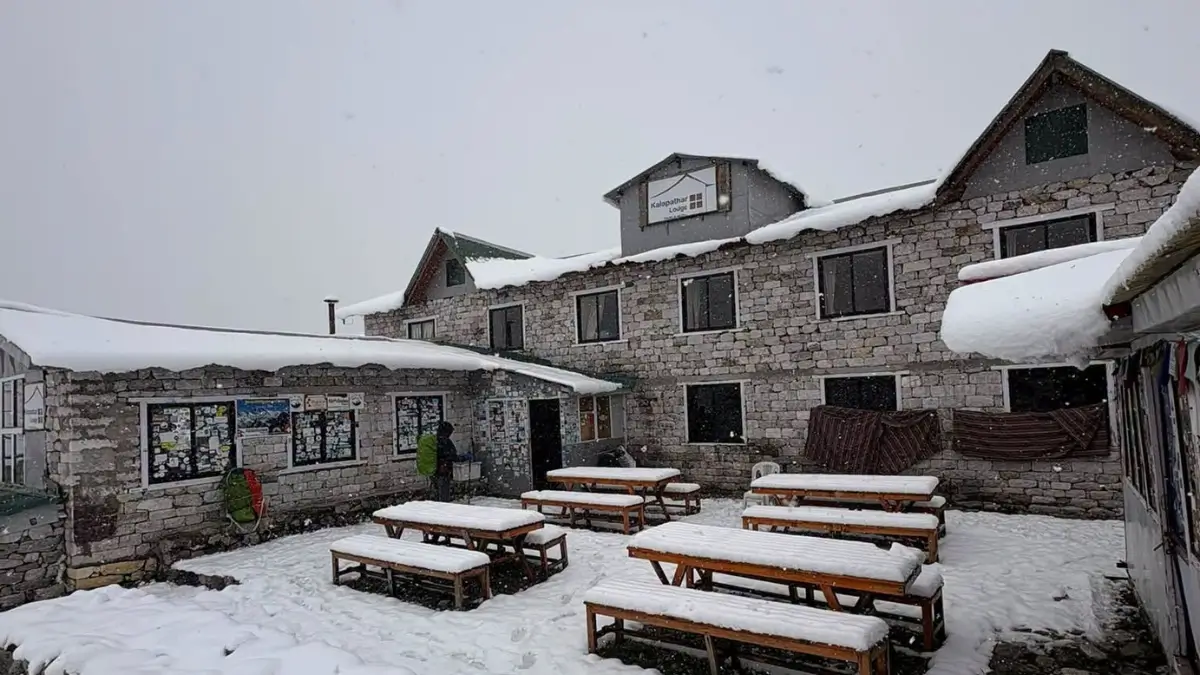
February gradually moves toward spring, but conditions can still be harsh around Dingboche, Lobuche, and Gorak Shep.
These months suit experienced trekkers who have appropriate winter equipment, can change their schedules, and understand the limitations of winter mountain travel.
Everest Base Camp in March: The Beginning of Spring Trekking
March is a transitional month. The main trekking season starts in March, but winter remains at higher valleys and villages.
In the Lower part of the Everest region, the trail becomes comfortable during the daytime, while above 4000 meters you can still find snow and freezing conditions.
March can be attractive for trekkers who want spring conditions without the busiest April crowds.
However, early March should not be mistaken for warm-weather trekking. A good sleeping bag, insulated clothing, and flexibility remain essential.
EBC Trek in April: Spring Scenery and Everest Expedition Season
April is one of the best months for the Everest Base Camp Trek.
Rhododendrons may bloom in the lower forests around the Khumbu, depending on elevation and seasonal conditions. As trekkers move toward Dingboche and Lobuche, the landscape becomes increasingly alpine.
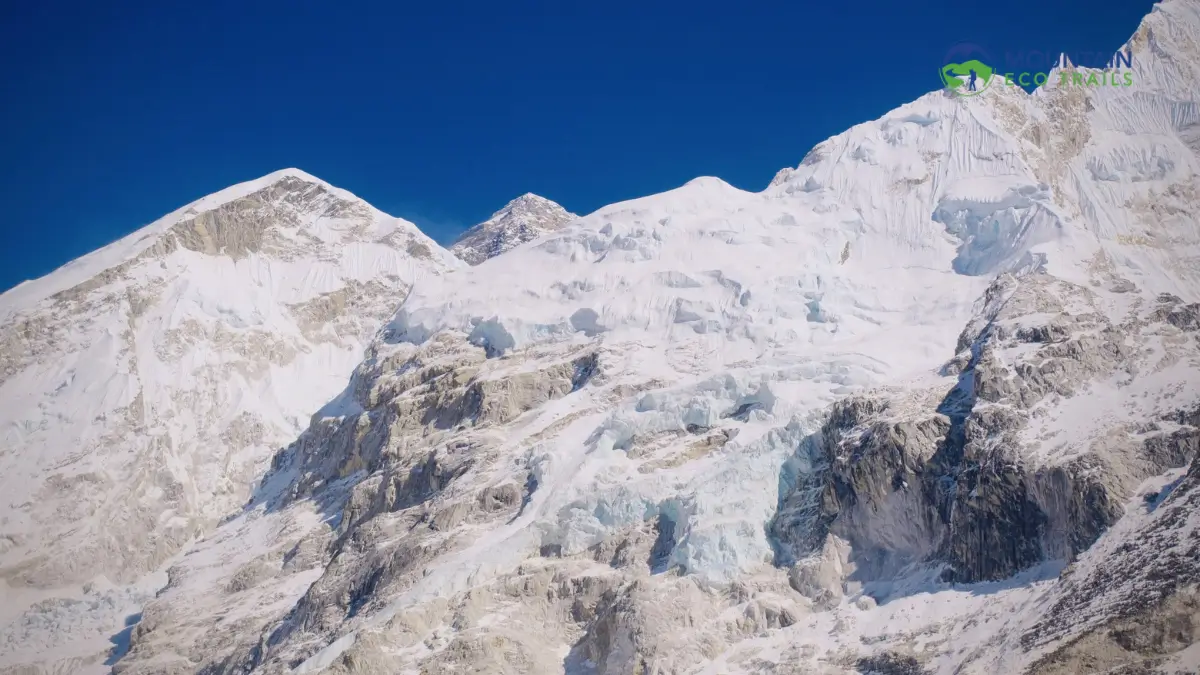
April also overlaps with preparations for Everest's main spring climbing season. Trekkers reaching Base Camp may see expedition infrastructure and activity, although access to working expedition camps is restricted and should never be assumed.
The main disadvantage is popularity. Lodges along the classic EBC route can become busy, particularly around Namche Bazaar, Dingboche, and Gorak Shep.
Choose April for spring scenery, a climbing-season atmosphere, and generally milder conditions than late autumn.
EBC Trek during May: Warmer Days but Increasing Cloud
May can still be an excellent trekking month, especially in the early weeks.
Temperatures generally rise as spring progresses, and you can see a lot of movement around Everest Expeditions too. However, at the end of May, the monsoon begins. You can experience moisture, afternoon clouds, and visibility obstacles.
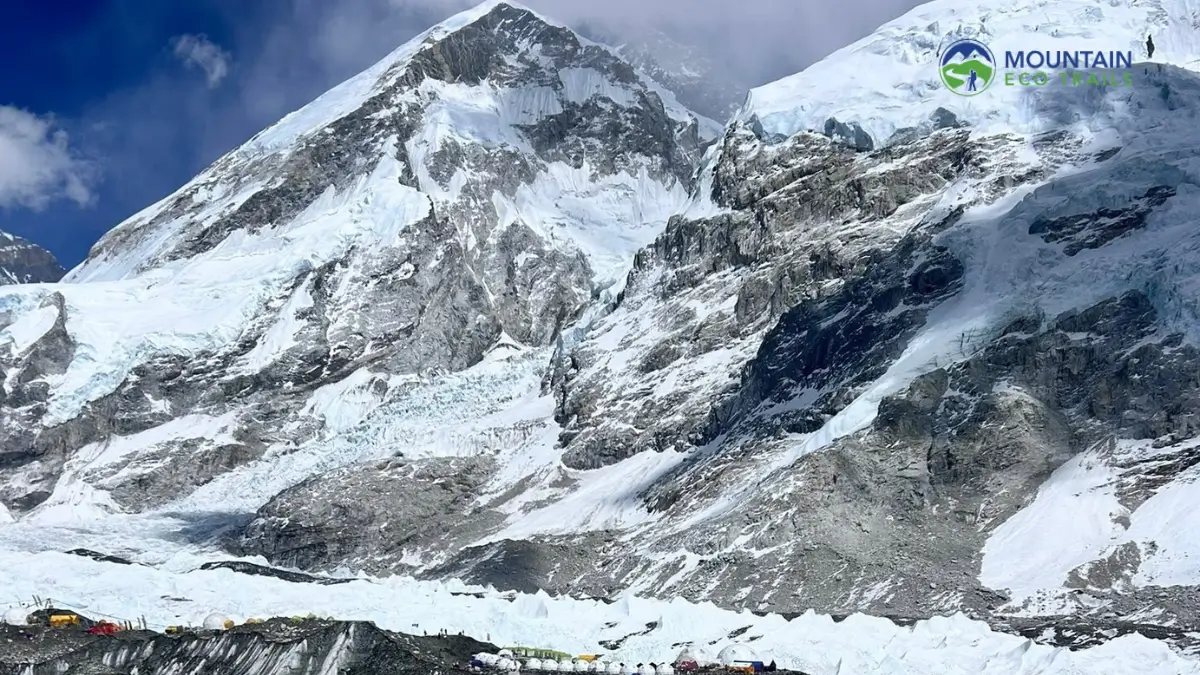
May may suit trekkers who prefer warmer daytime walking conditions and do not expect uninterrupted mountain views throughout the day.
June, July, and August: The Monsoon Trek to Everest Base Camp
The summer monsoon makes Everest Base Camp trekking less predictable.
Rainfall affects lower elevations, clouds frequently obscure mountain views, and flights to Lukla become more vulnerable to disruption.
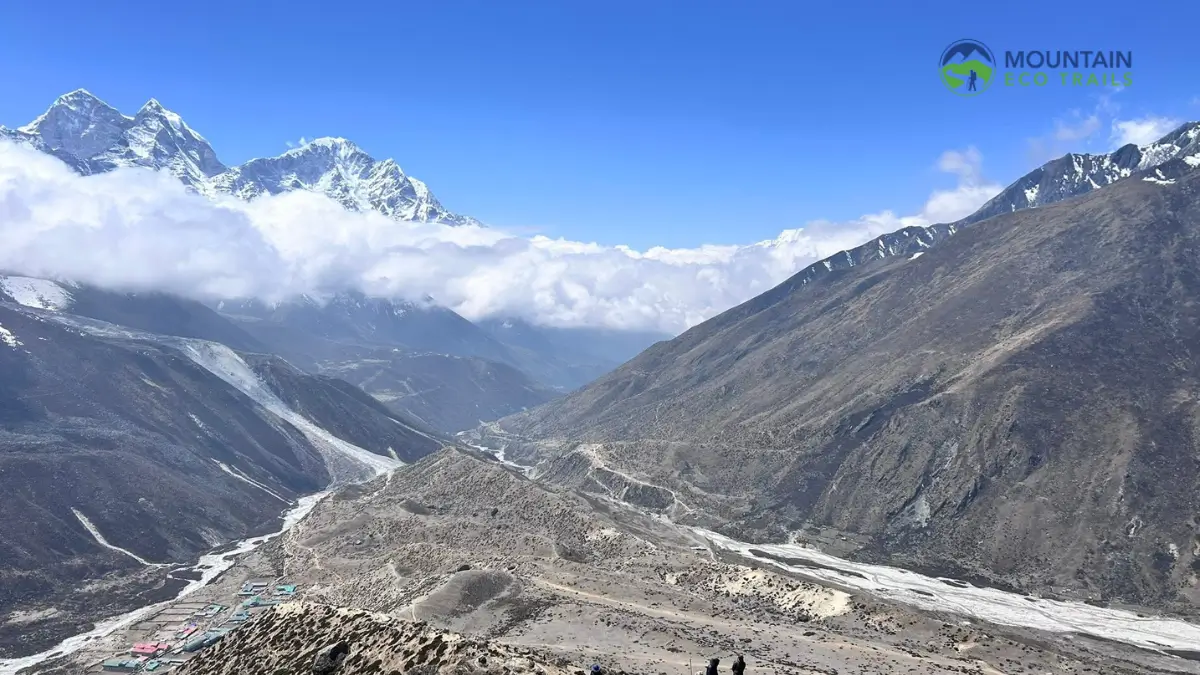
Conditions are not favourable throughout the trail. Although higher elevations may experience less rainfall but logistical risks are still there in the higher Everest Region.
The major concerns include getting wet while walking, Lukla flight cancellations, uncertain visibility, and limited flexibility.
September Trek to EBC: A Month of Two Different Experiences
September deserves more attention than it usually receives.
Early September can still resemble the monsoon season, with clouds and wet conditions. Later in the month, weather may begin improving as the monsoon slowly disappears.
A trek beginning late in September may reach Everest Base Camp during October, potentially offering a useful combination of seasonal timing and somewhat lower initial trail traffic.
However, the transition is not fixed to a specific date every year.
Late September is worth considering if you have flexibility, but early September should not be treated as equivalent to October.
Everest Base Camp Trek in October: The Most Popular All-Round Choice
For many travellers, October provides the best balance of mountain visibility, trekking conditions, and access to functioning teahouses.
After the monsoon, skies often become clearer, making it a popular period for photographing Everest, Ama Dablam, Lhotse, and Nuptse.
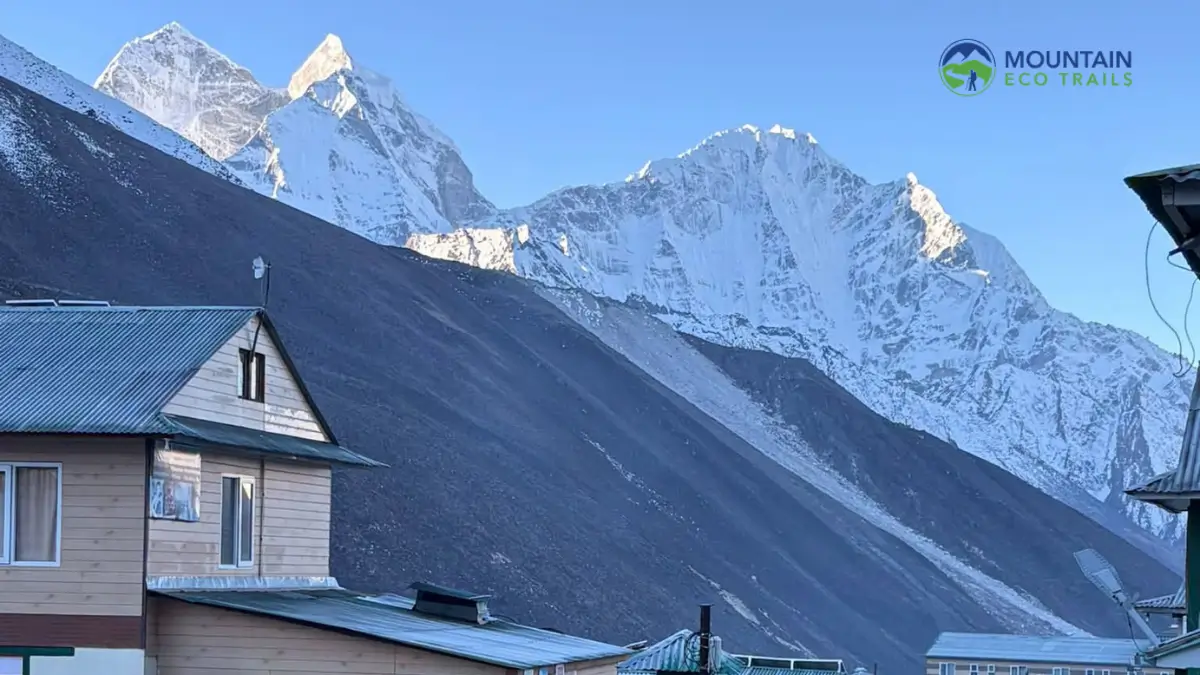
Daytime trekking can feel comfortable in sunshine, although nights at higher elevations remain cold. However, you will find heavy traffic along the trail in this month. Moreover, most of the teahouses and lodges are busy.
More importantly, October still doesn’t guarantee the regular Lukla Flights on time. If you want to experience the classic Everest Base Camp Trail, then October is an excellent choice.
Everest Base Camp Trek in November: Clear Views and Colder Nights
November is an excellent alternative to October.
Post-monsoon conditions often continue to provide good mountain visibility, while trekking traffic may decline as the month progresses.
The biggest difference is temperature, particularly after sunset and before sunrise. Trekkers staying in Lobuche or Gorak Shep should expect freezing conditions and prepare for significantly colder nights.
Early November offers a useful balance between autumn weather and slightly reduced peak-season traffic. Late November can feel much closer to winter.
For travellers who tolerate cold well, November may be more rewarding than a crowded October departure.
December: Everest Base Camp Trek Without the Usual Crowds
December brings quiet trails, crisp mountain mornings, and much colder conditions.
It is possible to trek to Everest Base Camp in December, but careful preparation matters. Snowfall can affect sections of the route, daylight is shorter, and accommodation choices may be more limited at higher elevations.
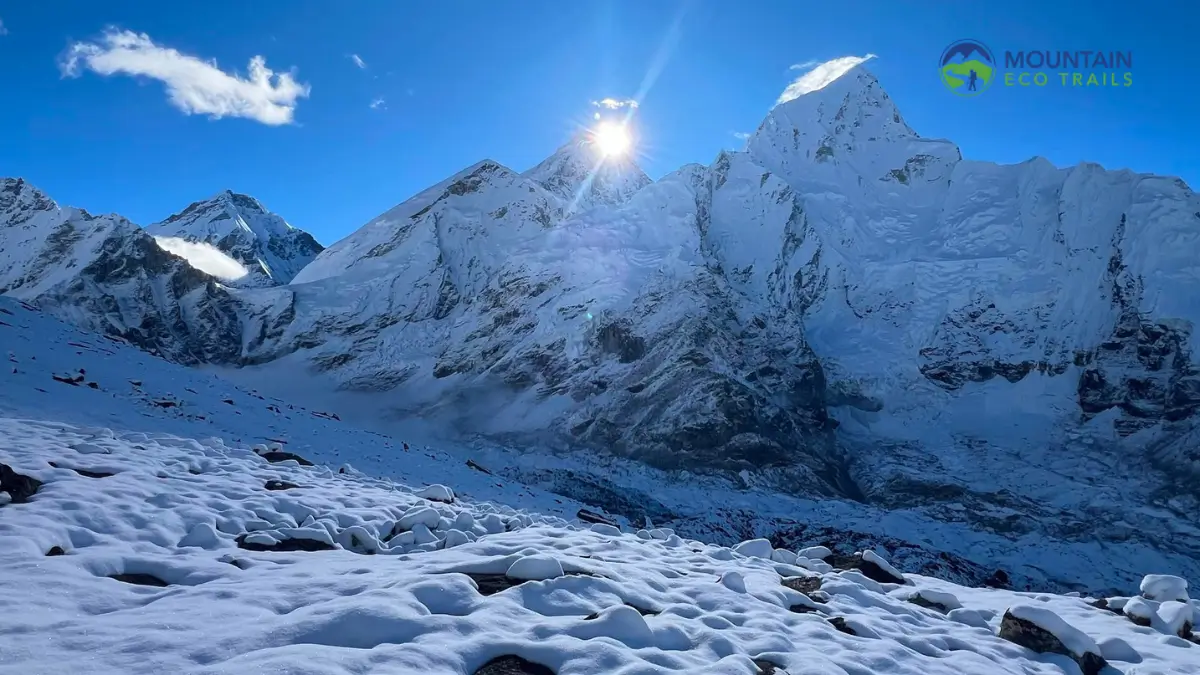
December is not automatically dangerous, nor is it suitable for everyone.
We would generally recommend it to trekkers who understand winter travel, have suitable equipment, and can adapt their plans if conditions deteriorate.
Everest Base Camp Weather & Temperature Guide
Temperature Overview
Location | Day Temp | Night Temp |
Lukla (2,860m) | 50–70°F | 30–40°F |
Namche Bazaar (3,440m) | 40–60°F | 20–30°F |
Everest Base Camp (5,364m) | 20–40°F | -10–10°F |
Trekkers should prepare for rapid temperature drops at higher altitudes. When the weather is clear, it can be warmer during the day. However, if there are sudden weather changes and snowfall, the temperature goes down rapidly.
Spring vs Autumn Everest Base Camp Trek: Which Is Better?
Both seasons offer rewarding experiences. The difference is what you want from the journey.
Factor | Spring: March–May | Autumn: Late September–November |
Mountain visibility | Often good, but afternoon haze or clouds can develop | Often excellent following the monsoon |
Daytime warmth | Generally increases through the season | Generally decreases through the season |
Scenery | Rhododendrons in lower forests | Post-monsoon clarity and autumn landscapes |
Everest expedition activity | Main climbing-season preparations and expeditions | Usually less summit-expedition activity |
Trail crowds | Particularly busy in April | Particularly busy in October |
Main drawback | Variable spring weather and increasing pre-monsoon moisture | Crowds in October and cold later in November |
Best for | Spring atmosphere and climbing-season interest | Photography and post-monsoon trekking |
Everest Base Camp April vs October
If you can choose only one of these months, decide what matters most.
April is better for travellers interested in spring landscapes and Everest expedition activity. October is generally better for those prioritizing post-monsoon visibility and classic Himalayan photography.
Both can be crowded. Both can experience storms. And neither removes the need for adequate acclimatisation.
Everest Base Camp October vs November
October offers comparatively milder autumn conditions and is particularly popular with international trekkers.
November may provide a quieter atmosphere as the season progresses, but temperatures become increasingly cold.
If you dislike cold mornings, October may suit you better. If you have proper cold-weather equipment and prefer somewhat fewer people, consider November.
Everest Base Camp Trek in Spring or Autumn?
The best season for Everest Base Camp depends on your trekking preference.
Choose April for spring flowers, relatively warmer conditions, and Everest climbing experience. Choose October for post-monsoon mountain visibility and classic trekking conditions.
November is a strong alternative for travellers comfortable with colder nights. All three months require weather flexibility, proper acclimatisation, and planning for Lukla flights.
Everest Base Camp Weather and Temperature by Month: What Really Changes?
You have to be very careful if you see the same weather information month by month on the internet. You may see a single temperature in entire month in some outdated blogs or websites.
The EBC route climbs through several different elevation zones.
Lukla (around 2,860 m): The lower mountain gateway, where seasonal temperatures are relatively milder.
Namche Bazaar (around 3,440 m): Often pleasant in direct sunshine during the main trekking seasons, but colder at night.
Dingboche (around 4,410 m): Alpine conditions become more noticeable.
Lobuche (around 4,940 m): Cold nights are normal even during popular trekking months.
Gorak Shep (around 5,164 m): Overnight temperatures frequently fall below freezing.
Everest Base Camp (approximately 5,364 m): A daytime trekking destination for most classic itineraries rather than an overnight teahouse stop.
Temperatures vary with elevation, sun exposure, wind, cloud cover, and passing weather systems.
A sunny afternoon at Namche Bazaar tells you very little about how cold your room might be at Gorak Shep.
For precise monthly temperature comparisons, use station-specific historical records from Nepal's Department of Hydrology and Meteorology rather than unsourced figures presented as guarantees.
Why Morning Visibility Matters
Trekkers often find that mornings provide better opportunities for mountain photography than afternoons, particularly during spring.
As the day warms, clouds can build around mountain slopes and obstruct views. This is one reason early-morning excursions to Kala Patthar are popular.
Still, mountain weather is unpredictable. A sunrise hike does not guarantee that Everest will be visible.
When Is the Best Time for Everest Base Camp Without Crowds?
Late November, early December, and March are useful alternatives for trekkers seeking a quieter Everest Base Camp experience. They generally attract fewer trekkers than the busiest weeks of October and April, but these months involve the possibility of snow and temperature fluctuations.
There is another consideration: quiet trails do not always mean better accommodation.
During the main trekking season, more lodges are actively serving visitors, but demand is higher. During quieter periods, some lodges may reduce services or close temporarily.
For someone trekking Everest for the first time, we would not recommend choosing a winter month solely to avoid people.
Instead, consider a carefully planned March or November departure, with suitable clothing and realistic expectations.
For a deeper explanation, read our guide to why Everest Base Camp gets crowded.
How Seasonal Weather Affects Lukla Flights
This is one of the most important parts of choosing an Everest Base Camp trekking date.
Most classic EBC itineraries begin with a flight to Lukla's Tenzing-Hillary Airport. The airport is surrounded by mountainous terrain and operates under conditions that can change quickly.
A clear morning in Kathmandu does not mean Lukla is suitable for landing.
Kathmandu vs Ramechhap: The Peak-Season Reality
In recent peak trekking seasons, many scheduled Lukla flights have operated from Manthali Airport in Ramechhap rather than Kathmandu.
This arrangement can require travellers to leave Kathmandu very early, sometimes around midnight or in the early morning, to reach Manthali for their flight.
The road transfer often takes several hours, depending on road conditions, vehicle arrangements, and traffic.
However, flight routing and schedules can change between seasons.
Why You Need Buffer Days for the Everest Base Camp Trek?
Even during October and April, Lukla flights may be postponed because of clouds, wind, or poor visibility. A weather delay can affect both the start and end of your trek.
Consider these planning precautions:
- Keep approximately two extra days in Nepal after the planned trek, where possible.
- Avoid scheduling an international flight immediately after your expected return from Lukla.
- Confirm whether your package includes Kathmandu–Manthali ground transportation.
- Ask how the operator handles weather-related flight rescheduling.
- Check the coverage and limitations of your travel insurance.
We always recommend having at least 2 buffer days apart from the trekking part. A helicopter can be a good alternative, but they also need suitable weather, availability, & cost.
When Should You Book Your Everest Base Camp Trek?
You should book your Everest Base Camp Trek at least 3 to 6 months in advance for a sensible departure. The time allows us to arrange the required logistics and guides and make the trip smoother.
This is planning advice rather than a fixed booking requirement.
The ideal lead time depends on your preferred dates, group size, international flights, guide availability, accommodation preferences, and package arrangements.
Suggested Booking Timeline
Time Before Trek | What to Arrange |
6 months | Select preferred season, review itinerary, estimate overall budget |
4–5 months | Contact a local operator, compare packages, confirm available dates |
3 months | Finalize core bookings, flights, insurance, and required equipment |
1–2 months | Continue physical preparation and review packing requirements |
2–4 weeks | Reconfirm transport arrangements and important travel details |
Final week | Check forecasts, flight plans, road updates, and emergency contacts |
For a private trek, dates may be more flexible than fixed group departures, subject to available services.
Should You Book the Cheapest Departure Month?
Not necessarily. A lower package quote is not automatically a better deal if the departure period has greater weather-related disruption risk.
An apparently cheaper trek may become more expensive when you account for extra hotel nights, rebooked transportation, or unexpected changes to your international travel plans.
Compare the full cost, including guide, porter, accommodation, meals, permits, Lukla flights, transfers, insurance, and contingency expenses.
See our Everest Base Camp Trek cost guide for more detailed budget planning.
When to Book Trek to Everest Base Camp?
Travellers planning an Everest Base Camp Trek in April or October should consider organizing their trip roughly three to six months in advance. This allows time to compare itineraries, arrange flights, prepare equipment, and discuss Lukla flight arrangements. Private treks can sometimes be arranged with shorter notice, but availability and conditions must be checked. Always leave room in your travel schedule for possible weather delays.
Best Time for EBC Trek 2027, 2028: How to Choose Your Departure
If you are planning the Everest Base Camp Trek in 2027 & 2028, the strongest starting options are March–May and late September–November.
Instead of selecting one exact date solely because a website recommends it, consider the entire journey. For example, a departure from Kathmandu in late September might reach Everest Base Camp in October, depending on the itinerary.
Similarly, starting in late October could mean spending your highest nights during the colder conditions of November.
Before confirming your 2027 trek, ask your operator:
- On which date will we actually reach Everest Base Camp?
- How many acclimatisation days are included?
- Will our Lukla flight depart from Kathmandu or Manthali?
- What happens if a flight is delayed?
- Are guide and porter arrangements confirmed?
- How many days should we reserve after returning to Kathmandu?
For most first-time visitors with flexibility, we would shortlist April, October, and early November before comparing individual departure dates.
Actual 2027 flight schedules, operational diversions, and package availability should be verified closer to travel rather than assumed from previous seasons.
Which Month Should You Choose? Our Practical Recommendation
There is no perfect trekking month for everyone.
A photographer might prioritise clear mountain visibility. Another traveller may prefer mild daytime conditions. Someone who has already completed Everest Base Camp might return specifically to experience a quieter winter landscape.
Use this simple guide:
Your Priority | Month to Consider |
First Everest Base Camp Trek | April or October |
Clear mountain photography | October or November |
Spring flowers and expedition atmosphere | April |
Slightly quieter autumn experience | November |
Fewer people and spring transition | March |
Warmer trekking days | Late April or early May |
Winter adventure | December–February, with experience and preparation |
Limited time and little flexibility | Avoid the main monsoon period |
For most international trekkers, October remains our preferred all-round month, while April is our strongest spring recommendation.
But the final decision should account for your available holiday dates, altitude experience, tolerance for cold, and willingness to accept possible transport delays.
Plan Your Everest Base Camp Trek With Mountain Eco Trails
At Mountain Eco Trails, we believe choosing the right trekking date should come before choosing a package.
Tell us your preferred month, number of available days, group size, and previous trekking experience. We can help you compare suitable itineraries, discuss seasonal conditions, and understand important logistics before you commit.
Explore our Everest Base Camp Trek – 14 Days or contact us for a private trekking plan.
Email: [email protected]
WhatsApp: +977 9849790153
We would rather help you select realistic dates than promise perfect mountain weather.
Frequently Asked Questions About the Best Time for Everest Base Camp Trek
1. What is the best month to trek Everest Base Camp?
October is generally considered one of the best months to Trek Everest Base Camp. The post-monsoon conditions often bring good mountain visibility and favourable trekking weather. April is another excellent choice for spring landscapes and Everest expedition activity.
2. Is April or October better for Everest Base Camp?
April is ideal for spring scenery, relatively milder temperatures, and Everest climbing-season activity. October often provides particularly good post-monsoon mountain visibility.
3. Is November a good time for Everest Base Camp Trek?
Yes. November is an excellent month for Everest Base Camp trekking, especially during the earlier weeks. Mountain visibility can be very good, and crowds may gradually decrease.
4. Can beginners trek Everest Base Camp in March?
Yes, physically prepared beginners can consider March if they follow a well-paced itinerary with proper acclimatisation. The higher trail may still experience winter-like conditions, including snow and freezing temperatures. Beginners should avoid rushing the ascent and prepare for cold mountain weather.
5. Can I trek Everest Base Camp in December?
Everest Base Camp trekking is possible in December, but it requires greater preparation for cold conditions, potential snow, shorter daylight hours, and reduced lodge services.
6. What is the best time for Everest Base Camp without crowds?
Late November, early December, and parts of March are the best times for the Everest Base Camp Trek without crowds. It generally offer quieter trekking conditions than peak October or April.
7. How far in advance should I book Everest Base Camp Trek?
Booking 3 to 6 months in advance is a sensible plan. This gives international travellers time to arrange flights, travel insurance, equipment, and suitable itineraries.
8. Are Lukla flights reliable in October?
No, Lukla flights are not reliable in October. October is a popular trekking month, but Lukla flights can still be delayed or canceled because of poor visibility, clouds, wind, and other operational conditions.
9. Is September a good month for Everest Base Camp?
Late September can be a reasonable trekking period as the monsoon begins retreating, although weather improvements vary between years.
10. Does the Everest Base Camp trekking season affect altitude sickness?
Altitude sickness can occur during any trekking season. A warmer month does not make rapid ascent safe. Sleeping altitude, ascent rate, individual susceptibility, and acclimatisation matter more. Choose an itinerary with appropriate rest days and follow professional medical guidance regarding altitude illness.
Final Thoughts: Choose the Month That Fits Your Trek
The best time for the Everest Base Camp Trek is not simply the month with the most blue-sky photographs.
October may bring excellent mountain visibility, but you might share the trail with many other trekkers. April offers spring landscapes and expedition activity, while November rewards those prepared for colder nights.
Whichever month you choose, remember that Everest Base Camp is a high-altitude journey, not a trip where every detail can be guaranteed.
A good itinerary, appropriate acclimatisation, reliable local coordination, and a few spare days are often more important than chasing one supposedly perfect date.
Choose a season that suits your expectations, and plan enough flexibility to enjoy the journey when the mountains make their own decisions.
If you still need more tips regarding the best time for the Everest Base Camp Trek, then feel free to contact us via email or WhatsApp us at +9779849790153.

Anil Lamsal
Call us on WhatsApp+977 9849790153OrChat with us