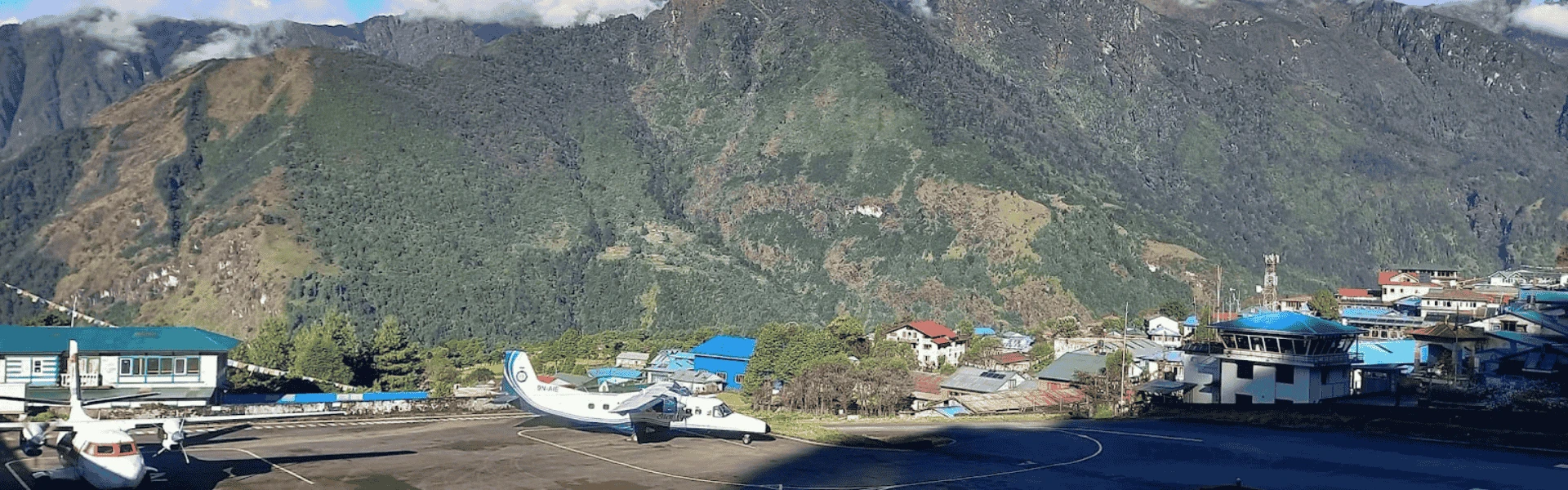
Lukla Airport, officially known as Tenzing Hillary Airport Lukla, is one of the most talked-about airports in the world. Famous for its short runway, steep terrain, and dramatic Himalayan setting, it serves as the main gateway to the Everest region. This guide covers essential facts about Lukla Airport, including its elevation, flight schedules, runway risks, weather conditions, and landing experience. If you are planning a flight to Lukla Airport or trekking to Everest Base Camp, understanding these details will help you prepare better and travel with confidence.
Facts About Lukla Airport, Comprehensive Guide
Quick Glance at Lukla Airport
When travellers search for facts about Lukla Airport, they want clarity, safety information, and real insights. Lukla Airport is not just a mountain airstrip. It is the lifeline of the Everest region.
Officially called Tenzing Hillary Airport, Lukla, it connects Kathmandu and Ramechhap with the remote Khumbu Valley. Its short runway, sharp gradient, and unpredictable weather make it unique. Understanding Lukla Airport facts helps trekkers plan flights, manage delays, and arrive mentally prepared for one of the most thrilling landings in the world.
Category | Details |
Official Name | Tenzing Hillary Airport Lukla |
Location | Lukla, Solukhumbu District, Nepal |
Altitude | 2,860 meters / 9,383 feet above sea level |
Runway Length | 527 meters / 1,729 feet |
Runway Gradient | Approximately 12% uphill |
Type of Airport | Domestic STOL (Short Takeoff and Landing) airport |
Main Aircraft Used | DHC-6 Twin Otter, Dornier 228 |
Flight Time to Lukla | 30–40 minutes from Kathmandu or Ramechhap |
Best Time for Flights | Early morning (6:00 AM – 9:30 AM) |
Operating Rule | Visual Flight Rules (VFR) only |
Weather Sensitivity | High – flights depend heavily on visibility |
Primary Purpose | Gateway to Everest Base Camp and Khumbu treks |
Annual Passenger Volume | Over 100,000 trekkers and locals |
Known For | One of the world’s most extreme airports |
History of the Lukla Airport
Lukla Airport began as a simple dirt airstrip in 1964. Sir Edmund Hillary played a major role in its development. His goal was to improve access to healthcare and education in the Khumbu region. At first, the runway was unpaved and basic. Over time, it transformed into a vital aviation hub. In this guide, let's run into the details of Facts about the Lukla Airport from History to the present status.
In 2008, the airport was officially renamed Tenzing-Hillary Airport, Lukla, to honour Tenzing Norgay and Sir Edmund Hillary. The airport gained international attention after being ranked among the world’s most extreme airports. Despite modern improvements, it still operates under strict visual flight rules. The history of Lukla Airport reflects human determination, mountain aviation skill, and the growing popularity of Everest trekking.
Where is Lukla Airport located?
Lukla Airport is located in the Solukhumbu District of northeastern Nepal. It lies inside the Khumbu region, the heart of Everest trekking. The airport sits at an elevation of 2,860 meters (9,383 feet) above sea level. Steep Himalayan ridges surround it.
The airport is about 138 kilometres east of Kathmandu by air. There are no roads connecting Lukla to major cities. This isolation makes air travel essential. For trekkers, Lukla Airport serves as the starting point for the journey to Everest Base Camp. From Lukla, all trekking routes branch deeper into the Himalayas, making its location both strategic and critical.
Why is Lukla Airport so dangerous?
Lukla Airport is considered dangerous due to geography, altitude, and weather. The runway has no room for error. One end faces a mountain wall. The other drops into a deep valley. Pilots must land perfectly on the first attempt.
Flights operate only under visual flight rules. There is no radar guidance. Cloud cover, wind shifts, and fog can change within minutes. The high altitude also affects aircraft performance. Only specially trained pilots with multiple Lukla landings can operate here. These factors combine to create a high-risk but well-managed aviation environment. Despite its reputation, strict regulations keep Lukla Airport flights remarkably safe.
Lukla Airport runway facts and risks
The Lukla Airport runway is 527 meters (1,729 feet) long. It has a steep 12% uphill gradient. This slope helps planes slow down during landing. It also assists takeoff acceleration. There is no possibility of a go-around once landing begins.
The runway surface is asphalt and well-maintained. Still, rain, frost, or dust can reduce traction. Pilots use STOL aircraft, mainly the DHC-6 Twin Otter and Dornier 228. These planes handle short takeoffs and landings efficiently. The runway design reduces stopping distance but increases pressure on pilots. Precision is mandatory at Lukla Airport.
Facts about Lukla Airport flight time and schedule
A typical flight to Lukla Airport takes 30 to 40 minutes from Kathmandu or Ramechhap. Flights operate early in the morning. Clear skies are more common at sunrise. Most flights depart between 6:00 AM and 9:30 AM.
During peak trekking seasons, airlines schedule multiple daily flights. Weather determines actual operations. Delays and cancellations are common. In busy months, flights often shift from Kathmandu to Ramechhap Airport to reduce congestion. Understanding Lukla Airport flight schedules helps trekkers plan buffer days and avoid stress during tight itineraries.
Note: WhatsApp us at +9779849790153 or email us for the Lukla Flight tickets.
Lukla, a major starting point of several treks
Lukla is the gateway to Nepal’s most iconic Himalayan treks. The Everest Base Camp Trek 14 Days begins here and attracts trekkers from around the world. The trail passes through Namche Bazaar, Tengboche, and Dingboche.
The Gokyo Valley Trek also starts from Lukla. It leads trekkers toward turquoise glacial lakes and Gokyo Ri. The Ama Dablam Base Camp Trek branches from the main trail near Pangboche. Adventurous trekkers choose the Everest Three High Passes Trek, which connects Kongma La, Cho La, and Renjo La. All these routes rely on Lukla Airport access.
Want to know more about the trek in the Everest Region? Do not hesitate to contact us or WhatsApp us at +9779849790153.
Lukla Airport landing experience
The landing experience at Lukla Airport is intense and unforgettable. As the plane approaches, the mountains appear extremely close. Passengers often see prayer flags and stone houses seconds before touchdown.
The aircraft descends steeply and lands firmly uphill. Braking happens quickly. The entire landing lasts only a few seconds. There is no engine roar after touchdown. Planes stop near the terminal wall. For many travellers, this is their first exposure to mountain aviation. While thrilling, the process follows strict procedures. Experienced pilots make the landing feel controlled and professional.
Lukla Airport weather conditions
Weather plays the biggest role in Lukla Airport operations. Conditions change rapidly due to surrounding peaks. Mornings are usually clear. By late morning, clouds rise from the valleys.
Monsoon season brings heavy rain and low visibility. Winter brings cold temperatures and occasional snow. Wind shear and crosswinds can also occur. Pilots rely on visual confirmation of the runway before landing. Poor visibility cancels flights immediately. Checking weather forecasts and planning extra days is essential when flying to Lukla Airport.
Season | Months | Typical Weather Conditions | Flight Reliability | Key Notes for Travellers |
Spring | March – May | Clear mornings, mild temperatures, occasional afternoon clouds | High | Best season for Lukla flights: stable weather and good visibility |
Monsoon | June – August | Heavy rainfall, thick clouds, low visibility, strong winds | Very Low | Frequent flight cancellations and delays; high risk of long waiting days |
Autumn | September – November | Dry air, clear skies, cool mornings, minimal wind | Very High | Most reliable season for flights; peak trekking and aviation period |
Winter | December – February | Cold temperatures, occasional snowfall, fog in mornings | Moderate | Fewer flights; snow and fog can cause delays, but skies are often clear |
FAQs About Lukla Airport
What is the altitude of Lukla Airport?
The Lukla Airport elevation is 2,860 meters (9,383 feet) above sea level. This altitude affects aircraft performance and passenger acclimatisation. Many trekkers feel mild altitude effects immediately after landing.
What is the cost of a Lukla flight from Kathmandu?
A one-way Lukla flight from Kathmandu or Ramechhap usually costs USD 220 to USD 225 for international travellers. Prices may increase during peak trekking seasons.
How often are Lukla flights cancelled?
Flight cancellations occur frequently during the monsoon and winter. The weather is the main reason. During peak seasons, delays of one to three days are not uncommon.
Why do flights to Lukla get delayed?
Flights to Lukla get delayed due to fog, wind, cloud cover, and limited landing windows. Air traffic congestion during trekking season also causes delays.
How long is the Lukla Airport runway?
The Lukla Airport runway is 527 meters (1,729 feet) long with a steep uphill slope. It has no safety overrun area, making precise landings essential.
Conclusion
Understanding the facts about Lukla Airport helps trekkers travel smarter and calmer. Lukla is not just an airport. It is the gateway to Everest dreams. Its high elevation, short runway, and strict flight rules make it unique. Yet, experienced pilots and proven aircraft ensure safety. Weather remains the biggest challenge, not the runway itself. With proper planning, buffer days, and realistic expectations, flying into Lukla becomes an exciting start to a Himalayan adventure rather than a source of fear. Preparation turns uncertainty into confidence.

Anil Lamsal
Call us on WhatsApp+977 9849790153OrChat with us