Discover the best places to visit in Kathmandu with a practical local guide created for travellers with limited time. Compare Kathmandu Durbar Square, Swayambhunath, Boudhanath, Pashupatinath, Asan, Thamel, Patan and Bhaktapur by location, time required and entrance fee. Follow realistic one-, two- and three-day itineraries, learn which attractions can be grouped together and understand the cultural etiquette that makes each visit more meaningful. This guide also explains sightseeing costs, transport choices and the best Kathmandu experiences before or after a Nepal trek.
Top Places to visit in Kathmandu for Tourist
Places to Visit in Kathmandu: A Local Guide for Travellers Short on Time
Kathmandu’s best places to visit include Kathmandu Durbar Square, Swayambhunath, Boudhanath Stupa, Pashupatinath Temple, Asan Bazaar, Thamel and the Garden of Dreams. Travellers with one day should prioritise the four major heritage sites, while those with two or three days can add Patan, Bhaktapur, Kirtipur and a walk through old Kathmandu. Kathmandu rewards travellers who slow down long enough to notice its temple courtyards, local markets, sacred rituals and living Newari culture.
Introduction: Kathmandu Is More Than a Stop Before the Mountains
Many travellers arrive in Kathmandu with a tight schedule. They may have one free day before flying to Lukla, a short buffer before driving to a trailhead, or a few hours after returning from a trek.
That often raises a difficult question: which places in Kathmandu are actually worth your limited time?
Kathmandu is not a city that reveals itself through a rushed list of landmarks. Its character lives between the famous sites—in incense-filled courtyards, old brick lanes, crowded spice markets, rooftop cafés and neighbourhood shrines that remain part of everyday life.
This guide focuses on the best places to visit in Kathmandu while helping you group attractions logically, estimate realistic travel times and build a one-, two- or three-day plan without spending half your visit in traffic.
What Are the Best Places to Visit in Kathmandu?
The best places to visit in Kathmandu are:
- Kathmandu Durbar Square
- Swayambhunath, or the Monkey Temple
- Boudhanath Stupa
- Pashupatinath Temple
- Thamel
- Asan Bazaar and Indra Chowk
- Garden of Dreams
- Kirtipur
- Patan Durbar Square
- Bhaktapur Durbar Square
Kathmandu Durbar Square, Swayambhunath, Boudhanath, and Pashupatinath are among the seven monument zones that form the UNESCO-listed Kathmandu Valley World Heritage sites. The remaining monument zones are Patan Durbar Square, Bhaktapur Durbar Square and Changu Narayan.
Kathmandu Tourist Attractions at a Glance
Place | Best for | Suggested time | Best time to visit | Approx. foreign entry fee |
Kathmandu Durbar Square | History and Newari architecture | 1.5–2 hours | Morning | NPR 1,000 |
Swayambhunath | City views and Buddhist heritage | 1–1.5 hours | Early morning | NPR 200 |
Boudhanath Stupa | Buddhist culture and evening atmosphere | 1–2 hours | Late afternoon | NPR 400 |
Pashupatinath Temple | Hindu heritage and sacred traditions | 1–1.5 hours | Morning or late afternoon | NPR 1,000 |
Asan and Indra Chowk | Local markets and street life | 1–1.5 hours | Morning | Free |
Garden of Dreams | Rest and quiet near Thamel | 45–90 minutes | Afternoon | NPR 400 |
Kirtipur | Old-town atmosphere and views | 2–3 hours | Morning or late afternoon | Usually free to explore |
Patan Durbar Square | Art, museums and architecture | 2–3 hours | Morning | NPR 1,000 |
Bhaktapur Durbar Square | Preserved medieval cityscape | 3–4 hours | Morning | NPR 1,800 or US$18 |
The entry fees above are based on Nepal Tourism Board’s published heritage-fee table. Prices and access arrangements can change, so travellers should confirm them shortly before visiting.
Travellers with one day should visit Kathmandu Durbar Square, Swayambhunath, Pashupatinath and Boudhanath. Those with two days can add a walking route through Asan and Indra Chowk or visit Patan. With three days, include Bhaktapur, Kirtipur or another Kathmandu Valley day trip.
The Best Places to Visit in Kathmandu City
1. Kathmandu Durbar Square: The Historic Heart of the City
Kathmandu Durbar Square, also called Hanuman Dhoka Durbar Square, is one of the most important historical places in Kathmandu. It was once the political and ceremonial centre of the old Kathmandu kingdom.
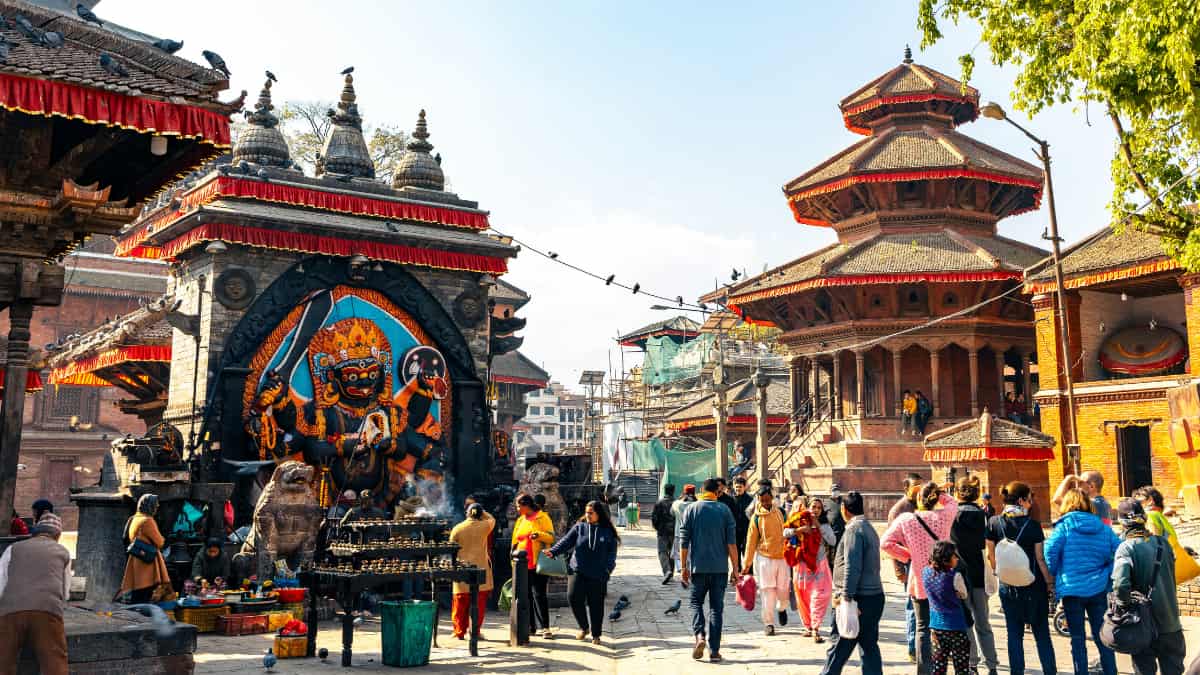
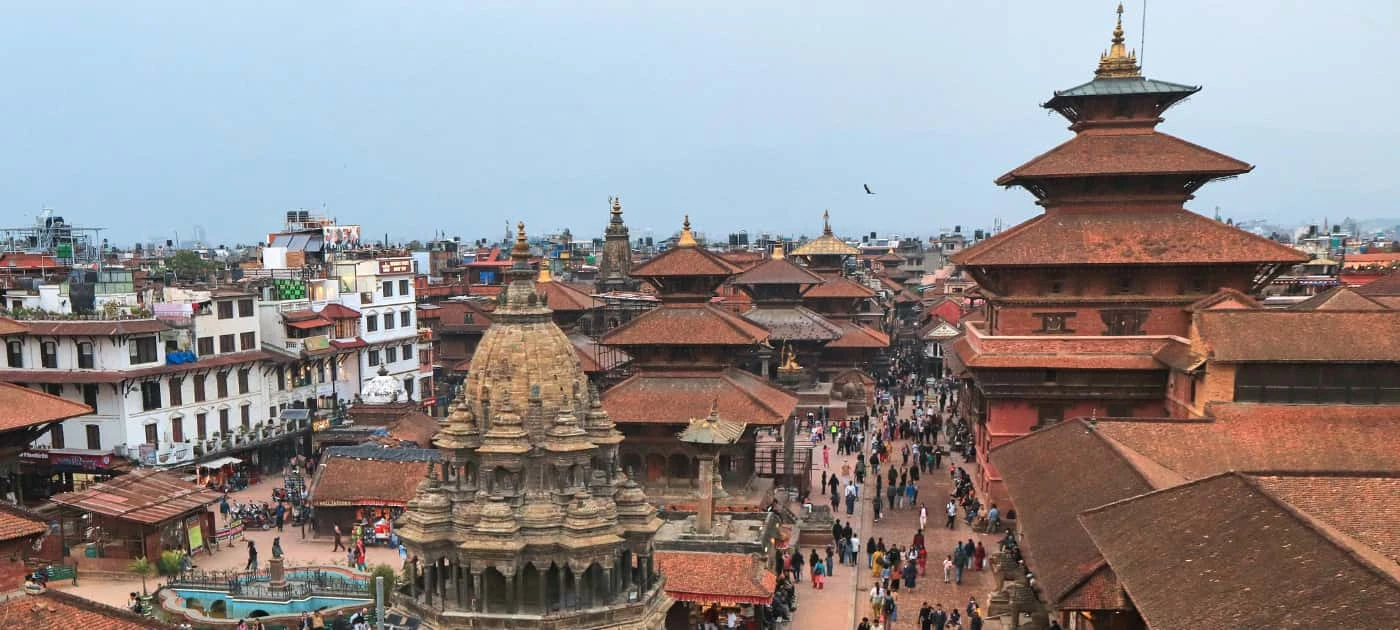
The square is not one isolated monument. It is a dense collection of palace courtyards, pagoda-style temples, carved windows, shrines and public spaces. UNESCO identifies Hanuman Dhoka as one of the three royal Durbar Squares included in the Kathmandu Valley World Heritage property.
What to notice
Do not walk through the square only looking for one grand building. Look closely at:
- Intricate wooden window frames
- Tiered temple roofs
- Stone guardians and shrines
- Palace courtyards
- Local worshippers making daily offerings
- People resting and socialising on temple platforms
Kumari Ghar and the Living Goddess tradition
Kumari Ghar is one of the square’s most recognised buildings. It is associated with Kathmandu’s Kumari tradition, in which a young girl is revered as a living goddess.
Visitors should approach this tradition respectfully. Avoid shouting for an appearance, photographing restricted areas or treating a living religious practice as a performance.
How much time do you need?
Allow around 90 minutes to two hours. Travellers interested in museums, architecture or photography may stay longer.
Local planning tip
Walk from Kathmandu Durbar Square toward Indra Chowk and Asan instead of immediately getting into a vehicle. This route shows the transition from royal Kathmandu to the city’s working markets and neighbourhood courtyards.
2. Swayambhunath: The Monkey Temple Above Kathmandu
Swayambhunath rises on a hill west of central Kathmandu. Tourists often call it the Monkey Temple because you can find many monkeys around it.
The central white stupa, golden spire, prayer wheels and painted Buddha eyes make Swayambhunath one of the most recognisable Kathmandu tourist attractions. UNESCO describes Swayambhu as containing the oldest Buddhist monument in the valley.
Why visit Swayambhunath?
Swayambhunath combines three experiences:
- A major Buddhist pilgrimage site
- A broad view over Kathmandu
- A sacred place where Buddhist and Hindu traditions exist side by side
The site feels most atmospheric in the early morning, when pilgrims walk around the stupa, prayer wheels turn, and the city begins to wake below.
3. Boudhanath Stupa: Kathmandu’s Most Atmospheric Evening Stop
Boudhanath Stupa is one of the finest cultural places in Kathmandu and a major centre of Tibetan Buddhist life.
UNESCO describes Boudhanath as the largest stupa in Nepal and includes it among the seven monument zones of the Kathmandu Valley World Heritage property.
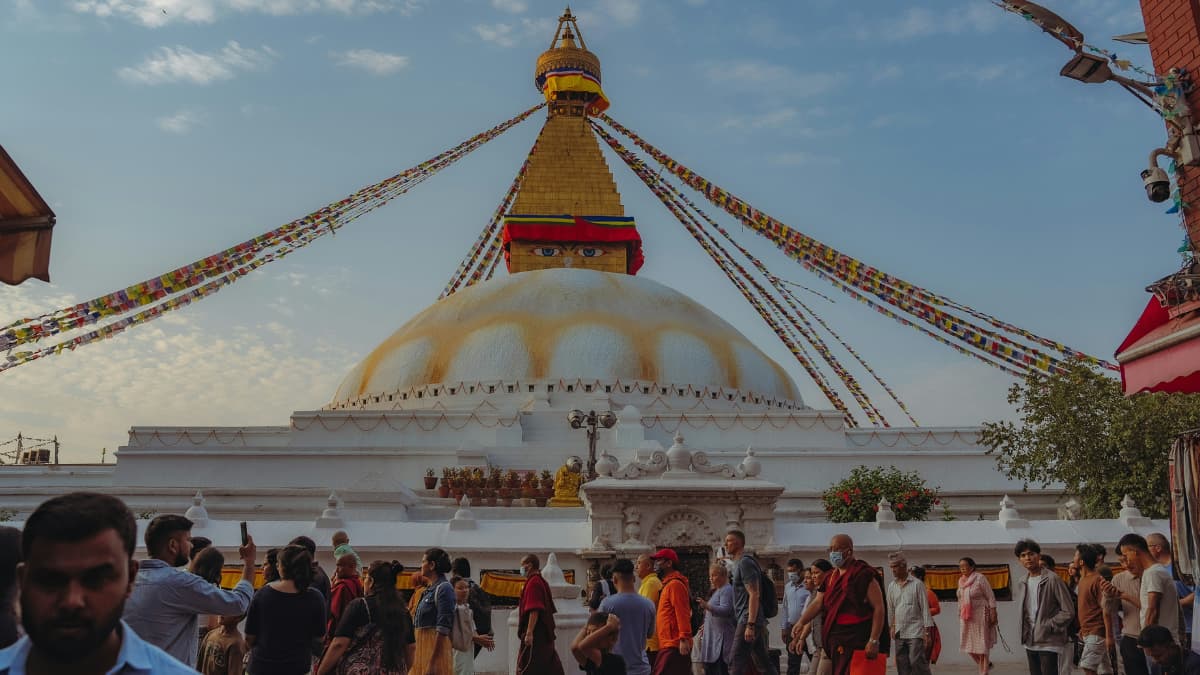
The stupa is surrounded by monasteries, shops, cafés and a circular walking route. Pilgrims move clockwise around the monument, spinning prayer wheels and reciting prayers.
Why Boudhanath feels different
Many attractions are best seen once. Boudhanath is best experienced for a while.
Sit on a rooftop terrace, watch the light change across the white dome and observe the evening flow of monks, families, pilgrims and travellers. The atmosphere often becomes more memorable than the act of photographing the monument.
Best time to visit Boudhanath Stupa
Late afternoon is ideal. Arrive with enough daylight to see the details, then remain into early evening.
4. Pashupatinath Temple: A Sacred Place, Not Just a Sightseeing Stop
Pashupatinath is one of Nepal’s most important Hindu temples. It stands beside the Bagmati River and forms one of the seven UNESCO World Heritage Site zones in Kathmandu Valley. UNESCO describes Pashupati as an extensive Hindu temple zone.
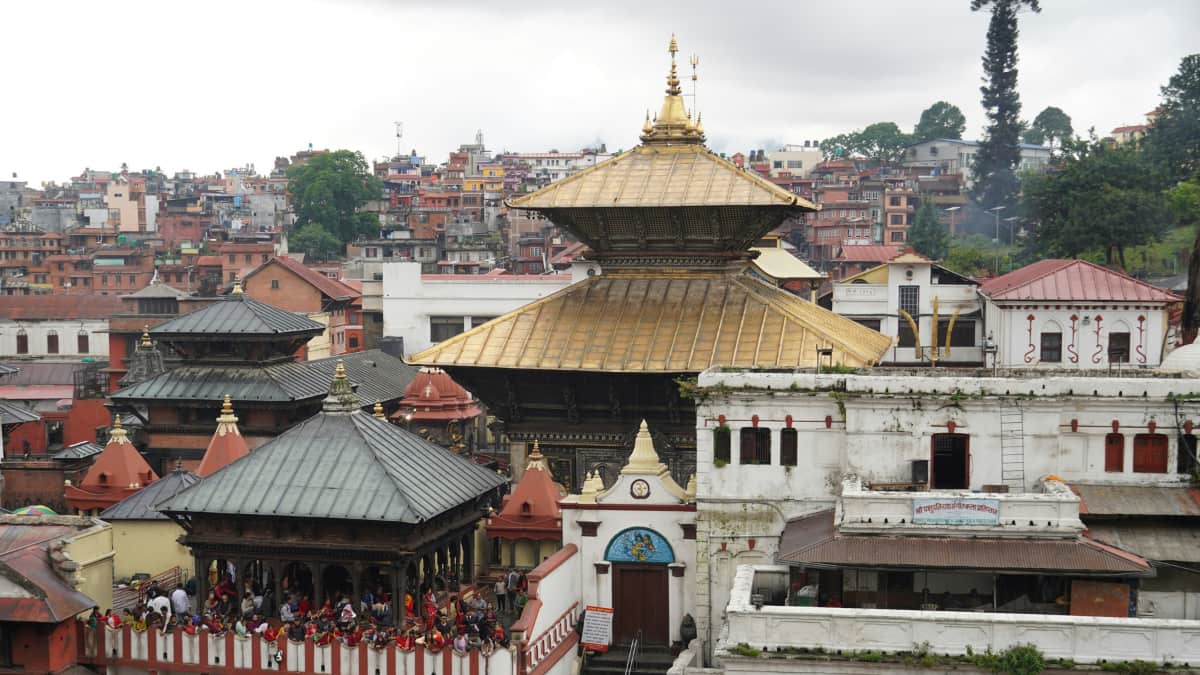
Pashupatinath requires sensitivity. It is an active pilgrimage site where worship, family rituals and cremation ceremonies take place.
Can non-Hindus enter Pashupatinath Temple?
Non-Hindus generally cannot enter the main temple’s inner compound. They can view parts of the temple complex and river area from designated public sections. Nepal Tourism Board notes that tourists can view the temple from the rear premises.
What can visitors see?
Depending on access and timing, visitors can see:
- Temple roofs and shrines
- The Bagmati River
- Sacred ghats
- Hindu ascetics
- Pilgrims performing rituals
- The wider temple precinct from across the river
Respect at the cremation ghats
Cremations are private family moments even though they take place in a public sacred area. Keep a respectful distance. Avoid intrusive photographs, loud conversations or commentary about ceremonies.
Best time to visit Pashpatinath Temple
Morning offers active pilgrimage life. Late afternoon can be atmospheric and pairs naturally with Boudhanath.
Suggested duration
Allow one to one-and-a-half hours.
5. Asan Bazaar: Kathmandu as Locals Experience It
Asan is one of the best places to visit in Kathmandu for travellers who want more than monuments.
The market sits at the meeting point of several old streets. Vendors sell spices, vegetables, grains, metalware, textiles, festival supplies and household goods. Motorcycles, shoppers, porters and temple visitors all move through the same compact space.
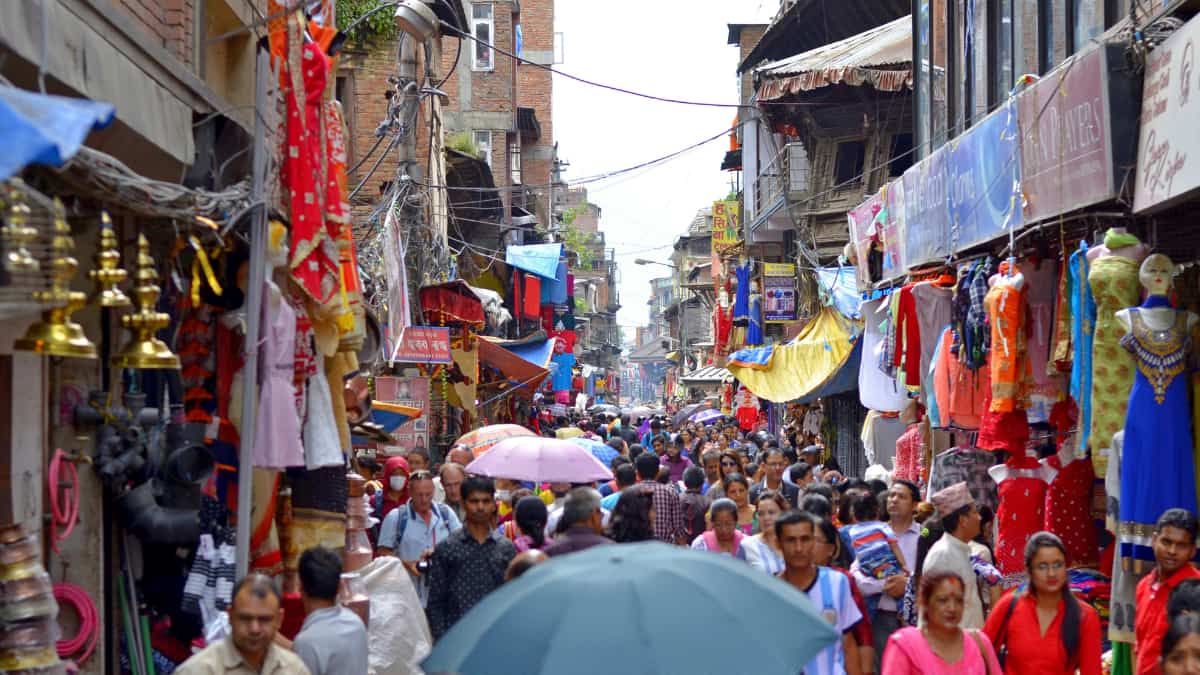
This is not a market created for tourists. It remains part of Kathmandu’s daily commercial life.
Why include Asan?
Asan gives context to the grand heritage sites. It shows that old Kathmandu is not a preserved museum district—it is a living city.
Visit in the morning when trade is active. Keep valuables secure, stay aware of motorcycles and avoid stopping suddenly in narrow lanes.
Suggested time
Allow 30–60 minutes, or longer when combining it with Indra Chowk and Kathmandu Durbar Square.
6. Indra Chowk: Temples, Textiles and Old Kathmandu Lanes
Indra Chowk sits between Asan and Kathmandu Durbar Square. Many travellers pass through it without recognising how much is concentrated around the junction.
The area contains temples, traditional shops, street-food stalls and lanes leading into older neighbourhoods. It is one of the best places for understanding how religious, commercial and residential life overlap in Kathmandu.
Best way to experience Indra Chowk
Do not treat it as a single photo stop. Walk slowly through the surrounding lanes and look upward. Some of Kathmandu’s best woodwork and architectural details sit above street level.
Combine it with
- Asan Bazaar
- Seto Machhindranath Temple
- Akash Bhairab area
- Kathmandu Durbar Square
- Old heritage courtyards
The full Asan–Indra Chowk–Durbar Square walk usually takes two to three hours, depending on stops.
7. Thamel: Convenient, Energetic and Still Worth Exploring
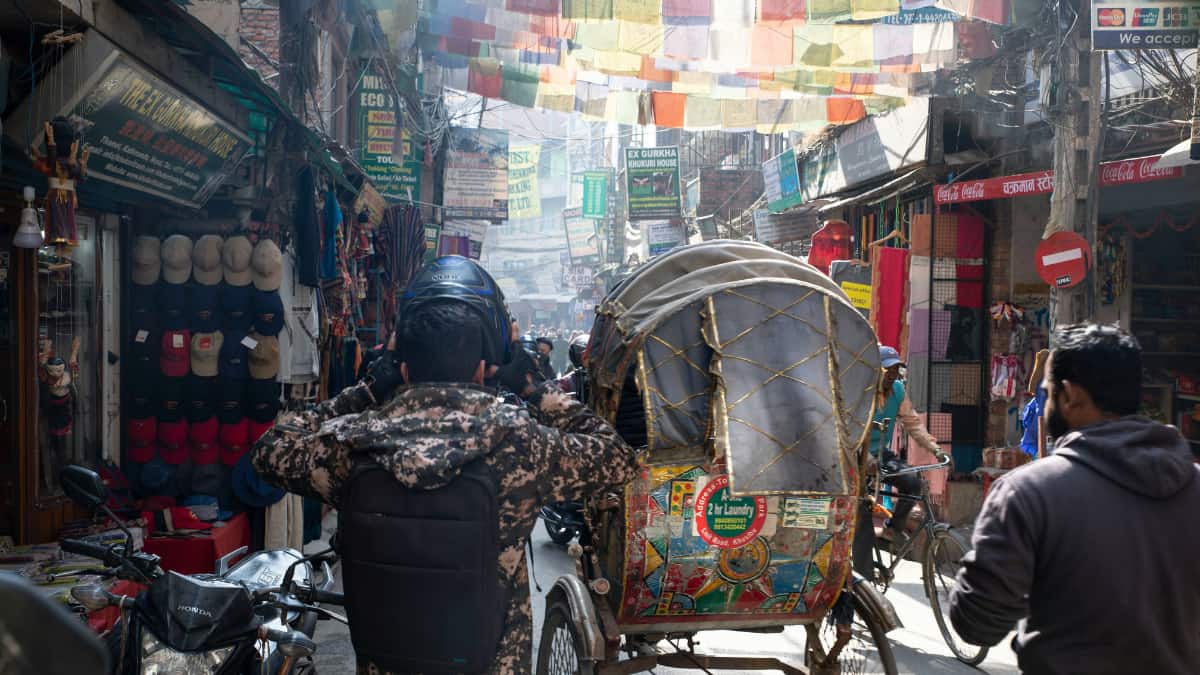
Thamel is Kathmandu’s best-known traveller district. It is filled with hotels, trekking shops, restaurants, cafés, souvenir stores, live music venues and travel services.
It is not the quietest or most traditional part of the city, but it is useful and energetic. Many international travellers stay here because it offers convenient access to food, shopping, guides and transport.
Things to do in Thamel
- Buy last-minute trekking equipment
- Eat Nepali or international food
- Browse handicraft and book shops
- Visit nearby Kathesimbu Stupa
- Walk toward Asan and old Kathmandu
- Relax at the Garden of Dreams
What Thamel should not become
Do not spend your entire Kathmandu visit inside Thamel. It is a traveller hub, not a complete representation of the city.
8. Garden of Dreams: A Quiet Break Near Thamel
The Garden of Dreams is a restored neoclassical garden near the eastern edge of Thamel.
It offers lawns, ponds, pavilions and shaded corners that provide a sharp contrast to the streets outside. It is particularly useful after a long flight, following a busy morning of sightseeing or during a relaxed post-trek day.
Nepal Tourism Board currently lists an entry fee of NPR 400 for foreign and SAARC visitors and NPR 150 for Nepalese visitors.
Best for
- Arrival afternoons
- Couples
- Families
- Senior travellers
- Reading or resting
- Low-energy sightseeing days
Allow 45–90 minutes.
9. Kirtipur: A Slower Side of the Kathmandu Valley
Kirtipur lies southwest of central Kathmandu. It offers a quieter old-town experience, traditional Newari neighbourhoods, temples and elevated views.
Unlike Kathmandu Durbar Square, Kirtipur does not feel built around one central monument. Its value comes from walking through the settlement, observing brick houses, courtyards and everyday community life.
Kirtipur appears on Nepal’s UNESCO tentative list as a medieval settlement, although it is not one of the seven monument zones in the currently inscribed Kathmandu Valley property.
Who should visit Kirtipur?
- Kirtipur suits travellers who:
- Prefer less crowded places
- Enjoy walking and photography
- Want to learn about Newari culture
- Have already visited the major heritage sites
- Have at least half a day available
- Allow two to three hours, excluding transport.
Places Near Thamel You Can Visit by Walking
Travellers based in Thamel do not need a vehicle for every outing.
The best places near Thamel include:
- Garden of Dreams
- Kathasimkhu Stupa
- Asan Bazaar
- Indra Chowk
- Itum Bahal
- Seto Machhindranath Temple
- Kathmandu Durbar Square
Suggested self-guided walking route
Thamel → Kathesimbu Stupa → Asan Bazaar → Indra Chowk → Kathmandu Durbar Square
Allow roughly two-and-a-half to four hours, depending on how often you stop.
The route is more rewarding with a local guide because many shrines, courtyards and symbols are easy to walk past without understanding their meaning.
The most efficient walking route from Thamel passes through Kathesimbu Stupa, Asan Bazaar and Indra Chowk before reaching Kathmandu Durbar Square. It takes around three hours at a relaxed pace and combines Buddhist heritage, local markets, Newari neighbourhoods and royal architecture without requiring a vehicle.
Best Places to Visit Near Kathmandu City
Patan Durbar Square
Patan, also called Lalitpur, lies south of central Kathmandu. Its Durbar Square is known for refined Newari architecture, temples, palace courtyards and the Patan Museum.
UNESCO includes Patan Durbar Square among the seven monument zones of the Kathmandu Valley World Heritage property.
Patan deserves at least two to three hours. It is especially rewarding for travellers interested in traditional art, metalwork, architecture and museums.
Bhaktapur Durbar Square
Bhaktapur lies east of Kathmandu and feels more spacious than the old centre of Kathmandu. Its squares, brick streets, temples, courtyards and traditional neighbourhoods can easily fill half a day.
Bhaktapur Durbar Square is another UNESCO monument zone. The official foreign entry fee is listed as NPR 1,800 or US$18.
Allow three to four hours, plus transport.
Changu Narayan
Changu Narayan is a hilltop Hindu temple complex northeast of Bhaktapur. UNESCO notes that the monument zone includes a traditional Newari settlement and a temple complex containing one of the valley’s earliest inscriptions, dating from the fifth century.
It combines well with Bhaktapur when travellers have a full day and private transport.
Kathmandu One-Day Itinerary
Best route for first-time visitors
A realistic Kathmandu one-day itinerary should focus on four major sites rather than attempt to cover the entire valley.
- Morning: Swayambhunath
Start early at Swayambhunath. Morning light, clearer views and active pilgrimage life make this the best time to visit.
Suggested time: 8:00–9:15 a.m.
- Late morning: Kathmandu Durbar Square
Continue to Kathmandu Durbar Square. Explore the palace area, temples, Kumari Ghar and nearby lanes.
Suggested time: 9:45–11:45 a.m.
Lunch and old-city walk
- Walk through Indra Chowk and Asan before stopping for lunch.
Suggested time: 11:45 a.m.–1:30 p.m.
- Afternoon: Pashupatinath Temple
Travel east to Pashupatinath. Allow time to understand the setting rather than rushing through the river area.
Suggested time: 2:15–3:45 p.m.
- Late afternoon: Boudhanath Stupa
Finish at Boudhanath. Walk around the stupa and stay for the evening atmosphere.
Suggested time: 4:00–6:00 p.m.
Is this itinerary realistic?
Yes, with an early start and a private vehicle. Kathmandu traffic is unpredictable, so exact arrival times should remain flexible.
Kathmandu Two-Day Itinerary
A Kathmandu two-day itinerary allows you to separate the old city from the eastern sacred sites.
Day 1: Old Kathmandu and Swayambhunath
- Swayambhunath
- Kathmandu Durbar Square
- Indra Chowk
- Asan Bazaar
- Thamel
- Garden of Dreams
This day combines architecture, markets, Buddhist heritage and local street life.
Day 2: Pashupatinath, Boudhanath and Patan
- Pashupatinath in the morning
- Boudhanath before lunch
- Patan Durbar Square and museum in the afternoon
This route gives greater cultural depth without requiring a rushed Bhaktapur extension.
Kathmandu Three-Day Itinerary
With three days, travellers can explore both Kathmandu city and the wider valley.
Day 1: Must-visit places in Kathmandu
- Swayambhunath
- Kathmandu Durbar Square
- Asan
- Indra Chowk
- Thamel
Day 2: Sacred eastern Kathmandu and Patan
- Pashupatinath
- Boudhanath
- Patan Durbar Square
Day 3: Bhaktapur and Changu Narayan
- Bhaktapur Durbar Square
- Taumadhi Square
- Pottery Square
- Changu Narayan
Travellers who prefer quiet neighbourhoods can replace Changu Narayan with Kirtipur.
One day is enough for Kathmandu’s must visit places. Whereas two days allow time for Patan and an old-city walk. Likewise, three days are better for travellers who also want to see Bhaktapur, Changu Narayan or Kirtipur without turning the visit into a rushed checklist.
Best Geographic Groupings for Kathmandu Sightseeing
Kathmandu becomes much easier when you group nearby sites.
Old-city walking group
- Thamel
- Kathesimbu
- Asan Bazaar
- Indra Chowk
- Kathmandu Durbar Square
- Best transport: Walking
- Sacred eastern group
- Pashupatinath
- Boudhanath
- Kopan area, when time permits
Best transport: Private vehicle or taxi
Western Kathmandu group
- Swayambhunath
- National Museum
- Kirtipur
Best transport: Vehicle, with walking inside each site
Southern heritage group
- Patan Durbar Square
- Patan Museum
- Traditional neighbourhood courtyards
Best transport: Vehicle to Patan, then walking
Eastern valley group
- Bhaktapur
- Changu Narayan
- Nagarkot Sunrise Tour
Best transport: Private vehicle
Kathmandu Sightseeing Costs and Entrance Fees
Entry fees are charged separately at many major sites.
Approximate Entrance Fees for Kathmandu Sightseeing
Attraction | Published fee |
Kathmandu Durbar Square | NPR 1,000 |
Swayambhunath | NPR 200 |
Boudhanath | NPR 400 |
Pashupatinath | NPR 1,000 |
Garden of Dreams | NPR 400 |
Patan Durbar Square | NPR 1,000 |
Bhaktapur Durbar Square | NPR 1,800 or US$18 |
Changu Narayan | NPR 300 |
A one-day route covering Swayambhunath, Kathmandu Durbar Square, Pashupatinath and Boudhanath therefore requires approximately NPR 2,600 in entry fees per foreign visitor, excluding transport, meals and guide services. The fees are based on the Nepal Tourism Board table available at the time of writing.
Important note
Different prices apply to Nepalese, SAARC nationals and some other visitor categories. Carry Nepalese rupees, as smaller ticket offices may not offer convenient card payment.
Self-Guided Sightseeing or a Kathmandu City Tour?
Kathmandu can be explored independently, but the better option depends on your time.
Self-guided sightseeing works well when:
- You have two or more days
- You enjoy navigating independently
- You mainly want to photograph landmarks
- You are walking from Thamel through the old city
- You do not mind negotiating taxis
- A guided Kathmandu city tour is better when:
- You have only one day
- You want to visit four or more major sites
- You want cultural and historical explanations
- You prefer hotel pickup and private transport
- You are travelling with children or senior family members
- Your schedule depends on a flight or trek departure
A local guide adds context that signs and short online descriptions rarely provide. They can explain religious symbolism, Newari traditions, architectural details and appropriate behaviour at active sacred sites.
Contact us via Email or WhatsApp at +9779849790153 for the local tourist guide.
Also, you can check the Kathmandu Day Tour Package for more details.
Cultural Etiquette for Kathmandu Attractions
At Buddhist sites
- Walk clockwise around stupas
- Turn prayer wheels clockwise
- Do not climb onto sacred structures
- Avoid interrupting worshippers
- Ask before photographing monks or pilgrims
At Hindu sites
- Follow restrictions at temple entrances
- Remove footwear where instructed
- Dress respectfully
- Avoid touching offerings or sacred objects
- Respect ceremonies and private rituals
In local markets
- Stay alert in narrow lanes
- Avoid blocking shop entrances
- Ask permission before close-up portraits
- Bargain politely where appropriate
- Support locally made products rather than mass-produced souvenirs
At heritage sites
Old temples, carvings and statues are fragile. Do not lean on carved struts, sit on restricted monuments or leave litter behind.
Practical Tips for Visiting Kathmandu
Start early
Morning visits offer softer light, fewer groups and more active local rituals.
Do not underestimate traffic
Two places that look close on a map can take longer to connect during busy periods. Build flexibility into your schedule.
Walk where walking makes sense
Old Kathmandu is best explored on foot. Vehicles are less useful inside the narrow lanes around Asan and Indra Chowk.
Carry small Nepalese notes
Ticket counters, small cafés and local shops may be easier to use with cash.
Keep one flexible stop
Do not plan every hour. Kathmandu often rewards spontaneous discoveries—a courtyard, procession, small shrine or local market can become the highlight of the day.
Use a mask when needed
Road dust and air pollution can be uncomfortable, particularly during dry periods and in heavy traffic.
Verify current fees and access
Opening arrangements, religious restrictions and entrance charges can change. Confirm important details before departure.
Frequently Asked Questions
What are the best places to visit in Kathmandu?
The best places to visit in Kathmandu are Kathmandu Durbar Square, Swayambhunath, Boudhanath Stupa, Pashupatinath Temple, Asan Bazaar, Indra Chowk, Thamel and the Garden of Dreams. Patan, Bhaktapur and Kirtipur are worthwhile when you have additional time.
Is one day enough to visit Kathmandu?
One day is enough to visit Kathmandu’s four essential heritage sites: Swayambhunath, Kathmandu Durbar Square, Pashupatinath and Boudhanath. You will need an early start and efficient transport. Two days are better for adding old-city markets, Patan or a more relaxed cultural experience.
How many days should I spend in Kathmandu?
Spend two days in Kathmandu for the major city attractions and Patan. Three days are ideal when you also want to visit Bhaktapur, Changu Narayan or Kirtipur. Travellers with only one day should prioritise four major heritage sites instead of attempting the entire valley.
What are the best places near Thamel?
The best places near Thamel are the Garden of Dreams, Kathesimbu Stupa, Asan Bazaar, Indra Chowk, Itum Bahal and Kathmandu Durbar Square. These sites form an excellent walking route that takes roughly three hours, depending on shopping, photography and café stops.
Is Kathmandu worth visiting before a trek?
Yes. Kathmandu introduces travellers to Nepal’s Newari culture, Buddhist traditions, Hindu heritage and historical architecture before they enter the mountains. A light half-day or one-day tour also provides useful buffer time before a domestic flight or road journey to a trekking trailhead.
Can I visit Kathmandu without a guide?
You can explore Thamel, Asan, Indra Chowk and the major monuments independently. A guide is more valuable when your time is limited, or you want historical and cultural interpretation. Many important details inside Kathmandu’s temples and heritage courtyards are not clearly explained by signs.
What is the best time of day for Kathmandu sightseeing?
Early morning is best for Swayambhunath, Kathmandu Durbar Square and local markets. Visit Pashupatinath in the morning or late afternoon. Boudhanath is especially atmospheric from late afternoon into the evening, when pilgrims gather, and the light softens around the stupa.
Is Pashupatinath open to non-Hindus?
Non-Hindus cannot normally enter the main inner temple area, but they can explore designated parts of the wider complex and view the temple and Bagmati River from public areas. Visitors should behave respectfully because Pashupatinath remains an active pilgrimage and cremation site.
Which is better, Patan or Bhaktapur?
Choose Patan when you have half a day and enjoy museums, metalwork and refined Newari architecture. Choose Bhaktapur when you have most of a day and want a broader medieval city experience. Bhaktapur is farther from central Kathmandu and generally requires more travel time. If you have enough time, you can explore both Bhaktapur & Patan on a day tour.
How much does Kathmandu sightseeing cost?
Kathmandu sightseeing costs start from USD 99 per person, depending on the group and sightseeing places. Foreign entrance fees for the four main Kathmandu attractions total approximately NPR 2,600: Kathmandu Durbar Square NPR 1,000, Swayambhunath NPR 200, Pashupatinath NPR 1,000 and Boudhanath NPR 400. Transport, meals and guide services are additional. Fees may change.
Final Takeaway on the best places to visit in Kathmandu
Kathmandu is easy to photograph but harder to understand.
Its famous monuments matter, yet the most memorable experiences often happen between them: following worshippers around Boudhanath, hearing market traders in Asan, finding a quiet heritage courtyard or watching the evening light move across old brick temples.
Travellers with limited time should resist the pressure to see everything. Choose a route that combines nearby places, allows time for observation and respects Kathmandu as a living cultural city—not simply a gateway to the Himalayas.
Contact us via email or WhatsApp at +9779849790153 if you need guidance to see the famous places around Kathmandu city.

Anil Lamsal
Call us on WhatsApp+977 9849790153OrChat with us